

Ginzan Onsen Ryokan Meals: The Complete Kaiseki Dinner Guide
Ginzan Onsen ryokan meals explained: half-pension kaiseki, Obanazawa beef, dinner timing, dietary requests, and breakfast for 2026 village stays.
On this page
Last updated August 2026, Ginzan Onsen ryokan meals center on a half-pension plan that includes breakfast and a multi-course kaiseki dinner. Most properties pair Yamagata beef and river fish with seasonal mountain vegetables that change month to month. This guide covers what lands on the table, when dinner is served, and how to plan around limited outside dining options.
Ginzan Onsen Ryokan Meals: The Half-Pension Basics
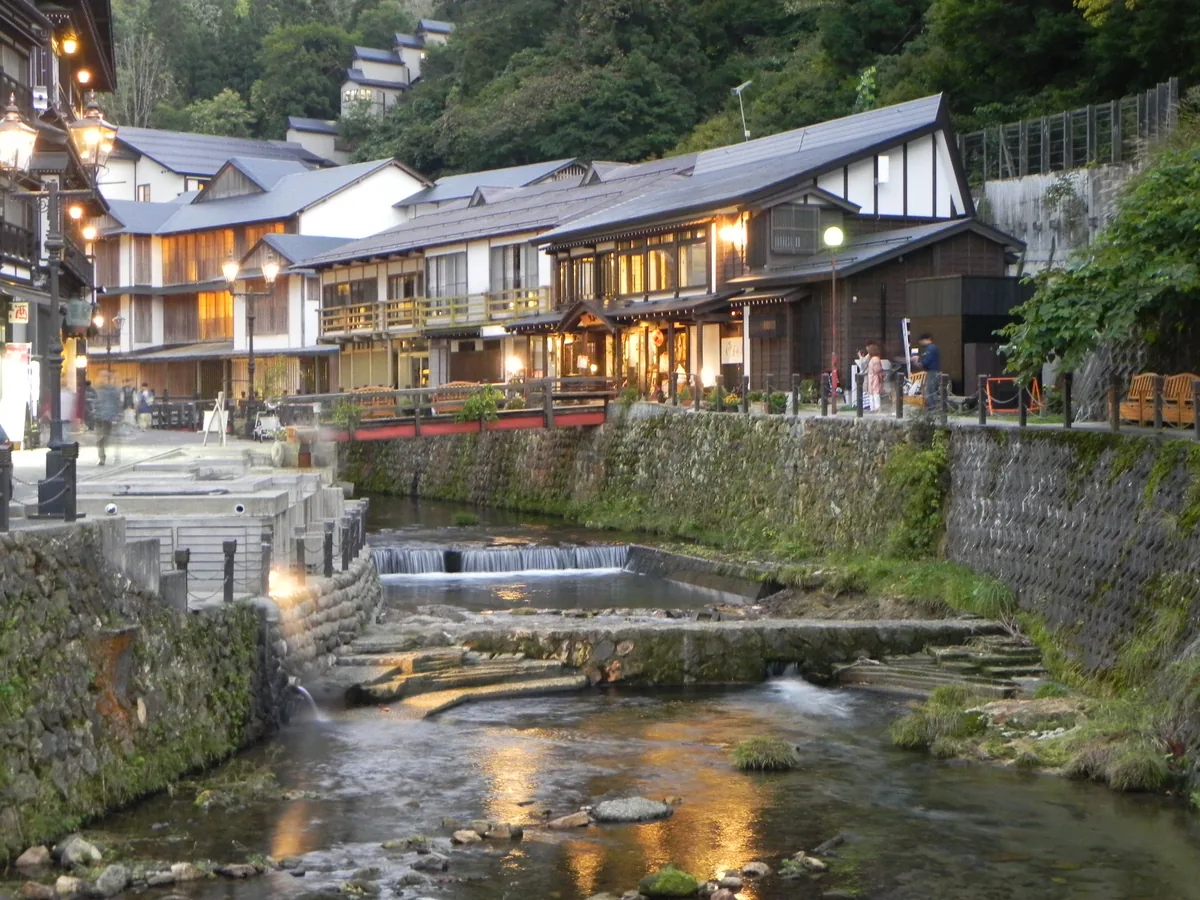
Ginzan Onsen's wooden ryokan facades date to the Taisho era, and dinner service inside mirrors that same unhurried pace. Nearly every ryokan in the village books guests on a half-pension plan, meaning the nightly rate includes both breakfast and a multi-course kaiseki dinner. Meals are treated as part of the stay itself, not an optional add-on you can skip without affecting the room price. Service style varies: some ryokans seat guests in a shared dining hall, while others bring every course to your room instead. Understanding this half-pension structure before booking helps you compare rates accurately across different properties. This bundled structure differs from a typical city hotel booking, where breakfast and dinner are usually optional add-ons. Because the village has so few outside dining options, most ryokans simply build both meals into the base stay. For daytime food beyond the dinner table, the Ginzan Onsen food scene guide covers snacking and riverside shops.
What's on the Kaiseki Menu: Obanazawa Beef and Local Specialties
Obanazawa beef, a Yamagata wagyu prized for its fine marbling, anchors most kaiseki dinners in the village. Ryokans typically serve it as a small sukiyaki pot, a seared course, or both within the same meal. The marbling is what chefs point to first, since it affects how the beef renders and melts on the grill. A typical kaiseki sequence layers several smaller courses around that beef course. Presentation is typically per-person rather than a shared platter, so each guest gets an individual portion of beef. Grade and cut can shift slightly by season and by ryokan, which is part of why menus are rarely identical night to night. Course counts and exact dishes differ by ryokan and by the specific plan you book. Ask your ryokan directly what's included if the course breakdown matters to your decision.
- Clear soup (suimono)
- Sashimi plate
- Simmered dish (nimono)
- Obanazawa beef course
- Rice, pickles, and miso soup to close the meal
Seasonal Ingredients and River Fish
Sansai, the wild mountain vegetables foraged in spring, show up as tempura or simmered dishes on spring kaiseki menus. Autumn menus shift toward local mushrooms and chestnuts instead, following what's actually in season around the village. River fish is another constant: iwana (char) or ayu (sweetfish), usually grilled whole with salt. That salt-grilling method is meant to let the fish's natural flavor lead, without heavy sauce or seasoning. Menus change month to month at most ryokans, so a dinner in April looks different from one in October. Travelers visiting across two different seasons will likely eat a noticeably different kaiseki course each time. Sansai season is brief, generally limited to a few weeks each spring before the mountain greens toughen. Because the menu follows the calendar this closely, no two visits in different months look the same on the table.
Dinner Timing and Booking Windows
Ryokan dinner times and booking deadlines are property-specific and tied to the selected room plan. Many dinners begin in the early evening, overlapping with blue hour, but guests should confirm the exact seating time and final arrival directly. Book the meal-inclusive plan together with the room whenever possible; do not assume that every property can add dinner with two or three days' notice or accept a same-night non-guest. Travelers without a confirmed ryokan dinner should check the dinner without a ryokan stay guide before arrival.
Use the booking deadline and meal time shown by the chosen ryokan. There is no universal 2-3-day rule across Ginzan Onsen properties.
Ryokan Dining Styles: Notoya, Ginzanso, and Takimikan
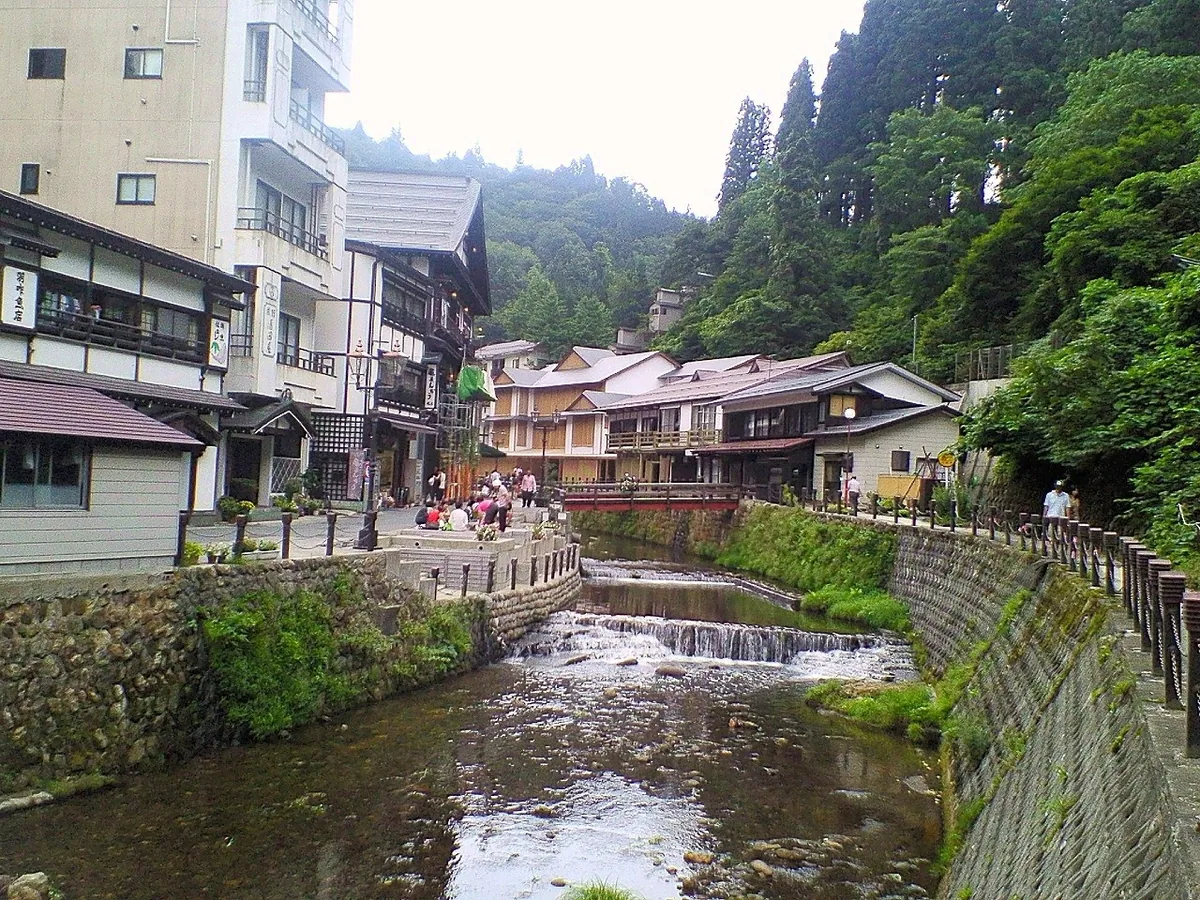
Notoya Ryokan leans into the village's older character, with a kaiseki style built around traditional, wood-fired cooking methods. Ginzanso takes a more modern approach, often seating guests in a larger communal dining room with river views instead of individual rooms. Takimikan sits at the top of the hill above the main street, and its kaiseki menus lean noticeably soba-forward compared to other properties. Travelers who want a deeper look at noodle-focused dining nearby can check the soba and lunch guide. Confirm current menu style and seating format directly with each ryokan, since kitchens revise their kaiseki lineups seasonally. All three ryokans list current plan details, including meal formats, on their own official booking pages. Matching your priorities to the right ryokan matters more than picking by price alone, since each favors a different cooking style.
Dietary Restrictions and Special Requests
Kaiseki menus commonly use fish, meat, wheat-containing seasonings, and dashi stock, which can make vegetarian, vegan, gluten-free, and allergy requests difficult. Contact the specific ryokan before booking and obtain a clear answer about what it can accommodate; notice periods and kitchen procedures differ by property. Do not assume that two or three days' notice guarantees an adjusted menu. Travelers with severe allergies should ask about shared preparation and decide based on the property's answer rather than speculation about its controls.
Breakfast After the Lanterns Dim
Breakfast at a Ginzan Onsen ryokan almost always follows the traditional Japanese format, served in-room or in a dining hall. Western breakfast options are rare in this village, so travelers who need one should ask before booking. Rice is often a local Yamagata variety such as Tsuyahime or Haenuki, both prized for their sheen and stickiness. Timing for breakfast is usually confirmed the night before, coordinated around each guest's planned checkout. Miso soup usually rounds out the tray, sometimes with seasonal vegetables or tofu mixed in. Once breakfast wraps up, the cafes and sweets along the main street make a good follow-up stop before checkout.
- Grilled fish, often salted
- Pickled vegetables (tsukemono)
- Miso soup with seasonal vegetables or tofu
- Steamed local rice
- A raw or onsen-style egg
What Non-Guests Can Realistically Access
Day-trippers without a ryokan reservation cannot expect to eat a kaiseki dinner in Ginzan Onsen. Ryokan dining rooms and kitchens cook for confirmed overnight guests, not walk-in diners passing through for the afternoon. Village restaurants and cafes generally serve lunch and daytime snacks instead, closing well before typical ryokan dinner hours. Some non-guests do arrange a daytime lunch course at select ryokans, though availability depends on the property and the season. Confirm directly with a ryokan if a lunch-only kaiseki experience is something you specifically want. Otherwise, plan around daytime eating and treat an overnight ryokan stay as the only reliable route to a full dinner. Plan to eat lunch in the village and finish exploring before the last bus or train departs. Overnight lodging is what unlocks a full dinner here. Pairing a lunch visit with the Ginzan Onsen Travel Guide: Plan Your Trip to Japan's Fairytale Onsen Town guide makes efficient use of a short daytime stop.
Non-guests should not expect a walk-in kaiseki dinner. Ask the individual ryokan whether it offers any non-stay meal plan and follow that property's booking deadline.
Half-Pension Costs and Meal Upgrades
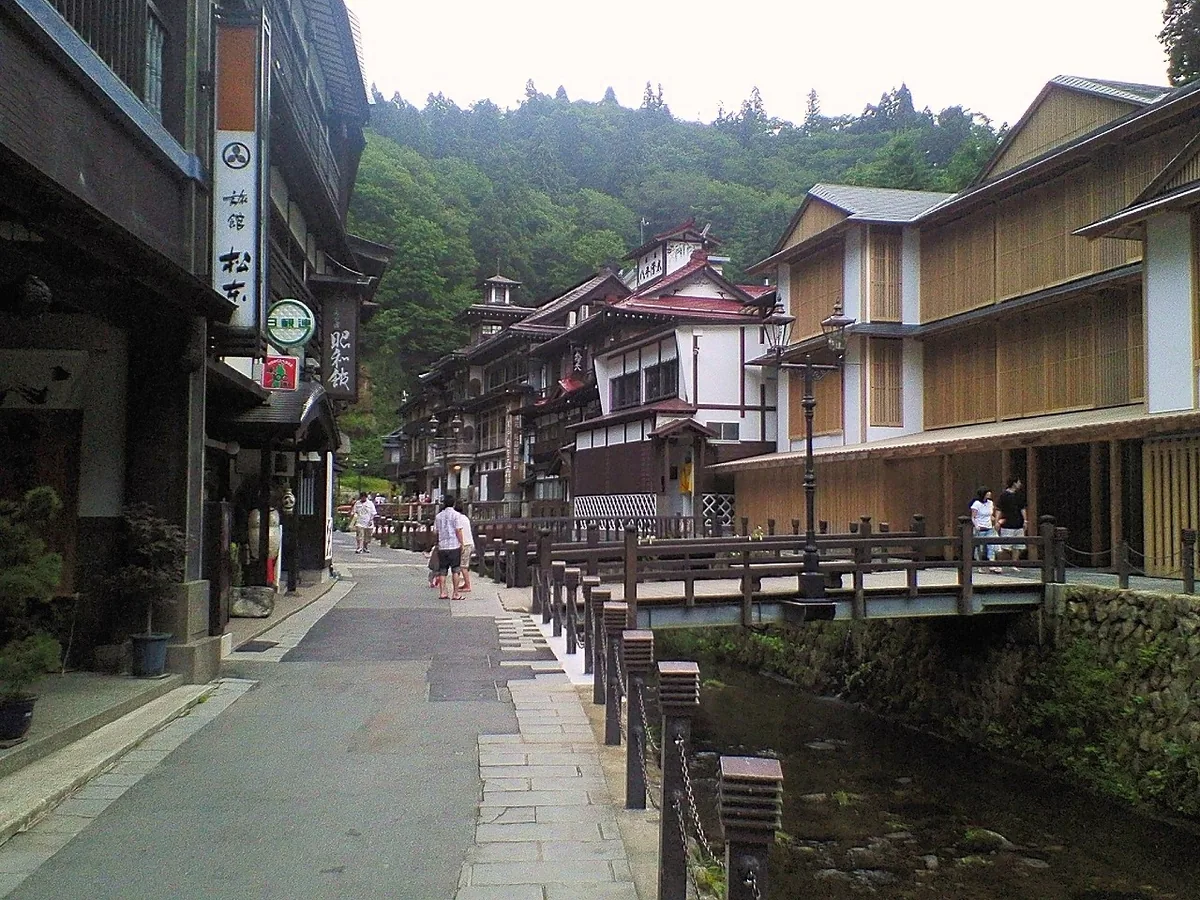
Most Ginzan Onsen ryokans price rooms as half-pension by default, bundling breakfast and dinner into the nightly rate rather than offering them separately. A small number of properties list a room-only rate for travelers who plan to eat elsewhere. That option stays limited, since few village restaurants serve dinner. Kaiseki ingredients like Obanazawa beef are priced by grade and cut. Many ryokans offer a paid meal upgrade with extra courses or higher-grade beef instead. Check each ryokan's official booking page for its current half-pension rate and any upgrade options, since pricing is set per property and changes by season. Booking directly through the ryokan, rather than a third-party site, is usually the clearest way to see exactly what a given rate includes. Half-pension rates typically vary by room type and by season, not just by which ryokan you choose. When comparing two properties, check whether the beef course, fish course, and course count differ, not just the final price.
| Meal Plan | What's Included | Best For |
|---|---|---|
| Half-pension (standard) | Breakfast and a multi-course kaiseki dinner | Most first-time guests |
| Room-only (where offered) | No meals; dinner arranged elsewhere | Guests already eating before arrival |
| Meal upgrade | Extra courses or a higher grade of Obanazawa beef | Special-occasion stays |
Choosing Your Meal Format: Privacy, Seating, and Photography
In-room dining, known as heya-shoku, gives couples privacy and works well for a honeymoon or anniversary stay. Extended floor seating can be uncomfortable for travelers with knee or hip issues, which is part of why chair-based seating matters for some guests. Ginzanso and Koyu are generally easier for travelers who prefer chairs over floor cushions, since seating format varies by ryokan and even by room type. Photography-focused travelers should schedule dinner after the village lanterns are lit, or eat quickly beforehand to catch the light. Between meals, a stop at the curry bread shop makes an easy village snack. Weigh privacy, seating comfort, and photography timing together when picking which ryokan and meal format fits the stay best.
How This Guide Was Verified
Food availability, access details, seasonal rules, and the time-sensitive claims in this guide were checked on August 22, 2026 against the official sources below. Independent restaurant menus, prices, opening days, and sell-outs can change, so confirm the operator's same-day notice before making a special trip.
Frequently Asked Questions
Can you eat dinner in Ginzan Onsen without staying at a ryokan?
Options are very limited, since most village restaurants close by 5:00 PM or 6:00 PM and few serve a full dinner. Staying overnight at a ryokan remains the most reliable way to get a proper evening meal in the village. Travelers determined to try should read the dinner without a ryokan stay guide before planning around it.
Is alcohol included in a Ginzan Onsen ryokan dinner?
Alcohol is usually charged separately from the half-pension meal plan, even when dinner itself is included in the room rate. Many ryokans offer local Yamagata sake to pair with the kaiseki courses, often by the glass or small carafe. Ask about the sake list when you book if trying a regional pour matters to the stay.
What's the dress code for a ryokan kaiseki dinner in Ginzan Onsen?
Yukata and the padded tanzen robe are standard dinner wear, and ryokans expect and even encourage guests to wear them. Most properties provide both in your room size, so no packing is required beyond comfortable layers underneath. Wearing the yukata to dinner also fits the village's evening atmosphere, when many guests stroll the main street in them before or after eating.
Are there convenience stores near Ginzan Onsen for snacks or backup food?
No convenience stores operate inside the pedestrian village itself. The nearest Lawson or 7-Eleven sits outside the pedestrian zone, closer to the main station area. Plan any backup snacks before walking into the village.
How far ahead should you book a Ginzan Onsen ryokan dinner?
Follow the deadline on the chosen ryokan's booking plan; there is no universal 2-3-day rule. Booking the room and meal plan together is more reliable than trying to add dinner later, especially in peak season.
What's the best time to eat dinner if you want photos of the village at night?
Schedule dinner earlier, around 6:00 PM, then walk the main street once the lanterns are lit afterward. Alternatively, eat later and walk the street beforehand while the light is still soft. Either approach avoids rushing a meal just to catch the lanterns before dinner ends.
Free guide: Japan's Hidden Gems
12 under-the-radar places beyond Tokyo & Kyoto — with the best season to visit each and a local tip you won't find in the guidebooks.
You might also like


Continue reading
More guides you'll find useful


