Where To Stay In Noboribetsu: Best Ryokans & Hotels Guide
Discover the best places to stay in Noboribetsu, from luxury ryokans with private onsens to budget-friendly inns. Includes transport tips and Hell Valley guides.
On this page
Noboribetsu stands as the most famous hot spring resort in Hokkaido for a good reason. The name comes from the Ainu word Nupur-pet, which means a deep-colored or muddy river. Volcanic activity creates a landscape that feels like another planet with steam rising from the ground.
Deciding where to stay in noboribetsu depends on your interest in traditional Japanese culture and hot springs. Most visitors come to soak in the diverse mineral waters that flow from the nearby Hell Valley. This guide helps you find the perfect lodging for your volcanic adventure.
The town offers a mix of massive hotel complexes and intimate, high-end inns. Each property provides a different way to experience the legendary healing waters of the region. Planning your stay involves understanding the local geography and the various types of baths available.
Useful resources: the Noboribetsu Onsen tourism association and Japan Guide's Noboribetsu page have up-to-date onsen and access details.
Noboribetsu Onsen Area Overview
Many first-time visitors confuse Noboribetsu Station with the actual hot spring town. The train station sits on the coast, but the onsen district is located six kilometers inland. You must take a bus or taxi to reach the heart of the volcanic activity.
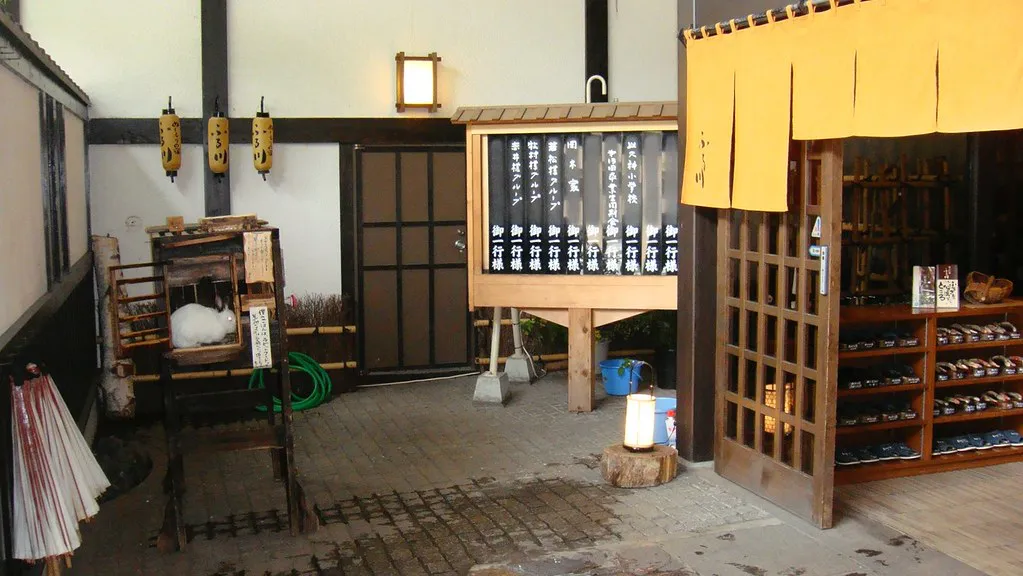
The atmosphere in the onsen town is cinematic and slightly eerie at night. Thick mist often rolls through the streets as steam vents release volcanic gases into the cool air. Wild deer occasionally wander near the forest edges, adding to the mystical feeling of the area.
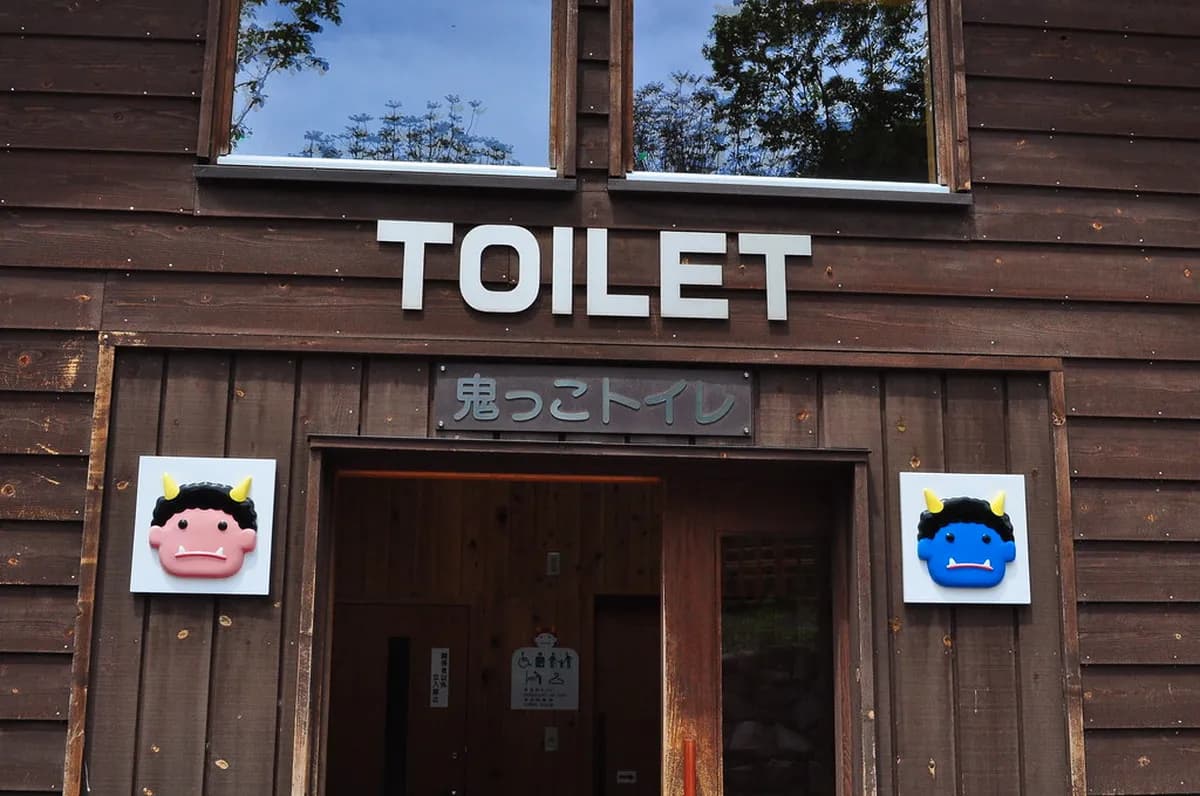
Walking through the main street reveals traditional shops and small shrines dedicated to demons. These 'Yukijin' or blue and red demons are the guardians of the hot springs. They appear in statues throughout the village to protect the residents and visitors alike.
Staying in this area allows you to experience the town's unique rhythm after the day-trippers leave. The evening brings a quiet calm that is perfect for a slow walk in your yukata. It is the best way to soak in the authentic spirit of Hokkaido.
Where to Stay in Noboribetsu: Top Ryokan & Hotel Picks
Noboribetsu Onsen village holds around 15 major hotels and ryokans, all clustered within a short walk of Hell Valley. Rooms fill fast during autumn foliage season (mid-October to early November) and the Hell Festival weekend in late August, so booking at least two months ahead is wise. Most properties include breakfast and dinner in the rate — confirm your meal preferences when reserving, as dietary requests need at least three days' notice.
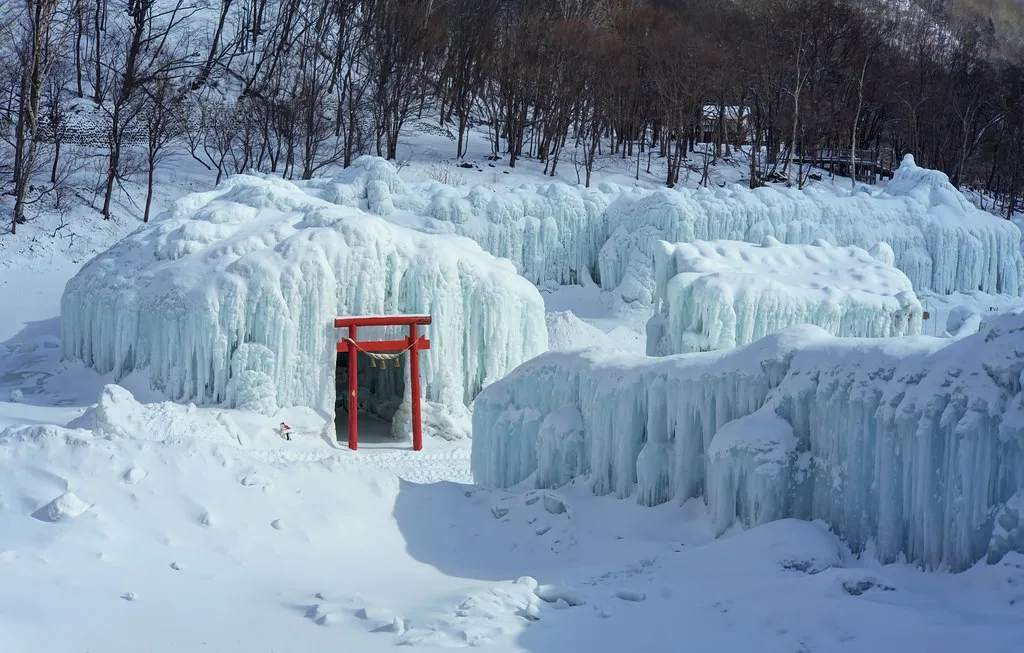
Dai-ichi Takimotokan is the historic original inn and still the most comprehensive bathing experience in town. The Grand Bath features 35 pools fed by five hot spring sources, with floor-to-ceiling windows overlooking Hell Valley. A day pass for non-guests costs ¥2,250 (09:00–16:00) or ¥1,700 (16:00–18:00). First-time visitors should strongly consider staying here.
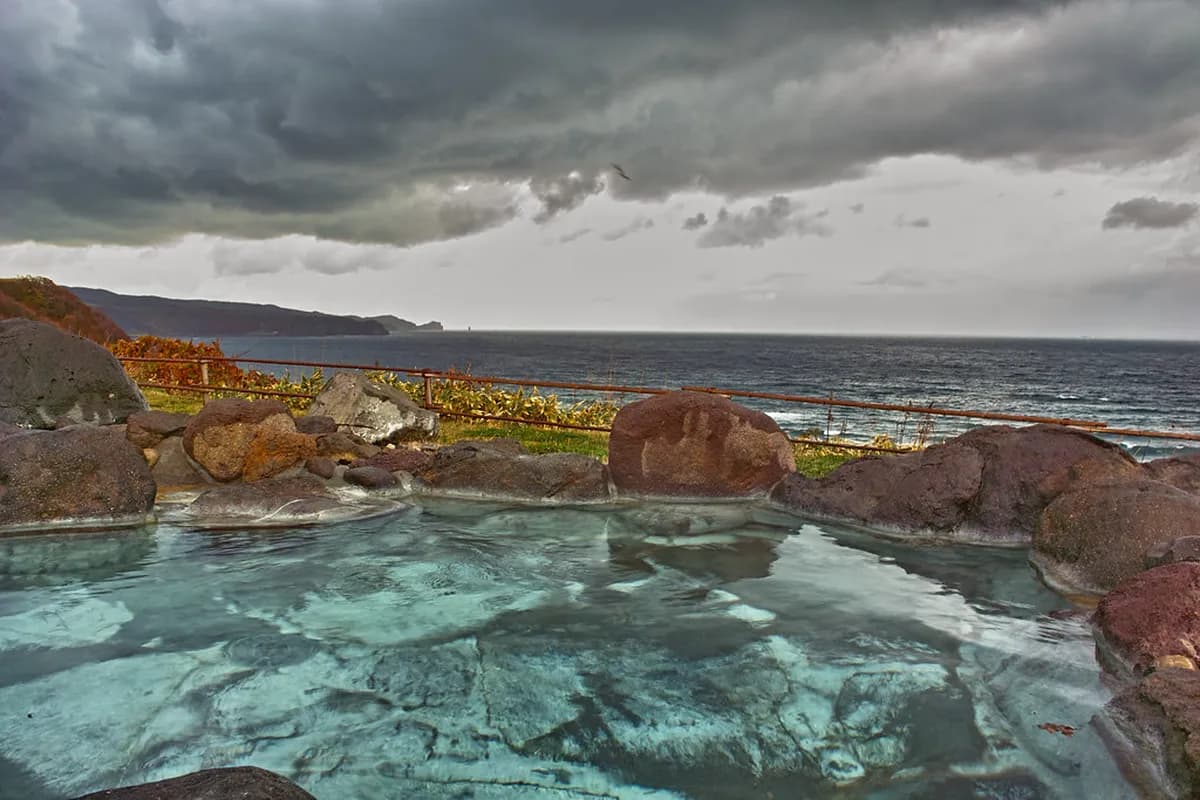
Noboribetsu Onsengo Takinoya is the best choice if tranquility matters more than variety. This smaller, design-forward ryokan has rooms that overlook the valley or forest, and many include a private outdoor rotenburo bath. The onsen is reserved exclusively for guests — no day passes are sold. Rates include breakfast and a kaiseki dinner. Capacity is limited, so it books out earlier than the larger hotels.
Noboribetsu Grand Hotel sits near the bus terminal and suits travelers who want a classic grand-hotel feel. It offers three types of hot springs including a domed Roman-style indoor bath and open-air pools set in a Japanese stone garden. A day pass is available at ¥1,500 for adults, ¥750 for children. For something larger and more variety-focused, Mahoroba is one of the biggest hotels in town with more than 30 bath types — including cypress tubs and sulfur pools — plus lavish seafood buffets.
Budget travelers have two solid options. Adex Inn is a sister property to Dai-ichi Takimotokan on the main street, meaning guests can access the Grand Bath next door at a discounted rate. For the lowest prices in the area, the Noboribetsu Guest House AKA & AO sits directly across from Noboribetsu Station (a 15-minute bus ride from the onsen village). Private compartment beds with breakfast included run around ¥3,000–¥3,500 per night. From there, you can take the Donan Bus to the onsen village (¥350–400) and pay a day-use fee at the Grand Hotel or Dai-ichi Takimotokan. You still get the full bathing experience at a fraction of the ryokan rate. See our guide on 12 Best Things To Do In Noboribetsu for how to make the most of your time regardless of where you sleep.
The Dai-Ichi Takimotokan Experience
The origin of Noboribetsu Onsen is a story of love. In the 1850s, a carpenter named Kinzo Takimoto traveled from Edo (present-day Tokyo) to Hokkaido for construction work. His wife Sata developed a severe skin condition called dermatosis, and Kinzo heard reports of a healing hot spring deep in the volcanic mountains. He carved a path through the rugged terrain to the valley of Jigokudani, built a small hut beside the springs, and had Sata bathe there until her condition cleared. Realizing the springs could help others, he opened a small inn. Among the first guests were Ainu people, who had known about the springs since the 13th century, and samurai stationed in nearby Shiraoi.
The inn grew into what is now Dai-ichi Takimotokan. In 1953, Kinzo's descendants renamed the property in his honor. Today it draws around 2.8 million visitors to Noboribetsu each year, making it one of the most visited onsen towns in Japan.
The Grand Bath is the centerpiece. It holds 35 pools fed by five of the nine hot spring sources found in the Noboribetsu area, covering sulfur, alum, ferrous sulfate, salt, and sodium spring types. Floor-to-ceiling windows frame a direct view of Hell Valley's steaming craters. The baths are open 24 hours for staying guests, and the outdoor rotenburo section — with sake service and forest views — is particularly popular. A family swimming pool with water slides operates in a separate mixed-gender area, which requires swimwear rather than the standard nude onsen protocol.
Staying here puts you within a five-minute walk of the Jigokudani boardwalk entrance. The hotel lobby effectively functions as the gateway to the valley, making it the most convenient base for early morning visits before day-trip crowds arrive by bus.
How to Get to Noboribetsu
The fastest option from Sapporo is the JR Limited Express Hokuto, which reaches Noboribetsu Station in about 1 hour 15 minutes (fare: ¥4,780). If you hold a JR Pass, this is the most comfortable choice. You can find more details on transit in our guide on Noboribetsu From Sapporo: 10 Essential Planning Tips for 2026 travel.
The budget alternative from Sapporo is the Chuo Bus from Sapporo Eki Mae (¥2,280), which stops at Noboribetsu before continuing to the station. Donan Bus also runs one direct service daily from Sapporo Eki Mae Stop No.7 at 13:40, arriving at Noboribetsu Onsen village in just under two hours (¥2,500) — this route skips the station entirely and drops you in the heart of the onsen town. Either bus option saves roughly ¥2,000 versus the train.
Travelers flying into New Chitose Airport can take a limited express directly to Noboribetsu Station in approximately one hour (fare: ¥1,880). This makes Noboribetsu one of the easiest onsen towns in Hokkaido to combine with arrival or departure from the airport. Driving from the airport takes about the same time via the Hokkaido Expressway, with highway tolls around ¥2,000–¥3,000. Most hotels in the onsen village offer free parking.
From Hakodate, the JR Limited Express Hokuto takes about three hours to Noboribetsu Station (¥7,460 without a rail pass). By car on the Hokkaido Expressway, the drive runs approximately 200 km and takes around three hours depending on conditions. Winter driving on Hokkaido roads requires experience with packed snow and black ice — rental agencies impose restrictions on inexperienced drivers from December through March.
Once at Noboribetsu Station, the Donan Bus bound for Noboribetsu Onsen departs from the stop just outside the exit. The ride takes 15 minutes and costs approximately ¥350–400. Taxis are available for around ¥2,500 per group, which is more practical if you have heavy luggage. Keep coins or an IC card handy for the bus fare.
Top Things to Do in Noboribetsu Onsen
Jigokudani, or Hell Valley, is the main attraction and the source of the town's hot springs. A well-maintained boardwalk winds through the volcanic crater past boiling ponds, yellow sulfur deposits, and hissing steam vents. The landscape has an almost Martian quality — patches of burnt orange and white mineral crust cutting through bare rock. Morning visits before 09:00 are best for photographs, as the steam is thickest in cool air and tour buses haven't yet arrived.
The Demon Fire night walk illuminates the Hell Valley boardwalks with LED lighting after sunset each evening, running until around 21:00 depending on the season. The combination of volcanic steam, colored lights, and darkness gives the valley a genuinely theatrical atmosphere that daytime visits cannot replicate. Night fog often rolls through the main street simultaneously, making the walk back through the demon statues feel like a scene from a Japanese horror film.
A 30-minute walk from the valley entrance leads to Oyunuma Pond, a sulfuric lake that smokes year-round and has a milky turquoise tint. Just beyond it, the Oyunuma Natural Footbath allows you to soak your feet in the warm stream that flows out from the lake — free of charge, with log seating along the riverside. Note that some trails in this area close during winter, so check current conditions before heading out.
The Enmado Shrine animatronic show is worth timing your walk around. The statue of Enma, the King of Hell, performs a short mechanical face-change routine with sound effects and lights at set times: 10:00, 11:00, 13:00, 15:00, 17:00, and sometimes 20:00 or 21:00. Each performance lasts about five minutes and is free. Beyond the shrine, the Bear Park on Mount Shihorei is accessible by ropeway (adults ¥2,600, children ¥1,300) and features Hokkaido brown bears and a reconstructed Ainu village at the summit. Date Jidaimura history park, located a few kilometers from the onsen village, is a full-scale recreation of an Edo-period town with samurai residences, geisha quarters, and live performances featuring ninjas and sword fights — an easy stop if you have a rental car or take a local bus.
Short Walk Noboribetsu Itinerary
Start your morning with a brisk walk through Hell Valley before the large tour buses arrive. The air is crisp, and the steam is most visible during the cooler morning hours. This 30-minute loop provides the best photo opportunities of the volcanic vents.
Follow the trail up to the Oyunuma Lookout for a panoramic view of the steaming lake. The path then descends toward the natural footbath in the forest. Spend 20 minutes relaxing your feet in the warm water while listening to the nearby stream.
Return to the town center for a lunch of local Hokkaido ramen or fresh seafood. Many small restaurants line the main street, offering hearty meals to fuel your afternoon. Look for shops selling 'Onsen Manju,' which are sweet steamed buns made with local spring water.
Finish your day with a visit to the Bear Park or a slow soak in your hotel's outdoor bath. If you have extra time, consider a short trip to see 15 Best Things to Do in Lake Toya by car. The evening is best spent watching the demon statues light up along the road.
Best Time to Visit and Festivals
Autumn is arguably the most beautiful time to visit when the valley turns red and gold. The peak foliage usually occurs between mid-October and early November. You should check the Best Time to Visit Noboribetsu: 8 Essential Planning Tips guide for updated seasonal forecasts.
Winter transforms the town into a snowy wonderland with a very different atmosphere. The contrast between the white snow and the rising steam is breathtaking. Many visitors enjoy the 'Yukimi-buro' experience, which means soaking in an outdoor bath while snow falls.
The Noboribetsu Jigoku Matsuri, or Hell Festival, takes place on the last weekend of August. Giant demon floats parade through the streets, and fireworks light up the night sky. It is the liveliest time of year, but hotels book up many months in advance.
Spring brings the blooming of cherry blossoms, though they arrive later here than in central Japan. Expect the flowers to peak in early to mid-May. The weather is mild, making it a perfect time for hiking the trails around the volcanic ponds.
Practical Tips for Your Noboribetsu Stay
Vegetarian and vegan travelers will find ryokan kaiseki difficult — most set meals center on Hokkaido seafood and local meats. The solution is to request a vegetarian kaiseki from Dai-ichi Takimotokan at least three days before arrival; their menu includes grilled tofu with miso, vegetable tempura, and mushroom rice. For standalone meals, Isekura Ramen on the main street is the most reliable option — the chef can put together a meat-free spicy ramen on request. Pizzeria Astra (60 Noboribetsuonsencho) serves a genuine margherita pizza. There is also a simple udon counter in town where you can order the fried tofu udon and ask for no fish sauce to make it vegan. Seicomart convenience stores carry onigiri, local Hokkaido dairy products, and hot snacks around the clock.
The seven mineral spring types in Noboribetsu each have distinct properties and appearances. Sulfur springs are milky white with a strong egg smell and are effective for chronic skin conditions. Salt springs are clear and odorless; they retain body heat long after you leave the bath, making them good for circulation. Iron springs have a reddish-brown tint and a metallic scent, and are traditionally associated with fatigue recovery. Sodium bicarbonate springs are known as beauty baths because the alkaline water emulsifies skin oils, leaving the skin noticeably soft. Alum springs are highly acidic and have historically been used to treat paralysis and wound healing. Always rinse off after soaking in mineral-heavy baths — leaving the water on your skin can cause irritation, and the sulfur will discolor jewelry and metal watch clasps.
For the cheapest way to soak if you are staying near the station, Yumoto Sagiriyu Onsen is the only true public bath in the onsen village and charges just ¥500 per adult. It is a retro, no-frills facility with none of the valley views or spa amenities of the big hotels, but the mineral water is the same. Bring your own towel and toiletries. Most other facilities at the ryokans accept guests for day-use bathing between 09:00 and 16:00.
Tattoos are not permitted in most communal baths in Japan, including the majority of Noboribetsu's public facilities. Dai-ichi Takimotokan has reportedly been more lenient in recent years, but verify before booking if this applies to you. Solo travelers should be aware that kaiseki dinners are typically designed for two or more guests — look for casual ramen or soba counters if you prefer eating alone. Read more expert advice on our Japan travel blog before you go.
Frequently Asked Questions
Is Noboribetsu worth a day trip from Sapporo?
Yes, Noboribetsu is a fantastic day trip option because it is only 70 minutes away by train. You can easily see Hell Valley and enjoy a day-use onsen before returning. However, staying overnight allows you to see the Demon Fire night walk. Learn more in our 12 Best Things To Do In Noboribetsu guide.
Which ryokans in Noboribetsu have private onsens?
Several high-end ryokans offer rooms with private outdoor baths for a more personal experience. Noboribetsu Onsengo Takinoya is the most famous luxury choice for this feature. Other hotels like the Grand Hotel offer private family baths that you can reserve for an hourly fee.
How do you get from Noboribetsu Station to the Onsen town?
You can take a local Donan bus from the stop right outside the station exit. The ride takes about 15 minutes and costs approximately 350 yen per person. Taxis are also available and cost around 2,500 yen, which is a good choice for groups with heavy luggage.
Choosing where to stay in Noboribetsu is the first step toward an unforgettable Hokkaido experience. Whether you pick a historic ryokan or a modern hotel, the healing waters will leave you feeling refreshed. The combination of volcanic wonders and traditional hospitality is truly unique.
Make sure to explore the trails and enjoy the local food during your visit. The demons of the valley are waiting to welcome you to their steaming home. Plan your trip today to see why this town remains Japan's top hot spring destination.
Free guide: Japan's Hidden Gems
12 under-the-radar places beyond Tokyo & Kyoto — with the best season to visit each and a local tip you won't find in the guidebooks.
You might also like

Continue reading
More guides you'll find useful