Noboribetsu Onsen Guide: 10 Essential Things to Know and Do
Discover Noboribetsu Onsen with our 2025 guide. Includes Hell Valley trails, the best ryokans, festival dates, and tips for visiting on a budget.
On this page
Noboribetsu Onsen stands as the most famous hot spring destination across the northern island of Hokkaido. This volcanic region produces over 10,000 tons of mineral-rich water every single day for local resorts. Visitors often travel here to experience the healing properties of nine distinct thermal water varieties.
The town feels like a hidden gem tucked away in the lush Shikotsu-Toya National Park. Steam rises from the gutters and riverbanks, creating a mysterious atmosphere that greets every new arrival. You will notice the distinct scent of sulfur as you walk through the charming main street.
Planning a trip for 2026 allows you to witness the raw power of nature in a comfortable setting. This guide covers everything from the volcanic trails of Hell Valley to the most luxurious traditional ryokans. Prepare for a journey that balances ancient legends with modern relaxation in Japan's premier spa town.
Useful resources: the Noboribetsu Onsen tourism association and Japan Guide's Noboribetsu page have up-to-date onsen and access details.
Noboribetsu Onsen: Hokkaido's Premier Hot Spring Town
This destination serves as a cornerstone of Hokkaido tourism because of its incredible geological diversity. Unlike smaller spring towns, this area offers a vast array of minerals in its piping hot waters. Scientists and travelers alike marvel at the natural abundance flowing from the earth here.
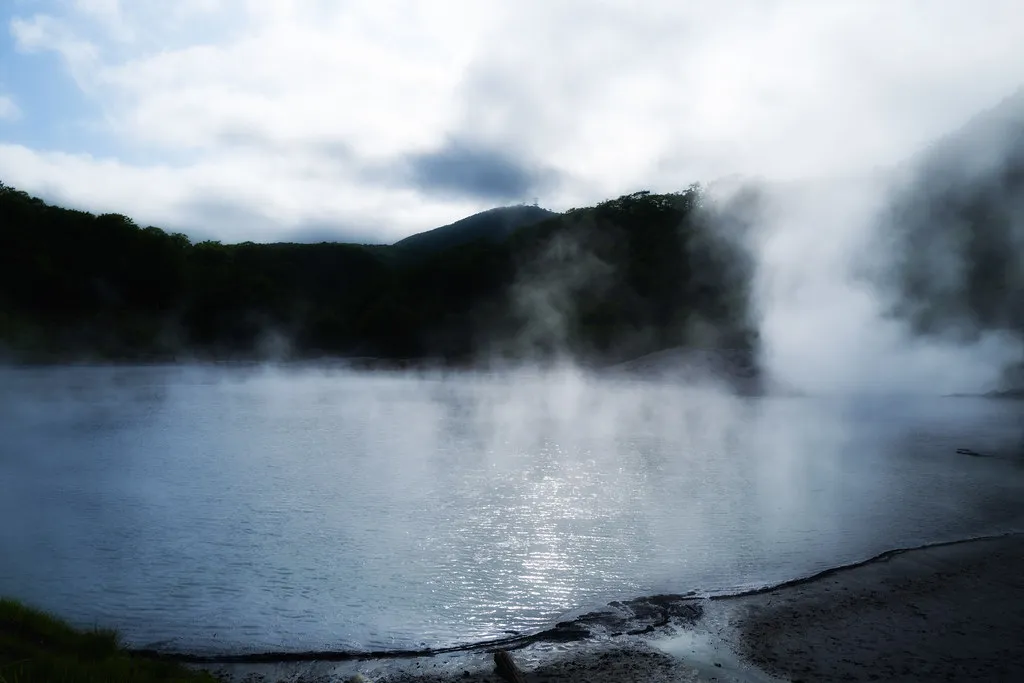
The local landscape was shaped by a massive eruption of Mount Hiyori thousands of years ago. Today, the resulting craters and vents provide a constant supply of heat for the surrounding hotels. Walking through the town center feels like stepping into a living, breathing volcanic laboratory.
Local residents take great pride in maintaining the natural beauty of their mountainous home. You can find statues of colorful demons, known as Oni, guarding various street corners and bridges. These mythical figures represent the spiritual protectors of the hot springs and the local community. Today, Noboribetsu draws around 2.8 million visitors annually, a legacy that traces directly back to one man's act of love.
The Legend of Kinzo Takimoto: A Story of Love
The history of this town is rooted in a genuinely touching narrative. In the 1850s, a carpenter named Kinzo Takimoto moved with his wife Sata from Edo — present-day Tokyo — to Hokkaido for a construction job. When Sata began suffering from severe dermatosis, a painful and relentless skin condition, Kinzo heard stories of a healing spring deep in the volcanic mountains and decided to investigate.
Kinzo forged a path through the rugged mountains into the harsh valley of Jigokudani. He built a small hut beside the hot springs and cared for Sata through the long Hokkaido winters. Miraculously, her condition improved as she bathed regularly in the mineral-rich water.
Realizing the springs could help others, Kinzo opened a small onsen inn to share the healing waters with the broader community. Among his earliest visitors were workers from nearby mines, samurai stationed in Shiraoi, and the indigenous Ainu people — who had known about the springs since at least the 13th century. In 1953, Kinzo's descendants renamed the inn Dai-ichi Takimotokan in his honor, and it remains the most celebrated ryokan in town to this day.
Getting to Noboribetsu Onsen: Transport Guide
Reaching this thermal paradise is straightforward whether you start in Sapporo, Hakodate, or New Chitose Airport. The standard route is by JR Limited Express train to Noboribetsu Station, followed by a short local bus ride up to the onsen district. The Donan Bus to Noboribetsu-Onsen Bus Terminal runs roughly every 30–60 minutes and costs ¥350; the ride takes about 15 minutes.
If you are coming from Sapporo, check our guide on how to get to Noboribetsu from Sapporo for specific schedules. The JR Hokuto Limited Express covers the 110 km journey in about 1 hour 15 minutes (fare: ¥4,780). A single direct highway bus also runs daily from Sapporo Eki Mae at 13:40 and takes 1 hour 50 minutes (fare: ¥2,500), which is the cheapest option if it fits your timetable.
From Hakodate, the same Hokuto Limited Express runs north and stops at Noboribetsu Station in about 2 hours 33 minutes (fare: ¥7,460). Drivers from Sapporo should follow the Hokkaido Expressway (道央自動車道) and exit at Noboribetsu-Higashi Interchange (登別東IC); expect about 1.5 hours and ¥3,000 in tolls. In winter, be prepared for heavy snow on the mountain roads — all-season or studded tires are mandatory.
From Heaven to Hell: Exploring Hell's Valley (Jigokudani)
Jigokudani, or Hell Valley, serves as the primary source of the town's famous hot spring water. This spectacular crater features yellow-gray cliffs and steaming vents that create an otherworldly appearance. A series of wooden boardwalks allow you to walk safely through the heart of the volcanic activity.
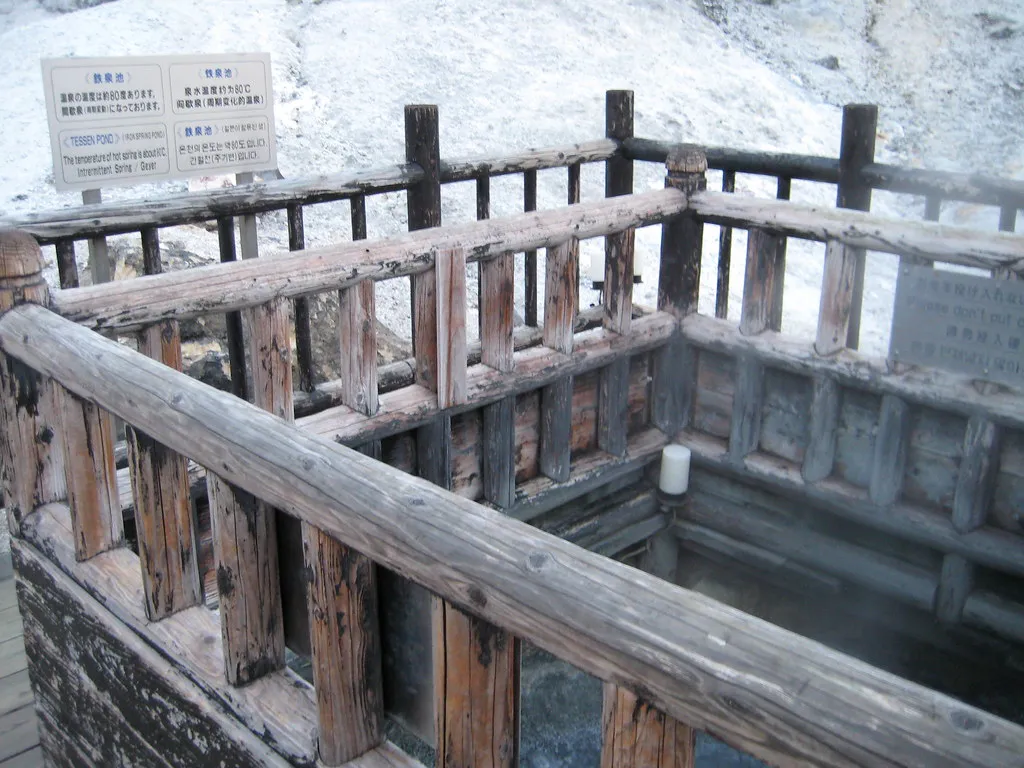
Be sure to visit the Tessen Ike geyser, which bubbles up in the center of the valley. The sight of boiling water erupting from the ground reminds every visitor of the earth's raw power. You can find more details on these trails in our list of 12 Best Things To Do In Noboribetsu to visit.
Follow the forest paths further up the hill to reach the steaming Oyunuma Pond. This large body of sulfurous water maintains a surface temperature of around 50 degrees Celsius. The nearby natural footbath in the Oyunuma River offers a relaxing break — bamboo seating lines the river bank and padded mats are free to use. From the footbath, a short further trail leads to Okunoyu Pond, where Sika deer regularly graze around the water's edge.
The main boardwalk loop through Hell Valley takes most visitors about 45 minutes at a relaxed pace. The climb to the Oyunuma observation deck adds roughly 20 minutes and involves a moderately steep path with some uneven stone steps — comfortable walking shoes are essential. Note that the road to Oyunuma Pond is closed to vehicles in winter, so if you visit between November and April you will need to hike in on foot; the path can be icy, so trekking poles or ice spikes are strongly recommended.
Where to Stay: Best Ryokans and Hotels in Noboribetsu
Choosing the right accommodation is essential for a complete hot spring experience in Hokkaido. Many guests look for a traditional ryokan that includes multi-course kaiseki meals and private bath access. These establishments provide a deep dive into Japanese culture and relaxation techniques.
Dai-ichi Takimotokan is the original onsen inn and the most comprehensive choice for first-time visitors. Its Grand Bath complex holds 35 different pools fed by five spring types, with floor-to-ceiling windows overlooking Jigokudani. A day pass for non-guests costs ¥2,250 (adults, 09:00–16:00) or ¥1,700 (16:00–18:00).
For a truly high-end experience, consider booking a stay at the Noboribetsu Onsen Takinoya for its elegant design. This property is famous for its serene atmosphere and beautiful forest views from the outdoor baths. Unlike the larger hotels, Takinoya does not offer day passes — the onsen is reserved exclusively for overnight guests, which keeps the baths unusually peaceful.
Families and larger groups often prefer the Noboribetsu Grand Hotel, which features a domed Roman-style indoor bath and landscaped outdoor pools in a traditional garden. Day passes here are ¥1,500 for adults. Our detailed breakdown of Where To Stay In Noboribetsu: Best Ryokans & Hotels Guide" covers options for every budget and preference.
Top Onsen Experiences: From Dai-Ichi Takimotokan to Local Baths
The sheer variety of mineral water in this town is unmatched by any other Japanese resort. Noboribetsu sits above nine distinct spring sources, and the town's ryokan tap into several of them simultaneously. Each type of water carries a different scent, color, and set of therapeutic properties — bathing in a lineup of three or four pools in a single session is entirely normal here.
Dai-Ichi Takimotokan is the most famous facility, featuring over thirty different baths in a single complex. This massive hall overlooks the steaming cliffs of Hell Valley, providing a dramatic backdrop for your soak. It is the only place where you can try almost every water type in one session.
The five spring types you are most likely to encounter across the major ryokan are: sulfur (milky white, high acidity — effective for chronic skin conditions like psoriasis and eczema), alum (clear, very acidic — historically used to treat wounds and tighten pores), ferrous sulfate (reddish-brown with a metallic note — warms the body deeply and helps with circulation), salt (often called a "heat bath" for its ability to keep you warm long after you step out), and sodium bicarbonate (known locally as a "beauty bath," it emulsifies skin fats and leaves skin noticeably smooth). The remaining spring types include simple hot spring water (単純泉), iron-alum, and acidic sulfate — less common but found in some of the older bathhouses along the main street.
Day-trippers can enjoy these facilities without staying overnight by purchasing a bathing pass. Most hotels open their doors to non-guests between 09:00 and 18:00. This allows budget-conscious travelers to experience world-class springs while staying in nearby cities like Muroran.
What Else to Do: Enmado, Sengen Park, and Local Food
Between soaks, Noboribetsu town has several compact attractions that reward an afternoon of wandering. The Enmado Hall, located in the center of the onsen strip, houses an animatronic Enma Daio — the King of Hell — who delivers a theatrical performance with dramatic lighting and a face-swap effect. Shows run several times daily (typical showtimes: 10:00, 11:00, 13:00, 15:00, 17:00, and 21:00) and entry is free. It is kitschy in the best possible way.
Sengen Park sits just off the main street and is home to a natural geyser that erupts roughly every three hours, sending a powerful cloud of steam and boiling water skyward for around 50 minutes. The park is also the venue for the summer Demon Fireworks (see below). A short walk up the stone stairs beside Dai-ichi Takimotokan leads to the peaceful Yuzawa Shrine, where a small shop sells hand-painted Daruma dolls.
For food, Noboribetsu has earned a specific culinary reputation built around spicy ramen. This style — rich pork broth loaded with chili oil and crunchy vegetables — is a Hokkaido specialty that the town has made its own. Enmaken Ramen on the main street is the most popular spot among locals, known for its deeply flavored broth. Onsen tamago (eggs slow-cooked in the hot spring water) are sold at several stalls near the Hell Valley entrance and make an ideal mid-hike snack.
Attending the Noboribetsu Jigoku Matsuri (Hell Festival)
The Jigoku Matsuri is the biggest event of the year, held annually on the last weekend of August. Legend says that the gates of hell open during this time, allowing the Enma Daio to visit the mortal world. The town erupts in celebration with massive demon parades and traditional Taiko drumming that echoes through the valley.
The main parade moves along the central onsen street, starting near the bus terminal and finishing at the entrance of Jigokudani. A giant mechanical Enma Daio towers over the cheering crowds from a purpose-built float, while local residents dressed as red and blue Oni dance and drum alongside. The best viewing positions are along the road directly in front of Dai-ichi Takimotokan, where the parade slows for performances. Arrive at least an hour before the evening parade to claim a spot on the raised pavement.
Many shops offer special demon-themed snacks and souvenirs only available during this festive weekend. Book ryokan rooms two to three months in advance if you plan to attend — the festival weekend sells out faster than any other period in the calendar.
Watching the Demon Fireworks (Oni-hanabi)
Summer visitors should not miss the Oni-hanabi, or Demon Fireworks, held at Sengen Park near the entrance of Hell Valley. This unique performance features local men dressed as Oni who launch hand-held fireworks into the night sky. The resulting showers of sparks against the background of rising volcanic steam create a mesmerizing display that is entirely unique to Noboribetsu.
These events typically take place on Thursday and Friday nights throughout June and July. The performance begins at the Sengen Park geyser area, so arriving 20–30 minutes early gives you time to find a clear sightline on the slope overlooking the park. The demons drum and chant to protect the town's precious hot spring resources before the fireworks begin.
Entry to the viewing area is free, but space fills quickly. Wear comfortable shoes, as the best vantage points are on uneven grass slopes. The combination of fire, smoke, and volcanic steam rolling in from Hell Valley produces an atmosphere impossible to replicate anywhere else in Japan.
How to Visit Noboribetsu On A Budget
Visiting a famous hot spring town does not have to break your travel budget. The biggest saving is on accommodation: staying at Park Hotel Miyabitei gives you a clean, comfortable base with decent onsen facilities at a fraction of a flagship ryokan's cost. Alternatively, the Noboribetsu Guest House AKA & AO near the train station offers private pod-style beds for around ¥2,500 per night with breakfast included; a 15-minute bus ride (¥350 each way) gets you up to the onsen district.
Many of the best attractions in the area, including Hell Valley, the Oyunuma footbath, and the Sengen Park geyser, are completely free. You can spend an entire day hiking through the volcanic landscape without spending a single yen on tickets. Once you reach the onsen district, use a day-pass at the Noboribetsu Grand Hotel (¥1,500 adults) for the most budget-friendly route into a proper multi-pool bath complex.
Consider visiting as a day trip if overnight stays seem too expensive. The JR Hokkaido Rail Pass covers the train journey from Sapporo, making transport costs manageable. Pack lunch from a convenience store in Sapporo — prices in the onsen town are noticeably higher — and you can enjoy a full experience and return to a cheaper hostel in the city by evening.
Spending Longer Around Noboribetsu: Nearby Attractions
If you have extra time, the Noboribetsu Bear Park ropeway offers a unique look at Hokkaido's famous brown bears. A ropeway ride takes you to the top of Mount Shihorei, where the summit also holds a recreated Ainu village — a quieter cultural stop that most visitors skip in favor of the bears. Adult tickets run ¥2,600 (children ¥1,300) and include the ropeway.
History buffs will enjoy the Noboribetsu Date Jidai Village, which recreates a town from the Edo period. You can watch ninja shows and traditional theater performances in an immersive historical setting. It provides a fun contrast to the natural volcanic wonders found elsewhere in the valley.
For a change of scenery, many travelers take a short trip to see 15 Best Things to Do in Lake Toya during their stay. This beautiful caldera lake offers boat cruises and scenic viewpoints just an hour away by car or bus. Combined with a visit to Mount Yotei or the Jozankei onsen town further north, it makes for an excellent multi-day southern Hokkaido circuit.
Frequently Asked Questions
Where is Noboribetsu Onsen located?
Noboribetsu Onsen is located in the southwestern part of Hokkaido, Japan, within the Shikotsu-Toya National Park. It sits about 110 kilometers south of Sapporo and is easily accessible by train or bus. The town is famous for its dramatic volcanic landscape and proximity to the Pacific coast.
How much time should you plan for Noboribetsu Onsen?
You should plan at least one full day to explore the main trails and enjoy a long soak. Most visitors find that staying overnight for two days allows for a more relaxed experience. This schedule gives you enough time to visit Hell Valley and the nearby Bear Park without rushing.
Is Noboribetsu Onsen worth visiting on a short Hokkaido trip?
Yes, it is absolutely worth visiting because it offers a unique volcanic experience that is rare in other parts of Japan. Even a day trip provides enough time to see the highlights of Hell Valley. Check the Best Time to Visit Noboribetsu: 8 Essential Planning Tips to ensure the weather fits your plans.
Noboribetsu Onsen remains a must-visit destination for anyone traveling through Hokkaido in 2026. The combination of healing mineral waters and stunning volcanic scenery creates a truly unforgettable travel experience. Whether you seek luxury or adventure, this town offers something special for every type of visitor.
From the romantic legend of Kinzo Takimoto to the explosive energy of the Demon Fireworks, the local culture is rich and inviting. Take the time to soak in the different springs and walk the trails of Hell Valley to feel the earth's power. Your body and mind will thank you for the restorative break in these famous steaming pools.
Start planning your journey today to secure the best ryokan rooms and festival viewing spots. This hot spring paradise is waiting to welcome you with its warm waters and ancient traditions. Enjoy the natural beauty and the unique demon-guarded charm of Hokkaido's premier onsen town.
Free guide: Japan's Hidden Gems
12 under-the-radar places beyond Tokyo & Kyoto — with the best season to visit each and a local tip you won't find in the guidebooks.
You might also like


Continue reading
More guides you'll find useful