10 Best Areas and Hotels in Furano (2026)
Discover where to stay in Furano with our guide to the best ski-in/ski-out resorts, traditional ryokans, and budget-friendly village stays for winter and summer.
On this page
I have explored the powdery slopes of Kitanomine and the vibrant lavender hills of Farm Tomita during three separate trips to central Hokkaido. Choosing the right base in this region depends entirely on whether you are chasing world-class snow or summer blooms. Our editors have vetted these locations to ensure you avoid the logistical headaches common in this sprawling rural landscape.
This guide was last refreshed in October 2025 to reflect updated 2026 pricing and new transport routes from Sapporo. Understanding the Best Time to Visit Furano: 10 Seasonal Guides and Tips is the first step in deciding which neighborhood suits your itinerary. We prioritize properties that offer genuine convenience rather than just a famous name.
Furano is split into several distinct zones that often confuse first-time visitors. The gap between the main village and the ski slopes takes about 20 minutes to bridge by local bus. My first stay near the station taught me that proximity to trains does not always mean proximity to the action.
Useful resources: the official Furano Tourism Association and Biei Tourism sites list current flower-season timing, hours and access.
Navigating the Geography of Furano Stays
The city of Furano is essentially divided into the Kitanomine Zone, the Furano Zone, and the downtown village area. Skiers typically prefer Kitanomine for its direct lift access and density of Western-style pensions. The Furano Zone is dominated by large resort hotels that provide a more self-contained vacation experience.
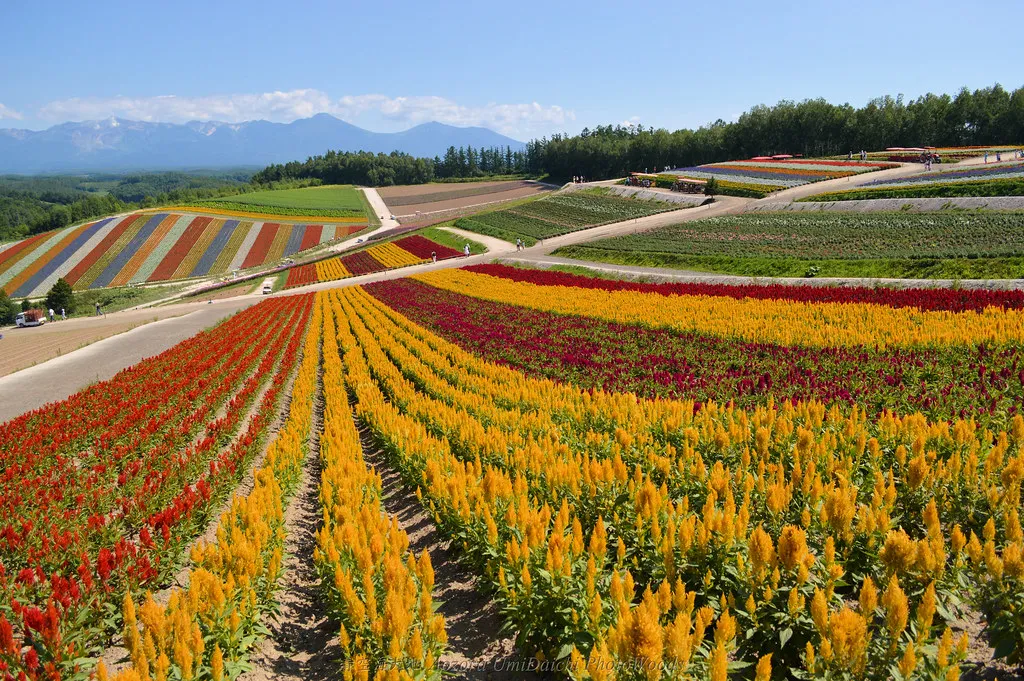
Summer visitors should look toward the outskirts or the neighboring town of Biei for better flower field access. Staying in the downtown area offers the best access to local izakayas and the main train station. Keep in mind that the 5-kilometer distance between the station and the ski area requires a taxi or shuttle.
During the peak winter months, the Furano in Winter: 9 Essential Things to Know experience is heavily focused on the Kitanomine side. Most international travelers find the variety of dining options here more accessible than the resort-run restaurants. Prices in this zone tend to fluctuate wildly between the snowy season and the quiet spring months.
Kitanomine Zone: Best for Ski-in/Ski-out Access
Kitanomine is the livelier of Furano's two ski zones and the first choice for independent travelers who want slope-side convenience without committing to a full resort package. The gondola base station sits within a 5-minute walk of most pensions and mid-range hotels here. Lifts run from 08:30 to 16:00, with night skiing available on select trails until 20:30 during peak January and February weeks.
The zone clusters a solid mix of European-style pensions, smaller lodges, and the Edel Warme Hotel along its main strip. Prices for a standard double room range from ¥15,000 to ¥30,000 (roughly ¥15K–¥25K in shoulder winter) and most properties include breakfast. The smaller guesthouses in Kitanomine also tend to have English-speaking staff or at least trilingual signage, which makes them noticeably easier for non-Japanese travelers than the large resort hotels.
One specific advantage Kitanomine has over the Furano Zone is its street-level dining. You can walk to ramen shops, craft beer bars, and ski rental outlets without touching a shuttle bus. During the quieter summer months this same area is tranquil but sleepy, so only choose it for a summer stay if you have a rental car.
- Edel Warme Hotel: European-style fireplace lounge, free shuttle to lifts every 30 minutes during morning rush; doubles from ¥18,000.
- Tsuru Apartments: self-catering two-bedroom units from ¥35,000/night, ideal for groups or stays of five or more nights.
- Smaller pensions (Fuurin, Alpen, others): shared or private bath options from ¥12,000 including dinner and breakfast; must book three to six months ahead for January.
Furano Zone: Best for Families and Large Hotels
The Furano Zone is Prince Hotel territory. The New Furano Prince Hotel and the Shin Furano Prince Hotel together anchor this side of the mountain, offering ski rental, multiple restaurants, onsen facilities, and a ski school under one roof. If you are traveling with children or prefer not to navigate the village for meals after a day on the slopes, this is the most convenient base.
The New Furano Prince Hotel is the flagship. Its grounds include the famous Ningle Terrace forest cabins craft village and Soh's Bar, a forest bar accessible by a lantern-lit path. Rooms run from ¥30,000 to ¥60,000 per night during the ski season and the hotel's onsen baths stay open until midnight for guests. Check-in is at 15:00; early luggage storage is available from 10:00.
The Shin Furano Prince Hotel sits adjacent and is slightly more affordable at ¥22,000 to ¥45,000. It shares some facilities with the New Prince but has more traditional room layouts and its own dedicated ski school check-in counter. Both hotels require reservations six months or more in advance for Christmas through New Year, when rates can jump 40 to 60 percent above the standard winter tariff.
Furano Village: Best for Local Dining and Culture
Furano Station and the downtown village area sit roughly 20 minutes from Kitanomine by local bus and about 10 minutes from the Furano Zone by taxi. This commute is the single most important factor to understand before booking here in winter. If your plan is to ski every day, the village adds friction. If you want a genuine taste of Hokkaido small-town life — izakayas, the morning market, the local cheese factory, affordable ramen — it is the best option.
The Furano Natulux Hotel is the standout choice for transit-dependent travelers. It sits directly across from Furano Station, making early-morning JR departures toward Sapporo or Asahikawa effortless. Standard rooms cost ¥12,000 to ¥20,000 and check-out at 10:00 aligns well with morning train schedules. The ground-floor restaurant serves a Hokkaido dairy breakfast that rivals the resort hotels at a fraction of the price.
Village accommodation works best as a base for summer visitors. Lavender bus routes (the Furano-Biei Norokko train and the Lavender Bus) depart from near the station between late June and mid-August, connecting directly to Farm Tomita and the main flower fields. Getting Furano From Sapporo: Your Essential 1-Day Itinerary & Guide via the JR Furano Line is straightforward, and the village is walkable once you arrive. For winter skiers, though, factor in the ¥600–¥800 taxi one-way or the 20-minute shuttle wait each morning and evening.
Biei and Surrounding Areas: Best for Summer Flower Fields
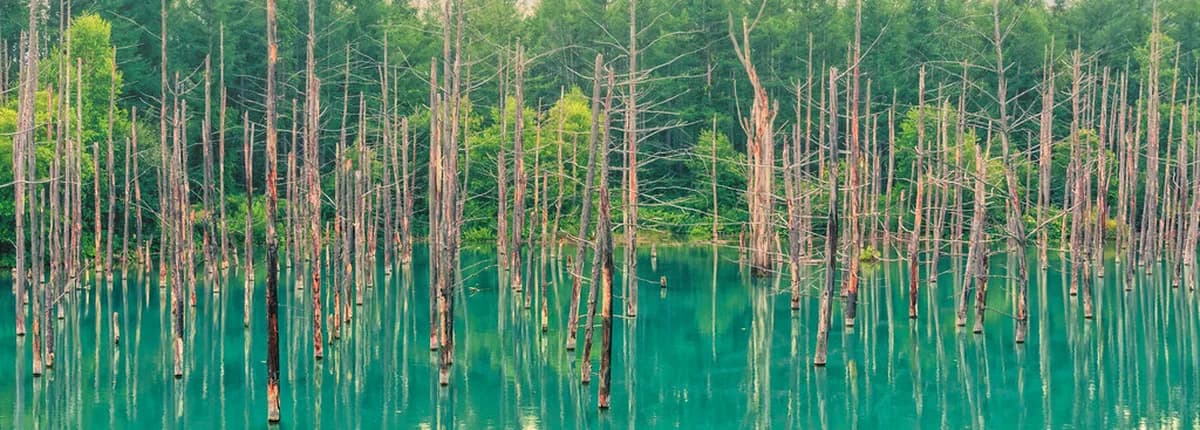
Biei is 20 minutes north of Furano by train and sits at the center of the famous patchwork hills and flower fields that define Hokkaido's summer image. Staying here rather than in Furano cuts your travel time to spots like the Blue Pond, the Shikisai-no-Oka flower hill, and the Ken and Mary Tree substantially. It is the better base if the lavender fields are your primary goal and you are visiting between late June and mid-August.
Pension Ashitaya is the most-cited guesthouse in the area: a wooden property in the rolling hills about 15 minutes from Biei Station by car, with rates of ¥14,000 to ¥20,000 including a home-cooked Japanese breakfast. Car access is essential for the Biei countryside. The JR Biei Station is served by the Furano-Asahikawa line, but the best viewpoints and guesthouses sit 5 to 15 minutes off the main road. Rental cars are available from Asahikawa Airport (40 minutes) and from Furano Station in limited numbers during peak summer.
Biei becomes very quiet from October through April. Most flower-field pensions close for winter, and the few that stay open cater almost exclusively to photography groups visiting the snow-covered hills. If you are combining a Biei stay with a ski trip to Furano, plan the nights separately: book Biei for summer nights and a Kitanomine pension for ski nights rather than commuting between the two daily.
Top-Rated Ryokans and Luxury Stays in Furano
For those seeking a more traditional Japanese experience, several high-end ryokans provide exceptional service. According to Furano Hotel Ryokan Details, these properties often feature private hot spring baths. This is a particularly important detail for travelers with tattoos, who may face restrictions in public or shared onsens — Furano Hotel explicitly lists private baths available for tattoo wearers, couples, and families.
Furano Hotel sits on a 116,000-square-meter garden, offers all-Tokachi-mountain-view rooms, and is reached by a one-hour bus from Asahikawa Airport to Furano Station followed by a 10-minute taxi. The hot spring water here is classified as a chloride spring. Rates are in the ¥40,000 to ¥80,000 range per person with dinner and breakfast (kaiseki course meals sourced from Hokkaido farms), making it a genuine splurge but one that eliminates the need to find restaurants in the evening.
Japanese etiquette in ryokans requires washing thoroughly at the shower stations before entering any soaking tub. Most ryokans provide a yukata robe suitable for wearing throughout the premises in the evening. Dining reservations at the flagship ryokans should be confirmed at least three days before arrival, and meal times are typically fixed at 18:00 or 18:30. Read through the TripAdvisor Furano Hotel Reviews for the most current guest comments on seasonal menus.
Booking Windows and Seasonal Pricing in Furano
Furano's pricing calendar has two hard peaks and two quiet valleys. Winter peak runs from late December through early March, with Christmas–New Year and the February powder peak attracting the densest demand. Kitanomine pensions routinely sell out by August for January slots. Lavender peak covers mid-July to early August; Farm Tomita-adjacent accommodation fills by April for those dates. Outside these four weeks, Furano is one of the most affordable ski destinations in Hokkaido — a direct contrast to Niseko, where even shoulder-season rates have risen sharply since 2023.
The shoulder windows that deliver the best value are late November to mid-December (slopes open but before Christmas crowds) and September (flower fields done, hiking season, onsen fully operational). In November you can find Kitanomine pensions at ¥10,000 to ¥13,000 including meals. September is even cheaper, with the same properties at ¥8,000 to ¥11,000. The Furano Prince hotels also run early-bird winter packages from May through September that include lift passes at rates 20 to 30 percent below walk-in winter prices.
One practical detail that most guides skip: the lavender fields of 8 Best Spots and Tips for Furano Lavender peak in the third week of July, but accommodation prices start rising a full three weeks before that. If you want the best compromise of flowers and rates, aim for the first week of July — the lower fields at Farm Tomita are already blooming, the crowds are thinner, and most hotels are still at their June base rates.
Is Furano Worth Visiting Without a Car?
Many travelers worry about navigating this rural area without a rental vehicle. While a car offers the most freedom, the Lavender Bus and the Kururu Bus provide decent coverage during peak seasons. Getting Furano From Sapporo: Your Essential 1-Day Itinerary & Guide is easy via the JR train or the Chuo bus line.
Taxis are available but can be expensive and difficult to hail on the street during winter storms. If you stay in Kitanomine, you can walk to most restaurants and the ski lifts within ten minutes. The train station area is also very walkable for those focusing on dining and local shopping.
Summer visitors will find it harder to reach remote spots like the Blue Pond without a car. Consider booking a guided day tour or a private taxi for a few hours to see the distant sights. Most hotels can help you call a taxi, but expect a 15-minute wait during the dinner rush.
Frequently Asked Questions
Is it better to stay in Kitanomine or the Furano Zone?
Kitanomine is better for independent travelers who want a variety of bars and restaurants within walking distance. The Furano Zone is ideal for families who prefer the convenience of a large resort with all amenities on-site.
Where should I stay in Furano for the lavender season?
Stay near the Winery Hill or the Highland Furano area to be closest to the most famous flower fields. If you have a car, the rolling hills of Biei offer the most picturesque and quiet summer accommodation options.
Which Furano hotels offer ski-in/ski-out access?
The New Furano Prince Hotel and the Shin Furano Prince Hotel offer the most direct access to the slopes. Some smaller pensions in the Kitanomine area are within a 50-meter walk of the gondola station.
Whether you are here for the world-class powder or the summer blooms, your choice of where to stay in Furano will define your trip. Kitanomine offers the best social atmosphere, while the resort hotels provide unmatched convenience for families. Take the time to consider your transport options before confirming your booking.
I always recommend splitting your stay if you have more than four days in the region. Spend a few nights in the heart of the ski action and then move to a quiet ryokan or a Biei day-trip base for a different perspective. Hokkaido's hospitality is legendary, and you are sure to find a warm welcome regardless of which neighborhood you choose.
Free guide: Japan's Hidden Gems
12 under-the-radar places beyond Tokyo & Kyoto — with the best season to visit each and a local tip you won't find in the guidebooks.
You might also like


Continue reading
More guides you'll find useful