12 Best Things to Do in Biei & Furano (2026 Travel Guide)
Discover the 12 best things to do in Biei, Hokkaido, from the Shirogane Blue Pond to the Patchwork Road. Includes seasonal tips for summer flowers and winter photography.
On this page
After three visits to Hokkaido over five years, Biei and its neighbor Furano remain two of my absolute favorite regions. This guide, last refreshed in January 2026 after my winter return visit, offers a curated list of activities. Known for its rolling hills, vibrant flower fields, and picturesque winter landscapes, Biei offers a unique slice of rural Japan. Whether you're chasing lavender blooms or frosted trees, this guide will help you discover the best of the area.
Often grouped with Furano, Biei presents a distinct charm, inviting travelers to explore its iconic natural beauty. From the mystical Blue Pond to the sprawling Patchwork Road, there's a magic here that captures the heart. This list focuses on experiences that truly define a visit, blending iconic sights with unique local flavors. Prepare to be enchanted by Hokkaido's scenic heartland.
Useful resources: the official Furano Tourism Association and Biei Tourism sites list current flower-season timing, hours and access.
Admire the Shirogane Blue Pond
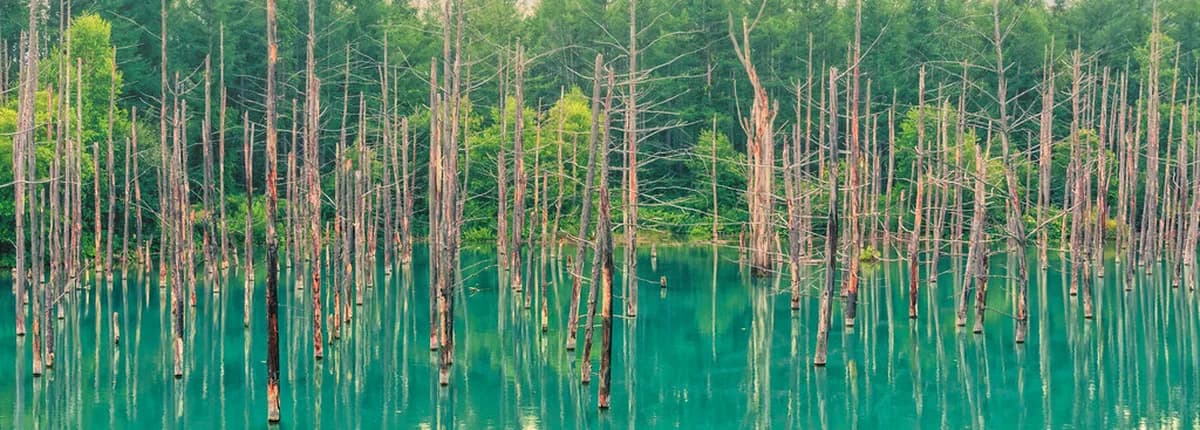
The Shirogane Blue Pond is Biei's single most photographed landmark, and with good reason. It was created as part of a volcanic mudflow control project along the Biei River, and the distinctive turquoise-blue color comes from naturally occurring aluminum hydroxide that scatters sunlight. The hue shifts noticeably throughout the day — deepest blue under midday sun, almost jade-green at dusk — so photographers often visit twice.
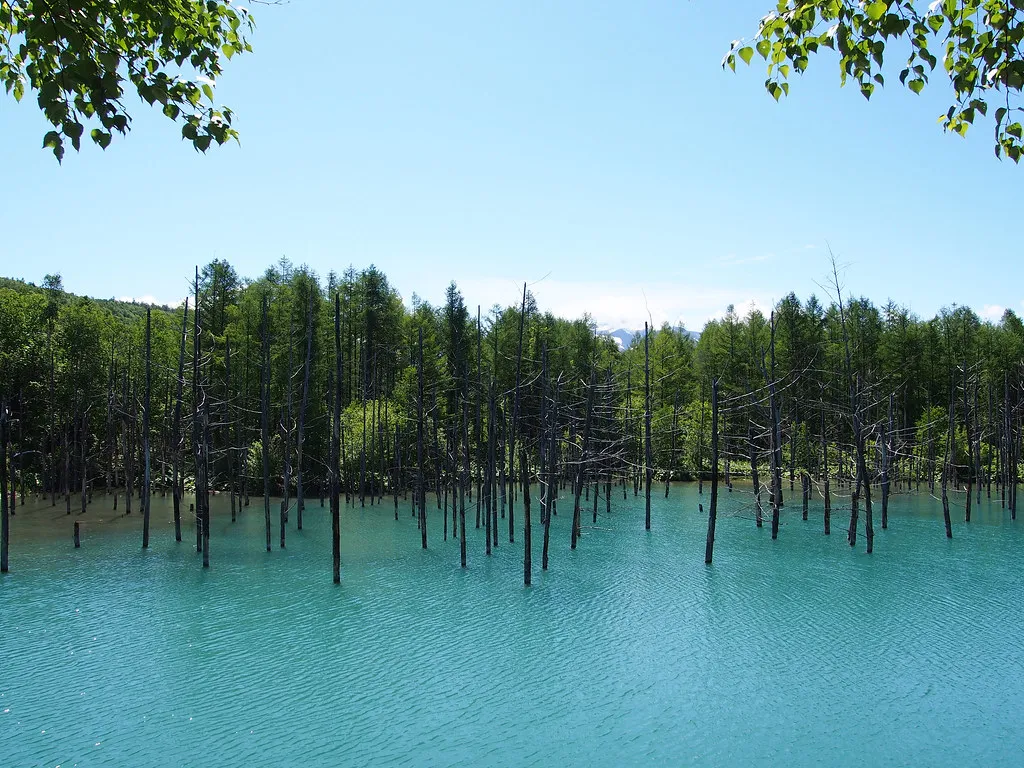
In winter the pond freezes over and the surrounding larch trees stand bare and white. The real draw from November through April is the nighttime illumination, which runs from roughly 16:30 to 22:00 (check the Biei Tourism site each year for exact dates). The light show turns the ice sheet an otherworldly electric blue. Entry to the pond viewing area is free; parking costs 500 JPY. Plan 30–60 minutes.
Just eight minutes by car from the Blue Pond, the Shirahige Waterfall is worth combining into the same loop. Fed by underground hot springs rather than surface runoff, the waterfall never fully freezes in winter — a rare sight. The turquoise Biei River below it picks up the same mineral coloring as the Blue Pond, so the two feel like a matched pair. Visit Shirahige during the day and return to the Blue Pond at dusk for the illumination; the round trip from Biei town takes under two hours.
Wander the Flower Fields of Furano
Furano's flower fields operate on a rolling seasonal calendar that runs from late June through mid-September. Rape blossoms and poppies open first in June, lavender peaks in mid-July, then sunflowers, cosmos, and marigolds carry the color into August and September. If you arrive expecting pure lavender but it's late August, you'll still find full fields — just in different colors.
The most important single farm is Farm Tomita, set against the backdrop of the Tokachi Mountain Range in Kamikawa Subprefecture. Entry is free and opening hours during summer run 08:30–17:00. The farm's Irodori Field layers seven varieties of flowers in rainbow rows and is reliably photogenic even outside peak lavender. The lavender ice cream here (around 400 JPY) has its own fan following. Check the Farm Tomita bloom calendar before you go — lavender peaks roughly 10–25 July, but the exact window shifts by a week each year.
Four kilometres east of the main farm, Lavender East holds 14 hectares of lavender — the largest single field in Furano. It is significantly less crowded than the main farm during peak season and operates a Lavender Bus tractor ride through the field. Flower Land Kamifurano, a few kilometres north, offers cart rides and hands-on lavender cutting workshops. Budget half a day to cover all three if you're serious about the flowers.
Explore Farm Tomita and the Seasonal Bloom Cycle
Farm Tomita deserves its own section because it operates year-round and the experience changes dramatically by month. The table below gives a practical overview for planning purposes.
- June: Rape blossoms, poppies, lupins. Quiet crowds. Lavender just starting at month's end.
- Mid-July (peak): All lavender fields in full color. Longest lines, most visitors. Arrive before 09:00 or after 15:00.
- August: Lavender fades but sunflowers, salvia, and marigolds take over. Far fewer crowds, equally photogenic.
- September: Cosmos and late marigolds. Cool weather. Some facilities reduce hours from mid-month.
- October–May: Main farm open with reduced hours (09:00–16:30); some flower houses stay open year-round. Lavender East and seasonal cart rides closed.
The farm's gift shop sells dried lavender, lavender oil, and seasonal preserves. The small on-site restaurant serves lavender soft serve alongside seasonal specials. If lavender is the sole reason you're making the trip, mid-July is the only window worth targeting — everything else is a bonus.
Sample Lavender Soft Serve and Local Ice Creams
Biei and Furano have an outsized soft-serve culture relative to their populations. Two distinct flavors define the region: Farm Tomita's lavender soft serve, made with Hokkaido dairy and a floral lavender syrup, and Biei's own fresh-milk soft serve, which is richer and less sweet. Both cost around 350–450 JPY. They are genuinely different experiences and worth trying back to back if you're moving between the two towns.
Farm Tomita is the correct place for lavender soft serve — most imitations elsewhere use artificial coloring and miss the floral note. For fresh-milk soft serve, Biei Hills Cafe near the train station serves a reliable version year-round and is a useful warming stop in winter. Shikisai-no-Oka also has a small dairy corner with soft serve and fresh milk. Dairy-free options are rare at smaller farms; larger facilities occasionally stock sorbet.
Cycle Through the Patchwork Road
The area northwest of Biei Station is known as Patchwork Road because the rolling fields of different crops — wheat, potato, beet, sunflower — resemble a quilt from the hilltops. This is the defining visual of Biei and is best experienced by bicycle, which lets you stop freely at every crest. Key stops include the Hokusei Hill Observatory (a pyramid-shaped lookout with panoramic field views), Zerebu Hill (flower park with unusual antique carts), and the Ken and Mary Tree (a lone poplar that became famous from a 1970s car advertisement).
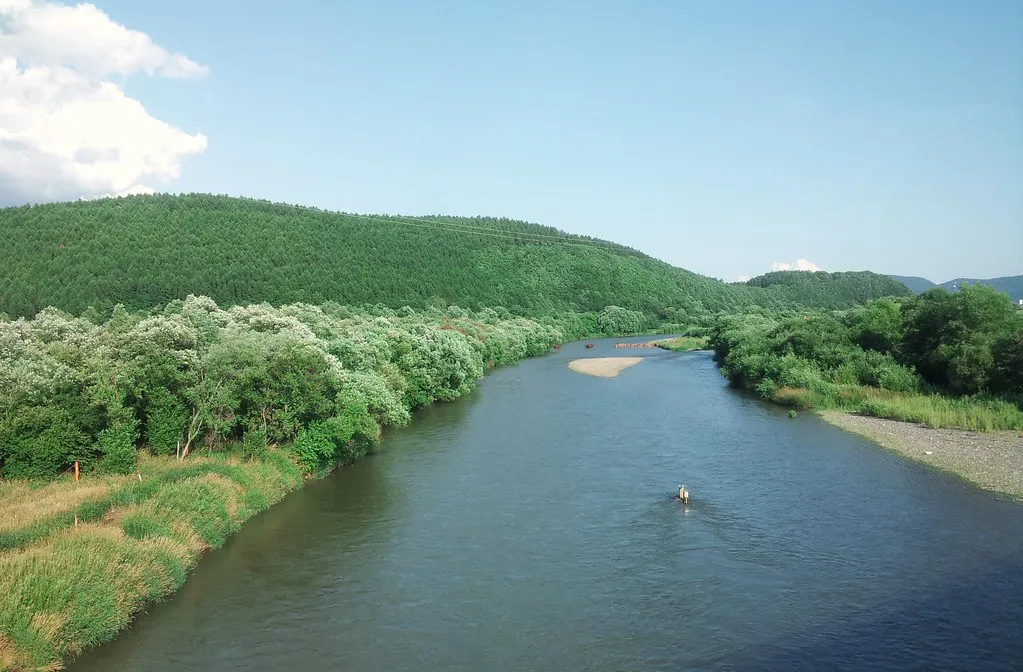
Several shops near Biei Station rent electric bicycles for 2,000–3,000 JPY for a half-day (roughly 4 hours), which is the right tool for the gently rolling hills. Manual bikes rent for 1,000–1,500 JPY but the grades are tiring over a full loop. A standard Patchwork Road circuit covers around 15–20 km and takes 2.5–4 hours at a relaxed pace with stops. The area south of town — Panorama Road — adds Shikisai-no-Oka and stretches the route by another 10 km, making a full-day ride if you cover both.
In winter, cycling is not practical. Patchwork Road is best driven or walked in sections. Snow transforms the fields into a clean white expanse, and the bare deciduous trees along the ridgelines create striking silhouettes — a completely different but equally valid aesthetic.
Ride a Tractor Through Shikisai-no-Oka
Shikisai-no-Oka ("Four Seasons Hill") sits on Panorama Road south of Biei town and covers a hillside with color-coordinated flower fields from late spring through autumn. Unlike Farm Tomita, which is flat, Shikisai has elevation changes that give broader views across the Furano valley toward the Tokachi Mountains. The best vantage point is from the upper terrace of the main building.
The tractor bus (500 JPY per adult) circles the fields on a fixed route and is the easiest way to cover the whole park without walking. For families with small children, golf carts rent for around 1,500 JPY per 15 minutes and allow self-paced exploration. Walking the trails between the fields is free and takes about an hour at a leisurely pace. Entry to the park itself is free. There is an alpaca farm on the grounds — admission around 500 JPY — that tends to delight younger visitors. Opening hours run approximately 08:30–17:00 in summer with reduced winter hours; confirm seasonally.
Photograph the Iconic Trees — and Respect the Farmland
Biei has a cluster of individual trees that have become famous in their own right: the Christmas Tree (a spruce on a rise that looks like a decorated tree from a distance), the Seven Star Tree (a lone oak that appeared on a cigarette packet in the 1970s), and the Parent and Child Oak Trees (a large oak flanked by two smaller ones). Each stands alone in working agricultural fields, which is what makes them photogenic — and what makes visitor behavior a genuine local issue.
Every single tree sits on private farmland. Walking into the fields is not merely trespassing — the compaction from foot traffic damages root systems and spreads soil-borne disease between plots. Local farmers have already cut down a row of birch trees near the Seven Stars Tree in 2025 because tourists were repeatedly walking through the crops to get closer. The correct approach is to shoot from the roadside. Early morning (before 07:00 in summer) and late afternoon (after 16:00) provide the best light and far fewer people. Tripods are welcome at the roadside. Do not cross the low ropes or chains that mark the field boundaries.
For the most considered look at Biei's landscape photography tradition, visit the Takushinkan Gallery in town. Founded by landscape photographer Shinzo Maeda, the gallery displays large-format prints of the hills, trees, and seasons that shaped Biei's reputation. It's a useful reference point before you head out with a camera yourself.
Ski the Slopes at Furano Ski Resort
Furano Ski Resort consistently ranks among Hokkaido's best for powder quality. Its elevation and northerly position in the Kamikawa Subprefecture catch cold Siberian air that drops dry, light snow. The resort is made up of two connected peaks — Furano Zone and Kitanomine Zone — with a combined 28 runs covering terrain from wide beginner slopes to a half-pipe and terrain park for advanced riders. World Cup races have been held here.
A one-day adult lift pass costs around 6,000–7,000 JPY for the 2025–2026 season. The resort opens early December and closes late March, with the best snow window from late January through late February. Family Snowland at the base offers snow activities beyond skiing: snowmobiling, snow rafting, and dog sledding. The resort is about 40 minutes by car from Biei, or accessible by bus from Asahikawa and Sapporo.
Non-skiers staying in the area should consider Ningle Terrace forest cabins, a row of small timber workshops selling handmade crafts adjacent to the New Furano Prince Hotel. It is open year-round and illuminated at night in winter — short but atmospheric, especially after a meal at one of the hotel restaurants.
Hike the Trails of Daisetsuzan National Park
At 226,000 hectares, Daisetsuzan is Japan's largest national park and sits roughly one hour by car from Biei. The main entry point for a day visit is Mount Asahidake, Hokkaido's highest peak at 2,291 m. The Asahidake Ropeway runs from Asahidake Onsen to 1,600 m (round-trip around 3,200 JPY), from where well-marked trails lead to the summit in about two hours. The alpine zone blooms with wildflowers from July through August and turns vivid red in September.
For a less demanding option, Mount Kurodake at Sounkyo Onsen is accessed via ropeway and chairlift and can be summited in about an hour from the top station. The difficulty gap between these two peaks is significant: Asahidake involves loose volcanic scree and can have snow on the upper trail even in July; Kurodake's summit trail is more gradual. Both require proper hiking footwear and layers — summit temperatures can be 10–15°C colder than the valley even in midsummer.
Deeper backcountry traverses, including the multi-day Daisetsuzan Grand Traverse between Asahidake and Tokachidake, require navigation skills, bear awareness, and advance planning. The park's official trail conditions page publishes real-time closures. Brown bears are present throughout the park; carry a bear bell and follow the posted guidance at each trailhead.
Experience the Sounkyo Ice Festival
The Sounkyo Ice Waterfall Festival runs for about eight weeks every year from late January to mid-March in Sounkyo Onsen, inside Daisetsuzan National Park. The riverside is filled with large-scale ice structures — igloos, arched bridges, towers — which are lit with colored lights after dark. A small fireworks display rounds out the evenings. The night visit, from around 18:00, is considerably more dramatic than the daytime version.
Sounkyo is approximately 1.5 hours by car from Biei. Warm, windproof clothing is essential — temperatures along the gorge frequently drop below -15°C at night. Entry costs around 500 JPY. The onsen town has a handful of hotels where you can warm up afterward. Combining this with a daytime hike to Kurodake makes a full winter day trip from Biei, though the logistics require an early start.
The Furano Cheese Factory and the Winery Hill
The Furano Cheese Factory experience is a working dairy facility open to visitors at no entry charge. The observation window lets you watch the cheese production process, and the factory shop sells the house Camembert alongside seasonal varieties including an unusual black squid-ink cheese. Free samples circulate through the shop. The ice cream parlour on site offers pumpkin, grape, and cheese-flavored soft serve alongside the standard milk version.
Hands-on workshops — butter churning, ice cream making, bread baking — run at fixed times throughout the day and cost around 1,000–1,500 JPY. Reservations are not needed for most workshops except bread-making, which requires advance booking. The factory is open 09:00–17:00 (closing at 16:00 in winter). It sits about one hour from Biei by car.
About 1.5 km north of the Cheese Factory, Furano Winery occupies a hillside above the town with views across the valley. Local winemaking here dates to 1972, and the tasting room offers free samples of the house red and white. The Restaurant Winehouse pairs wines with western-style food. This combination — cheese factory followed by a hilltop winery — makes a natural afternoon loop and is something most single-activity travel blogs skip entirely. Neither spot requires more than 45 minutes, so they pair well.
Taste Local Specialties: Curry Udon and Omukare
Furano has two dishes that are genuinely local and worth seeking out. Omukare is a rice omelet (omurice) topped with a curry sauce made using fresh Furano vegetables — tomatoes, corn, and asparagus in summer, pumpkin and beet in autumn. It's lighter than a standard katsu curry and distinctly regional. Most mid-range restaurants in Furano serve a version; expect to pay 1,000–1,500 JPY.
Biei's answer is curry udon, a thick wheat noodle in a spiced dashi broth. The noodles here tend to be hand-cut and chewier than the vacuum-packed versions served elsewhere. Restaurant Koeru near Biei Station is the most frequently cited spot for this dish and offers spice levels from mild to strong — useful since the default version in Hokkaido tends to be gentler than Osaka or Tokyo interpretations. Budget around 1,200 JPY per bowl.
In winter, Hokkaido soup curry is the dominant comfort food across the region. Unlike the thick paste-style curry common elsewhere in Japan, Hokkaido soup curry is a thin, spiced broth with whole roasted vegetables and a protein (chicken, pork, or seafood) served alongside a bowl of rice. Spice level is always customizable. It's naturally gluten-free at most establishments and is the single best warming meal after a cold day on Patchwork Road.
Getting Around Biei and Furano
A rental car is the most practical choice for covering the spread-out attractions here. Asahikawa Airport is the closest hub for car pickup, about 35–40 minutes from Biei. You must carry a valid International Driving Permit (obtainable before departure from your home country's automobile association — Japan does not issue them to visitors on arrival). Japanese road signs use standard international symbols, and roads are well-maintained.
Without a car, the best option in summer is the JR Furano-Biei Norokko Train, a seasonal service with wide observation windows that runs between Asahikawa, Biei, and Furano from late June to late August. Check the JR Hokkaido timetable for current schedules; trains run roughly once per hour. Electric bicycle rental near Biei Station covers the Patchwork Road loop effectively and costs 2,000–3,000 JPY for a half-day. In winter, local sightseeing buses connect Biei Station to the Blue Pond and main scenic roads; schedules thin out considerably outside the summer peak.
Taxis are available from Biei Station but quickly become expensive for extended sightseeing — expect 2,000–4,000 JPY for a single trip to Shirogane Onsen. Some Asahikawa-based tour operators run full-day Biei-Furano circuits by minibus, which can suit first-time visitors who want logistics handled.
Planning Your Visit: Seasonal Guide
Summer (June–September) and winter (December–March) are the two clear peaks. Shoulder seasons — October-November and April-May — offer lower prices, but some attractions (Lavender East, tractor rides, certain farm facilities) are closed, and the Norokko train does not operate. Late May can see late snowfall at higher elevations.
- July (peak summer): Full flower fields, maximum crowds, all transport options available. Book accommodation 3–4 months ahead.
- August: Sunflowers, cosmos, fewer crowds. Pleasant temperatures (20–25°C). Good cycling weather.
- January–February (peak winter): Best powder at Furano Ski Resort. Blue Pond illuminations running. Coldest temperatures, -15 to -5°C at night.
- March: Late-season skiing, fewer crowds, some winter illuminations winding down mid-month.
Accommodation in Biei is small-scale — mostly family-run guesthouses and B&Bs with 10–20 rooms. Furano has larger hotels near the ski resort. For a non-skiing trip, Biei makes the better base: more central to the scenic roads and quieter at night. Book well in advance for July and the January–February ski window. Prices in Biei typically run 8,000–15,000 JPY per person per night including breakfast at mid-range guesthouses.
Frequently Asked Questions
Is Biei worth visiting in the winter?
Yes, Biei is absolutely worth visiting in winter for its stunning snow-covered landscapes and unique activities. The Blue Pond's illuminations and the famous trees blanketed in snow offer incredible photography opportunities. Nearby Furano Ski Resort also provides excellent powder skiing.
How do you get around Biei without a car?
Getting around Biei without a car is possible, though less flexible. You can rent electric bicycles near Biei Station for the scenic roads. During summer, the JR Furano-Biei Norokko train connects key areas, and local tour buses also operate. Taxis are available for shorter distances.
What is the best month to see lavender in Biei?
The best month to see lavender in Biei and Furano is typically July, with mid-July often being the peak bloom period. While some lavender starts blooming in late June and continues into early August, mid-July usually offers the most vibrant and extensive displays. Always check specific farm bloom calendars for the latest updates.
How much time do you need in Biei and Furano?
To comfortably experience the highlights of both Biei and Furano, plan for at least 2 to 3 full days. This allows time for exploring flower fields, cycling the scenic roads, visiting the Blue Pond, and enjoying local cuisine. Adding a day for skiing or a trip to Daisetsuzan National Park would extend your visit to 4-5 days.
Can you visit the Blue Pond at night?
Yes, you can visit the Shirogane Blue Pond at night during the winter months when it features special illuminations. These light-up events typically run from November to April, transforming the pond into a magical, glowing spectacle. Check the official Biei tourism website for specific dates and times each year.
Biei and Furano truly offer a captivating escape into Hokkaido's natural beauty, regardless of the season. From the vibrant summer blooms to the serene winter snowscapes, there's always something magical to discover. By planning ahead and embracing the local experiences, your trip to this picturesque region will be unforgettable. Remember to respect the private farmland and local etiquette, especially when photographing the famous trees.
Whether you're cycling through rolling hills or savoring lavender soft serve, Biei promises unique memories. This guide aims to equip you with the knowledge to make the most of your visit, blending iconic sights with practical tips. We encourage you to explore beyond the well-trodden path and immerse yourself in the charm of rural Hokkaido. Safe travels, and enjoy the breathtaking scenery of Biei and Furano.
Free guide: Japan's Hidden Gems
12 under-the-radar places beyond Tokyo & Kyoto — with the best season to visit each and a local tip you won't find in the guidebooks.
You might also like


Continue reading
More guides you'll find useful