Kibitsu Shrine Okayama Guide: History, Access & Top Attractions
Discover Kibitsu Shrine in Okayama with our comprehensive guide. Learn about its unique architecture, Momotaro legend, access, and must-see attractions for your visit.
On this page
Kibitsu Shrine in Okayama stands as a captivating example of Japan's rich spiritual heritage. This ancient Shinto shrine offers visitors a unique blend of history, architectural beauty, and folklore.
It is famously linked to the legend of Momotaro, the Peach Boy, making it a truly special destination. Exploring Kibitsu Shrine provides a peaceful escape from city life.
Our comprehensive Kibitsu Shrine Okayama guide covers everything you need to plan your visit. You will discover its unique design, legendary connections, and practical travel tips.
Prepare to delve into a significant cultural site and uncover its many fascinating layers.
What is Kibitsu Shrine? (History & Significance)
Kibitsu Shrine, or Kibitsu Jinja, is a revered Shinto shrine located in Okayama Prefecture. It boasts a history stretching back over a thousand years. This sacred site is dedicated to Kibitsuhiko-no-Mikoto, a prince believed to be the model for the Momotaro legend.
The shrine holds immense cultural and historical significance for the region. It serves as a spiritual anchor for locals and a fascinating destination for travelers. Its tranquil atmosphere invites contemplation and reflection.
Visitors can feel the profound sense of history embedded in its ancient grounds. The shrine's serene setting provides a peaceful retreat from daily hustle. It offers a glimpse into Japan's enduring spiritual traditions.
Exploring its pathways reveals centuries of devotion and craftsmanship. The shrine truly represents a cornerstone of Okayama's heritage. It continues to inspire awe and respect among all who visit.
How to Get to Kibitsu Shrine
Reaching Kibitsu Shrine from Okayama Station is straightforward and convenient. The easiest method involves taking a local train. The shrine is well-connected by public transportation.
You can take the JR Kibi Line from Okayama Station to Kibitsu Station. The train ride typically takes about 15 to 20 minutes. This route offers scenic views of the surrounding countryside.
From Kibitsu Station, the shrine is a pleasant 10-minute walk uphill. Follow the clear signs that point towards the shrine entrance. Consider wearing comfortable shoes for the short uphill climb.
For those traveling by car, parking is available near the shrine entrance. Driving offers more flexibility for combining your visit with other nearby attractions. Check the Kibitsu Jinja Official Website for current parking information. Parking fees may apply depending on the season.
Top Things to See at Kibitsu Shrine
Kibitsu Shrine offers several captivating sights that visitors should not miss. The main hall, or Honden, is a designated National Treasure and a true architectural marvel. Its unique design sets it apart from other shrines.
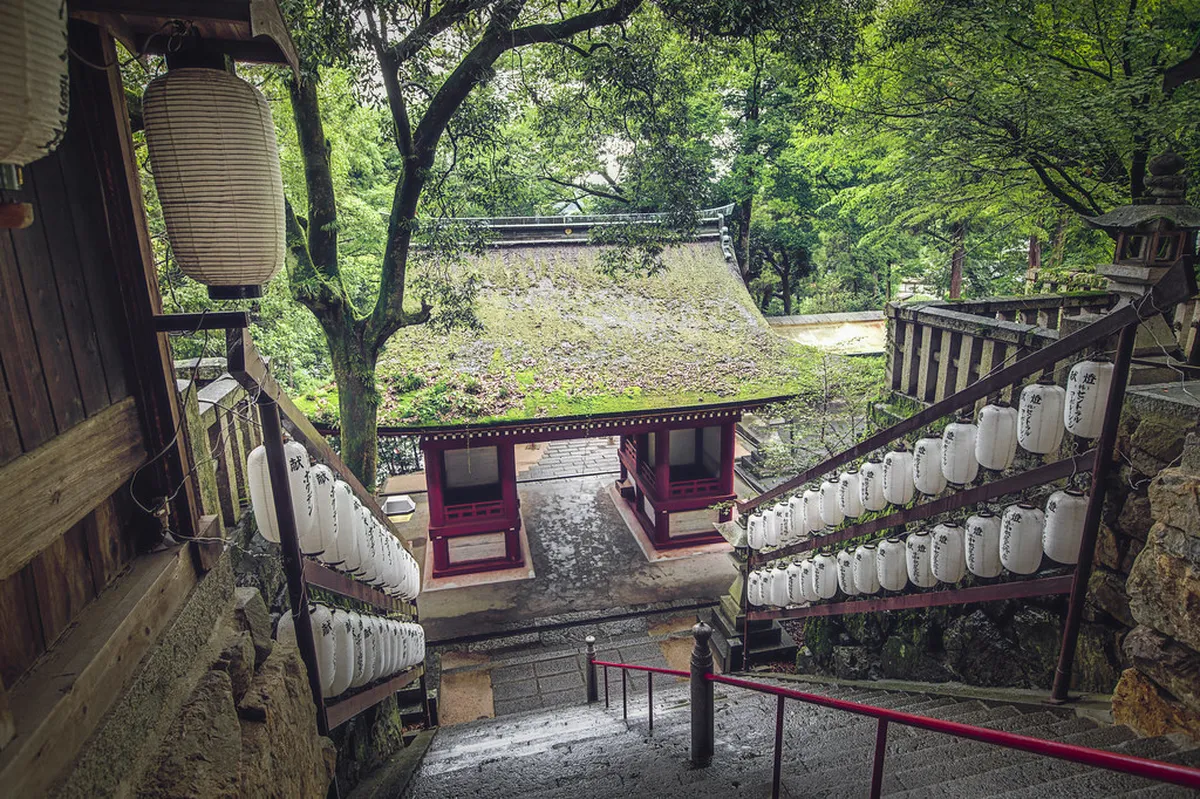
The most striking feature is arguably the 360-meter-long corridor, known as the Kairo. This winding wooden walkway connects various shrine buildings. It provides a picturesque and meditative journey through the grounds.
Take your time to stroll along this impressive corridor. Admire the intricate details of the traditional Japanese architecture. The corridor offers many excellent photo opportunities along its length.
Beyond the main structures, explore the various smaller sub-shrines and gardens. These areas provide tranquil spots for quiet contemplation. You might also discover charming statues and historical markers. Don't forget to look for the Momotaro-related artifacts scattered throughout the site.
Kibitsu-zukuri Architecture: A National Treasure
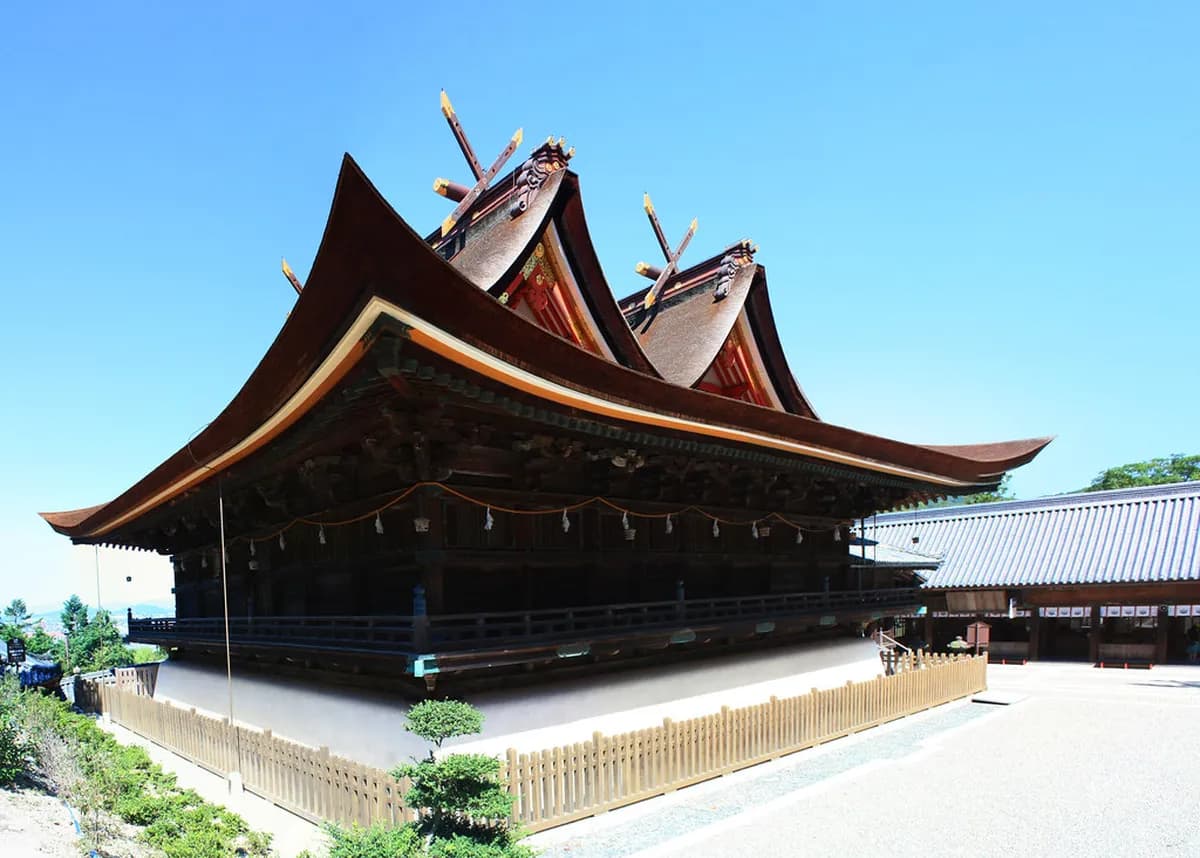
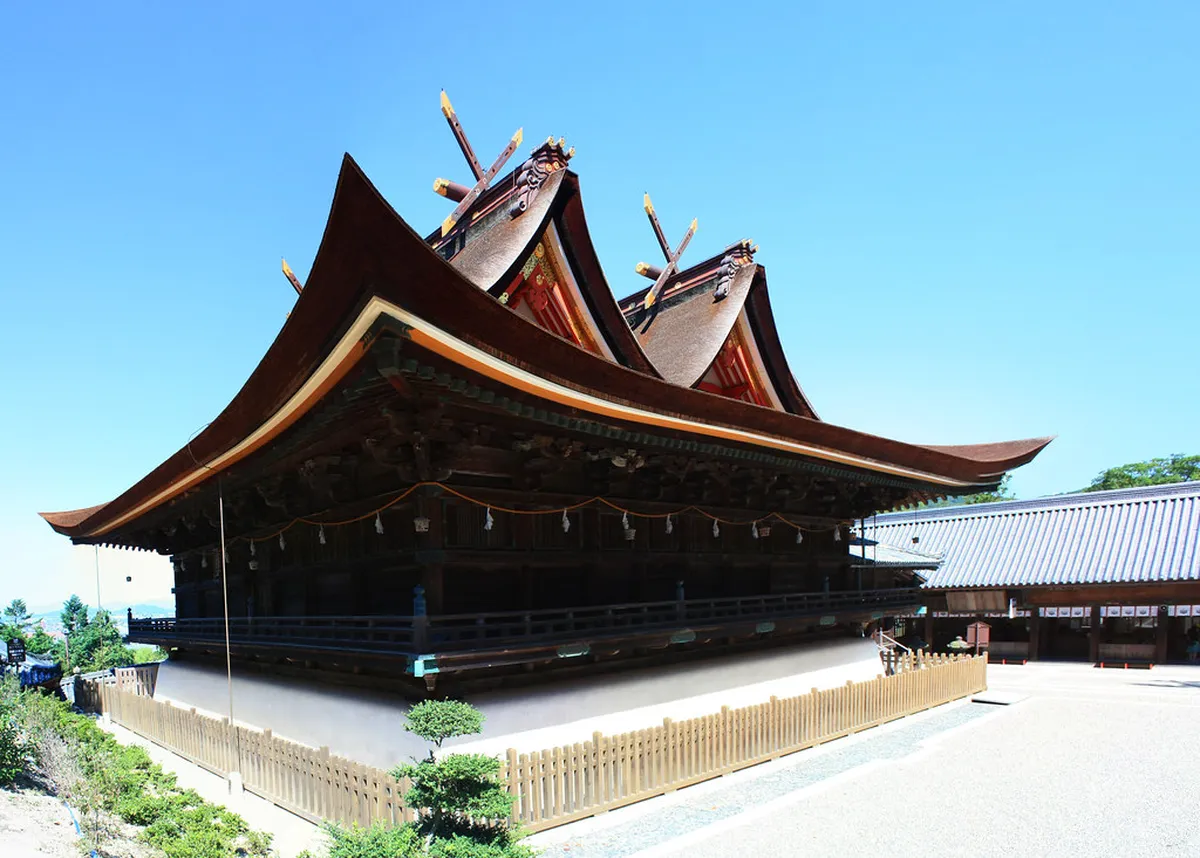
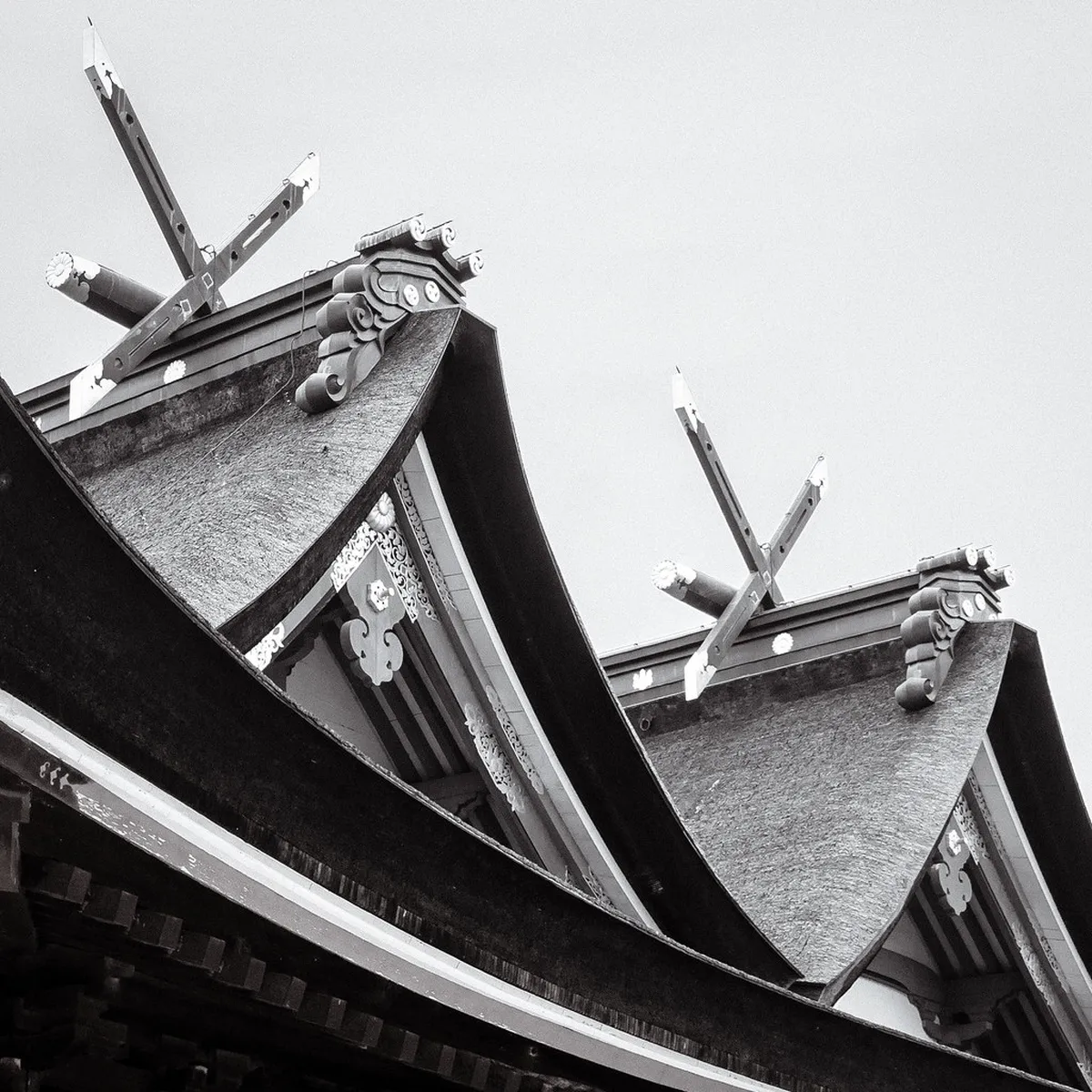
Kibitsu Shrine is celebrated for its unique architectural style, known as Kibitsu-zukuri. This distinctive design is so significant that its main hall and oratory are designated National Treasures of Japan. It represents a rare and important form of Japanese shrine architecture.
The Kibitsu-zukuri style features a distinctive roofline with two gables, resembling two separate buildings joined together. This creates a visually striking and complex silhouette. The intricate carpentry and structural elements are truly remarkable.
Unlike many other shrine styles, Kibitsu-zukuri is exclusive to Kibitsu Shrine. This makes it a one-of-a-kind example of traditional craftsmanship. Its historical context dates back to the Muromachi period, showcasing centuries of architectural evolution.
Observing the details of the Kibitsu-zukuri architecture offers a deeper appreciation for Japanese artistry. Pay attention to the roof, pillars, and decorative carvings. This unique style highlights the shrine's profound historical value and cultural importance.
The Momotaro Legend at Kibitsu Shrine
Kibitsu Shrine is deeply intertwined with the beloved Japanese folklore of Momotaro, the Peach Boy. Local tradition identifies Kibitsuhiko-no-Mikoto, the shrine's deity, as the inspiration for the legendary hero. This connection adds a magical layer to your visit.
Visitors can find various elements within the shrine grounds that relate to the Momotaro story. These include statues of Momotaro and his animal companions. You might also spot depictions of his adventures.
One significant spot is said to be the location where Kibitsuhiko-no-Mikoto vanquished an ogre, similar to Momotaro's tale. This folklore adds an exciting dimension to the shrine's history. It invites visitors to imagine the ancient legends coming to life.
Exploring these specific sites enriches the experience of the Momotaro legend. It connects you directly to the cultural narrative of Okayama. The shrine serves as a living testament to this enduring story.
Enjoy Kibitsu Shrine Through the Seasons
Kibitsu Shrine transforms beautifully with each passing season, offering unique experiences year-round. Spring brings delicate cherry blossoms, creating a soft, ethereal backdrop for the ancient structures. The best time for cherry blossoms is usually late March to early April.
Summer (mid-June to mid-July) turns the shrine into a hydrangea hotspot. Thousands of vibrant hydrangeas bloom along the pathways and slopes. This creates a stunning floral display and a photographer's paradise.
Autumn (mid-November to early December) paints the landscape with fiery maple leaves and golden ginkgo trees. The rich colors provide a dramatic contrast to the shrine's wooden architecture. This makes it an ideal time for scenic photography.
Winter offers a quieter, more serene atmosphere, often with dusting of snow. January marks Hatsumode, the first shrine visit of the New Year, and the Yatate Ritual. Fewer crowds allow for a peaceful exploration of the grounds during this season. Check Okayama City Tourism Information for specific event dates.
Narukama Shinji: The Boiling Pot Divination Ritual
Kibitsu Shrine is home to a fascinating and ancient ritual called Narukama Shinji. This unique divination involves the sound of boiling water in a large pot. The sounds are interpreted to foretell fortunes and answer prayers.
The ritual is performed in a special building called the Okama-den. A Shinto priest conducts the ceremony, making it a solemn and mystical experience. The distinct sounds are believed to carry messages from the deities.
Visitors can observe the Narukama Shinji ritual on specific dates or by special appointment. It is advisable to check the Kibitsu Jinja Official Website for the current schedule and booking requirements. Experiencing this ritual offers a rare glimpse into traditional Japanese spiritual practices.
Participating in or witnessing Narukama Shinji can be a profound part of your visit. It adds a deeper layer of cultural immersion. Consider this unique opportunity when planning your trip to Kibitsu Shrine.
Practical Information for Your Visit
Kibitsu Shrine is generally open daily, but specific hours can vary by season or special events. It is always wise to confirm the latest operating times before your visit. Check the Kibitsu Jinja Official Website for up-to-date information.
There is no entrance fee to access the main shrine grounds. However, some special areas or rituals like Narukama Shinji may have associated costs. Budget a small amount for offerings or amulets if you wish.
Allocate at least 1.5 to 2 hours to fully explore the shrine. This allows ample time to walk the corridor, visit the various halls, and soak in the atmosphere. You can extend your visit if you plan to participate in a ritual.
Wear comfortable walking shoes, especially if you plan to walk from Kibitsu Station or explore all the grounds. Facilities like restrooms and small souvenir shops are available on site. Consider visiting during off-peak hours for a more tranquil experience.
Nearby Attractions to Combine with Kibitsu Shrine
Combining Kibitsu Shrine with other nearby attractions makes for an enriching day trip in Okayama. Consider visiting Okayama Castle, a striking black castle with a rich history. It offers panoramic views of the city and Korakuen Garden.
Just a short walk from Okayama Castle lies Korakuen Garden, one of Japan's three most beautiful landscape gardens. Its vast, meticulously maintained grounds are perfect for a leisurely stroll. You can easily spend a few hours enjoying its beauty.
Another excellent option is a day trip to Kurashiki Bikan Historical Quarter. This charming area features picturesque canals, traditional warehouses, and art museums. It is about a 30-minute train ride from Okayama Station.
For art lovers, the Ohara Museum of Art in Kurashiki is a must-see. It houses an impressive collection of Western and Japanese art. Combining these sites offers a diverse cultural experience during your visit to Okayama. Learn more about other Okayama attractions for a full itinerary.
Frequently Asked Questions
How do I get to Kibitsu Shrine from Okayama Station?
Take the JR Kibi Line from Okayama Station to Kibitsu Station, a 15-20 minute ride. From Kibitsu Station, it's a pleasant 10-minute uphill walk to the shrine entrance. Signs clearly mark the path for visitors.
What is the Momotaro legend connection to Kibitsu Shrine?
Kibitsu Shrine is strongly linked to the Momotaro (Peach Boy) legend. Its deity, Kibitsuhiko-no-Mikoto, is believed to be the real-life inspiration for the folk hero. You can find statues and elements related to the story throughout the shrine grounds.
What are the must-see attractions at Kibitsu Shrine?
Key attractions include the National Treasure Honden (main hall) and the impressive 360-meter-long Kairo (corridor). Also, seek out the Okama-den for the Narukama Shinji ritual and various sub-shrines. Explore the tranquil grounds for other hidden gems.
What is the best time of year to visit Kibitsu Shrine?
Spring (late March to early April) offers cherry blossoms, and summer (mid-June to mid-July) features hydrangeas. Autumn (mid-November to early December) provides vibrant fall foliage. Each season offers unique beauty. Consider your preferred seasonal view.
Are there any fees to enter Kibitsu Shrine?
There is no general entrance fee to the main grounds of Kibitsu Shrine. However, specific rituals like Narukama Shinji or certain special exhibitions may have a small fee. Always check the official website for current details.
Kibitsu Shrine offers a unique and enriching experience for any traveler to Okayama. Its blend of ancient history, distinctive architecture, and legendary folklore creates a memorable visit.
From the serene Kairo corridor to the fascinating Momotaro connections, there is much to discover. Plan your trip carefully to fully appreciate this Japanese National Treasure.
Consider combining your visit with other our suggested Okayama itinerary highlights for a comprehensive cultural adventure. Kibitsu Shrine truly stands out as a must-see destination in the region.
Free: The Okayama Essentials guide
Top things to do, where to stay, a perfect day plan, getting around, and the best time to go — a Okayama mini-guide you can take offline.
You might also like


Continue reading
More guides you'll find useful