
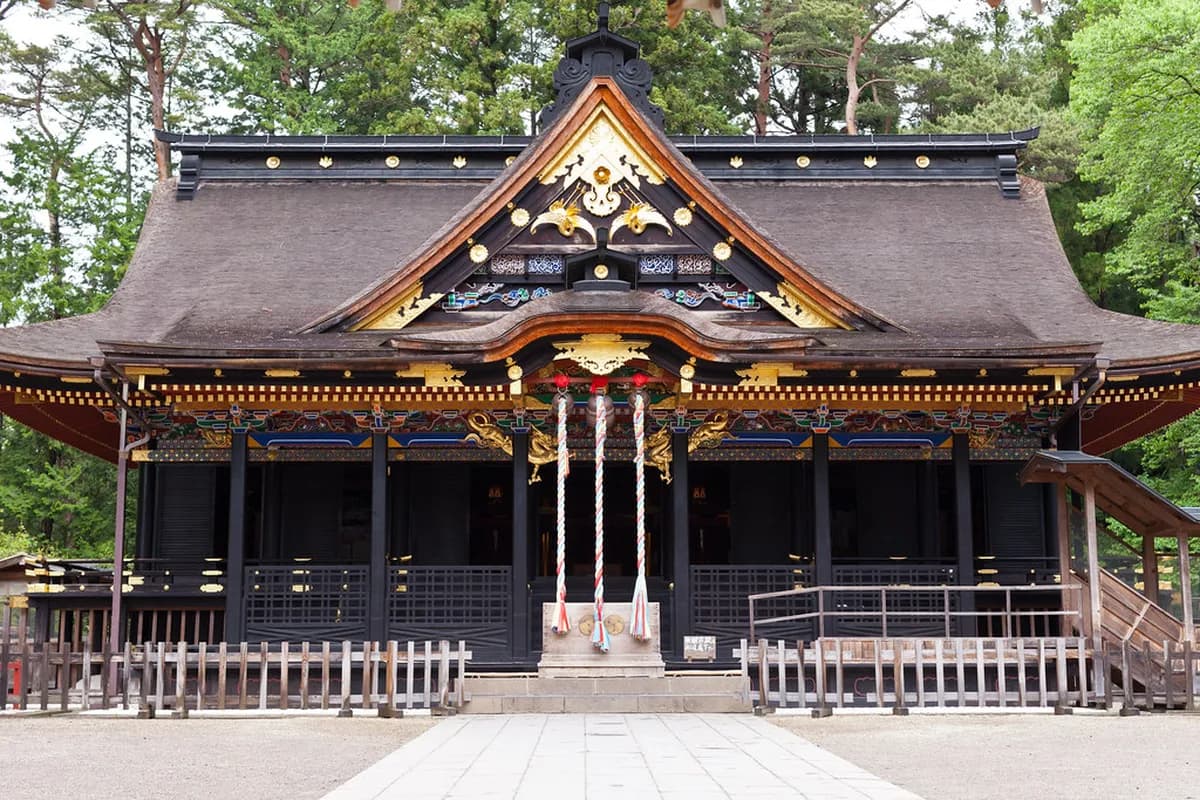
Welcome to the Osaki Hachimangu Shrine visitor guide for your Sendai adventure. This guide helps you explore one of Japan's designated National Treasures. It offers insights into its rich history and stunning architecture. Plan your visit to this important cultural site.
Osaki Hachimangu Shrine stands as a powerful symbol in Sendai. It offers a peaceful escape from city life. You will discover beautiful craftsmanship and serene grounds. Prepare for an enriching cultural experience.
This guide provides practical tips for first-time visitors. Learn about shrine etiquette, photography rules, and nearby attractions. Maximize your time and enjoy the spiritual atmosphere. Make your trip memorable and respectful.
Must-See Osaki Attractions
Beyond the Osaki Hachimangu Shrine, Sendai offers many captivating sights. Exploring these nearby attractions enhances your overall trip. Consider dedicating extra time to discover the city's unique charm. This area provides a blend of history and natural beauty.
A visit to Sendai Castle is highly recommended for history buffs. Although only ruins remain, the site offers panoramic city views. The historical significance makes it a compelling stop. Learn about Date Masamune's legacy here.
The Zuihoden Mausoleum, a short distance away, houses the remains of Date Masamune. Its vibrant colors and intricate carvings are truly remarkable. This site provides a deeper look into the region's past. It is a peaceful and beautiful place to visit.
Museums, Art, and Culture in Osaki
Sendai's cultural scene extends beyond its shrines and castles. The city boasts several museums and art galleries. These institutions offer diverse perspectives on local and national heritage. Immerse yourself in the region's artistic expressions.
The Sendai City Museum, located near Sendai Castle, showcases the city's history. Its collections include artifacts from the Date clan. Visitors gain valuable insights into the area's development. It provides excellent context for your shrine visit.
For those interested in art, the Miyagi Museum of Art features various Japanese works. Both traditional and modern pieces are on display. Check their schedule for temporary exhibitions. This museum offers a quiet space for reflection.
Parks, Gardens, and Outdoor Spots in Osaki
Sendai is known as the 'City of Trees,' offering numerous green spaces. These parks and gardens provide tranquil retreats from urban bustle. Enjoy a leisurely stroll or a quiet moment amidst nature. They are perfect for relaxation after sightseeing.
The Hirose River flows through Sendai, with pleasant walking paths along its banks. It offers scenic views and a refreshing atmosphere. Consider a riverside picnic on a sunny day. This natural area is easily accessible.
Jozenji-dori Avenue, famed for its zelkova trees, transforms beautifully with each season. It's a popular spot for festivals and illuminations. Enjoy a leisurely walk under the leafy canopy. Find more information about Jozenji-dori for events.
Family-Friendly and Budget-Friendly Options in Osaki
Traveling with family or on a budget in Sendai is entirely possible. Many attractions offer free admission or reduced rates. Planning ahead helps you save money and keep everyone entertained. Look for combo tickets or city passes.
The Sendai Science Museum provides interactive exhibits for children of all ages. It combines education with fun activities. This museum offers an engaging learning environment. It's a great option for a rainy day.
Exploring local markets, like Sendai Asaichi, offers a taste of local life without high costs. Sample street food and browse unique souvenirs. This experience provides cultural immersion. It's an affordable way to enjoy the city.
How to Plan a Smooth Osaki Attractions Day
A well-planned itinerary ensures a stress-free and enjoyable visit to Osaki Hachimangu Shrine. Consider travel times between attractions and opening hours. Public transportation in Sendai is efficient and convenient. A bit of preparation goes a long way.
Start your day early to avoid crowds, especially at popular spots. Wear comfortable shoes, as you will do a fair amount of walking. Check the weather forecast before you leave your accommodation. Pack light but essential items for your journey.
Allocate enough time for each attraction, including travel and breaks. Using a city map or a navigation app helps greatly. Consider purchasing a day pass for public transport if you plan extensive travel. This strategy saves both time and money.
What Is Osaki Hachimangu Shrine?
Osaki Hachimangu Shrine is a significant Shinto shrine located in Sendai, Japan. It serves as the tutelary shrine of the Date clan. Date Masamune, a powerful feudal lord, commissioned its construction. The shrine was completed in 1607.
This shrine is dedicated to Hachiman, the god of war and archery. It embodies the architectural style of the Momoyama period. The intricate details and vibrant colors are characteristic of this era. It holds a National Treasure designation.
Osaki Hachimangu is renowned for its elaborate black lacquer and gold leaf decorations. It stands as a testament to early Edo period craftsmanship. The shrine attracts both worshippers and tourists. Visitors come to admire its historical and artistic value.
Things to Look For While Walking the Shrine Grounds
The shrine grounds offer more than just the main hall. Take your time to explore the various structures and natural elements. Each corner holds historical significance or artistic beauty. Look for these specific details during your visit.
The large stone torii gate at the entrance is an impressive sight. It marks the transition from the mundane to the sacred. Notice the age of the stone and its weathered appearance. This gate is a traditional marker for Shinto shrines.
Further along, you will find the Nagatoko, an Important Cultural Property. This open-sided worship hall features unique architectural elements. Compare its simpler design to the more elaborate main hall. It provides a different perspective on shrine architecture.
Look for the intricate carvings and detailed embellishments on smaller buildings. Many depict mythical creatures or historical scenes. These details showcase the high level of artistry involved. They add depth to your understanding of the shrine.
Top Highlights: The National Treasure Main Hall and Its Architecture
The main hall of Osaki Hachimangu Shrine is its undisputed centerpiece. It achieved National Treasure status due to its exceptional architecture. This building perfectly exemplifies the Azuchi-Momoyama architectural style. Its beauty is truly captivating.
The striking contrast of black lacquer against vivid gold leaf and rich colors is remarkable. This design choice creates a dramatic and luxurious effect. The intricate details are a feast for the eyes. Spend time appreciating the craftsmanship.
Observe the elaborate carvings adorning the eaves and pillars. These carvings often depict scenes from nature or mythology. Each element tells a story and adds to the hall's grandeur. The precision of the work is astounding.
The main hall's structure includes a unique architectural style called Ishi-no-ma. This connecting corridor links the main sanctuary and the worship hall. It is a defining feature of gongen-zukuri style shrines. This design allows for a seamless flow.
The Basic Flow for First-Time Visitors
Visiting a Japanese shrine involves certain customs and etiquette. Following these traditions shows respect for the sacred site. This basic flow helps first-time visitors navigate the experience smoothly. Enjoy a meaningful and respectful visit.
Start by walking calmly along the approach (sando) to the shrine. You will pass under the large torii gate. Traditionally, one bows once before passing through the gate. This act acknowledges entering a sacred space.
Before approaching the main hall, perform temizu at the purification fountain. Use the ladle to rinse your left hand, then your right hand. Rinse your mouth, spitting water beside the fountain, not into it. Finally, rinse the ladle handle.
At the main hall, approach the offering box and gently toss in a coin. Bow twice, clap your hands twice, and offer a prayer. Bow once more after finishing your prayer. This sequence is the standard form of worship.
What to Know About Goshuin, Prayers, and Photography
Understanding specific customs enhances your shrine visit. Knowing about goshuin, prayer etiquette, and photography rules is important. These details help you engage respectfully with the shrine's practices. Prepare for a culturally rich experience.
Goshuin are unique calligraphic stamps and seals collected from shrines and temples. They serve as beautiful mementos of your visit. You can purchase a goshuincho (stamp book) at the shrine office. It is a popular way to document your spiritual journey.
When offering prayers, remember the 'two bows, two claps, one bow' sequence. Speak your prayers silently and respectfully. Avoid loud conversations or disruptive behavior near the main hall. Maintain a quiet and reverent demeanor.
Photography is generally allowed on the shrine grounds, but specific rules apply inside certain areas. Always look for signs indicating photography restrictions. Avoid taking photos during religious ceremonies or of worshippers. Respect the sanctity of the place. You can check the official website for current rules: https://www.osakihachimangu.com/.
Frequently Asked Questions
What Is Osaki Hachimangu Shrine?
Osaki Hachimangu Shrine is a historic Shinto shrine in Sendai, Japan. It was built in 1607 by Date Masamune, dedicated to the god Hachiman. This National Treasure showcases exquisite Momoyama-period architecture. It is a vital cultural site for the region.
How much time should you plan for osaki hachimangu shrine visitor guide?
Plan about 1 to 1.5 hours to fully experience Osaki Hachimangu Shrine. This allows time to explore the main hall, grounds, and purification rituals. Add more time if you plan to collect goshuin or visit the gift shop. Consider nearby attractions in Sendai for a full day.
Which osaki hachimangu shrine visitor guide options fit first-time visitors?
First-time visitors should focus on the main hall, the Nagatoko, and the stone torii gate. Follow the basic purification and prayer rituals for a traditional experience. Grab a goshuin as a souvenir. This approach offers a comprehensive and respectful visit.
What should travelers avoid when planning osaki hachimangu shrine visitor guide?
Avoid visiting during major festivals if you dislike large crowds. Do not take photos where signs prohibit it, especially inside sacred buildings. Avoid disrespectful attire; dress modestly when visiting shrines. Also, do not rush your visit to truly appreciate the details.
Exploring Osaki Hachimangu Shrine offers a profound journey into Japanese history and culture. Its stunning architecture and serene atmosphere create a memorable experience. Use this guide to plan every detail of your visit. Enjoy the beauty and tranquility of this National Treasure.
Remember to respect local customs and traditions during your visit. Take time to appreciate the intricate details and the peaceful surroundings. Osaki Hachimangu is more than just a shrine; it is a living piece of history. Your visit contributes to its ongoing preservation.
Sendai has many other attractions to complement your shrine visit. Consider exploring nearby castles, museums, or gardens. This comprehensive approach enriches your entire trip. Make your Osaki Hachimangu Shrine visitor guide experience truly unforgettable.
For the latest official information, see the Osaki Hachimangu Shrine official site and Osaki Hachimangu Shrine on Wikipedia.