Okinawa Awamori Distilleries: Tours, Tastings & Kusu Guide
Plan a tour of Okinawa's awamori distilleries by region, from Naha's Shuri quarter to Yaeyama's Donan. Get 2026 tasting, buying, and drink-driving tips.
On this page
Last updated August 2026, this guide maps Okinawa awamori distilleries by region, from the historic Shuri quarter of Naha to the outer islands of Miyako and Yaeyama. Awamori is Japan's oldest distilled spirit, made from Thai indica rice, black koji mold, and a single distillation. Use this guide to plan tastings, pick a tour that fits your schedule, and get to each distillery without breaking Japan's zero-tolerance drink-driving law.
What Makes Awamori Okinawa's Signature Spirit
Awamori is Japan's oldest distilled spirit, and its production method has stayed largely unchanged for more than 500 years. Three ingredients define it: imported Thai indica rice, black koji mold, and water. Unlike sake, which is brewed, awamori goes through a single distillation, giving it a cleaner, spirit-forward profile. Trade with Siam brought the distillation technique to the Ryukyu Kingdom, and the royal court once limited production to a handful of settlements near Shuri. Pair a distillery stop with the dishes covered in the broader Okinawa food guide, since awamori is built to go with the island's richer cooking.
Black Koji, Kusu Aging, and Alcohol Content Explained
Two features set awamori apart from other Japanese spirits: the mold used to ferment it, and how long it is allowed to rest before bottling. Production keeps evolving alongside tradition. One established distillery has released its own gin made with island botanicals, and twelve producers jointly created Sho, a triple-distilled awamori that breaks from the traditional single-distillation method.
- Black koji mold: produces citric acid during fermentation, which helps control bacteria in Okinawa's heat and humidity.
- Kusu aging: awamori aged 100% for three years or longer earns the kusu label, a standard formalized in 2015; producers traditionally rest it in clay pots they describe as 'sleeping.'
- Alcohol content: standard bottles run near 30% ABV. Yonaguni Island's Donan-style awamori is bottled above 60% ABV, described in regional guides as the only place in Japan where spirits that strong are sold legally.
Okinawa Awamori Distilleries by Region
The official Ryukyu Awamori distillery directory lists 47 producers spread across six regions, from Okinawa's main island to its outer islands. Naha and the Shuri district hold the deepest historical roots. Central and northern towns anchor a road-trip route. Miyako, Yaeyama, and Kumejima each carry distinct island styles worth seeking out. Miyako and Yaeyama each carry their own island character, beyond the strong Donan-style pours from Yonaguni described above. Both island groups require a separate flight or ferry from Okinawa's main island, so budget an extra day if visiting a distillery there is the goal rather than a stopover.
| Region | Distilleries | One to know |
|---|---|---|
| Northern region | 12 | Helios Distillery, Nago |
| Central region | 5 | Shinzato Distillery, Uruma |
| Naha / Southern region | 12 | Zuisen Distillery, Shuri |
| Miyako Area | 6 | Miyanohana, Miyakojima |
| Yaeyama Area | 10 | Donan Distillery, Yonaguni |
| Kumejima Area | 2 | Kumejima's Kumesen |
Distilleries Worth Building a Trip Around
Not every distillery suits every traveler, so match your stop to what you want from it. History-minded visitors should head to Shuri. Travelers chasing variety or a modern palate should look toward Nago. Anyone who wants a hands-on session should book ahead in Tomigusuku. Several Okinawa distilleries worth visiting have also drawn attention from Michelin's regional travel editors, a useful cross-check when narrowing a shortlist.
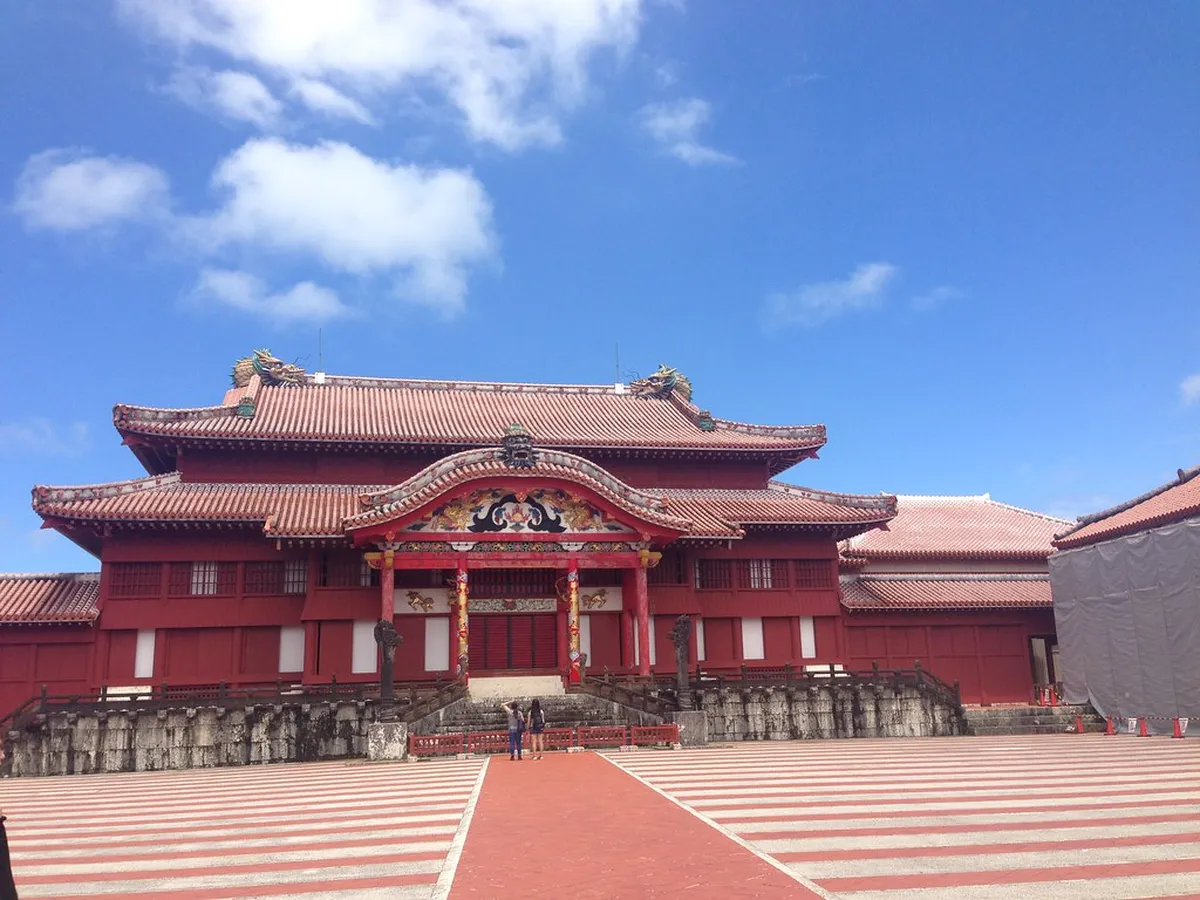
- Zuisen Distillery (Shuri, Naha) — best for history. It sits near Shuri Castle, one of the stops in the Okinawa attractions guide. Follow a tasting with lunch from the island-style soba guide.
- Mizuho Shuzo (Shuri, Naha) — best for tradition. It is one of the longest-running producers still working in the historic Shuri quarter.
- Chuko Awamori Distillery (Tomigusuku) — best for hands-on visitors. It makes its own clay aging pots and runs tours plus awamori-making workshops. Independent operators such as Deeper Japan run private, English-guided tours out of Tomigusuku from $300 for a 1.5-hour session, with an optional crafting add-on.
- Masahiro Distillery (Itoman) — best for tasting variety. Its award-winning spirits and large on-site tasting room make it easy to sample several styles at once.
- Helios Distillery (Nago) — best for craft and modern palates. It produces awamori alongside rum and beer, and anchors the route in the food road trip itinerary.
Booking a Tour: Hours, Languages, and Advance Notice
Booking options range from a free walk-in tasting room to a paid private tour with an English-speaking guide. Many distilleries welcome casual visitors without a reservation, though tasting-room hours can run shorter than the main facility's. Some distilleries also run free, self-guided walkthroughs of the production floor, letting you view the fermentation tanks and kilns at your own pace before stopping at the tasting counter. Sundays and the New Year holiday period are common closure windows, so confirm hours directly with the distillery before driving out. Some distilleries, including Zuisen and Chuko, have historically asked for English-language tours to be booked about a week ahead; confirm the current policy when you contact them.
- Format: private, 1.5-hour tour with English interpretation.
- Price: from $300, with solo travelers charged the 2-person minimum rate.
- Schedule: three daily sessions (09:00–10:30, 13:00–14:30, 15:00–16:30), closed Thursdays and paused over the New Year holidays.
- Access: about 12 minutes by car from Naha Airport.
- Add-on: an awamori-making session can be booked in longer 09:00–12:30 or 13:00–16:30 blocks.
- Age rule: tastings are limited to guests 20 and older, Japan's legal drinking age.
Tasting Like a Local: Karakara, Choko, and Ordering at an Izakaya
Traditional service uses a karakara, a small clay flask, poured into a choko cup. A single traditional serving, or go, measures about 0.18 liters. Drink it straight, on the rocks, or mixed with water in a style locals call mizuwari. At a distillery tasting room, staff typically walk you through a few bottlings so you can compare a standard pour against an aged kusu. At an izakaya, order by brand name, or ask staff to recommend a kusu that pairs with your meal. Beyond the distilleries themselves, awamori shows up at most izakaya across Okinawa and at island festivals, including a dedicated event called Shimazake Festa. Regional guides also note it carries no added sugar and less amino acid content than many spirits, giving it a reputation locally for a lighter hangover than other hard liquors.
Buying Awamori: Where to Shop and What to Expect to Pay
Two stops cover most of the prefecture's output in a single visit. The liquor counter on the second floor of AEON Mall Okinawa Rycom, in Kitanakagusuku Village, carries awamori from every distillery in Okinawa for tasting and purchase. In Shuri, the specialty shop AWAMORI KAN stocks more than 1,000 bottlings from over 200 brands, including rare aged vintages. Its site is Japanese-only, so plan to browse in person or bring a translation app. Both stops let you compare bottlings side by side, which is useful before committing to a pricier aged kusu. For a broader look at where locals buy everyday bottles, see the Okinawa food markets guide. Aged kusu costs more the longer it has rested, though sellers price each bottle individually rather than on a fixed scale, so compare a few in person before you decide.
The kusu designation, formalized in 2015, requires awamori aged 100% for three years or longer, yet sellers universally price each bottle individually rather than following a consistent age-based scale.
| Bottle | Typical price | Where to find it |
|---|---|---|
| 1.8L (isshō) bottle | ¥1,500–¥2,000 | Supermarkets and liquor stores |
| 720ml bottle | around ¥1,500 | Pubs and izakaya |
| Habu-shu, with snake | ¥10,000–¥100,000 | Specialty shops |
Getting There Without a Drink-Driving Risk
Japan enforces a zero-tolerance drink-driving law: any measurable blood alcohol content disqualifies you from getting behind the wheel. Even a single tasting pour counts. A daikou, or substitute-driving service, sends a driver to take your car and you home. A second staffer typically follows behind in another vehicle. Ask your accommodation or distillery staff to arrange one, since rates vary by distance and operator. Distilleries in Naha's Shuri district sit close to the Yui Rail monorail line, making them realistic to combine with a car-free day. Northern-region distilleries such as Helios, covered in the food road trip itinerary, sit outside the monorail network and typically require a rental car, taxi, or bus.
Pairing Awamori with Okinawan Food
Awamori is built to sit alongside Okinawa's heavier, saltier cooking rather than stand alone. Rafute, pork belly braised until it nearly falls apart, is a classic match; find more pairing ideas in the island's food pairing guide. Goya champuru, a stir-fry built around bitter melon, tofu, and egg, also cuts through a stronger pour. Travelers keeping to plant-based meals can find matching dishes in the vegetarian and vegan food guide, since tofu- and vegetable-forward Okinawan dishes pair just as well as pork-based ones.
Mistakes to Avoid When Visiting Okinawa's Distilleries
A few planning gaps trip up first-time visitors more than any language barrier does. Avoid assuming every distillery runs English-language tours; many welcome walk-ins but only in Japanese. Confirm whether the tasting needs its own reservation separate from the tour itself, since the two aren't always bundled. Don't underestimate a 60%+ Donan-style pour from the Yaeyama Islands; it drinks nothing like a standard 30% ABV bottle. Traveling during the New Year holiday window without checking hours ahead is another common misstep, since several distilleries close for the season entirely. Finally, never plan to drive yourself back from a tasting; arrange a daikou service or a designated non-drinking driver before you go.
Plan an Outer-Island Awamori Stop
The outer islands are worth treating as separate awamori destinations, not extensions of a Naha day trip. Build a distillery visit around an overnight stay, since Miyako, Ishigaki, Yonaguni, and Kumejima require onward travel from Okinawa’s main island.
On Miyakojima, look for Miyanohana Shuzo and compare its bottles with mainland styles. Ishigaki has several Yaeyama producers, including Seifuku and Yaesen, so local liquor shops can be as useful as a single tour. Yonaguni is the place to seek Donan, the exceptionally high-strength regional style.
- Ask before travelling whether tastings, production-floor access, or English support are available.
- Keep tasting plans close to your accommodation or use a taxi; island public transport can be limited.
- Buy bottles before departure if a particular island label matters, as selection is widest near its producer.
Kumejima’s Kumesen is another useful stop for travelers staying on the island. Its distillery offers a focused way to understand how small island production differs from Naha’s larger tasting rooms.
Frequently Asked Questions
What is awamori, and how is it different from sake?
Awamori is a distilled spirit made from Thai indica rice, black koji mold, and water, then run through a single distillation. Sake, by contrast, is brewed rather than distilled and typically uses short-grain Japanese rice. The distillation step gives awamori a higher alcohol content and a longer shelf life than sake, so opened bottles keep well past a single sitting.
What is kusu, and how long does awamori need to age to earn that name?
Kusu is awamori aged for three years or more, traditionally rested in clay pots that producers describe as sleeping. Since 2015, the kusu label has applied only to bottles that are 100% aged three years or longer. Standard, unaged awamori and kusu are often sold side by side, so check the label and vintage before you buy.
Can you drive after visiting an Okinawa awamori distillery?
No. Japan applies a zero-tolerance drink-driving law, so any detectable blood alcohol disqualifies you from driving, even after a small tasting pour. Use a daikou substitute-driving service, a taxi, or a designated non-drinking driver instead. Distilleries in Naha's Shuri district sit close enough to the Yui Rail monorail line that you can skip a car entirely for that leg of the trip.
Where can you buy awamori from every distillery in one place?
The liquor counter on the second floor of AEON Mall Okinawa Rycom, in Kitanakagusuku Village, stocks awamori from every distillery in Okinawa. In Shuri, AWAMORI KAN carries more than 1,000 bottlings from over 200 brands, including rare aged vintages. Its website is Japanese-only, so plan to browse in person.
Do Okinawa's awamori distilleries require advance booking?
Free tastings and casual walk-ins are common at many distilleries, but paid private tours usually need a reservation. Deeper Japan's guided tour in Tomigusuku, for example, asks for booking at least seven days ahead. Some distilleries have also required about a week's notice for English-language tours in the past, so confirm the current policy directly before you go.
Free guide: Japan's Hidden Gems
12 under-the-radar places beyond Tokyo & Kyoto — with the best season to visit each and a local tip you won't find in the guidebooks.
You might also like


Continue reading
More guides you'll find useful