

Sanin Wagashi and Matcha: Matsue's Tea Culture Guide
Explore Sanin wagashi and matcha culture centered on Matsue, from Lord Fumai's legacy to seasonal namagashi, tea houses, etiquette, and current 2026 costs.
On this page
Last updated August 2026, this guide covers Sanin wagashi and matcha as practiced in Matsue, where sweets come before tea and both follow the seasons. Matsue ranks alongside Kyoto and Kanazawa as one of Japan's three major tea and confectionery centers, a status traced to Matsudaira Fumai, the 7th lord of the Matsue domain. Sections below cover signature sweets, historic tea houses near Matsue Castle, and the etiquette and costs for planning a visit.
Sanin Wagashi and Matcha: Why Matsue Ranks Among Japan's Tea Capitals
Matsue's reputation as one of Japan's three great tea and wagashi cities sits alongside Kyoto and Kanazawa, a distinction that shapes daily life in the city. Tea culture here is not a museum performance; confectionery shops, tea houses, and even convenience stores treat matcha and wagashi as an everyday pairing. Confectionery makers in the city supply wagashi to tea houses, hotels, and home kitchens alike, keeping the tradition part of everyday routines rather than reserved for special occasions. Sanin wagashi and matcha carry a specific palate logic: sweets are formulated to balance the bitterness of thick matcha, not simply to taste good on their own. That logic is part of why Matsue is often cited in domestic rankings for matcha consumption per capita. Because the pairing logic is consistent across the city, a first-time visitor can expect a similar palate experience whether the stop is a formal tea house or a museum cafe.
Lord Matsudaira Fumai and the Origins of Matsue's Tea Culture
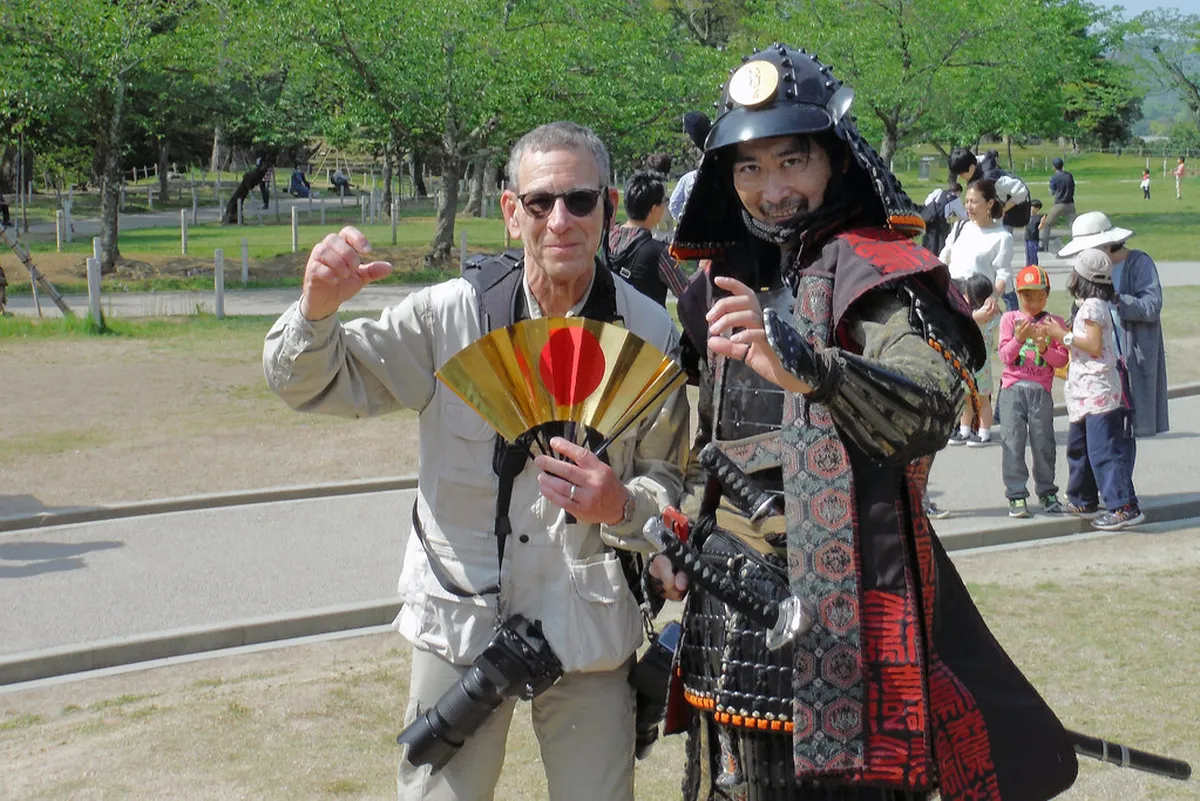
Matsudaira Fumai, the 7th lord of the Matsue domain, is the historical figure most associated with the region's tea culture. During his rule, he studied tea ceremony deeply and encouraged its practice among retainers and merchants. That effort embedded matcha and wagashi into the city's civic identity rather than confining them to the castle. Tea instructors in Matsue still reference his era when explaining why the city's approach favors restraint over display. His influence is why Matsue still supports working tea houses, confectionery workshops, and garden settings built specifically around the tea ceremony. Wagashi shops in the city routinely credit this lineage in shop histories displayed for customers. Present-day wagashi makers in Matsue trace their techniques and recipes directly to the standards Fumai set for the domain.
The Order of Operations: Why Wagashi Comes Before Matcha
In Sanin tea culture, the sweet is eaten first and the matcha follows, not the other way around. Eating the wagashi coats the palate with sugar, which softens the astringency and bitterness of thick, whisked matcha. Reversing the order, drinking matcha before the sweet, leaves the bitterness more pronounced and is generally considered poor form at a tea house. Hosts typically place the wagashi in front of you first; treat that as the cue to finish it before picking up the tea bowl. This isn't etiquette theater; it reflects how the sweets themselves are formulated, with more sugar than a typical Western dessert, specifically to offset the tea. Skipping the sweet and drinking matcha alone is common at home, but at a Sanin tea house, that isn't the pairing being offered.
Iconic Sanin Wagashi to Try: Wakakusa, Yamabuki, and Namagashi
Three categories of wagashi define a Sanin tea visit. Wakakusa remains the signature confection of the region: a soft, pastel-green sweet flavored and colored to evoke fresh spring grass. Yamabuki is another regional standard, named for the yellow kerria flower and typically built around a sweetened bean paste core. Namagashi, or wet sweets, are seasonal by design and change on a monthly cycle to reflect what's blooming at that time of year. Namagashi differ from higashi, the dry pressed-sugar sweets that keep longer and travel well as souvenirs. Plan to eat a namagashi within a day or two of purchase.
- Wakakusa: soft, pale-green sweet, the confection most associated with Matsue
- Yamabuki: bean-paste sweet named for the yellow kerria flower
- Namagashi: wet seasonal sweets that change monthly, shaped to match the season's flowers or motifs
- Higashi: dry pressed-sugar sweets that keep for weeks, a common souvenir choice
What to Expect During a Matcha and Wagashi Session
A typical session starts with the sweet course, usually a single piece of wagashi built around anko, sweetened red bean paste, served on a small plate. Finish the sweet completely before the host presents the tea. Matcha is whisked to order with a chasen, a bamboo whisk, until the surface turns frothy rather than stirred smooth. The bowl is typically turned so its front faces you. Turn it slightly before drinking, then turn it back before setting it down. Ask the host if the exact motion is unclear. A full session, from seating to the final sip, generally runs inside the same 45 to 90 minute window quoted for a formal ceremony.
Where to Drink Matcha in Matsue: Tea Houses and Garden Views
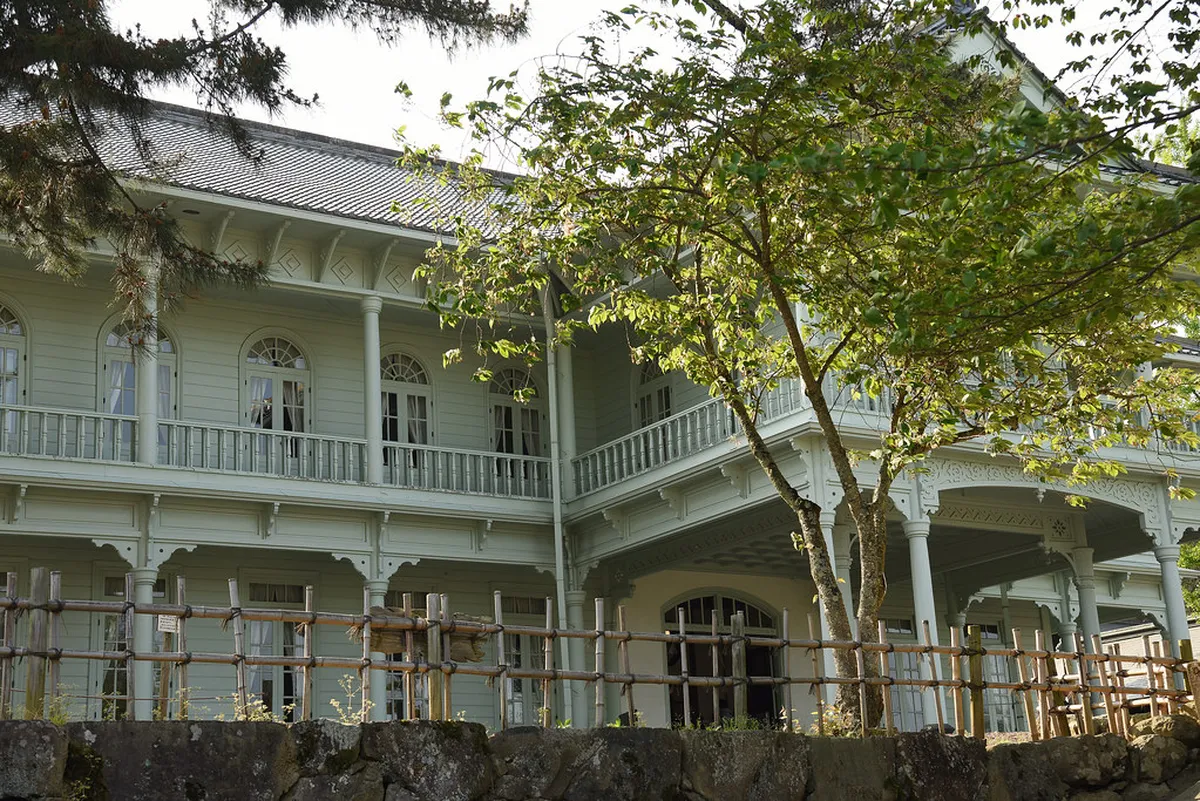
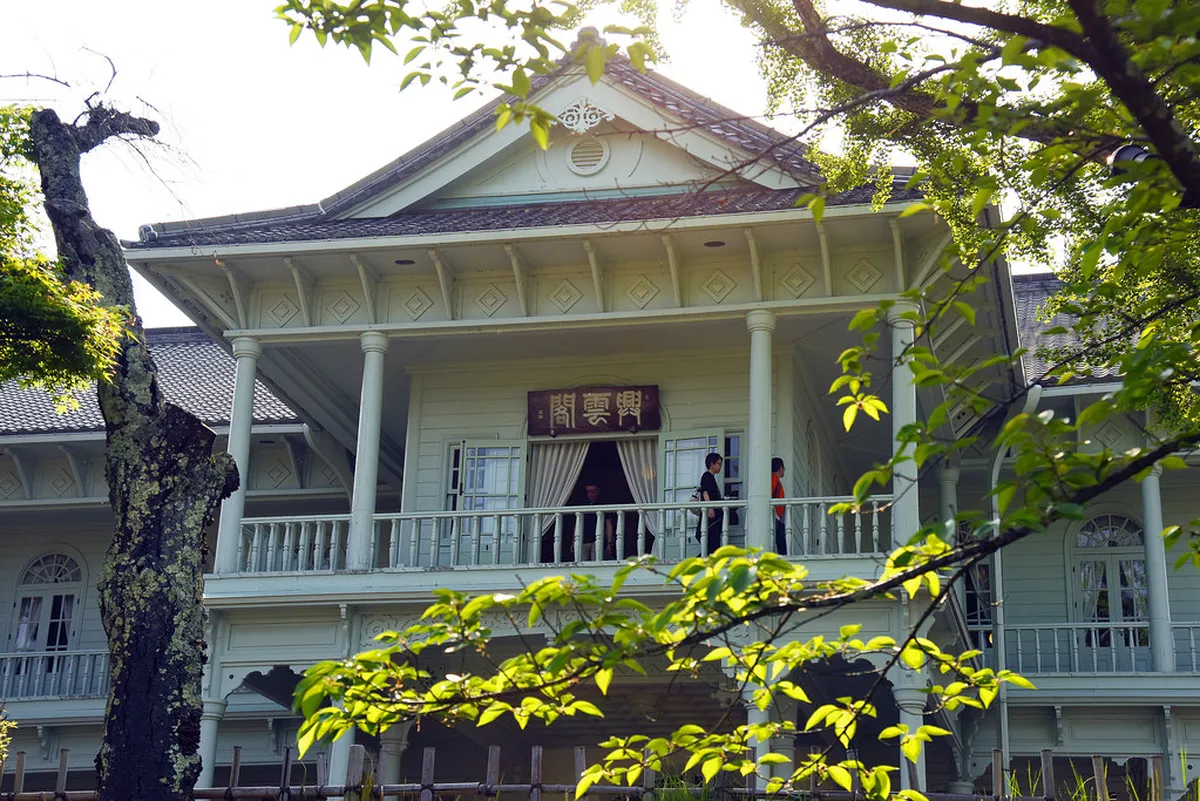
Gekka-an sits near Matsue Castle and serves matcha with seasonal wagashi in a garden setting close to the keep. Meimei-an is a preserved Edo-period tea house associated with Fumai's own tea practice, kept as a historic structure rather than a commercial cafe. The Adachi Museum of Art runs a tea room where you view the garden from your seat rather than walk through it. Confirm current hours and admission for each location directly before visiting, since tea-house schedules shift by season. All three sit within a manageable radius of central Matsue, making it realistic to combine two in a single afternoon. Seasonal wagashi at each location typically shift with the namagashi calendar described above, so a spring visit and an autumn visit rarely serve the same sweet.
With formal sessions running 45 to 90 minutes and the three major tea houses within a manageable Matsue radius, visitors can realistically experience two locations in one afternoon without rushing.
Formal Tea Ceremony or Casual Matcha Set: How to Choose
Sanin gives you two practical ways to experience matcha and wagashi, and the right pick depends on time and interest level. Formal tea ceremonies follow set procedure, often requiring booking ahead, and run 45 to 90 minutes for a cost of ¥2,000 to ¥5,000. A casual matcha and wagashi set, the kind served at museum cafes or castle-view tea rooms, takes 15 to 30 minutes and costs roughly ¥500 to ¥1,200. It is also walk-in friendly, unlike most formal ceremonies. First-time visitors and families generally do better with the casual set; travelers prioritizing slow travel and ceremonial detail should book the formal version in advance. Group visits and peak-season weekends make advance booking more important for the formal ceremony, since seating in a traditional tea room is limited.
| Feature | Formal Tea Ceremony | Casual Cafe Set |
|---|---|---|
| Time required | 45–90 minutes | 15–30 minutes |
| Cost range | ¥2,000–¥5,000 | ¥500–¥1,200 |
| Access | Often requires booking | Walk-in friendly |
| Best for | Cultural purists, slow travel | Families, first-timers |
Tea House Etiquette: Mistakes to Avoid
Etiquette mistakes are easy to make and just as easy to avoid. Sanin tea houses follow the same tatami-room etiquette expected elsewhere in Japan, with a handful of points that catch first-time visitors off guard.
- Do not step on the tatami mat borders; walk around the seams, not across them.
- Skip strong perfume or cologne before a visit, since scent competes with the aroma of the matcha and any incense in the room.
- Eat the entire wagashi before drinking the matcha, rather than alternating bites and sips.
- If a host signals to turn the tea bowl, turn it slightly before drinking and back again before setting it down; ask if the motion is unclear.
- Avoid lingering with a phone out during the tea service; treat it as a short, distraction-free block of time.
Namagashi Through the Seasons
Namagashi in Sanin follow the wider Japanese wagashi convention of matching shape and color to the current season, though exact designs vary by shop and month. Spring sweets often reference cherry blossoms or fresh greenery, echoing Wakakusa's own grass-green styling. Summer namagashi tend toward cooler textures, including agar-based jellies designed to feel refreshing in Sanin's humid months. Autumn designs commonly shift toward maple leaf and chestnut motifs, while winter sweets lean on plum blossom shapes ahead of the new year. Ask at any confectionery counter what the current month's design represents; most shopkeepers are used to explaining it to visitors. Because the calendar resets each month, no two visits in different seasons will show an identical wagashi case, even at the same shop.
- Spring: cherry blossom and fresh-greenery motifs
- Summer: cooling agar-based jellies
- Autumn: maple leaf and chestnut shapes
- Winter: plum blossom designs
Bringing Wagashi Home: What Travels Well
Namagashi are perishable and generally best eaten within a day or two, which makes them a poor choice for travelers heading straight to the airport. Higashi, the dry pressed-sugar sweets, keep for weeks in their packaging and travel well in a suitcase. Department store confectionery counters and station shops in Matsue typically stock boxed higashi alongside fresh namagashi, so ask specifically for the dry variety if buying sweets to take home. Confirm current stock and packaging options at the counter, since seasonal namagashi are not designed to survive a flight. Vacuum-sealed or individually wrapped higashi generally survive better than loosely boxed sweets, so ask the counter staff which packaging is available before deciding.
Planning a Sanin Tea and Wagashi Route
Building tea and wagashi into a broader itinerary works better than treating it as a standalone stop, since Matsue's food scene rewards a full day. Matsue works well as a full day built around wagashi and matcha, then pairs naturally with the rest of a Sanin food trip. For getting between Matsue and Tottori, check the Sanin Food Road Trip Itinerary: 7 Days From Tottori to Masuda. It maps driving times and stops across the region. For a wider view of regional dishes beyond sweets, the San'in Region Food Guide: Best Dishes to Try covers the area's cooking traditions. Seafood travelers can add the Sanin Winter Crab and Seafood Route: A 2026 Seasonal Guide to the same trip. Sake fans should look at the Sanin Sake Brewery Route: A 3-Day Guide to Tottori and Shimane's Jizake Towns, since several breweries sit within reach of Matsue's tea houses. The Sanin fishing ports guide rounds out a full day with morning market stops before an afternoon of tea. Each of these routes stays within Shimane and neighboring Tottori, so none requires backtracking far from Matsue.
Frequently Asked Questions
What makes Matsue's tea culture different from Kyoto's?
Matsue's tea culture centers on Matsudaira Fumai's patronage rather than court or temple tradition, and it is woven into daily confectionery shops rather than concentrated in ceremonial settings. Matsue is also grouped with Kyoto and Kanazawa as one of Japan's three major tea and wagashi centers, but its signature sweet, Wakakusa, is distinct to the region.
What is namagashi, and how often does it change in Sanin?
Namagashi are wet, fresh wagashi made with ingredients like bean paste and mochi, distinct from dry higashi sweets. In Sanin, namagashi designs and flavors change on a monthly cycle to track the season's flowers and motifs. The sweet on offer in April will not be the one on offer in October.
Do you eat the wagashi before or after drinking matcha?
Eat the wagashi first, then drink the matcha. Sugar from the sweet softens the astringency of the tea, which is the reason Sanin tea houses serve the plate before the bowl.
How much does a matcha and wagashi set cost in Matsue?
A casual matcha and wagashi set at a museum or castle-view cafe typically runs ¥500 to ¥1,200 for 15 to 30 minutes. Formal tea ceremonies cost more, generally ¥2,000 to ¥5,000, and take 45 to 90 minutes.
What should you avoid doing at a Sanin tea house?
Avoid stepping on the tatami mat borders, wearing strong perfume, and drinking the matcha before finishing the wagashi. Booking ahead for a formal ceremony also avoids being turned away, since walk-ins are mainly accepted at casual cafe sets.
Do Meimei-an and Gekka-an require reservations?
Policies vary by season and by whether a group tour is booked, so confirm current reservation rules directly with each site before visiting. Casual matcha sets at cafe-style locations, including the one at the Adachi Museum of Art, tend to be walk-in friendly.
What's the best time of year to see seasonal namagashi change?
Namagashi shift on a monthly cycle, so no single month is the definitive best time to visit. A seasonal transition, such as late March into April or late October into November, gives a good chance of catching a design tied to that shift. Confectionery counters typically update their case within the first week of a new month.
Free guide: Japan's Hidden Gems
12 under-the-radar places beyond Tokyo & Kyoto — with the best season to visit each and a local tip you won't find in the guidebooks.
You might also like


Continue reading
More guides you'll find useful


