

Sanin Fish Markets and Ports: A Traveler's Guide to Tottori and Shimane's Seafood Coast
Plan a Sanin fish markets and ports trip across Tottori and Shimane, from Sakaiminato's crab auction to Hamada's nodoguro, with 2026 seasonal timing tips.
On this page
Last updated August 2026, Sanin fish markets and ports along the Tottori and Shimane coastline split into pre-dawn auction docks and slower-paced retail markets. Sakaiminato, Tottori Karoichi, and Hamada Port each specialize in a different catch, from Matsuba crab season to nodoguro sold dockside. This guide compares the three ports, breaks down crab seasons, and covers how to travel between them along the coast.
Sanin Fish Markets and Ports: An Overview of the Sea of Japan Coast
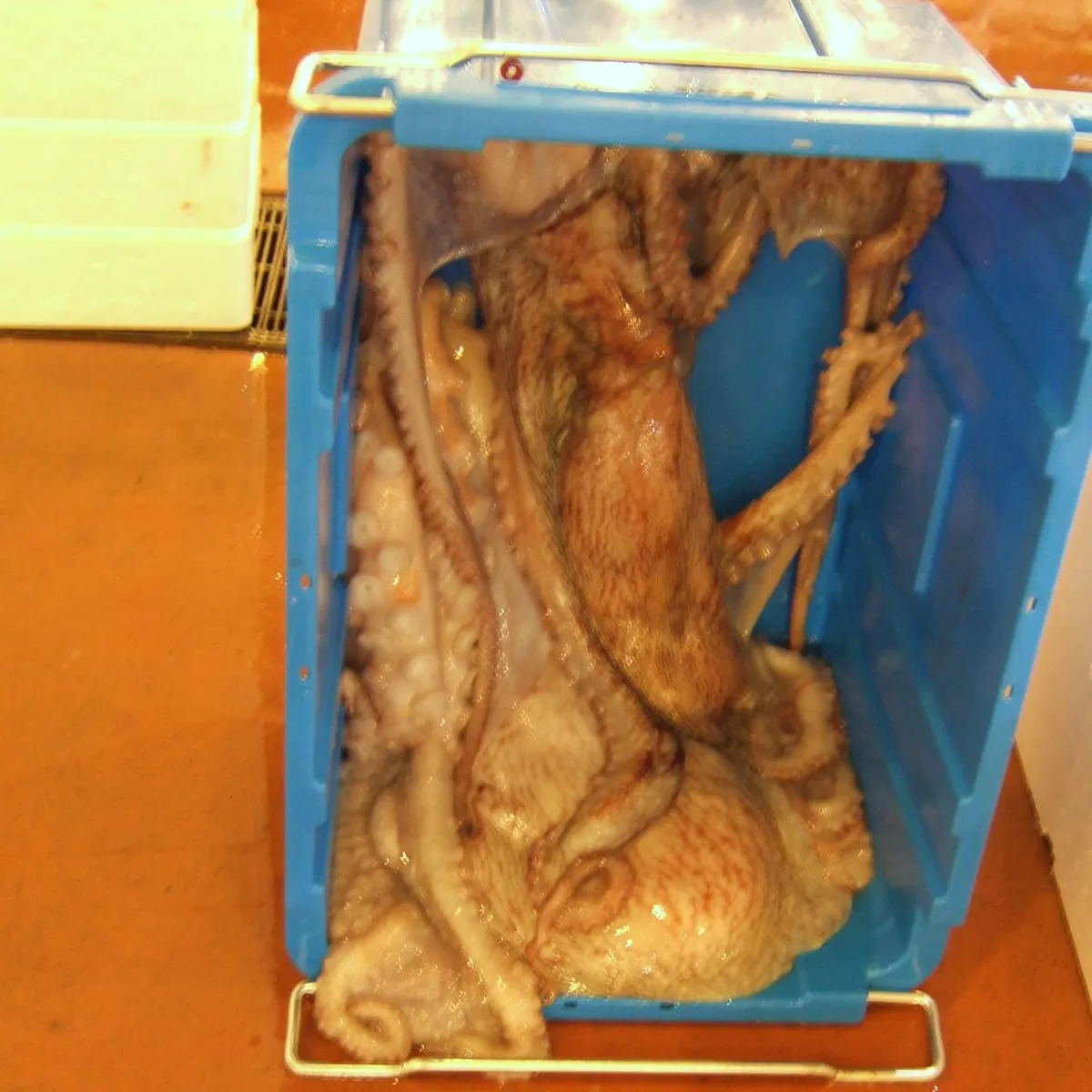
Tottori and Shimane prefectures share a Sea of Japan coastline lined with fishing ports that run on two different clocks. Wholesale auction docks like Sakaiminato open before dawn and wind down by mid-morning. Retail markets such as Tottori Karoichi and Hamada Port keep stalls open later, through breakfast and into early afternoon. Each of the three ports specializes in a different catch, summarized below. Treat them as complementary stops, since none replicates what the other two do best. For a wider look at what these ports feed into, the San'in Region Food Guide: Best Dishes to Try covers regional dishes beyond the dock.
| Port | Best For | Signature Catch | Ease of Access |
|---|---|---|---|
| Sakaiminato (Tottori) | Wholesale auction viewing and crab buying | Matsuba and Benizuwai crab | Car recommended; earliest hours of the three |
| Tottori Karoichi (Tottori City) | Retail browsing, breakfast, prepared food | Local seasonal catch and produce | Central in Tottori City; easiest casual visit |
| Hamada Port (Shimane) | On-site dining around a single specialty | Nodoguro (rosy seabass) | Farthest west; more driving time from Tottori City |
Sakaiminato: Japan's Premier Crab Port
Sakaiminato, on the Tottori side of the coast, is the port most associated with the region's crab trade. Its Nakaura market area centers on an early-morning wholesale auction. Boats unload overnight catches, and buyers bid on crates before the fish move to processors and restaurants citywide. Public viewing is possible at the auction, but it remains a working wholesale operation rather than a tourist show. Keep back from the loading floor and the pallets and forklifts in motion. Matsuba crab is the port's headline catch during its winter season, and the Sanin Winter Crab and Seafood Route: A 2026 Seasonal Guide maps a trip around it. This port handles most of the region's Benizuwai trade alongside Matsuba, since both move through the same wholesale auction. Because Sakaiminato runs on wholesale hours, an early start matters if the auction itself is the goal. Check current posted times locally before the trip, since schedules shift with the catch.
Tottori Karoichi: The Kitchen of Tottori
Tottori Karoichi sits in Tottori City and works as a retail market rather than a wholesale auction floor. That makes it the easier of the two Tottori stops for a casual visit. Stalls sell fish, produce, pickles, and prepared food side by side, built for browsing and eating on the spot rather than bulk buying. Like Sakaiminato's Nakaura, Karoichi runs on an early schedule and winds down by mid-afternoon, so a mid-morning arrival still catches a full spread of vendors. Breakfast here works well before continuing along the coast. It pairs naturally with an early departure toward the ports further west.
Hamada Port and the Nodoguro Catch
Hamada Port sits on the Shimane side of the Sanin coast. It's best known for nodoguro, or rosy seabass, a catch that commands a premium over most other whitefish sold along the coast. Its identity centers on nodoguro the way Sakaiminato's centers on crab. Plan a stop here specifically for travelers who want the fish close to where it lands. Farther west than Sakaiminato and Karoichi, Hamada requires extra driving time worked into a coastal itinerary rather than a quick add-on.
Matsuba vs Benizuwai: A Seasonal Crab Guide
Two different crabs share the Sanin coast's ports, and confusing them leads to overpaying or missing the better everyday option. Matsuba crab is the winter specialty, typically available November through March, and it's the rarer, pricier catch that drives seasonal demand at Sakaiminato. Benizuwai crab has a longer season and a lower price point, making it the more accessible everyday choice at market stalls outside the peak Matsuba months. Travelers planning specifically around the winter catch should time a visit to Sakaiminato for the Matsuba season.
- Matsuba crab: winter season, roughly November through March; the rarer, pricier catch tied to Sakaiminato's peak trade
- Benizuwai crab: longer season, generally more affordable, and easier to find outside peak winter months
Lake Shinji and the Shijimi Clam Harvest
Lake Shinji, near Matsue in Shimane, adds a fourth catch to the Sanin coast, one that isn't from the Sea of Japan at all. Shijimi clams are harvested from the lake itself. Local menus around Shimane use the clams in miso soup, an easy, inexpensive way to try the lake's specialty. It's a smaller-scale, inland complement to the three main ports, worth a stop for travelers already routing through Matsue rather than a dedicated detour. Matsue also sits within reach of Sakaiminato, and travelers connecting the two can treat the drive as a simple addition to a coastal food itinerary. Pair a Matsue stop with Sanin's wagashi and matcha tea culture, since the city suits both. Round out the trip with Sanin's broader attractions beyond food and markets.
Getting Around the Sanin Coast Ports
These three ports sit across two prefectures, Tottori and Shimane. Public transit between them is limited, so a rental car is the practical option for visiting more than one port in a day. A car also matters because auction and market hours end by early-to-mid-afternoon, so flexible timing helps catch each port before it closes. Plan a loop that starts in Tottori City and finishes in Shimane, or reverse it, so market hours and driving time line up. Budget a full day for the coastal loop connecting all three ports, since driving times between them add up faster than the straight-line map distance suggests. Confirm current train and bus connections locally if driving isn't an option, since coastal rail service runs on a limited schedule and doesn't reach every port directly. For a full route that sequences these stops with sake breweries and other coastal food stops, the Sanin Food Road Trip Itinerary: 7 Days From Tottori to Masuda lays out a driving order.
Where to Eat Kaisendon and Sushi Market-Side
All three ports support on-site or nearby dining built around the day's catch, typically kaisendon (a raw seafood rice bowl) or counter sushi. Karoichi's prepared-food stalls make it the simplest of the three for a sit-down or grab-and-go breakfast, since vendors sell ready-to-eat portions alongside whole fish. Sakaiminato's dining options cluster around the crab trade, from simple crab-topped rice bowls to more involved set meals. Hamada's restaurants center on nodoguro, often served simply, since the fish's own flavor is the draw rather than heavy preparation. Expect simple preparations at all three stops, since the point is the catch itself rather than elaborate plating. Pair a market stop with a sake tasting using the Sanin Sake Brewery Route: A 3-Day Guide to Tottori and Shimane's Jizake Towns to plan both in the same day.
Auction Etiquette and Mistakes to Avoid
Sakaiminato's auction floor is a working wholesale operation, and visitors need to follow the same basic rules as at any Japanese fish auction. Skip flash photography, since it can startle handlers and disrupt bidding. Stay off the loading floor and out of the path of forklifts and hand carts moving crates between boats and buyers. Don't touch fish or crates set aside for auction, even ones that look unclaimed, since they're still part of an active sale. Auction hours are early and can shift with the day's catch, so checking current posted times beats guessing based on a previous visit.
Frequently Asked Questions
What is the best time of day to visit Sanin fish markets?
Early morning is best across all three ports, since auction and retail hours wind down by mid-afternoon. Sakaiminato's auction and Karoichi's stalls are both at their fullest before mid-morning. Arriving early gives the widest selection and the best chance to see auction activity at Sakaiminato.
Can tourists watch the fish auctions in Sakaiminato?
Public viewing is possible at Sakaiminato's auction area, but it remains a working wholesale operation rather than a staged show. Keep back from the loading floor, skip flash photography, and don't touch fish or crates set aside for sale.
Which Sanin port is best for eating fresh sushi on-site?
Tottori Karoichi has the most straightforward on-site dining, with prepared-food stalls selling ready-to-eat kaisendon and sushi alongside whole fish. Sakaiminato and Hamada both have nearby dining options too, built respectively around crab and nodoguro.
What is the difference between Matsuba crab and Benizuwai crab?
Matsuba crab is the winter specialty, generally available November through March, and it's the pricier, more limited catch. Benizuwai crab has a longer season and a lower price point, making it the more accessible everyday choice outside peak winter months.
How do I get from Matsue to the Sakaiminato fish markets?
A rental car is the practical option, since the two sit within the same coastal stretch of Tottori and Shimane but aren't tightly linked by public transit. Confirm current train and bus schedules locally if driving isn't an option, since coastal rail service runs on a limited timetable.
Free guide: Japan's Hidden Gems
12 under-the-radar places beyond Tokyo & Kyoto — with the best season to visit each and a local tip you won't find in the guidebooks.
You might also like


Continue reading
More guides you'll find useful


