

San'in Region Itinerary: A 4-Day Matsue-Izumo-Tottori Loop
Plan a 4-day san'in region itinerary through Matsue, Izumo Taisha, and Tottori with real train times, ticket prices, and lodging tips for 2026.
On this page
A san'in region itinerary lets first-time visitors trade Tokyo's crowds for quiet shrines, castle towns, and coastal dunes. This 4-day loop links Matsue, Izumo Taisha, and Tottori by two real limited express trains, the Yakumo and Super Hakuto. We built it for travelers who want a manageable regional trip, not a longer marathon across five prefectures.
Last updated for 2026, this guide covers realistic train times, ticket prices, and opening hours for each stop. We recommend starting from Okayama or Osaka, since reaching San'in by rail is straightforward from either hub. In our view, four days works if you accept one or two efficient train legs on most days.
Below you will find the day-by-day plan, plus transit specifics, lodging picks, and a bonus day-trip idea. Grouping stops by neighborhood keeps backtracking low across Shimane and Tottori prefectures.
4-Day San'in Region Itinerary: At a Glance
This san'in region itinerary moves in one direction: Matsue first, then Izumo Taisha, then Tottori before the return leg. Each day pairs one major sight with a slower, local moment, so mornings and evenings do not feel rushed. Below is the condensed version; the full day-by-day plan follows in the next section.
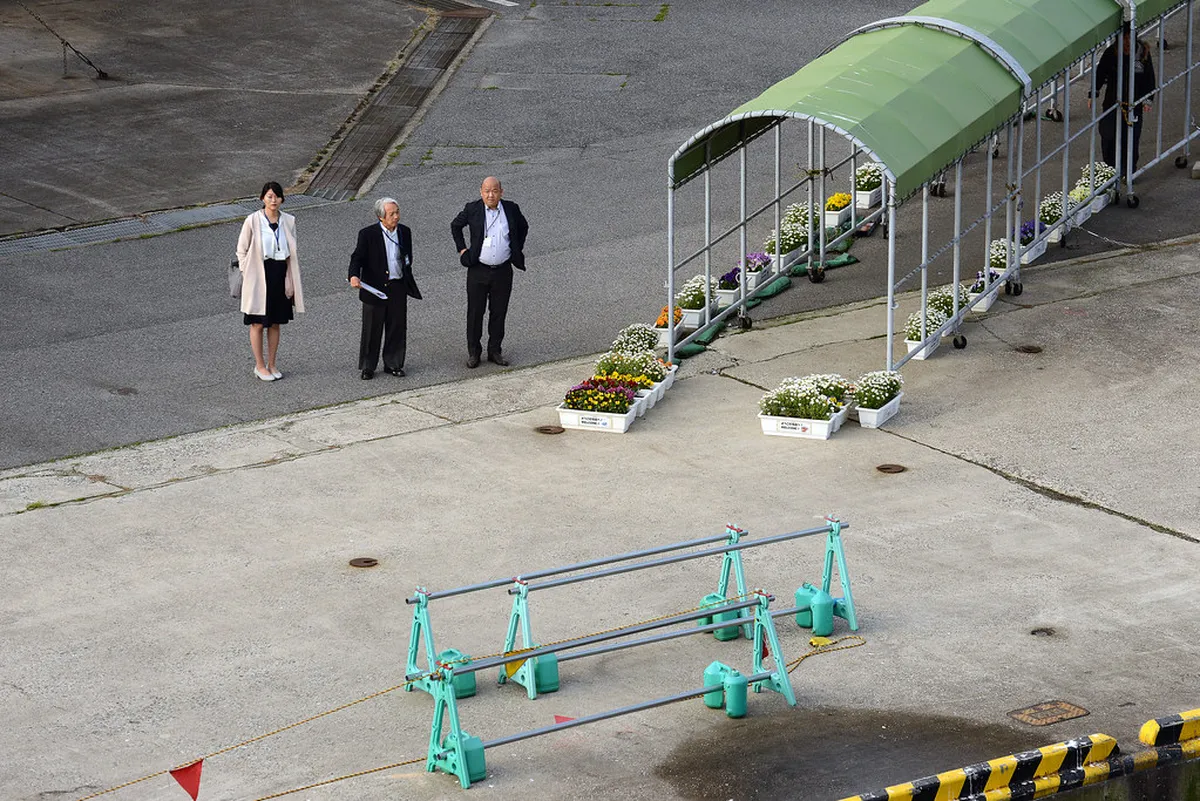
Matsue anchors the loop with its castle and lakeside views, while Izumo Taisha adds a half-day shrine visit. Tottori closes the trip with sand dunes and a retro shopping street before the ride back toward Kansai. We kept train transfers to one or two per day to limit fatigue.
Adjust the order if you arrive from Hiroshima instead of Okayama, since the Yakumo still links Yonago and Matsue. Rainy-day travelers can swap open-air dune time for the covered Sand Museum, noted in the swaps below.
- Day 1: Matsue castle town and lakeside sunset
- Morning: Yakumo train ride into Matsue
- Afternoon: Matsue Castle and samurai district walk
- Evening: Sunset over Lake Shinji
- Day 2: Izumo Taisha and sacred shrine grounds
- Morning: Ichibata Railway to Izumo Taisha
- Afternoon: Shrine grounds and Kaguraden hall
- Evening: Izumo soba dinner in Matsue
- Day 3: Tottori Sand Dunes and coastal scenery
- Morning: Train transfer toward Tottori Station
- Afternoon: Tottori Sand Dunes and Sand Museum
- Evening: Settle into Tottori city lodging
- Day 4: Sand Museum finale and journey home
- Morning: Final dune views or Sand Museum
- Afternoon: Super Hakuto train toward Kyoto
- Evening: Arrive back in the Kansai region
Your Day-by-Day San'in Region Itinerary
Day one starts with the Yakumo limited express, which links Okayama and Matsue in about two hours forty minutes. Reserved seats typically run ¥6,000 to ¥7,000 one way, and weekend trains fill fast during cherry blossom season. Matsue Castle costs around ¥680 for adults and keeps summer hours of 8:30 AM to 6:30 PM. For a fuller list of stops, our Matsue attractions guide covers the castle district in more depth.
Book your Yakumo and Super Hakuto reserved seats 2–3 weeks ahead during peak season (cherry blossom and autumn foliage). Walk-up unreserved cars exist but fill on weekends and holidays, and you may end up standing for 2+ hours.
Most visitors reach Izumo Taisha from Matsue on the private Ichibata Railway, changing once at Kawato Station. The one-hour ride costs about ¥820 one way, and the shrine grounds themselves are free to enter. The Kaguraden's shimenawa rope stretches over 13 meters long and weighs more than five tons, a scale photos rarely capture. Our Izumo Taisha area guide lists nearby soba shops for the evening return to Matsue.
Day three moves the loop toward Tottori, usually a two-hour ride on a regional limited express. We recommend storing luggage in station lockers before tackling the Tottori Sand Dunes on foot or by sandboard. The dunes are free and open around the clock, though sandboarding sessions run about ¥4,500 to ¥5,500 plus insurance. Crowds thin noticeably after 4 PM, a detail most guidebooks skip.
Visit the Tottori Sand Dunes after 4 PM to avoid midday crowds. Late afternoon light creates better photos without dozens of visitors in the frame, and the dune experience feels far more serene.
The final morning leaves room for the covered Sand Museum, useful if wind or rain rules out the open dunes. By early afternoon, board the Super Hakuto limited express toward Kyoto or Shin-Osaka to close the loop. That ride also runs close to two hours forty minutes, with reserved fares near ¥6,000. See our Tottori attractions roundup for extra stops if your train departs later in the day.
| Day | Base | Highlights |
|---|---|---|
| Day 1 | Matsue | Matsue Castle, Lake Shinji sunset, samurai district |
| Day 2 | Matsue | Izumo Taisha by train, Kaguraden shrine, izumo soba |
| Day 3 | Tottori | Tottori Sand Dunes, sandboarding, dune views |
| Day 4 | Tottori | Sand Museum or dune revisit, Super Hakuto departure |
- Day 1: Arrival in Matsue via the Yakumo express
- Morning: Board the Yakumo limited express from Okayama
- Afternoon: Check in and tour Matsue Castle grounds
- Evening: Watch the sunset from Lake Shinji's shoreline
- Time: About 2 hours 40 minutes by train
- Logistics: Reserve a seat online before peak weekends
- Optional: Skip the moat boat ride if raining
- Day 2: Izumo Taisha shrine and sacred grounds
- Morning: Ride the Ichibata Railway toward Izumo Taisha
- Afternoon: Walk the shrine grounds and Kaguraden hall
- Evening: Return to Matsue for izumo soba noodles
- Time: About 1 hour each way by train
- Logistics: Transfer once at Kawato Station en route
- Optional: Add the Shimane Museum for rainy weather
- Day 3: Crossing to Tottori and the sand dunes
- Morning: Check out and ride toward Tottori Station
- Afternoon: Walk or sandboard the Tottori Sand Dunes
- Evening: Settle into a Tottori city guesthouse
- Time: Roughly 2 hours by limited express train
- Logistics: Store luggage at Tottori Station lockers first
- Optional: Swap sandboarding for the covered Sand Museum
- Day 4: Dune views and the ride home
- Morning: Revisit the dunes or the Sand Museum
- Afternoon: Board the Super Hakuto toward Kyoto
- Evening: Arrive back in Kansai for onward travel
- Time: About 2 hours 40 minutes to Kyoto
- Logistics: Reserve seats early on holiday weekends
- Optional: Break the ride with a Kinosaki stop
Getting Around San'in: Yakumo and Super Hakuto Trains
San'in is rail-friendly but not dense, so plan around limited express trains rather than frequent local services. The Yakumo connects Okayama, Yonago, and Matsue, while the Super Hakuto links Kyoto and Osaka with Tottori. Both trains require a limited express surcharge on top of the base fare, payable at any JR ticket window.
Reserve seats through the JR West official website a few days ahead during holidays and cherry blossom season. Regional buses fill the gaps around Tottori Sand Dunes and Sakaiminato, usually costing ¥300 to ¥400 per ride. Renting a car adds flexibility for coastal detours but is not required for this loop.
Our San'in transport guide breaks down rail pass options if you plan to extend the trip. Most travelers do not need a car for Matsue, Izumo, or central Tottori, since stations sit near the main sights. We would only add one if pushing further into the Oki Islands or the rural coastline.
Where to Stay: Choosing Your Base in San'in
Matsue makes the strongest single base for nights one and two, since it sits between Izumo and the Tottori-bound trains. Business hotels near the station run about ¥8,000 to ¥15,000 a night, while lakeside ryokan start closer to ¥20,000. Booking two or three months out matters most during spring and autumn foliage weekends.
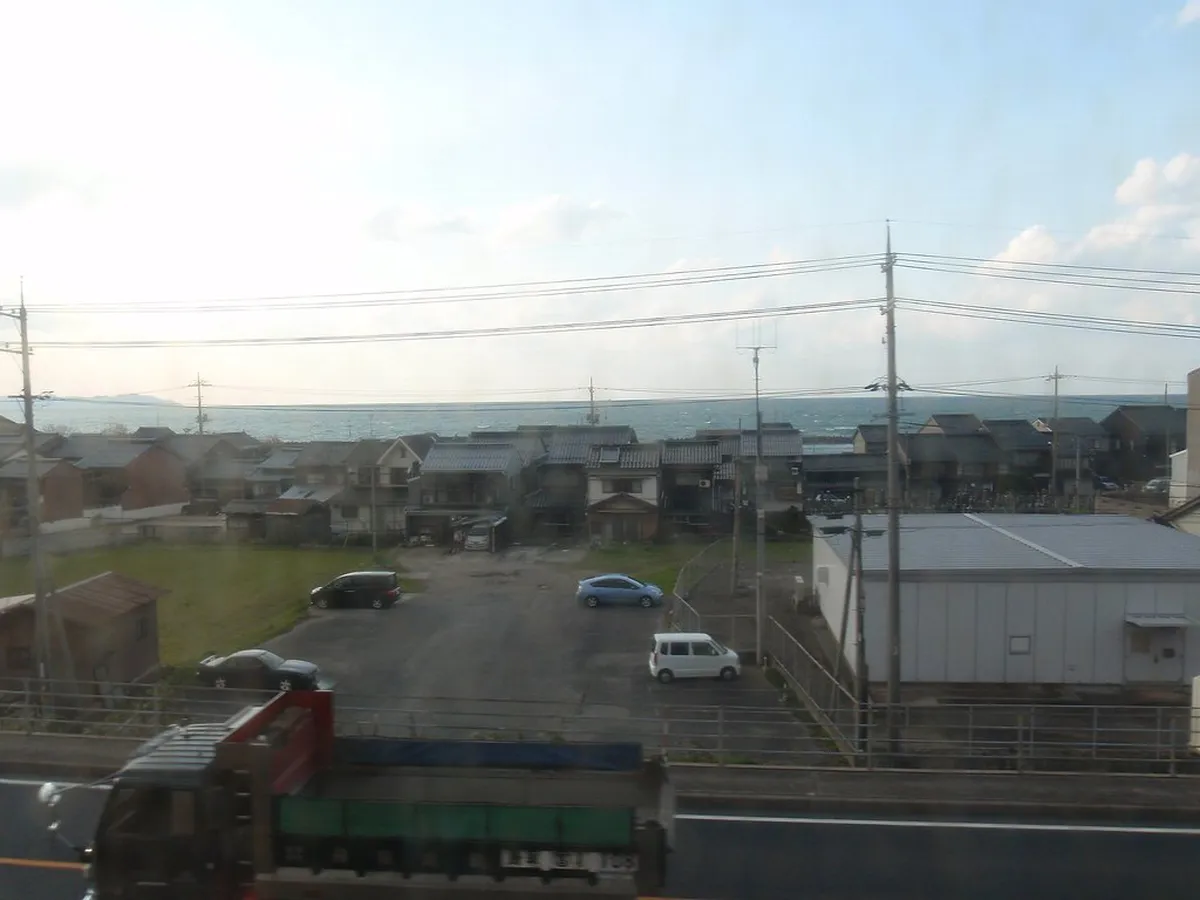
Travelers craving an onsen finish should base in Tamatsukuri Onsen, a short bus ride from Matsue Station. Many ryokan there require dinner reservations by 5 PM the day before arrival, so book early in your stay. Check our San'in onsen guide for specific ryokan picks and typical price bands.
Tottori city works well for the final night before an early Super Hakuto departure. Guesthouses near the station run ¥6,000 to ¥10,000 a night, cheaper than most Matsue options. We would skip a Tottori base only if arriving late and needing dune access at sunrise.
- Matsue: Best Overall Base for the Loop
- Business hotels near Matsue Station run about ¥8,000 to ¥15,000 a night, fitting most trip budgets.
- Lakeside ryokan start near ¥20,000 a night and often include a full kaiseki dinner course.
- Matsue sits within roughly an hour of both Izumo Taisha and the Tottori-bound trains.
- Izumo: Quiet Choice Near the Shrine
- A short walk from Izumo Taisha suits travelers who want an early, uncrowded shrine visit.
- Guesthouse rates typically fall between ¥6,000 and ¥11,000 per night in the shrine town.
- Fewer dining options exist here than in Matsue, so plan an early dinner reservation.
- Tottori: Convenient for the Return Leg
- Guesthouses near Tottori Station charge roughly ¥6,000 to ¥10,000 a night for a simple room.
- Staying here shortens the walk to both the sand dunes and the morning departure platform.
- It suits travelers who prioritize dune sunrise light over a late-night dining scene.
Book in Advance: Trains, Tours, and Ryokan Dinners
A few bookings deserve attention before you leave home, since San'in runs on tighter windows than Tokyo or Kyoto. Reserved seats on the Yakumo and Super Hakuto sell out fastest around Golden Week and autumn foliage weekends. Book those through the JR West site or a ticket window two to three weeks ahead in peak season.
Tottori Sand Dunes sandboarding runs three sessions a day and often fills by late morning in summer holidays. We suggest booking the day before, or first thing on arrival, once you know your afternoon schedule. A ninety-minute Segway tour of the dunes also fills quickly and books best one to two days ahead.
Ryokan dinner service is the easiest reservation to miss, and it carries the strictest cutoff of the trip. Most Matsue and Tamatsukuri properties need your dinner order by 5 PM the day before you arrive. Confirm this at check-in on day one so nothing falls through by day two.
- Yakumo and Super Hakuto Reserved Seats
- Book both limited express legs online two to three weeks ahead during peak seasons.
- Walk-up unreserved cars exist but fill first on weekend and holiday departures.
- Tottori Sand Dunes Sandboarding Sessions
- Reserve a morning or midday slot the day before for the best availability.
- Sessions cost about ¥4,500 to ¥5,500 plus a required ¥500 insurance fee.
- Dune Segway Tour Bookings
- The ninety-minute Perfect Course costs about ¥9,800 with a Japanese-speaking guide.
- English-guided tours run closer to ¥14,800 and should be booked two days out.
- Ryokan Dinner Reservations in Matsue
- Most kaiseki dinners require an order placed by five PM the prior day.
- Confirm your meal time at check-in to avoid a missed dinner seating.
Is 4 Days Enough, or Add a Day Trip?
Four days covers Matsue, Izumo Taisha, and Tottori comfortably if you accept one or two train transfers daily. Travelers who prefer a slower pace, or who want the Oki Islands, should read our San'in trip-length guide first. In our view, four days is tight but workable for a first visit focused on the three headline stops.
If your return route passes through Kyoto's northern coast, consider a stopover in the San'in Kaigan Geopark near Kyotango. The geopark's rock formations and coves sit outside most itinerary guides, which stop at the Tottori border. Local detail on one coastal spot in the area is available through the Kyoto by the Sea DMO site.
This extension works best with a rental car, since regional trains along that stretch run infrequently. Budget an extra half day, plus one more night, if you add this coastal detour to the loop. Skip it if your priority is efficiency, since it adds real travel time for a modest scenic payoff.
A second option is a short detour to Sakaiminato's Mizuki Shigeru Road, near Yonago on the Matsue-Tottori route. The bronze character statues cost nothing to browse, and a loop bus links the station for about ¥300. This detour fits more easily into day three than the geopark option, since it barely lengthens the ride.
What This 4-Day San'in Loop Costs
Budgeting for this loop is straightforward once you add the two train legs to a few nights of lodging. Reserved seats on the Yakumo and Super Hakuto together run close to ¥12,000 to ¥14,000 round trip, and the Ichibata Railway to Izumo Taisha adds about ¥1,640 for the round trip from Matsue. Meals run ¥3,000 to ¥5,000 a day for casual soba, izakaya, and convenience-store breakfasts, more if you book a kaiseki dinner at a Matsue ryokan. All told, we would budget roughly ¥55,000 to ¥85,000 per person for the four days, not counting the train ride in from Okayama or Osaka.
- Trains: Yakumo and Super Hakuto reserved seats run about ¥12,000 to ¥14,000 round trip combined; add ¥1,640 for the Izumo Taisha side trip.
- Sights: Matsue Castle costs ¥680, Izumo Taisha is free to enter, and sandboarding at the dunes runs ¥5,000 to ¥6,000 with insurance.
- Lodging: Three nights in business hotels or guesthouses land between ¥20,000 and ¥35,000 total per traveler.
- Meals: Budget ¥3,000 to ¥5,000 a day for soba and izakaya meals, more for a ryokan kaiseki dinner.
Frequently Asked Questions
Is a 4-day san'in region itinerary enough for first-time visitors?
Four days works well for first-time visitors focused on Matsue, Izumo Taisha, and Tottori. It covers the three headline stops with one or two train transfers daily. Add a fifth day if you want the Oki Islands or a coastal geopark detour.
How do you get from Matsue to Izumo Taisha?
Take the private Ichibata Railway from Matsue Shinjiko Onsen Station, transferring once at Kawato Station along the way. The ride takes about one hour and costs roughly ¥820 one way for a standard ticket. Trains run through the day, so no advance reservation is ever needed.
What is the best time of year to visit the San'in region?
Spring and autumn bring the mildest weather and the best dune and garden views across the region. Summer suits sandboarding but arrives with more humidity and heat along the coast. Winter runs quieter and cheaper, though some coastal buses operate on a reduced schedule.
Do you need a rental car for this San'in itinerary?
No, this 4-day loop runs entirely on trains and short local buses without any driving required. A car only helps if you extend the trip into the San'in Kaigan Geopark or rural coastline. Most travelers find the rail network fully sufficient for Matsue, Izumo, and Tottori.
Is Matsue Castle or Izumo Taisha better for a first visit?
They serve different purposes, so most travelers end up visiting both rather than picking just one. Matsue Castle offers panoramic town views for about ¥680 in general admission. Izumo Taisha offers free entry and a deeper look at Shinto tradition and shrine architecture.
A san'in region itinerary rewards travelers willing to trade Tokyo's density for slower mornings and real train time. Four days is enough to see Matsue Castle, Izumo Taisha, and the Tottori Sand Dunes without feeling rushed. Lock in your Yakumo and Super Hakuto seats early, and the rest of the trip mostly plans itself.
Whichever pace you choose, this loop delivers castle towns, sacred shrines, and dramatic coastline in one manageable trip. We hope the day-by-day plan above saves you the guesswork many first-time San'in travelers face.
Free guide: Japan's Hidden Gems
12 under-the-radar places beyond Tokyo & Kyoto — with the best season to visit each and a local tip you won't find in the guidebooks.
You might also like


Continue reading
More guides you'll find useful


