San'in Onsen Guide: Where to Soak in 2026
Our san'in onsen guide covers Tamatsukuri, Kaike, and Misasa hot springs, plus etiquette, costs, and transport tips for planning a smooth 2026 trip.
On this page
This san'in onsen guide covers three very different hot spring towns worth building a trip around. Tamatsukuri, Kaike, and Misasa each offer a distinct type of water, setting, and pace. We'll walk through what makes each town worth a stop, plus the etiquette every visitor should know.
San'in sits along Japan's less-crowded western coast, spanning Shimane and Tottori prefectures. That relative quiet makes its onsen towns feel more local than famous hot spring resorts near Tokyo. Expect practical tips on costs, timing, transport, and bathing manners throughout this 2026 guide.
Last updated July 2026.
Tamatsukuri Onsen: Matsue's Beautifying Waters
Tamatsukuri Onsen sits along the gentle Tamayu River about twenty minutes from central Matsue. Local tradition calls the alkaline spring bijin-no-yu, or beautifying water, for its soft mineral feel. Willow trees line the riverside path, and the walk from Tamatsukuri Onsen Station takes under ten minutes.
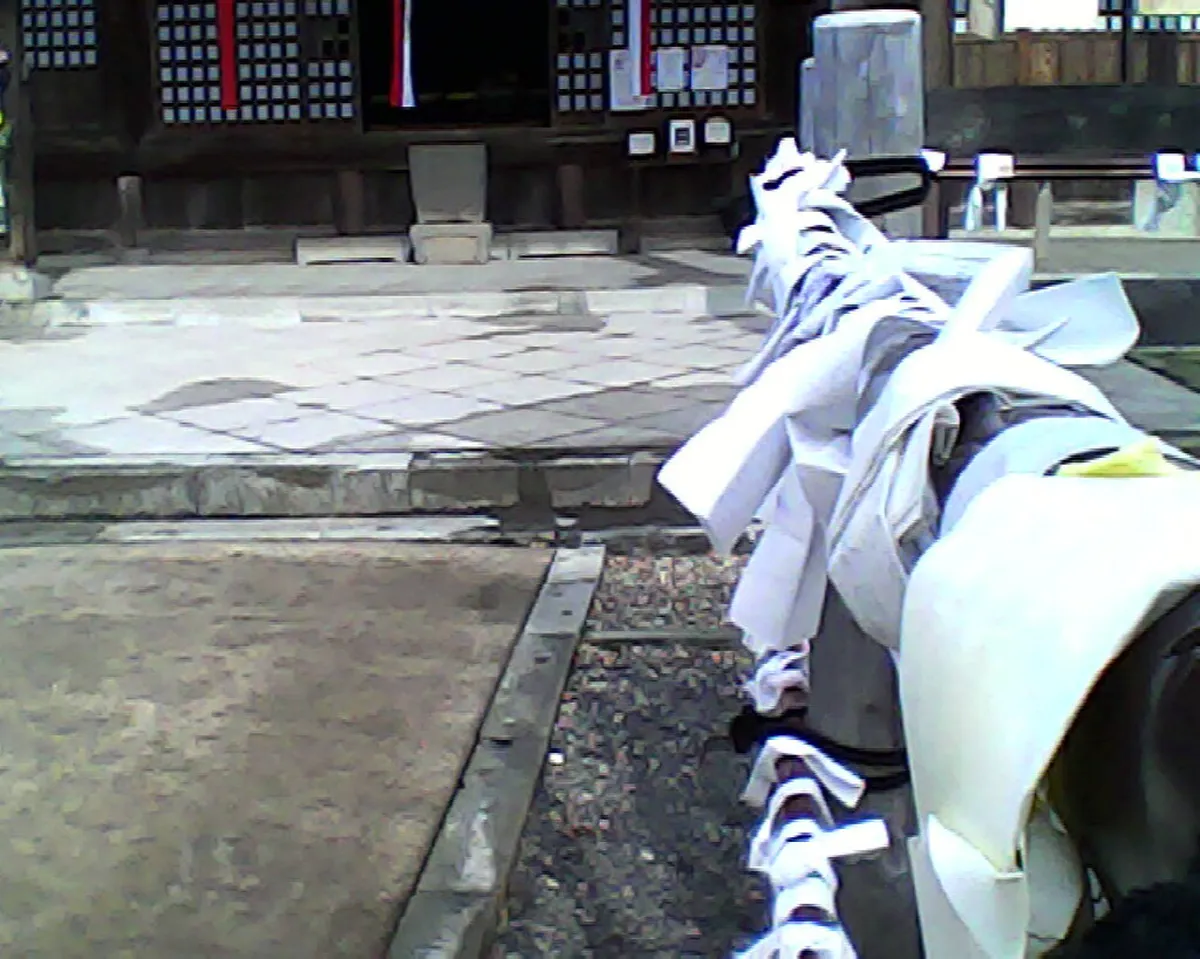
Free foot baths line the main street at Tamatsukuri, letting you test the water's soft feel before booking a full stay.
Many visitors pair a soak here with a day exploring nearby Matsue attractions like Matsue Castle. Day-use bathing at riverside ryokan often costs between roughly 700 and 1500 yen per adult. Several properties close day bathing around 8 or 9pm, so plan your visit earlier in the afternoon.
Tamatsukuri also works well as a base for visiting Izumo attractions like Izumo Taisha shrine. Free foot baths line the main street, so you can test the water before booking a full stay. Reserve a room early during autumn foliage season, when riverside ryokan fill up quickly.
Kaike Onsen: Seaside Soaking Near Yonago
Kaike Onsen sits directly on the Sea of Japan coast, a short drive from central Yonago. Chloride-rich water here feels warming and slightly salty, distinct from Tamatsukuri's softer alkaline spring. A long pine-backed beach stretches beside the ryokan strip, making sunset soaks a local favorite.
The resort area sits roughly fifteen minutes by car or taxi from central Yonago Station. Day-use bathing typically runs from mid-morning until early evening, though hours vary by ryokan. Expect to pay somewhere around 600 to 1300 yen for a few hours of day-use access.
Kaike works well as a relaxed half-day stop if you are exploring Yonago or nearby Sakaiminato. Several hotels offer ocean-view outdoor baths, so ask about rotenburo access when you book. Winter crab season draws extra visitors here, so weekend reservations fill up fast between November and March.
Misasa Onsen: Tottori's Rare Radon Springs
Misasa Onsen sits inland near Kurayoshi in Tottori Prefecture, known for its rare radon-rich water. Locals have used these low-dose radioactive springs for centuries, believing they ease fatigue and joint pain. The riverside town keeps a quiet, old-fashioned feel, with narrow lanes and small family-run ryokan.
Misasa makes a good stop when planning a wider look at Tottori attractions like the sand dunes. A free outdoor foot bath sits beside the river, open around the clock for a quick soak. Full day-use bathing at a local ryokan usually costs between 500 and 1000 yen per person.
Reach Misasa by local bus or taxi from JR Kurayoshi Station, a ride of roughly thirty minutes. Radon levels here are low and considered safe for typical bathing sessions of ten to twenty minutes. Anyone pregnant or with specific health conditions should check with staff or a doctor before soaking.
Onsen Bathing Etiquette You Should Know
Every onsen in San'in follows a similar set of unwritten bathing rules worth learning first. Wash and rinse thoroughly at the shower stalls before stepping into any shared tub. Soap, shampoo, and swimwear generally stay out of the communal bathing water entirely.
Most public and ryokan baths still split by gender, though some offer mixed or private options. This article shares one traveler's experience navigating gendered bathing spaces in Japan. Calling ahead about private or family baths can make the experience easier for anyone unsure.
Tattoo policies vary widely across the region, so check before you book a specific ryokan. Many properties now accept cover stickers or offer a private bath instead of a full ban. A polite phone call in advance avoids an awkward surprise once you arrive at the door.
Keep your small towel completely out of the bath water. Locals consider a soaked towel in the bath a hygiene mistake to avoid—rest it on the poolside edge or fold it on top of your head instead.
- Rinse off before entering the shared bathtub
- Use the low washing stools and hand showers to scrub down fully first.
- Shampoo and soap belong in the washing area, never in the shared tub.
- Keep your small towel out of the water
- Rest the towel on the poolside edge or fold it on top of your head.
- Locals consider a soaked towel in the bath a hygiene mistake to avoid.
- Check the venue's tattoo policy in advance
- Some ryokan still bar visible tattoos, though many now welcome cover stickers or private baths.
- Calling ahead saves a wasted trip if a specific onsen enforces a strict ban.
- Confirm gender-separated bathing hours before you go
- Most public baths split by gender, though some ryokan offer mixed or family-reserved rotenburo.
- Trans and nonbinary travelers may want to research a venue's private bath options first.
Getting Around San'in's Onsen Towns
Understanding getting around San'in makes hopping between these three onsen towns far less stressful. The JR San'in Line links Yonago, Matsue, and Kurayoshi stations within roughly an hour of each other. One-way local fares generally fall between about 500 and 1200 yen depending on distance.
If you're still mapping the wider trip, our guide on how to get to San'in covers flights and trains. Kaike Onsen sits about a fifteen-minute taxi or bus ride from Yonago Station. Misasa Onsen needs a local bus or taxi from JR Kurayoshi Station, roughly thirty minutes away.
A rental car remains the most flexible option for reaching all three towns in one trip. Rural buses run on limited schedules, so check timetables closely if you skip the car. Airports at Yonago and Tottori both offer car rental counters right at arrivals.
- JR San'in Line trains link the onsen towns
- Local trains connect Yonago, Matsue, and Kurayoshi stations in under an hour each way.
- One-way fares often run between roughly 500 and 1200 yen depending on distance.
- Buses and taxis cover the final short stretch
- Kaike Onsen sits about a fifteen-minute drive or taxi ride from central Yonago.
- Misasa Onsen requires a local bus or taxi from JR Kurayoshi Station, roughly 30 minutes.
- A rental car gives the most flexible access
- Renting a car near Yonago or Tottori airport makes reaching all three towns easier.
- Rural bus schedules can run infrequently, so a car helps on tighter timelines.
Choosing Where to Stay and When to Visit
Our guide to the best time to visit San'in covers seasonal crowds and weather in more depth. Spring and autumn generally bring the mildest weather and the best foliage or cherry blossom views. Winter draws crab-season diners to Kaike, so book coastal ryokan several weeks ahead then.
Tamatsukuri suits travelers who want an easy train connection and a walkable riverside town. Kaike fits a relaxed coastal stay with sunset views and fresh seafood dinners. Misasa rewards travelers chasing a quieter, more local pace away from bigger crowds.
If skin-soft mineral water tops your list, Tamatsukuri's alkaline spring is the clearest match. Travelers wanting sea views and easy access from Yonago Airport often lean toward Kaike. Anyone curious about radon therapy or a slower, local feel should head for Misasa instead.
| Onsen town | Near | Known for |
|---|---|---|
| Tamatsukuri Onsen | Matsue | Soft alkaline "beautifying water" (bijin-no-yu), riverside willow-lined setting, easy train access |
| Kaike Onsen | Yonago | Chloride-rich warming water, seaside location with pine-backed beach, ocean-view rotenburo |
| Misasa Onsen | Kurayoshi, Tottori | Rare radon-rich water, quiet old-fashioned riverside town, intimate family-run ryokan |
Budgeting for a Day of Onsen-Hopping
We like to pencil out a rough total before picking a town, since the three onsen areas land in slightly different price brackets. A day built around Misasa tends to run cheapest: a 500 to 1000 yen day-use soak, a soba or donburi lunch for roughly 1000 to 1500 yen, and a short bus or taxi from JR Kurayoshi Station. Tamatsukuri and Kaike sit a bit higher once we add the day-use bath (700 to 1500 yen and 600 to 1300 yen) and a seafood-heavy lunch, which can push past 2000 yen at a beachfront restaurant.
Add the JR San'in Line fare between towns, generally 500 to 1200 yen depending on distance, and a full day of travel, a soak, and a meal usually lands between about 2500 and 4500 yen per person. Skipping a ryokan restaurant lunch in favor of a station bento keeps costs toward the lower end. A coin locker at the station for a few hundred yen is worth it if you're carrying bags between towns.
See our San'in region attractions guide for the broader overview.
Frequently Asked Questions
What makes Tamatsukuri Onsen's water special?
Tamatsukuri Onsen's alkaline spring water is known locally as bijin-no-yu, or beautifying water, for its soft feel on skin. Many visitors say it leaves skin smoother after just one soak. The mineral content also makes it popular for longer, relaxing sessions in riverside ryokan baths.
How long should we soak in a San'in onsen?
Most visitors soak for around ten to twenty minutes at a time, then rest before going back in. Radon and mineral-rich waters can feel more intense than a regular bath, so shorter sessions work best at first. Staff at most ryokan can advise on timing if you are new to onsen bathing.
Can travelers with tattoos use onsen in San'in?
Policies vary by property, so it helps to call ahead before booking a room. Many ryokan now accept small tattoos or offer cover stickers, while a few still enforce a full ban. Private or family baths are usually a safe workaround if a shared bath refuses entry.
Is Misasa Onsen's radon water safe to bathe in?
Misasa's radon levels are considered low-dose and generally safe for typical ten to twenty minute soaks. Local tradition credits the water with easing fatigue and joint pain over repeated visits. Anyone pregnant or managing a health condition should check with ryokan staff or a doctor first.
How many days do we need for a San'in onsen trip?
Two to three nights let you soak in Tamatsukuri, Kaike, and Misasa without a rushed schedule. Our San'in itinerary lays out a sample route between Matsue, Yonago, and Tottori. Add an extra day if you also want time for shrines or the coastal sand dunes.
Tamatsukuri, Kaike, and Misasa each reward a different kind of traveler and a different pace. Pick the one that matches your priorities, whether that's skin-soft water, sea views, or quiet local charm. All three make an easy add-on to a wider look at San'in's shrines, castles, and coastline.
Pack a small towel, learn the basic bathing rules, and confirm hours before you set out. Booking ahead during peak seasons like autumn foliage or winter crab season saves real hassle. With a little planning, San'in's onsen towns make a relaxing, memorable close to any Japan trip.
Free guide: Japan's Hidden Gems
12 under-the-radar places beyond Tokyo & Kyoto — with the best season to visit each and a local tip you won't find in the guidebooks.
You might also like


Continue reading
More guides you'll find useful