Best Time To Visit The San'in Region Travel Guide
Find the best time to visit the San'in region, from cherry blossoms and dune heat to Kamiari-zuki and matsuba crab season. Plan your 2026 trip now.
On this page
Late October to mid-November is our top pick for the best time to visit the San'in region. Late March to mid-April is the other shoulder-season sweet spot, timed to cherry blossoms across Tottori and Shimane. This guide was last updated in July 2026, using typical Japan Meteorological Agency patterns rather than exact forecasts.
San'in sits on Japan's Sea of Japan coast, so its climate differs from Tokyo or Kyoto in real ways. Winters here bring more grey skies and coastal snow, while summers stay hot and increasingly humid. Most visitors touring Izumo Taisha during Kamiari-zuki week find the shrine grounds busiest by midday, so an early start helps.
This guide breaks down all four seasons, month by month, with weather, crowds, and prices. Pair it with our San'in itinerary guide to map exact dates around the best window.
Shoulder seasons (late October to mid-November and late March to mid-April) deliver the best value: mild weather, fewer crowds, and lower prices. Book early to sidestep Golden Week (late April) and Obon week (mid-August) surges, which can double hotel rates across Matsue and Izumo.
Spring and Summer in San'in
Cherry blossoms usually open across San'in in late March and peak by early April. Matsue Castle draws the biggest spring crowds, with its moat lined by hundreds of trees. Yonago Castle ruins offer a quieter, hillside alternative with fewer tour buses. Explore both stops on our Matsue attractions guide before booking a spring trip.
Golden Week, roughly April 29 to May 5, brings the year's biggest domestic crowds. Hotel prices in Matsue and Izumo can double during that single week. Travelers who shift a visit to mid-April or mid-May avoid most of that surge. See Japan.travel's official spring itinerary for exact shrine and garden routes.
By July, the Tottori Sand Dunes can hit 33 to 35°C, or roughly 91 to 95°F, by early afternoon. Sand surface temperatures run even higher, so sandboarding sessions are best booked for morning or sunset. The dunes stay free and open 24 hours, reached from JR Tottori Station by bus for about ¥380. See current sandboarding fees on our Tottori attractions page before visiting.
July and August bring peak heat and humidity to San'in. The Tottori Sand Dunes often exceed 33–35°C (91–95°F) by afternoon, with sand surface temperatures far higher. Avoid midday dune visits; book activities for early morning (sunrise) or late afternoon (sunset) instead. Pack extra water and sunscreen.
The tsuyu rainy season usually runs from mid-June to mid-July, with humid, overcast days. Obon week in mid-August brings a second crowd spike, especially on trains and ferries. Late June and early September, just outside both windows, tend to be quieter and cheaper.
Autumn and Winter in San'in
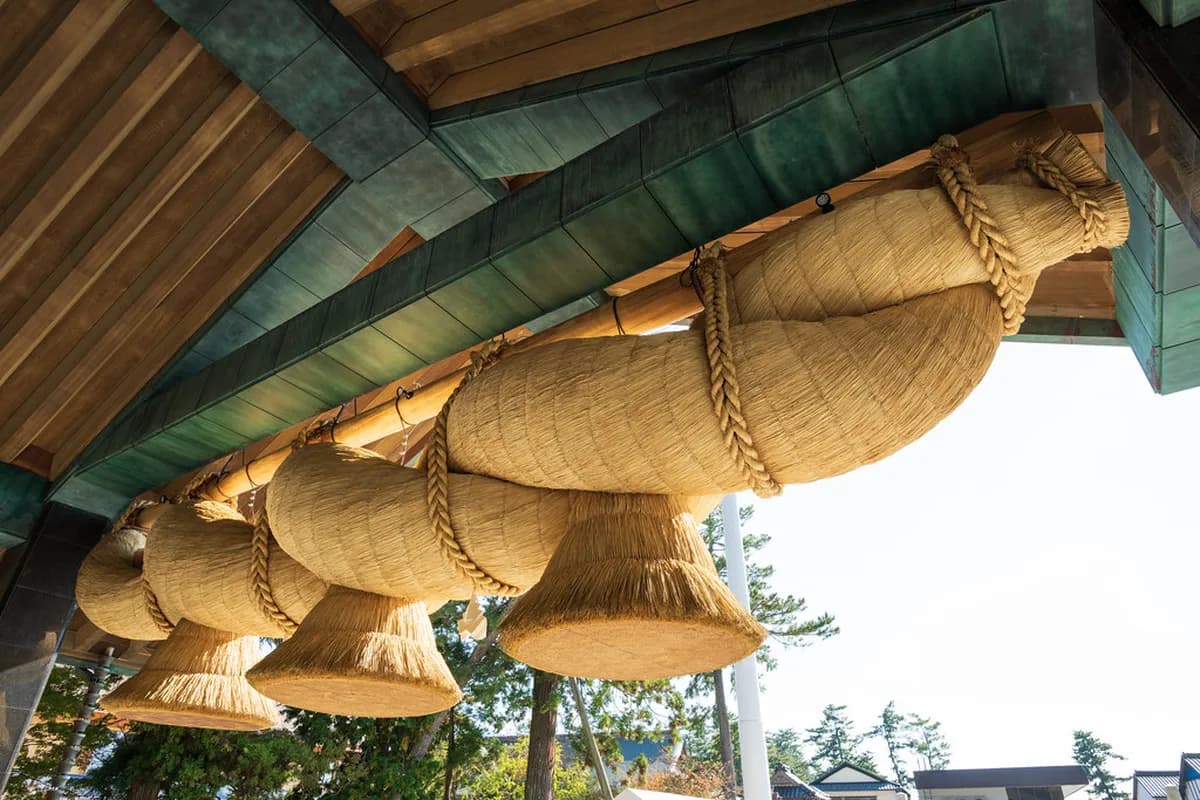
Every autumn, Izumo Taisha hosts Kamiari-zuki, the month when Shinto tradition says all of Japan's gods gather there. Everywhere else in Japan calls this same period Kannazuki, the month without gods. The exact dates follow the old lunar calendar, so they shift year to year and usually fall in November. Most visitors touring the shrine during that week find it busiest by midday, so an early morning visit helps.
Koyo, or autumn leaf viewing, typically peaks across San'in from late October through mid-November. Izumo Taisha's current main hall dates to 1744 and stands about 24 meters tall. Its weathered wood and thatched roof look striking against red and gold foliage. Read more on our Izumo attractions guide for shrine hours and etiquette.
Tottori's official matsuba crab season opens every year on November 6 and runs through late March. Restaurants across Tottori and neighboring Shimane build seasonal menus around the fresh catch. Prices for a full crab course usually run highest in December before easing slightly by February. Sanin-Japan.com lists regional crab festivals and seasonal seafood events worth checking each year.
A Siberian winter monsoon rolls in across the Sea of Japan, bringing grey skies and snow squalls. That coastal snow makes San'in's winter look different from sunny Tokyo or Kyoto. The fast Rainbow Jet ferry to the Oki Islands often cancels during rough December swells. Only the slower standard ferry keeps running through those weeks.
Coastal onsen towns make the cold months easier, especially after a day of crab-focused meals. Kaike Onsen near Yonago sits about 15 minutes from the city by car, right along the beach. Check current ryokan rates on our San'in onsen guide before booking a winter stay.
What Does Each Month in San'in Feel Like?
January and February are San'in's quietest months, save for a short crowd spike around New Year. Matsuba crab dishes stay on winter menus through most of March. By mid-March, plum blossoms give way to the first hints of cherry buds.
April opens with peak cherry blossoms, followed by Golden Week's holiday crowds. May offers mild weather and thinner crowds once the holiday rush fades. June turns humid as the tsuyu rainy season settles in by mid-month.
July and August bring the hottest, stickiest weather, with the Tottori Dunes at their most punishing by afternoon. Obon week in mid-August packs trains, ferries, and coastal hotels. September starts hot but cools noticeably by its final two weeks.
October brings koyo foliage, comfortable temperatures, and the start of Kamiari-zuki season at Izumo Taisha. November 6 marks the official opening of matsuba crab season across Tottori and Shimane. December turns colder and greyer, with the Sea of Japan monsoon setting the tone for winter.
Bus and train schedules can thin out in the coldest months, so build in buffer time between stops. Check current routes on our getting around San'in guide before finalizing dates.
Season Comparison: Best Time to Visit San'in Region
The table below lines up all four seasons side by side, using typical Japan Meteorological Agency patterns. Treat every range as a guide rather than an exact forecast, since regional weather can shift year to year. Japan-Guide.com maintains an independent regional overview worth cross-checking for transport updates.
Autumn and spring post the mildest numbers and the best balance of crowds and prices. Summer trades comfort for long daylight and dune sports, while winter trades warmth for crab and quiet onsen towns.
| Season | Weather | Crowds | Prices | Events | Best For |
|---|---|---|---|---|---|
| Spring (late Mar-early May) | 10-20°C / 50-68°F | Moderate, high during Golden Week | Moderate, spikes late April | Cherry blossoms, Matsue Castle festivals | First-time visitors, photographers |
| Summer (Jun-Aug) | 24-33°C / 75-91°F, humid | Low except mid-Aug Obon week | Low except Obon week | Sandboarding season, dune sports, fireworks | Beach and dune lovers |
| Autumn (late Sep-Nov) | 12-23°C / 54-73°F | Moderate, peaks during Kamiari-zuki | Moderate to high in November | Kamiari-zuki, koyo foliage, crab season opens Nov 6 | Culture and food travelers |
| Winter (Dec-Feb) | 0-9°C / 32-48°F, coastal snow | Low except New Year week | Low outside New Year | Matsuba crab peak, onsen season | Seafood lovers, quiet-crowd travelers |
Which Season Is Right for You?
Different seasons in San'in suit different travel styles and priorities. Use the quick picks below to match your dates to your goals.
- Pick spring if you want
- Cherry blossoms and mild weather
- Castle-side photo opportunities
- Pick summer if you want
- Long daylight and dune sports
- Budget rates outside Obon week
- Pick autumn if you want
- Kamiari-zuki shrine traditions
- Cool weather and koyo foliage
- Pick winter if you want
- Fresh matsuba crab dinners
- Quiet onsen towns and lower rates
- Pick a shoulder-season trip if you want
- Fewer crowds than Golden Week
- Mild weather in Oct or Apr
What to Pack for San'in by Season
Pack differently depending on which San'in season you plan to visit. The list below covers the essentials for each season's weather swings.
- Spring season packing essentials
- Light layers and a light jacket
- Comfortable shoes for castle grounds
- Summer season packing essentials
- Breathable fabrics and sun protection
- A reusable water bottle
- Autumn season packing essentials
- A mid-weight jacket for evenings
- Comfortable shoes for shrine visits
- Winter season packing essentials
- A warm coat and waterproof shoes
- Layers for onsen towel etiquette
Getting to San'in by Season
San'in has no Shinkansen line, so how you time a trip also shapes how you get there. Yonago Kitaro Airport and Izumo Airport both run daily flights to Haneda, and Yonago adds seasonal international routes to Seoul and Taipei; seats on both fill up fastest around Golden Week and Obon, so book those legs a few months ahead. Overland, the JR San'in Line's limited express trains, the Yakumo and Super Hakuto, connect Tottori, Matsue, and Izumo, and JR West sells a multi-day San'in-Okayama area rail pass worth pricing out for a stay of four days or longer within the region. Outside those two peak weeks, flights and trains carry plenty of open seats but run less often, so travelers visiting in January, February, or early June should check timetables ahead rather than assume Tokyo-level frequency, especially for the smaller local lines between towns.

For the full regional picture, see our guide to the best things to do in the San'in region.
Frequently Asked Questions
When is the best time to visit the San'in region?
Late October to mid-November is the top pick, blending koyo foliage, Kamiari-zuki traditions, and the start of matsuba crab season. Late March to mid-April works well too, timed to cherry blossoms and milder crowds. Both windows avoid San'in's hottest, most humid summer weeks.
Is San'in cold in winter?
Winter days in San'in typically run 0 to 9°C, or 32 to 48°F, with grey skies and coastal snow squalls. A Siberian monsoon crossing the Sea of Japan drives that weather pattern. Matsuba crab season and quiet onsen towns make the cold months worthwhile anyway.
What month has the fewest tourists in San'in?
January and February typically bring San'in's lowest crowds, aside from a short New Year spike around local shrines. Early June, just before the tsuyu rainy season begins, is another quiet window. Hotel and ryokan rates tend to drop noticeably during both of these stretches.
When does matsuba crab season start in Tottori?
Tottori's official matsuba crab season opens every year on November 6 and runs through late March. Restaurants across Tottori and neighboring Shimane build seasonal menus around the fresh catch. Prices for a full crab course usually run highest in December before easing slightly by February.
Is Kamiari-zuki a good time to visit Izumo Taisha?
Yes, Kamiari-zuki is one of the most atmospheric times to visit Izumo Taisha. Shinto tradition holds that all of Japan's gods gather there during this lunar-calendar week, usually in November. Shrine grounds get busiest by midday, so an early morning visit works best.
San'in rewards travelers who time their trip around its seasonal highlights. Late October to mid-November remains the strongest overall pick, blending koyo, Kamiari-zuki, and the start of crab season. Late March to mid-April is the best backup window for cherry blossoms and milder crowds.
Whichever season you choose, build extra time for train and ferry connections between towns. Start planning with our San'in travel guides for more route ideas.
Free guide: Japan's Hidden Gems
12 under-the-radar places beyond Tokyo & Kyoto — with the best season to visit each and a local tip you won't find in the guidebooks.
You might also like

Continue reading
More guides you'll find useful