Getting Around The San'in Region Travel Guide
Plan getting around the San'in region with Yakumo and Super Hakuto train times, rental car prices, local buses, and 2026 rail pass tips for a smoother trip.
On this page
San'in stretches along Japan's quiet northern coast, and getting around the San'in region rarely means just one type of transport. Limited express trains link Okayama, Tottori, Yonago, Matsue, and Izumo, while rental cars reach coastal cliffs and sand dunes that trains skip. This guide breaks down the trains, fares, and driving options once you know how to get to San'in.
No metro or tram exists anywhere in San'in, so every trip runs on JR trains, one private railway, buses, or a rental car. The Yakumo limited express and the Super Hakuto limited express form the backbone, connecting the region to Okayama and Kansai in a few hours. We will also cover the San'in Main Line, the Ichibata electric railway to Izumo Taisha, and where a car genuinely earns its rental fee.
Last updated July 2026.
No metro or tram exists anywhere in San'in. Every trip runs on JR trains, one private railway, buses, or a rental car—plan accordingly.
The Yakumo Limited Express: Your San'in Rail Backbone
The Yakumo runs roughly hourly from Okayama Station, cutting through the Chugoku mountains before dropping onto the San'in coast. It is the fastest way to reach Matsue's castle and lakeside attractions or continue on to Izumo without changing trains. Most departures use eight-car sets, and reserved seats sell out fast around Golden Week and Obon in August.
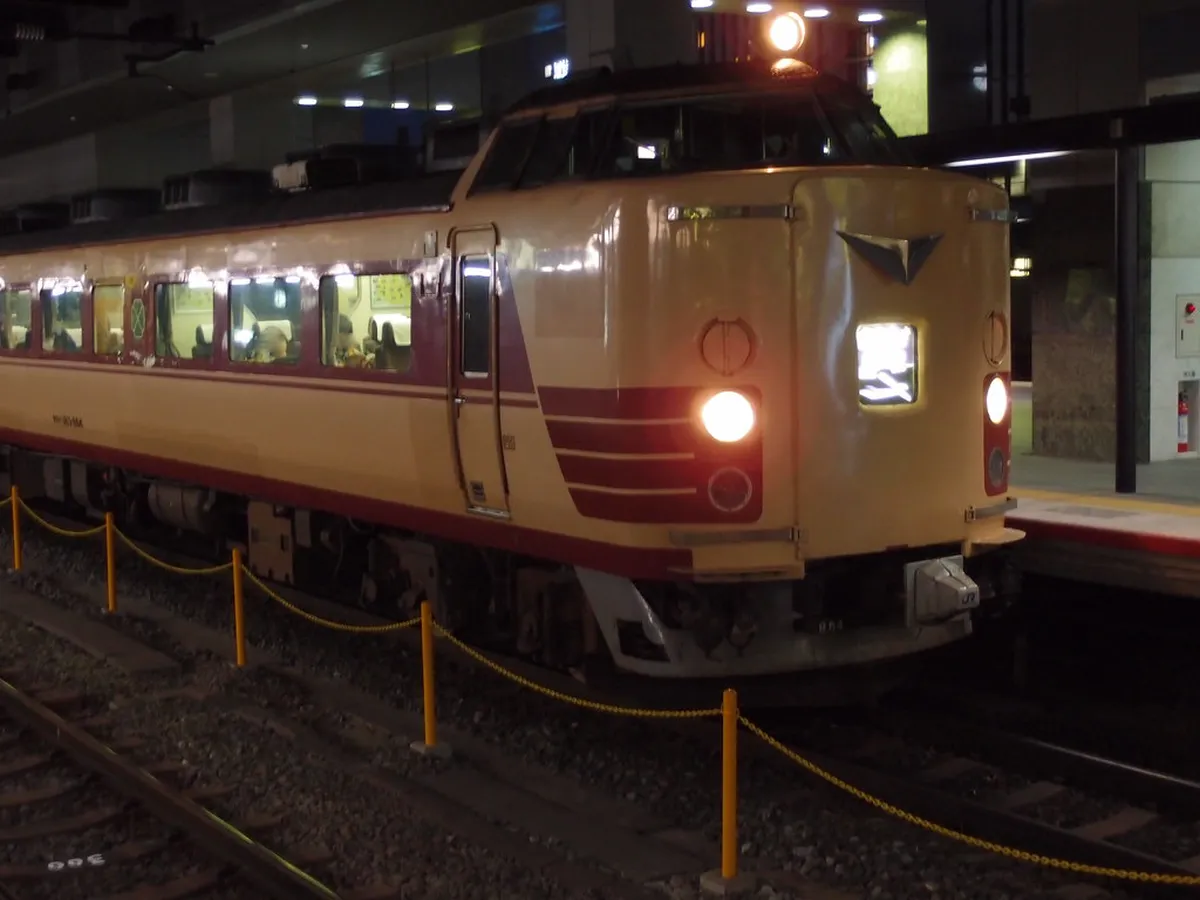
Travel time from Okayama to Yonago runs about two hours and fifteen minutes. Continuing to Matsue takes roughly two hours and forty-five minutes, and Izumo adds about twenty more minutes beyond that. A one-way non-reserved ticket typically costs several thousand yen, so check current fares before booking.
- Okayama to Yonago in 2 hours 15 minutes
- This leg crosses the mountain spine before the line meets the Sea of Japan coastline.
- Non-reserved cars fill up fast on weekend mornings during cherry blossom season.
- Okayama to Matsue in 2 hours 45 minutes
- This is the quickest rail connection between the Sanyo coast and Lake Shinji.
- Reserve a seat if you are traveling with luggage during a holiday weekend.
- Okayama to Izumo in 3 hours 6 minutes
- The train continues past Matsue before terminating at Izumo City station.
- Izumo Taisha shrine sits a short bus or Bataden ride beyond that station.
The Super Hakuto: Kyoto and Osaka to Tottori
Travelers arriving from Kyoto or Osaka reach Tottori's sand dunes and attractions on the Super Hakuto limited express. The Shinkansen from Tokyo already connects Japan's most popular travel destinations, and Osaka works as the natural transfer point toward San'in. From Osaka, the Super Hakuto takes roughly two and a half hours to reach Tottori Station directly.
The route runs through Himeji, so travelers connecting from the Sanyo Shinkansen can join partway instead of starting in Kyoto. Seats are limited on early departures, and reservations cost little extra compared to non-reserved seating. Board the Super Hakuto instead of driving if your main goal is reaching Tottori City itself, not the rural coast.
Riding the San'in Main Line Along the Coast
The San'in Main Line stretches nearly 674 kilometers from Kyoto to Yamaguchi Prefecture, making it the longest railway line in Japan. Local and rapid trains along this line link Tottori, Kurayoshi, Yonago, Matsue, Izumo, and towns further west. These trains run less often than the Yakumo, usually once or twice per hour outside rush times.
Use these local trains for short coastal hops, like Yonago to Sakaiminato or Matsue to Izumo, when you want to save on express fares. For rail fans, the rural Kisuki Line branches inland from Shinji Station and climbs to the highest point on the JR West network. Planning a multi-stop route works best once you sketch a rough San'in itinerary and match it against these local timetables.
One Local Train Worth the Detour: The Ichibata Railway
The Ichibata Electric Railway, known locally as the Bataden, is a private line separate from JR, running between Matsue and Izumo Taisha. It hugs the northern shore of Lake Shinji, so evening departures catch some of the best sunset views in the region. The full run takes about an hour, and trains depart roughly every thirty to sixty minutes through the day.
The decision that matters is the destination station, not just the railway itself. Izumo Taisha-mae Station sits a five-minute walk from Izumo Taisha shrine, while JR's Izumo-shi Station needs a bus transfer to reach the same gate. A one-way fare between Matsue Onsen and Izumo Taisha-mae runs around fifteen hundred yen, cheaper than a taxi covering the same distance.
Choose the Bataden over a rental car if you are staying in central Matsue and only need a scenic, hands-off ride to the shrine. Choose a car instead if you plan to continue past Izumo Taisha to the coast or Inasa Beach the same afternoon.
Renting a Car for the Coast and the Dunes
Trains reach every major San'in city, but a rental car opens up the Tottori sand dunes and coastal cliffs no station reaches. Several agencies operate right outside Tottori Station, with a compact five-seater starting around seven thousand yen per day. Book ahead during peak seasons, since local fleets are small compared to rental counters in Osaka or Tokyo.
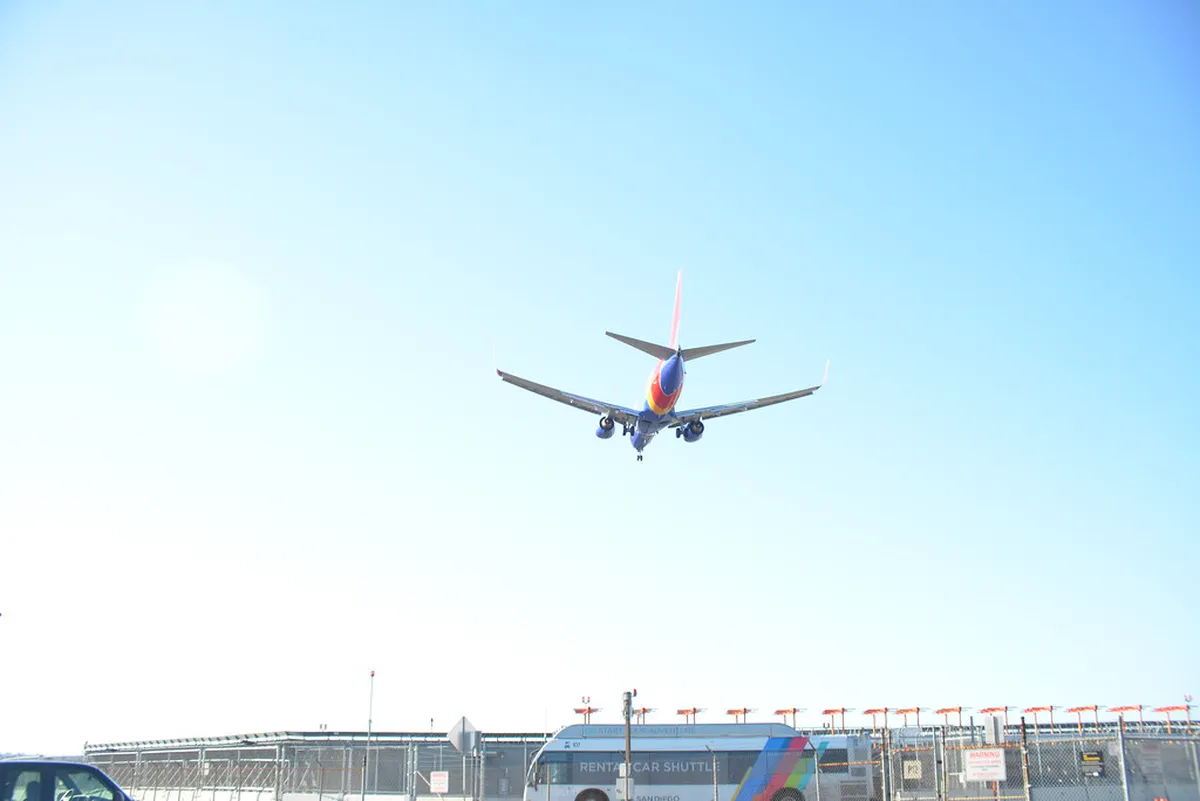
A car matters most for the San'in Kaigan Geopark coastline and rural onsen towns that buses reach only once or twice a day. Roads along the coast are narrow in places, so allow extra time in winter when snow can slow the mountain passes. Check the best time to visit San'in before you commit to a driving-heavy itinerary in winter.
| Mode | Best for | Note |
|---|---|---|
| Yakumo Limited Express | Long hauls from Okayama to Matsue or Izumo | Roughly 2 hours 45 minutes to Matsue; reserve seats during Golden Week and Obon |
| Super Hakuto | Kyoto or Osaka to Tottori | About 2.5 hours from Osaka; limited seating on early departures |
| San'in Main Line | Short coastal hops between cities | Local and rapid trains; cheaper than express fares, 1–2 times per hour outside rush times |
| Ichibata Railway (Bataden) | Matsue to Izumo Taisha with scenic lake views | About 1 hour; roughly 1,500 yen one-way; does not accept JR rail passes |
| Rental Car | Tottori Sand Dunes and rural coastal areas | Compact five-seater starts around 7,000 yen per day; book ahead during peak seasons |
| Local Buses | Airport transfers and final-mile gaps | Matsue Lakeline loops past the castle and museum; shuttles from Izumo-shi to Taisha |
Local Buses and Rail Passes That Save Money
Local buses fill the gaps trains cannot reach, including the shuttle from Izumo-shi Station out to Izumo Taisha's main gate. Matsue's Lakeline Bus loops past the castle, the Shimane Art Museum, and the lakeside promenade for a flat fare each ride. Highway buses connect Yonago's Kitaro Airport with Matsue and Izumo for less than the equivalent train fare.
If you are riding several days, compare the San'in-San'yo Area Pass against the Discover Another Japan Pass before buying single tickets. Both passes bundle unlimited rides on the Yakumo, the Super Hakuto, and local San'in Main Line trains for a set number of days. Pricing and validity periods change often, so confirm current details on the official pass site before you commit.
Working out how many days you need in San'in first makes it much easier to pick the right pass or skip one entirely. A short two-day trip rarely justifies a multi-day pass, while a full week almost always pays for itself.
- The San'in-San'yo Area Rail Pass
- This JR West pass bundles the Yakumo, Super Hakuto, and Sanyo Shinkansen for several consecutive days.
- It suits travelers arriving through Osaka or Okayama and staying a full week.
- Discover Another Japan Pass
- This regional pass covers dozens of tourist attractions alongside train and bus discounts.
- Compare its coverage against a plain rail ticket before assuming it saves money.
- Single tickets and IC cards
- Short single-city trips are often cheaper paid individually than bundled into a pass.
- IC cards work on most San'in Main Line stations but not on every local bus.
A short two-day trip rarely justifies a rail pass, while a full week almost always pays for itself. Compare the San'in-San'yo Area Pass and Discover Another Japan Pass on the official pass site before committing to either.
Local Lines Worth the Detour: Wakasa Railway and JR Sakai Line
Two shorter lines reward travelers who have an extra half-day and want more than the Yakumo-Super Hakuto backbone. The Wakasa Railway is a 19.2-kilometer private line running between Koge and Wakasa in western Tottori, and most of its trains continue through to Tottori Station on JR's Imbi Line, so no separate transfer is needed. Its wooden Showa-era stations, hand-operated turntable, and retired steam locomotive at Wakasa Station are registered as National Tangible Cultural Properties, and the steam engine runs on selected weekends.
The JR Sakai Line covers a shorter hop from Yonago to Sakaiminato, with trains, platforms, and station signage decorated in GeGeGe no Kitaro manga characters. Sakaiminato's Mizuki Shigeru Road, a few minutes' walk from the station, lines the street with 177 bronze yokai statues. Neither the Wakasa Railway nor the Bataden accepts JR rail passes or the San'in-San'yo Area Pass, since both are privately operated, so budget for a separate point-to-point ticket or the line's own day pass.
Pair this with our complete San'in region guide to plan the rest of your trip.
Frequently Asked Questions
Do I need a car to get around the San'in region?
A car is not required, since the Yakumo, Super Hakuto, and San'in Main Line link every major city along the coast. A car helps most for the Tottori Sand Dunes, San'in Kaigan Geopark, and rural onsen towns that buses reach only once or twice daily. Compact rentals from Tottori Station start around seven thousand yen per day.
How long is the train from Okayama to Matsue?
The Yakumo limited express takes about two hours and forty-five minutes from Okayama to Matsue. Continuing on to Izumo adds roughly twenty more minutes to the same journey. Reserve a seat during Golden Week, Obon, or New Year, since non-reserved cars fill up fast.
Is there a bullet train to the San'in region?
No Shinkansen line runs directly into San'in, so most travelers ride the Sanyo Shinkansen to Okayama or Shin-Osaka first. From there, transfer to the Yakumo or Super Hakuto limited express for the final leg. The whole connection typically adds two to three hours beyond the Shinkansen ride itself.
What is the best way to reach Izumo Taisha from Matsue?
The Ichibata Electric Railway, known as the Bataden, runs directly from Matsue Onsen to Izumo Taisha-mae in about an hour. It follows the northern shore of Lake Shinji, making it a scenic alternative to driving. A one-way fare runs around fifteen hundred yen, cheaper than a taxi.
Is there a rail pass worth buying for San'in?
Frequent train travelers should compare the San'in-San'yo Area Pass against the Discover Another Japan Pass before buying single tickets. Both bundle unlimited rides across the Yakumo, Super Hakuto, and local San'in Main Line trains for a set number of days. A short two-day trip rarely earns back the cost, but a full week usually does.
Getting around the San'in region comes down to matching the right tool to each leg of your trip. Use the Yakumo or Super Hakuto for long hauls, the San'in Main Line and Bataden for short hops, and a car for the coast. None of it requires a subway or tram, since San'in simply does not have one.
Once the transport plan is set, layer in food stops, onsen breaks, and the attractions you actually want to see. San'in rewards travelers who mix trains with a little driving instead of trying to force one single method for the entire trip.
Free guide: Japan's Hidden Gems
12 under-the-radar places beyond Tokyo & Kyoto — with the best season to visit each and a local tip you won't find in the guidebooks.
You might also like


Continue reading
More guides you'll find useful