

Sanin Winter Crab and Seafood Route: A 2026 Seasonal Guide
Plan a Sanin winter crab and seafood route from Kasumi Port to Kinosaki Onsen. Compare Matsuba and Kasumi crab seasons, prices, and where to eat in 2026.
On this page
Last updated August 2026, this Sanin winter crab and seafood route guide tracks the coast from Kasumi Port to Kinosaki Onsen. Matsuba crab fishing opens November 6 and runs into March, while Kasumi crab stays available from September through May. Prices and crowds shift fast across that window, so timing the trip matters as much as picking a port.
Understanding the Sanin Winter Crab and Seafood Route
Winter turns the Sanin coast into a connected seafood route rather than a handful of separate stops. Kasumi Port, Kinosaki Onsen, and the western ports all draw on the same Sea of Japan crab grounds, so quality stays high wherever you start. Matsuba crab, the region's snow crab, carries the most prestige on this coast for its sweet, dense leg meat. Sekogani, the female snow crab, runs a much shorter season and carries roe that many Sanin locals prefer over the larger male crab. Sashimi, boiled crab, and grilled kani miso all use the same catch, so the route rewards comparing towns rather than settling on one restaurant. Each hub works as a standalone day trip or as one stop in a longer coastal itinerary. Combine the coastal stops with inland sights from the Sanin attractions guide to round out a multi-day trip.
Matsuba Crab vs Kasumi Crab: Choosing Your Season
Matsuba and Kasumi crab come from the same waters but differ enough to change how you plan the trip. Matsuba, the king of the season, costs the most and disappears fastest once March ends. Kasumi crab, sometimes called the queen, stays on menus for eight months and costs less because cage-caught volumes run higher. Sekogani gives you a third option. Its window is short, its body is small, and its roe often outshines the male crab's leg meat for local diners.
- Matsuba crab (male snow crab): season runs November 6 to March; the priciest option and the main draw at Kinosaki ryokan kaiseki dinners.
- Kasumi crab (red snow crab): season runs September through May; caught with baited cages; a lower price because catch volume runs higher.
- Sekogani (female snow crab): season runs only from November into December or January; smaller body, but the roe-packed egg sac is the main attraction.
Sanin Crab Season Comparison: Early, Peak, and Late Winter
Weather, crowds, and prices move together across the Sanin crab season. Timing a visit to the right window matters as much as choosing a port. This comparison breaks the season into three practical stages.
Market stalls like Yugyo-kan charge roughly ¥3,000-4,000 per plate in November, but peak January ryokan stays exceed ¥25,000 per person—timing your visit is the single biggest cost lever for this route.
| Period | Typical Weather | Crab and Seafood Focus | Crowds and Pricing |
|---|---|---|---|
| Early season (Nov 6-Dec) | Highs near 14°C (57°F), lows near 6°C (43°F) | Matsuba crab season opens Nov 6; Sekogani at its richest and shortest window | Lighter crowds; Yugyo-kan market plates from about ¥3,000-4,000 per person |
| Peak season (Jan-Feb) | Highs near 8°C (46°F), lows near 1°C (34°F) | Matsuba crab landings peak; ryokan kaiseki courses built around it | Heaviest demand; ryokan crab plans often exceed ¥25,000 per person; book months ahead |
| Late season (Mar-May) | Highs climbing to 12°C (54°F), lows near 4°C (39°F) in March | Matsuba season closes end of March; Kasumi crab continues through May | Rates ease from the January peak; a practical window for last-minute market visits |
Key Hubs Along the Route: Kasumi Port, Kinosaki Onsen, and the Western Markets
Kasumi Port anchors the eastern end of the route and calls itself Crab Town for good reason. Its auction site shares space with Yugyo-kan, a fishery co-op store selling just-boiled crab and fresh sashimi straight off the dock. Yugyo-kan keeps market hours of 8:30 a.m. to 12:00 p.m. and closes every Tuesday and Saturday, so check the calendar before an auction visit. Kasumi Port sits about a 20-minute walk from Kasumi Station on the JR San-in Main Line. For a wider look at ports and stalls along this coast, see the fishing ports and markets guide.
Yugyo-kan's 8:30 a.m. opening means auction viewers must arrive earlier to see the boats and grading, drastically narrowing the window for catching this experience before the market day begins.
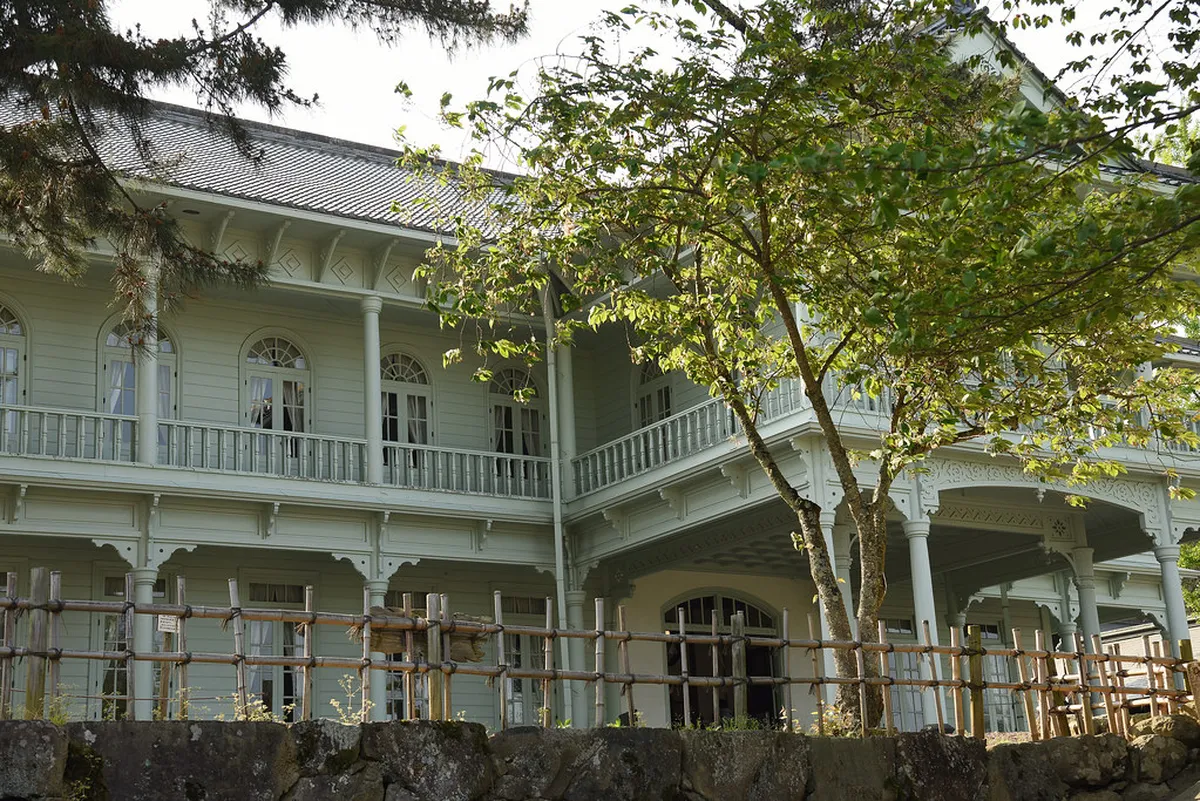
Kinosaki Onsen sits a short rail hop from Kasumi and works as the route's overnight base. Ryokan here build kaiseki dinners around Matsuba crab from November through March. Tabe-aruki, the local eat-and-walk custom, means gift shops sell crab meat buns and warm crab soup on the street during the season. Tsuiyama Port, near Kinosaki, runs a Snow Crab Festival every November with food trucks and dockside crab sales.
Further west, Tottori and Sakaiminato anchor the route's market side, where Matsuba branding carries civic pride and stalls sell crab straight off the boat. Sakaiminato also runs public auction viewing on select mornings. Hours and auction schedules vary by port and season, so confirm details locally before visiting.
Watching the Kasumi Port Crab Auction
Kasumi Port's auction is one of the route's most concrete, plannable experiences. It runs inside the same complex as Yugyo-kan, so the store's hours double as the auction's visiting window. Yugyo-kan opens at 8:30 a.m. and closes at 12:00 p.m., and the whole operation shuts on Tuesdays and Saturdays, so an early weekday morning is the safest bet for catching the boats coming in. Selectors who grade each Matsuba crab by size, weight, color, and shape are often family members of the boat owners, tying the auction directly to Kasumi's fishing families. Kasumi's Matsuba Crab Festival, held during the season, adds a public event on top of the daily auction routine. Arrive before the 8:30 a.m. opening if watching the boats and grading matters more than the shopping afterward.
How to Order and Eat: Comparing Preparation Styles
Sanin crab shows up in five common preparations, and each suits a different kind of meal. Kani miso rewards a first try despite its bitter, briny edge. Pair it with a stop on Sanin's sake brewery route for a natural match.
| Style | Best For | Notes |
|---|---|---|
| Boiled (yude) | Tasting the crab's natural flavor | Dipped in kani-su, a vinegar-soy sauce; the simplest order at a market stall |
| Sashimi | A light, cold course | Usually leg meat, eaten with wasabi and soy sauce or piled into a kaisendon rice bowl |
| Grilled (yaki) | A smokier, richer flavor | Cooked over charcoal with citrus; the shell meat becomes kani miso |
| Shabu-shabu | A hot, interactive winter meal | Leg meat swished through dashi broth at the table, then dipped in soy sauce or vinegar |
| Kani miso | Adventurous eaters | A paste from the crab's interior, often paired with sake or spooned over sushi |
Beyond Crab: Nodoguro and Winter Squid on the Same Route
Crab dominates the season, but it is not the only reason to time a Sanin trip for winter. Nodoguro, or blackthroat seaperch, shows up on the same market counters and ryokan menus, prized for its fat content and grilled skin. White squid also runs through the colder months, giving the seafood spread a lighter contrast to crab's richness. Pair a seafood day with a stop on the wagashi and matcha tea culture trail for something sweet between savory courses. Work both into the wider San'in Region Food Guide: Best Dishes to Try, which covers regional dishes like Izumo soba and 20th Century pears.
Planning the Route: Trains, Driving, and Timing
Most of this route runs along a single rail corridor, which makes multi-day planning straightforward. The JR San-in Main Line connects Kasumi Station to the wider network, with Kinosaki Onsen and the western ports reachable on the same line. That 20-minute walk from Kasumi Station makes a rail-only itinerary realistic without a rental car. Drivers can follow Route 178 along the coast for a slower, view-driven version of the same trip, stopping at ports the train bypasses. A practical sequence starts at Kasumi Port in the morning, continues to Kinosaki Onsen for an overnight ryokan stay, then moves toward Tottori and Sakaiminato the next day. For a full day-by-day structure, use the food road trip itinerary.
Costs and Booking: Market Stalls vs Ryokan Plans
Where you eat changes the price as much as when you visit. A market stall like Yugyo-kan sells just-boiled crab at roughly 40% less than a sit-down restaurant charges for the same crab. You lose the table service and multi-course presentation that come with a restaurant meal. Ryokan crab plans fold the cost into a full overnight stay. Kaiseki dinners built around Matsuba crab from November through March push that rate well past a market meal. Ryokan plans commonly top ¥25,000 per person during the January peak. Book a ryokan crab plan months ahead of a January or February stay, since the peak window fills fastest. A November trip timed to Sekogani season, or a March visit as Matsuba season closes, gives a better shot at walk-in availability. That swing, from roughly ¥3,000-4,000 for a market plate in November to ¥25,000 or more for a January ryokan dinner, is the single biggest lever for controlling the cost of this trip.
Mistakes to Avoid on the Sanin Seafood Route
A few planning mistakes repeat often enough on this route to call out directly. Treat the crab season as one part of a wider Sanin winter trip rather than a stand-alone day out.
- Skipping Sekogani: its window runs only into December or January, so travelers chasing Matsuba alone can miss it entirely.
- Visiting Yugyo-kan on a Tuesday or Saturday: Kasumi Port's market closes both days, so auction viewing depends on choosing another day.
- Booking a ryokan crab plan at the last minute: peak-season plans fill months in advance, especially for January and February.
- Treating Tottori and Sakaiminato as identical to Kasumi: confirm hours and auction schedules locally, since each port runs its own calendar.
Frequently Asked Questions
When does Matsuba crab season start in Sanin?
Matsuba crab fishing opens November 6 each year and continues into March, with the heaviest landings in December and January.
What is the difference between Matsuba crab and Kasumi crab?
Matsuba is the male snow crab prized for dense leg meat. Kasumi crab is the red snow crab caught by cage from September through May. Kasumi crab costs less and stays in season far longer than Matsuba.
What is Sekogani and when can you find it?
Sekogani is the female snow crab, smaller than Matsuba but packed with roe. Its season runs only from November into December or January, ending earlier than the male crab's season.
Should you eat crab at a market stall or a ryokan?
A market stall like Yugyo-kan sells just-boiled crab at roughly 40% less than a sit-down restaurant, minus the table service. A ryokan crab plan folds the meal into a full kaiseki dinner and an overnight stay, at a higher price.
How far in advance should you book a Sanin crab trip?
Book a ryokan crab plan months ahead for a January or February visit, since that window fills fastest. An early-November or March trip gives a better chance at walk-in availability.
Can travelers watch the crab auction at Kasumi Port?
Yes. The auction operates inside the Yugyo-kan complex, open 8:30 a.m. to 12:00 p.m. and closed every Tuesday and Saturday, so plan an early weekday visit.
How much does a Sanin crab meal typically cost?
A market plate at a stall like Yugyo-kan runs roughly 40% less than a restaurant price. A full ryokan kaiseki dinner featuring Matsuba crab can top ¥25,000 per person during the January and February peak.
What is the weather like on the Sanin coast during crab season?
Expect cold, often cloudy winter weather. Daytime highs run near 14°C (57°F) in November and drop to about 8°C (46°F) during the January-February peak, with lows near freezing.
Free guide: Japan's Hidden Gems
12 under-the-radar places beyond Tokyo & Kyoto — with the best season to visit each and a local tip you won't find in the guidebooks.
You might also like


Continue reading
More guides you'll find useful


