

Sanin Sake Brewery Route: A 3-Day Guide to Tottori and Shimane's Jizake Towns
Plan a 3-day Sanin sake brewery route from Sakaiminato to Matsue and Izumo, with reservation windows, train times, and food pairings for 2026.
On this page
Last updated August 2026, the Sanin sake brewery route connects Tottori's Sakaiminato with Shimane's Matsue and Izumo over three unhurried days. Shimane is often described as the origin point of Japanese sake, and this guide sequences three breweries, one shrine, and the connecting trains into a bookable route. Expect appointment-only tastings rather than crowded halls, so reservations matter here more than they do in Nada or Saijo.
What Makes the Sanin Sake Brewery Route Different
San'in Mannaka, the central belt of Shimane and Tottori Prefectures, anchors this three-stop route between Sakaiminato, Matsue, and Izumo. Regional tourism accounts describe Shimane as the origin point of Japanese sake, and Tottori brewers have worked the same soft groundwater from the Chugoku Mountains for generations. Local breweries use Goriki, a sake rice grown only in Tottori Prefecture, to produce a style described locally as rich, dry, and gently aromatic. Like traditional breweries elsewhere in Japan, San'in cellars still lean on cold winter air to control fermentation without heavy mechanical cooling, which is part of why the brewing season runs through the coldest months. That combination sets the region apart from Japan's higher-volume sake circuits. This guide treats San'in as one cross-region trip rather than duplicating single-city coverage of Matsue or Izumo. For a wider view of regional flavors beyond sake, the San'in Region Food Guide: Best Dishes to Try covers the full picture.
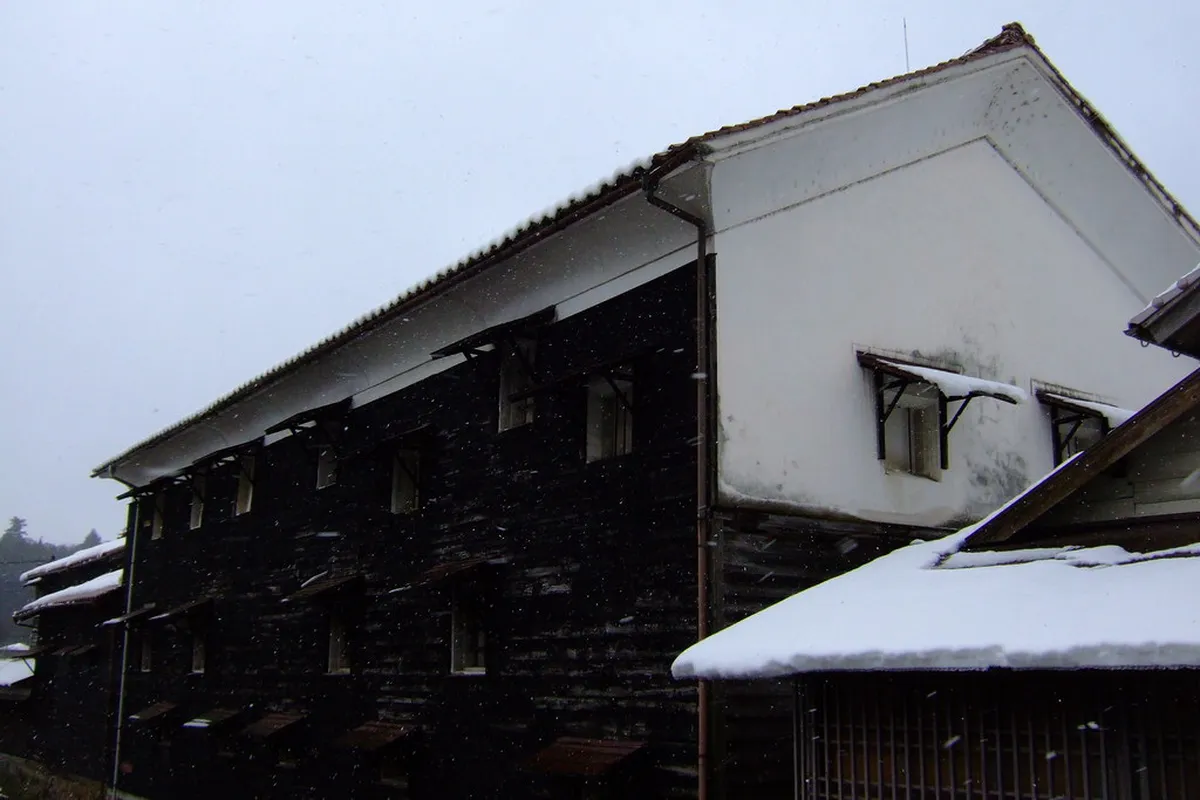
- San'in Mannaka (Shimane and Tottori): appointment-only tastings across three breweries in three days, built around shrine visits and castle-town history.
- Nada, near Kobe: large-scale waterfront breweries set up as self-guided museums.
- Saijo, near Hiroshima: nine breweries within walking distance of each other, suited to a single afternoon rather than a multi-day trip.
Day 1: Sakaiminato and Chiyomusubi Sake Brewery
Most sake-focused visits to San'in begin at Yonago Airport, the closest air gateway to Tottori's coast. The JR Sakai Line reaches Sakaiminato in about 14 minutes, and Chiyomusubi Sake Brewery sits along Mizuki Shigeru Road, an easy walk from the station. Reserve the brewery tour by the day before your visit. The tour itself is free. Because it is a small operation, confirm the reservation directly with the brewery or through your accommodation before finalizing the day's schedule. After the walk-through, staff typically pour one or two tastings, and Goriki-based sake is the one to prioritize for its fuller, drier profile. Overnight in Matsue to stay close to day two's breweries.
- Chiyomusubi Sake Brewery: free tour, reserve one day ahead, on Mizuki Shigeru Road in Sakaiminato.
- Tasting: one to two pours included after the tour.
- Signature style: Goriki rice sake, rich and dry.
- Gateway: Yonago Airport, about 14 minutes from Sakaiminato via the JR Sakai Line.
Day 2: Matsue's Castle-Town Breweries and Hirata
Matsue anchors day two, built around its castle and canal network. Matsue Castle anchors the compact castle-town core that most of day two's stops sit within. Rihaku Shuzo, a short bus ride from central Matsue, runs no formal brewery tour. The tasting room pours roughly ten different sakes, including the brewery's namesake Rihaku, a light, aromatic style suited to serving before a meal. From Rihaku, it is a 15-minute walk to the Horikawa sightseeing boat, which circles the castle moat. Confirm current schedules and fares before you go. Matsue also balances its sake culture with sweets, and the Sanin wagashi and matcha guide covers where to taste both. To reach the next brewery, take the Ichibata Electric Railway to Unshu-Hirata Station in Hirata, known locally as the town of sake and cotton. The Ichibata line runs separately from the JR network, so budget a separate fare or IC card tap when you transfer. Sakemochida, near the station, charges ¥1,000 per person for a tour that includes tasting, and the brewery asks for two days' notice. Its list runs past 20 sakes and includes a plum wine alongside the rice-based pours. Overnight in Izumo, setting up an early start for the shrine's morning worship tour.
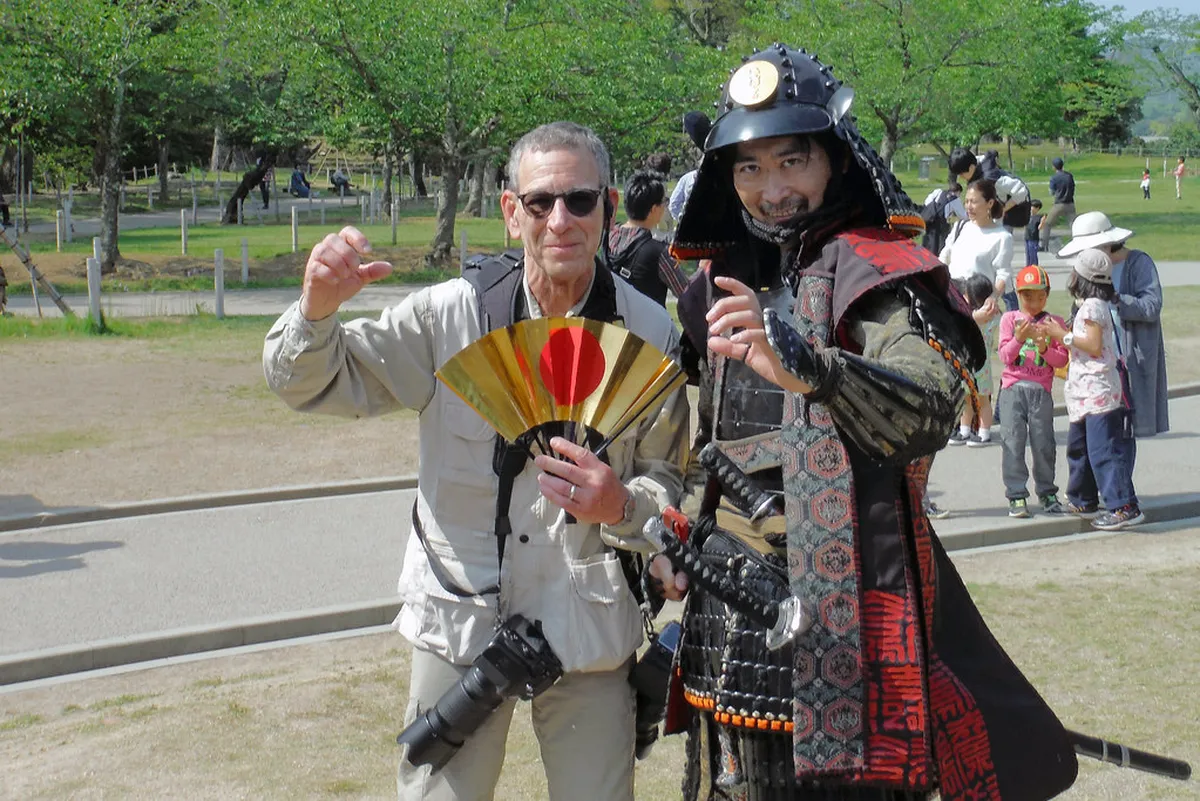
- Rihaku Shuzo: no formal tour, about 10 sakes to taste, near Matsue Castle.
- Horikawa sightseeing boat: circles the castle moat; verify current times and fares.
- Ichibata Electric Railway: connects Matsue to Unshu-Hirata Station for Sakemochida.
- Sakemochida: ¥1,000 per person including tasting, reserve two days ahead, 20+ sakes plus plum wine.
Day 3: Izumo Oyashiro and the Meaning of Sacred Sake
Izumo closes the route with a shift from tasting to origin story. Japan's earliest written references to sake, dating to the 8th century, describe it as a drink fermented specifically as an offering to the gods, and Izumo Oyashiro still carries that association today. A guided morning worship tour starts at 7:30 a.m. and moves through the shrine precinct before the day's visitors arrive. Some tours add breakfast as an optional extra. Ask when you book. Shinmon Street, the shop-lined approach to the shrine, is worth the walk before or after worship. Most itineraries fly out of Izumo Airport, about 35 minutes by bus from the shrine grounds, mirroring the Yonago Airport arrival on day one. Pair the shrine visit with wider sightseeing using the Sanin attractions guide for the rest of the region.
Essential Logistics: Timing, Transport, and Costs
Winter is the traditional brewing season across San'in, when breweries are most active and most interesting to visit. That window runs from late autumn into early spring. It also lines up with crab season on the Sea of Japan coast. The Sanin Winter Crab and Seafood Route: A 2026 Seasonal Guide covers the seafood side of the same months. Getting around the route means switching between three separate operators. Expect the San'in Main Line to cover Sakaiminato to Matsue in roughly 40 to 50 minutes, depending on the service. Most of these breweries take reservations by phone or through a local tourism office rather than an online booking system, so confirm details a few days before you travel. Costs vary by stop, but none of the core tastings costs more than a modest lunch. Carry cash as backup: small operations like Sakemochida are unlikely to take cards for the tour fee, and IC cards are not guaranteed on every local line. Travelers building a longer loop can slot this route into the Sanin Food Road Trip Itinerary: 7 Days From Tottori to Masuda for a fuller regional circuit.
| Stop | Tour Fee | Advance Booking | Highlight |
|---|---|---|---|
| Chiyomusubi Sake Brewery (Sakaiminato) | Free | 1 day ahead | Goriki rice sake, rich and dry |
| Rihaku Shuzo (Matsue) | No formal tour; tastings priced per pour | Not required | About 10 sakes to taste |
| Sakemochida (Unshu-Hirata) | ¥1,000 per person, includes tasting | 2 days ahead | 20+ sakes plus plum wine |
| Izumo Oyashiro morning worship | Optional paid breakfast add-on | Recommended in advance | Guided tour from 7:30 a.m. |
- JR San'in Main Line: the backbone route linking Sakaiminato, Matsue, and Izumo.
- JR Sakai Line: the branch line serving Sakaiminato and Yonago Airport.
- Ichibata Electric Railway: the private line to Unshu-Hirata Station for Sakemochida.
Food Pairings: Sanin Sake with Sea of Japan Seafood
Sanin sake is built to sit next to fresh seafood, not to stand alone. At Kokoro, a Japanese restaurant near Sakaiminato run by a chef trained in Osaka, sashimi typically comes with salt rather than soy sauce. That choice lets the fish's own flavor come through, and it does the same for a dry, mineral-forward local sake. Fresh catch from the Sea of Japan changes with the season, and the fishing ports and local markets guide covers where to buy it directly from the source. Pair a Goriki-based pour with white fish or squid, and save richer, warmer sake styles for grilled or simmered dishes later in the meal. Local izakaya menus across Sakaiminato, Matsue, and Izumo typically list a house Jizake alongside seasonal seafood specials, an easy way to keep tasting beyond the three signature breweries. Treat the sake stops as anchors and build meals around them rather than the other way around.
Goriki sake is described as rich and dry, making it well-suited to white fish or squid. Reserving warmer, fuller sake styles for grilled or simmered dishes ensures each pairing matches the preparation's intensity.
Mistakes That Derail a Sanin Sake Itinerary
A few planning errors show up often enough to call out directly, and each one is avoidable with a little advance work. Treat reservations, transfer times, and regional names as the three things to double-check before you commit to a schedule.
Despite modest costs—free at Chiyomusubi, ¥1,000 per person at Sakemochida—advance booking is mandatory. Reserving one to two days ahead is the only path to entry; walk-ins find no tours at these family-run operations.
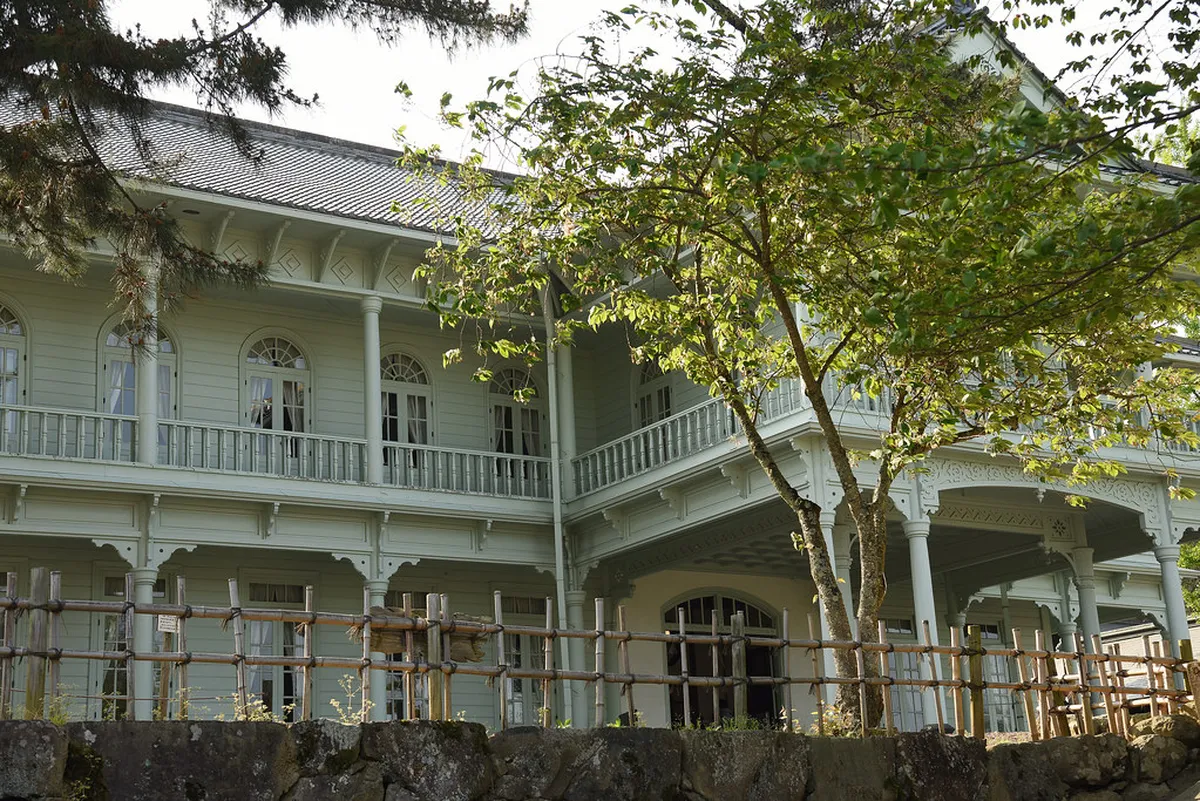
- Skipping reservations: San'in breweries are small, family-run operations. A walk-in visit often means no tour at all. Book Chiyomusubi one day ahead and Sakemochida two days ahead.
- Underestimating transfer times: local trains run far less often than in Osaka or Kobe. Missing one connection can knock out a whole afternoon. Build 20 to 30 minutes of slack around the Ichibata Electric Railway transfer at Unshu-Hirata Station.
- Confusing this route with Saijo or Nada: those are separate sake regions near Hiroshima and Kobe. Their train networks, fares, and reservation norms do not apply here.
- Treating Rihaku Shuzo like a full tour stop: there is no guided walk-through. Budget time for tasting rather than a facility tour, and confirm which sakes are pouring that day.
Frequently Asked Questions
How many days does the Sanin sake brewery route take?
Most travelers cover Sakaiminato, Matsue, and Izumo in three days, with one brewery stop per day. Add a fourth day if you also want time at Matsue Castle or an overnight in Izumo before the morning worship tour.
Do San'in sake breweries require reservations?
Yes, most of them do. Chiyomusubi Sake Brewery asks for one day's notice for its free tour, and Sakemochida requires two days' notice for its ¥1,000 tour and tasting. Rihaku Shuzo does not run formal tours, so its tasting room does not need advance booking.
What is Goriki rice, and why does it matter for San'in sake?
Goriki is a sake rice grown only in Tottori Prefecture. Brewers use it to produce a style locally described as rich, dry, and gently aromatic, distinct from the softer profiles common in other regions.
How is the San'in sake route different from Nada or Saijo?
San'in relies on small, appointment-based breweries spread across three towns and three days, while Nada, near Kobe, runs larger waterfront breweries built for self-guided museum visits. Saijo, near Hiroshima, packs nine breweries into one walkable district, better suited to a single afternoon than a multi-day trip.
When is the best time to do a San'in sake brewery trip?
Winter is the traditional brewing season, and breweries are typically most active from late autumn into early spring. That window also overlaps with the region's crab season, so a sake-focused trip can double as a seafood trip too.
Can you do this route without a rental car?
Yes, the route runs entirely on public transport. The JR San'in Main Line, the JR Sakai Line, and the Ichibata Electric Railway cover every stop described here, so a rental car adds flexibility but is not required.
How much should you budget for tastings and transport on this route?
Tour fees range from free at Chiyomusubi to ¥1,000 at Sakemochida, with Rihaku Shuzo priced per pour. Add short train fares on the JR Sakai Line, JR San'in Main Line, and Ichibata Electric Railway, all of which cost far less than a private tour package.
Free guide: Japan's Hidden Gems
12 under-the-radar places beyond Tokyo & Kyoto — with the best season to visit each and a local tip you won't find in the guidebooks.
You might also like


Continue reading
More guides you'll find useful


