Kinosaki Onsen Ryokan Kaiseki Dinners: Menu, Costs & Booking
Plan a Kinosaki Onsen ryokan kaiseki dinner: seasonal Snow Crab and Tajima beef menus, in-room vs dining-hall logistics, and the 6 PM check-in cutoff.
On this page
Last updated July 2026, this guide breaks down what a Kinosaki Onsen ryokan kaiseki dinner actually includes before you book a stay. Most ryokan build their entire reputation around this included half-board meal, served either in your own room or in a shared dining hall, using seasonal Tajima region ingredients and Sea of Japan catches. Expect an 8-to-12 course progression, a firm check-in deadline tied to dinner service, and a few charges billed separately from the room rate.
What a Kinosaki Onsen Ryokan Kaiseki Dinner Includes
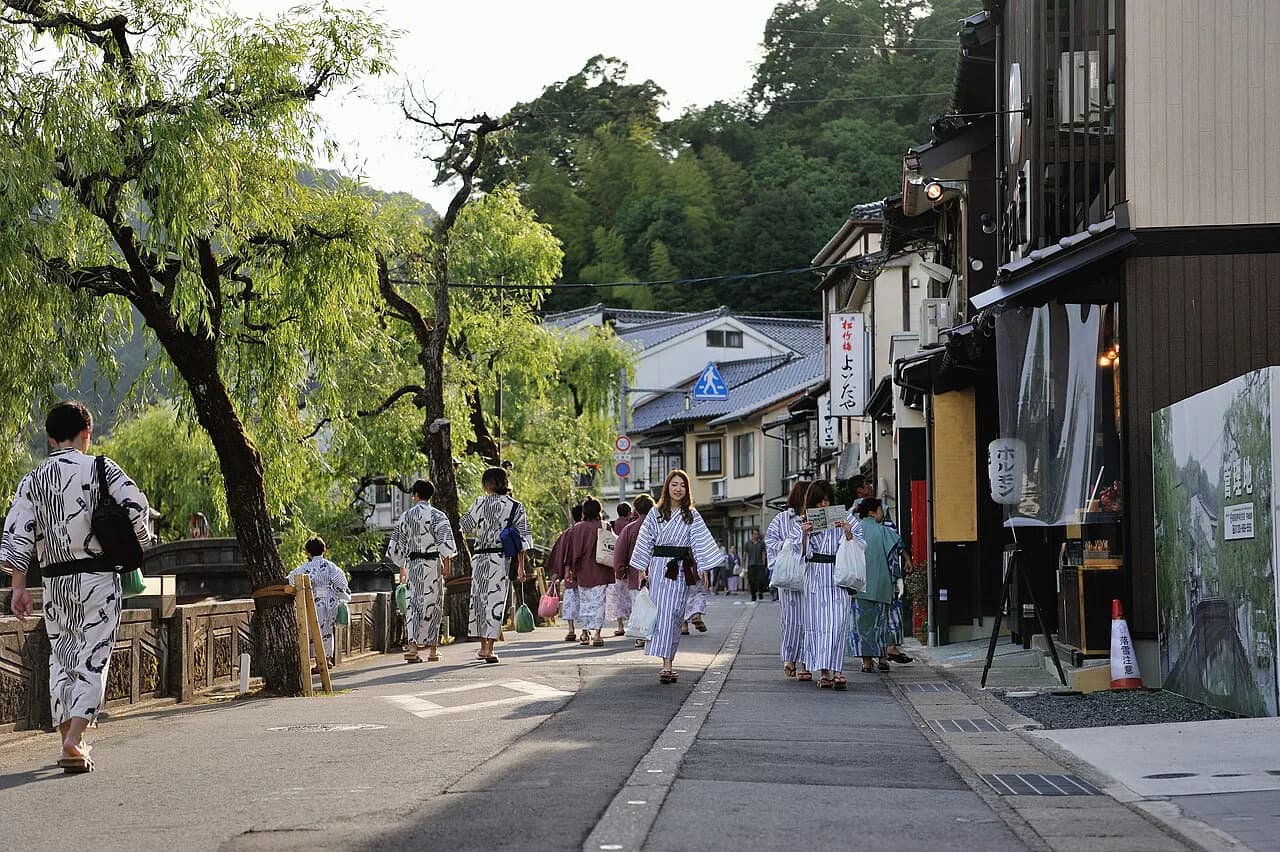
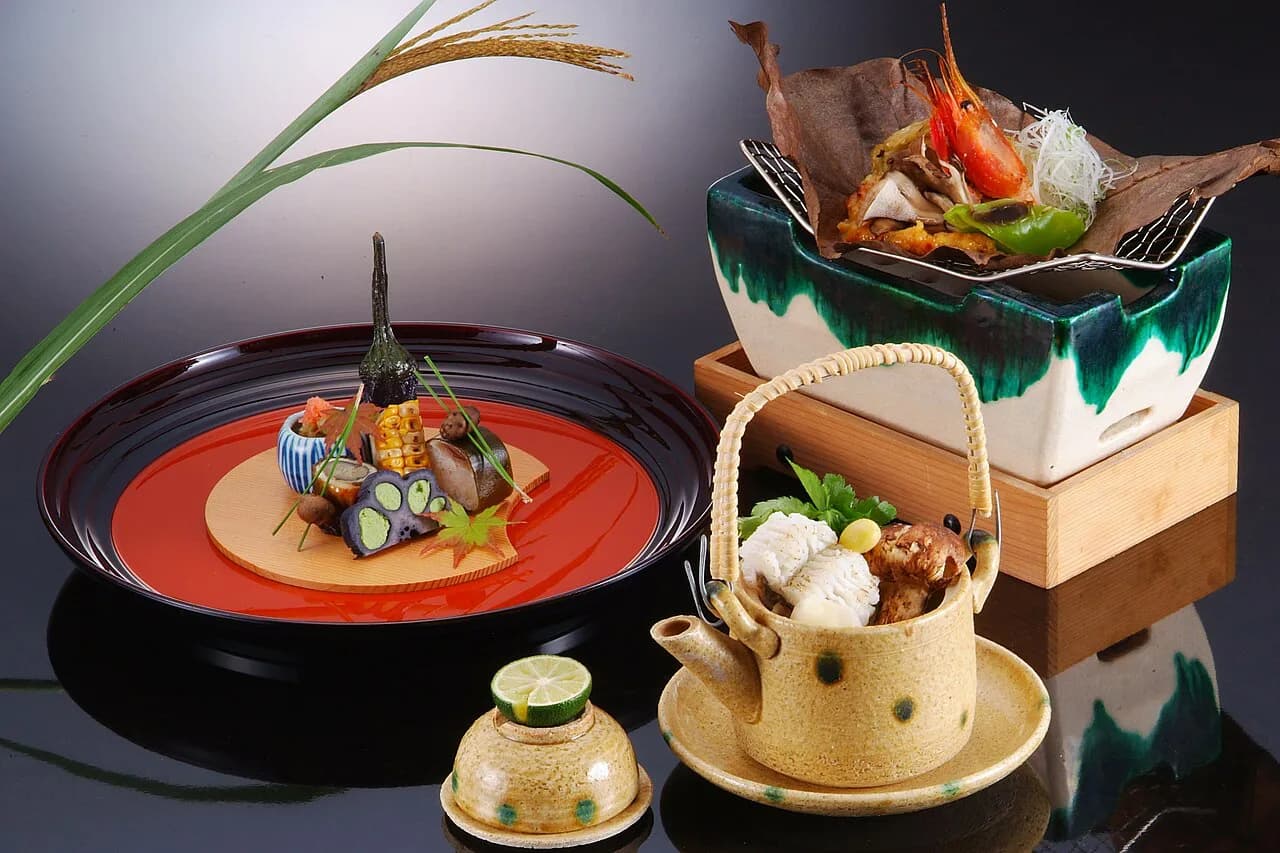
A kaiseki dinner at a Kinosaki Onsen ryokan is a multi-course meal built around Tajima region ingredients and Sea of Japan catches. Most ryokan bundle it into a half-board rate, so dinner and breakfast come with the room instead of showing up as separate line items. Chefs typically change the menu monthly and lean on local, in-season ingredients rather than a fixed year-round card. The meal anchors the town's onsen meguri ritual, the practice of hopping between public bathhouses over the course of a stay. Many ryokan dinner plans also include a digital pass, often called Yume-pa, that covers entry to all seven public baths. Guests typically bathe once or twice, change into a yukata, then sit down for dinner in the early evening. Many head back out to a bathhouse afterward to finish the ritual before bed. For background on how ryokan dining fits the wider food scene in town, see the Kinosaki Onsen food guide.
Seasonal Menus: Matsuba-gani Snow Crab vs Tajima Beef
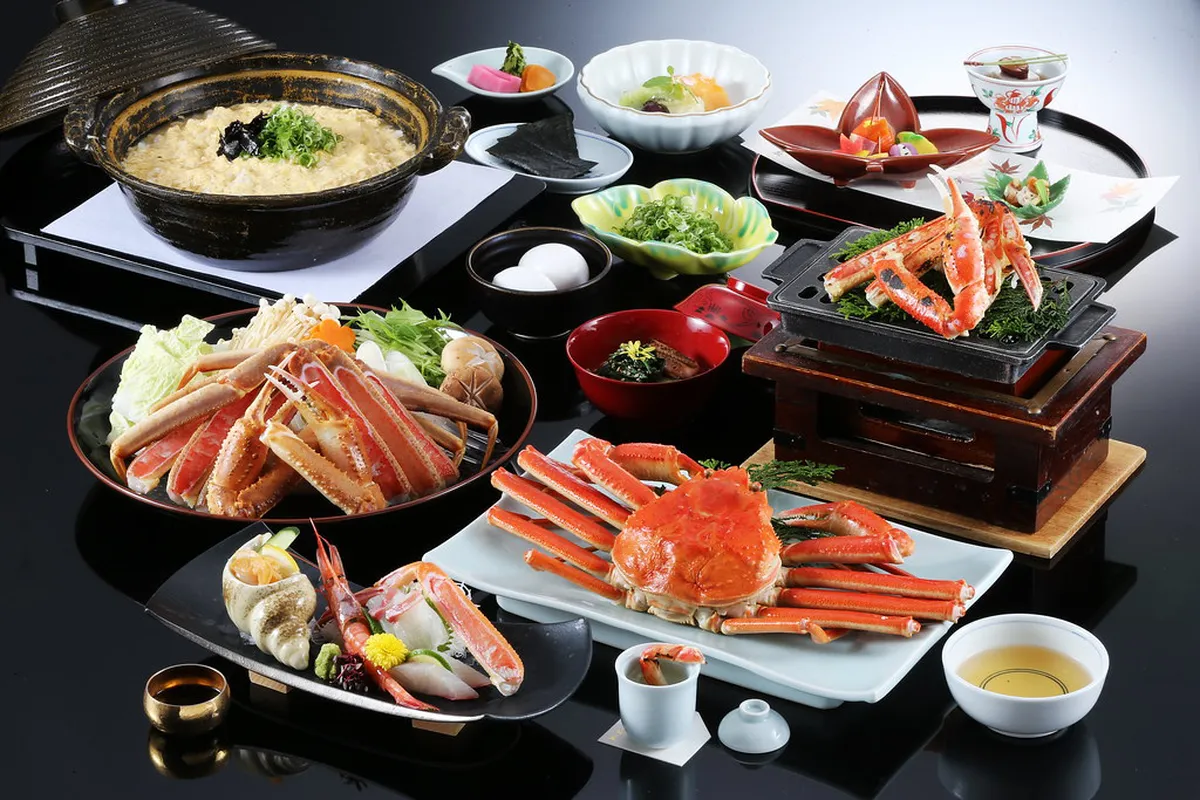
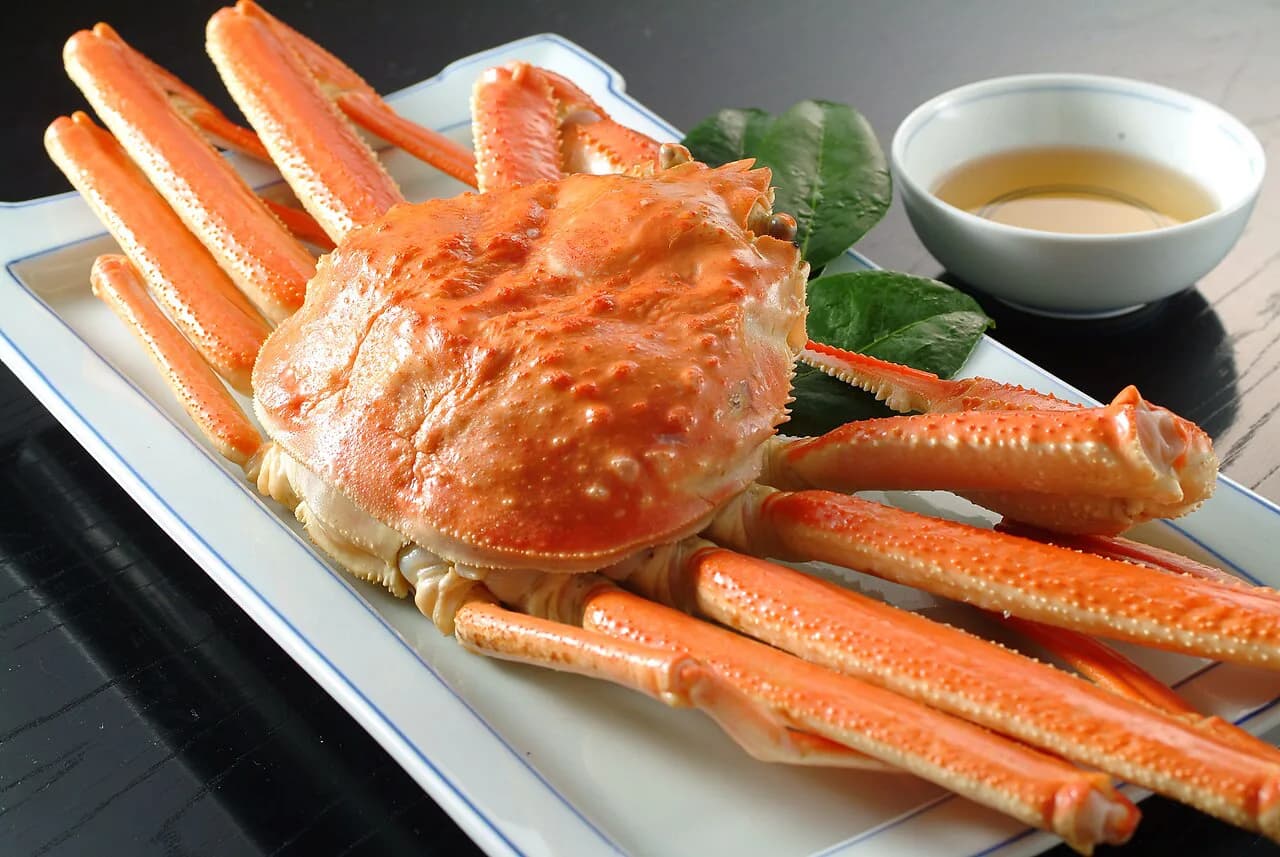
Winter menus, roughly November through March, center on matsuba-gani snow crab. Expect it boiled whole and served cold, plus a one-person crab suki hot pot cooked at the table. Sennen no Yu Koman's seasonal plan lists two crab preparations alongside 12 dishes total, including Japanese beef steak, sashimi, and tempura, and notes that the menu changes monthly. Outside crab season, Tajima beef, the same cattle lineage behind Kobe beef, becomes the dinner's centerpiece grilled course. Presentation follows the season too. Chefs favor ingredients at their peak, sometimes called hashiri for an early-season catch, or nagori for one caught right before the season ends. Because the crab window is specific, check the best time to eat crab before locking in dates. A companion resource, the winter crab guide, covers grading and pricing in more depth. For a wider view of when to visit outside crab season, the Best Time to Visit Kinosaki Onsen (2026) page compares weather and crowds across the year. For crab-specific restaurants beyond the ryokan table, see the Kinosaki crab dining guide.
Anatomy of a Typical Kaiseki Menu
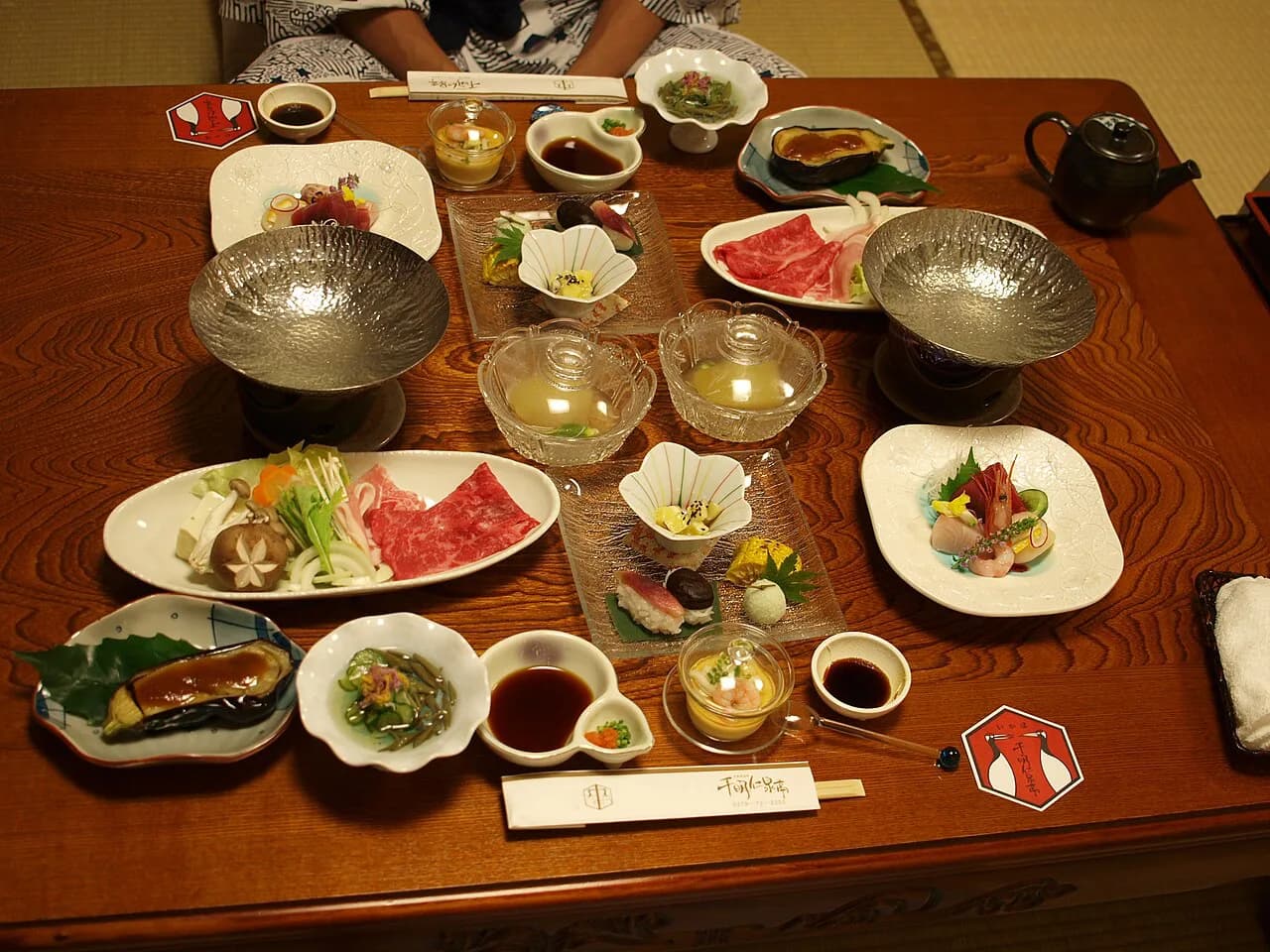
A Kinosaki ryokan kaiseki dinner usually runs 8 to 12 courses, plated one at a time. Ryokan Sensui, for example, serves 8 to 9 dishes, while Sennen no Yu Koman's seasonal plan runs to 12 items. Staff bring out each new dish only once the previous one is finished, keeping the pace unhurried. Presentation follows the season, with flowers, leaves, and cut vegetables used as garnish on nearly every plate. A nabe hot pot or a steamed mushi-mono dish sometimes appears as an extra course beyond the core lineup below.
- Sakizuke (appetizer): a small savory starter that opens the meal
- Sashimi: raw Sea of Japan catches, often including local white fish
- Yakimono (grilled dish): typically Tajima beef steak or grilled local fish
- Nabemono (hot pot): the seasonal centerpiece, crab suki in winter
- Rice and miso soup: served near the end to signal the meal is closing
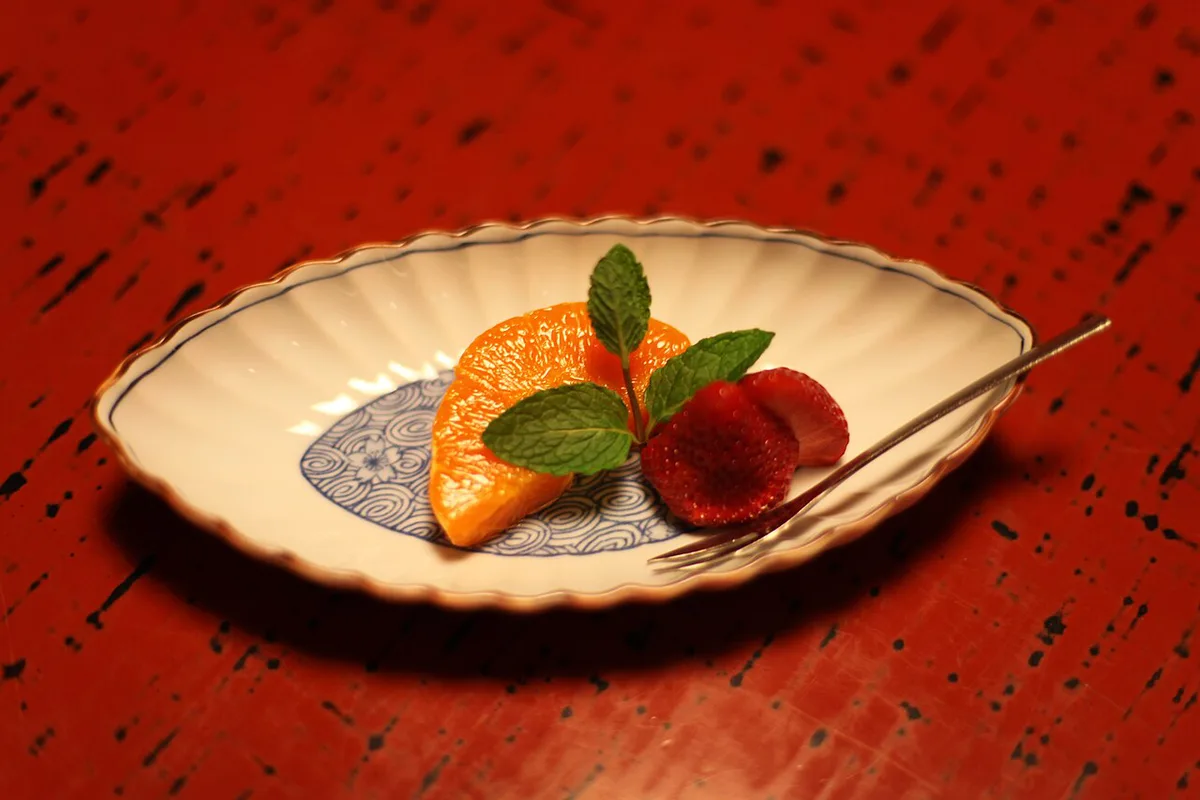
- Dessert: a seasonal fruit or a light sweet
The 6 PM Check-In Deadline and Where You'll Eat
Most Kinosaki ryokan set dinner service around 6 PM and build check-in policy around that clock. Sennen no Yu Koman's own booking page tells guests to check in no later than 6 PM and to call ahead if arriving later. Missing that window can mean a delayed or forfeited meal, sometimes without a refund, so build in slack if trains or buses run late. Guests connecting from Kyoto should confirm timing using the How to Get to Kinosaki Onsen from Kyoto and Osaka (2026) guide before booking a dinner-inclusive plan. Day-trippers weighing whether to stay overnight for the meal can compare options in the day trip from Kyoto guide.
Dinner service at 6 PM synchronizes with an 8 to 12 course progression timed course-by-course. Arriving late means missing the earlier courses, not just a delayed start.
Dinner then splits into two service styles. In-room dining, the traditional format, is served on low tables in your own tatami room and keeps the meal fully private. Ryokan Sensui instead seats guests in its dedicated siki restaurant, a dining-hall format that tends to move faster and suits groups better. Sensui also caps stays to guests 12 and older and includes free use of three private baths, a wooden, a stone, and a ceramic tub. Sennen no Yu Koman, one of the town's longer-established ryokan, serves its kaiseki course directly in the guest room and sits within a short walk of Mandara-yu and Goshono-yu, two of the seven public baths. Families should note the difference: Sennen no Yu Koman prices children 7 to 12 at 70 percent of the adult rate, with a children's lunch at ¥1,650 and separate bedding at ¥2,200 if needed. In-room service can leave a lingering food smell in the same space where you sleep, worth weighing if that matters to you.
Dietary restrictions need advance notice. Most ryokan ask for 3 to 7 days' warning for allergies, especially around seafood and dashi stock, so flag any restriction when booking rather than at check-in.
What a Ryokan Kaiseki Stay Costs
As of 2026, most Kinosaki ryokan quote kaiseki-inclusive stays per person, per night, bundling dinner and breakfast into the room rate. Mid-range ryokan typically price a kaiseki-inclusive overnight stay at roughly ¥30,000 to ¥40,000 per person. On top of that room rate, expect a handful of separate local charges, including a bathing tax that funds hot-spring facility upkeep and firefighting equipment in the town.
| Charge | Typical Amount | Notes |
|---|---|---|
| Overnight stay with dinner and breakfast | ¥30,000-¥40,000 per person | Mid-range ryokan, dinner and breakfast included |
| Toyooka City bathing tax | ¥150 per adult | Children are tax-exempt |
| Bathing/onsen admission fee | ¥210-¥300 per adult | Varies by ward; some ryokan bundle both charges into one line item |
| Drinks with dinner (sake, beer) | Billed separately | Not included in the half-board rate |
Breakfast and the Morning After
Kaiseki dinner arrives one course at a time, but breakfast flips that format. Ryokan serve the full set at once rather than course by course, and a typical spread looks like this:
Dinner's 8 to 12 courses demand patience and time as each arrives individually, but breakfast reverses that expectation entirely by presenting the entire set at once.
- Simmered tofu
- A rolled egg dish
- Local flounder, dried overnight
- Seasonal cooked vegetables
- Miso soup and rice
- Pickled vegetables
Kaiseki Dinner Mistakes to Avoid
A few avoidable mistakes can undercut an otherwise well-planned kaiseki dinner.
- Arriving after the ryokan's dinner cutoff, often 6 PM, without calling ahead
- Filling up on Yanagi-dori street snacks before an 8-to-12 course dinner
- Skipping the yukata at dinner, when wearing it is standard and expected
- Not requesting dietary accommodations far enough in advance
How Meal Service Affects Your Tatami Room
Meal location changes how staff prepare your room for the night. At an in-room property such as Sennen no Yu Koman, attendants serve dinner on a low table. They usually clear the dishes before arranging futons on the tatami.
This transition can take time after the final course. An evening visit to nearby Mandara-yu or Goshono-yu gives staff space to reset the room. Keep luggage and valuables together so the sleeping area remains clear.
Ryokan Sensui serves meals in its siki restaurant, so staff can prepare the guest room while diners are away. This separates food aromas from the sleeping space and avoids another room change after dinner.
Breakfast brings the reverse routine. Many ryokan remove or fold the futons while guests eat the Japanese set meal. Ask reception if you want the bedding left in place, though the request may depend on housekeeping schedules and your checkout time.
Further reading: Kinosaki Onsen on Wikivoyage · Kinosaki Onsen on Wikipedia
Frequently Asked Questions
What time do you need to check in for a Kinosaki ryokan kaiseki dinner?
Standard check-in starts at 3 PM, but most ryokan want guests settled by 6 PM so kitchens can time the kaiseki service. Arriving later can mean a delayed or forfeited dinner, so call ahead if a train or bus runs late.
What's the difference between in-room and dining-hall kaiseki service?
In-room dining is served on a low table in your own tatami room and stays fully private, though it can leave a lingering food smell in the sleeping area. Dining-hall service, like the siki restaurant format at Ryokan Sensui, tends to move faster and suits groups better.
Do Kinosaki ryokan kaiseki dinners always include crab?
Only in season. Matsuba-gani snow crab typically appears roughly November through March, usually as a boiled preparation plus a one-person crab suki hot pot. Outside that window, Tajima beef usually takes over as the dinner's main grilled course.
How much does a kaiseki-inclusive ryokan stay cost in Kinosaki Onsen?
Mid-range ryokan typically price a kaiseki-inclusive overnight stay, with dinner and breakfast, at roughly ¥30,000 to ¥40,000 per person. On top of the room rate, expect Toyooka City's ¥150 bathing tax, a separate ¥210 to ¥300 bathing admission fee, and any drinks ordered with dinner.
Can you request a special menu for food allergies?
Most ryokan can accommodate common allergies, especially around seafood and dashi stock, but ask well ahead. Plan on giving 3 to 7 days' notice before your stay.
Is it okay to wear a yukata to a kaiseki dinner?
Yes. Wearing the ryokan-provided yukata to dinner is standard practice in Kinosaki Onsen, not an exception guests need to request.
Can children stay at a Kinosaki ryokan with a kaiseki dinner plan?
It depends on the ryokan. Some, like Ryokan Sensui, only accept guests 12 and older, while others, like Sennen no Yu Koman, welcome children and price kids 7 to 12 at 70 percent of the adult rate.
Free guide: Japan's Hidden Gems
12 under-the-radar places beyond Tokyo & Kyoto — with the best season to visit each and a local tip you won't find in the guidebooks.
You might also like
Continue reading
More guides you'll find useful