Where to Eat Crab in Kinosaki Onsen: 5 Best Matsuba-Gani Spots
Where to eat crab in Kinosaki Onsen: ryokan kaiseki dinners, Okesho, Inaba Seafood Market, and Terakawa, plus when matsuba-gani season runs and what to budget.
On this page
Last updated July 2026, this guide narrows down where to eat crab in Kinosaki Onsen during the matsuba-gani season that runs roughly November 6 through March. Options split into three main experiences: private kaiseki courses at your ryokan, market-style restaurants around town, and quick tabe-aruki bites from gift shops. Five specific places and categories below cover luxury reservation-only dinners, walk-in seafood markets, and budget-friendly street snacks, so you can match a meal to your schedule and budget.
5 Best Places to Eat Crab in Kinosaki Onsen
Kinosaki Onsen packs its crab dining into three formats: a private kaiseki course at your ryokan, a sit-down meal at a market-style restaurant, and street food eaten while walking between hot springs. The five options below span all three, from the most exclusive reservation to the cheapest bun sold from a gift shop window. Reservation policies vary a lot between them, so confirm ahead if you're visiting on a weekend during peak season. For dessert, breakfast, and other meals beyond crab season, the wider Kinosaki food guide covers the rest of the town's dining.
| Place | Price Tier | Reservation | Best For |
|---|---|---|---|
| Ryokan Kaiseki Dinners | Luxury (bundled into your stay) | Booked with your ryokan | Private, multi-course dining |
| Okesho Sengyo & Dining Room Kaichuen | Mid-range | Walk-in welcome | Fresh market-to-table lunch |
| Inaba Seafood Market | Mid-range | Walk-in welcome | Casual, easy-to-find lunch |
| Terakawa | Luxury | Reservation only | Private, exclusive dinner |
| Street Food Stalls (Tabe-Aruki) | Budget | None needed | Quick bites between onsen visits |
- Ryokan Kaiseki Dinners
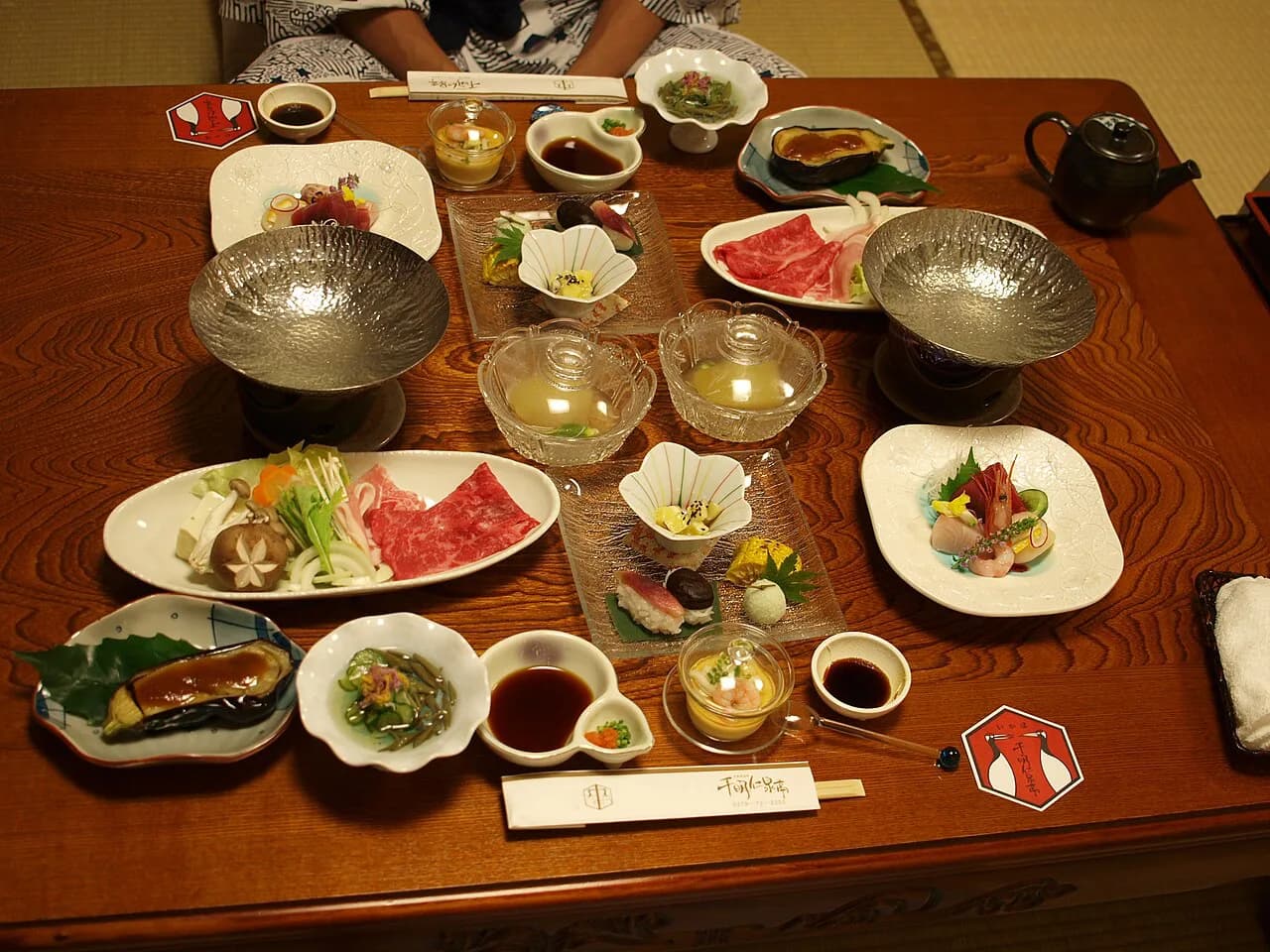
- Almost every ryokan in Kinosaki Onsen builds a kaiseki course around matsuba-gani from November through March, plated dish by dish in your room or a private dining area.
- A typical spread moves through crab sashimi, grilled kani-yaki, and often a kanisuki hot pot, alongside other seasonal dishes already included in your stay's dinner plan.
- The ryokan kaiseki dinners guide breaks down what a full course looks like and how it's typically booked as part of your stay.
- Okesho Sengyo & Dining Room Kaichuen
- This century-old seafood market sells live snow crab on the ground floor, then serves it upstairs in the second-floor dining room, so you see your crab before it's cooked.
- It's walk-in friendly, which makes it a dependable choice if you did not book a ryokan kaiseki plan ahead of time.
- Plan on lunch rather than dinner if you are not staying at a ryokan. Many town crab restaurants, this one included, keep shorter hours in the evening during peak season.
- Inaba Seafood Market
- Look for the giant crab model mounted on the building's front. It works as a landmark for finding the restaurant even before you check an address.
- Like Okesho, this is a combined seafood shop and restaurant, with live snow crab sold on site and walk-ins welcome.
- It's a reliable pick for a casual lunch between hot spring visits, without the advance planning a kaiseki dinner requires.
- Terakawa
- This snow crab specialty shop runs a reservation-only dinner, with a chartered second-floor guest room available to parties who book ahead.
- Expect the most exclusive, quietest setting on this list, suited to travelers who want a private crab dinner without staying at a ryokan.
- Book by contacting the restaurant directly well before your visit. Reservation-only seating fills first during peak crab season.
- Street Food Stalls (Tabe-Aruki)
- During crab season, gift shops along the town's walking streets sell crab meat buns and warm crab soup meant for eating on the move.
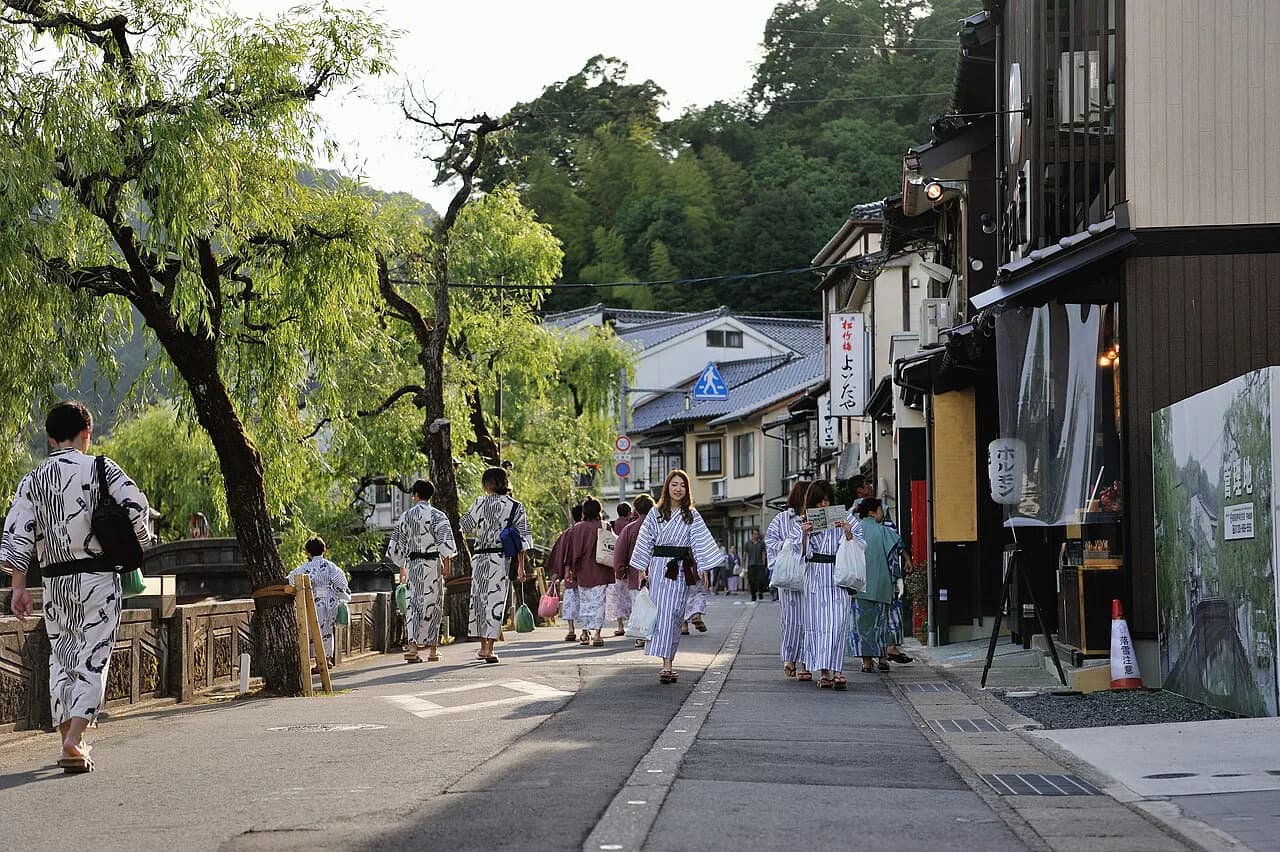
- This is the cheapest way to taste matsuba-gani, and it fits naturally into an evening of hopping between public bath houses in yukata.
- The yukata street food guide covers more tabe-aruki snacks beyond crab season, useful if you visit outside the winter window.
Ryokan Kaiseki vs. Restaurant Dining: The Trade-Off
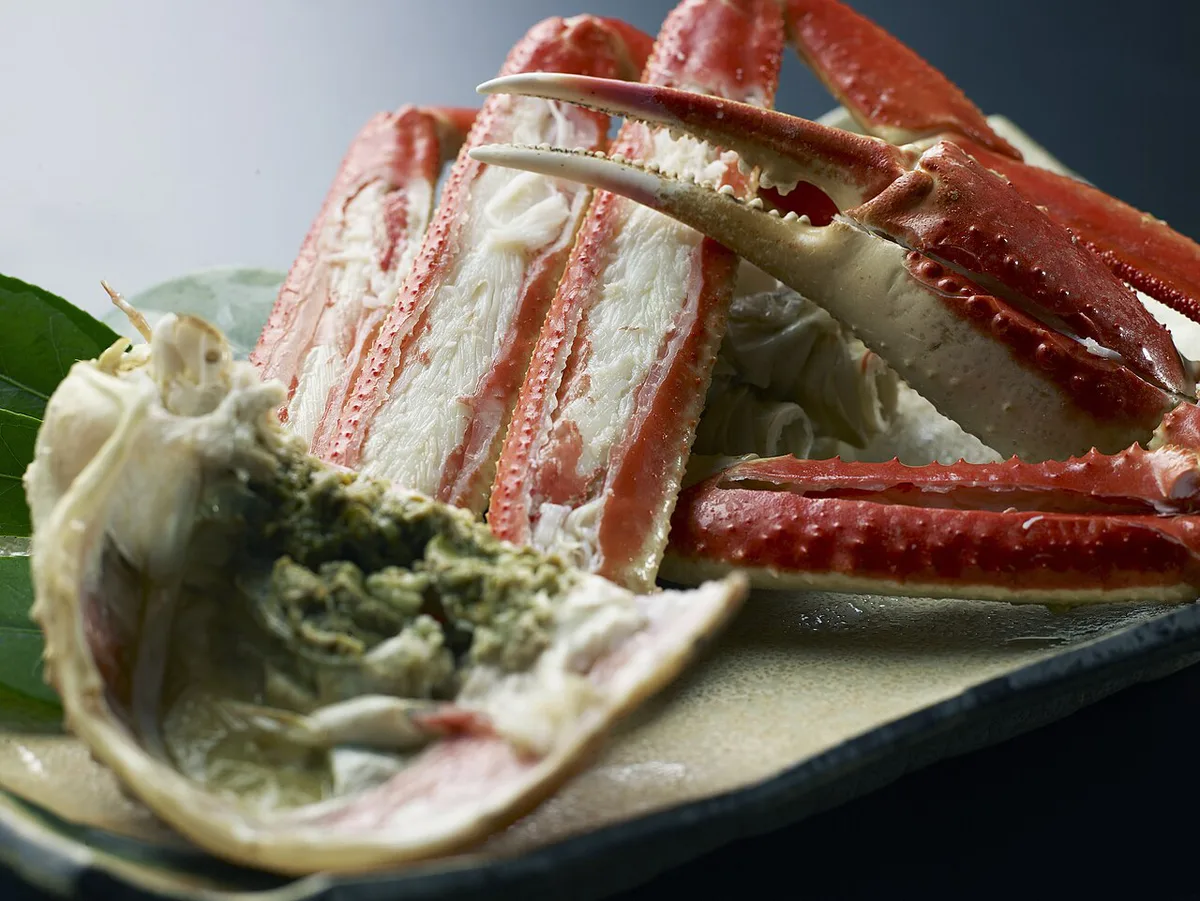
Choosing between a ryokan dinner and a restaurant meal comes down to atmosphere versus choice. A kaiseki dinner is quiet, private, and already paid for as part of your stay, though you eat whatever the kitchen has planned that night. It's also the easiest place to wear your ryokan's yukata to the table. The yukata guide covers how to tie it properly before you sit down. Walking into town for dinner at a restaurant like Okesho or Terakawa gets you a livelier room and, at the market restaurants, a look at your crab before it's cooked. The trade-off is timing: town restaurants keep their own hours, so you plan around them rather than just showing up for your ryokan's set dinner service. Between bath-hopping and a dinner reservation, the town's attractions guide covers other ways to fill the afternoon. If you have not booked a stay yet, the where to stay guide compares ryokan with kaiseki dinners included.
Matsuba-Gani vs. Sekogani: Choosing Your Crab
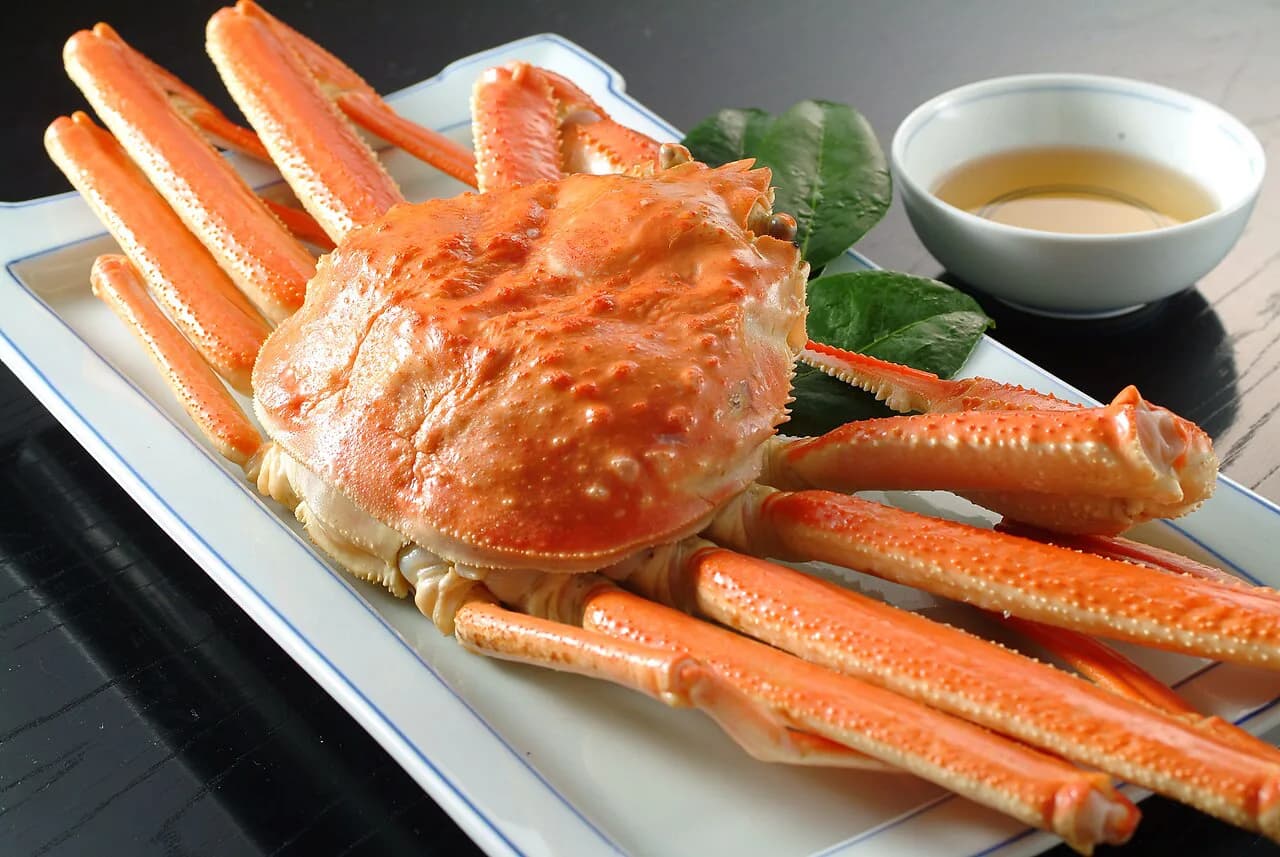
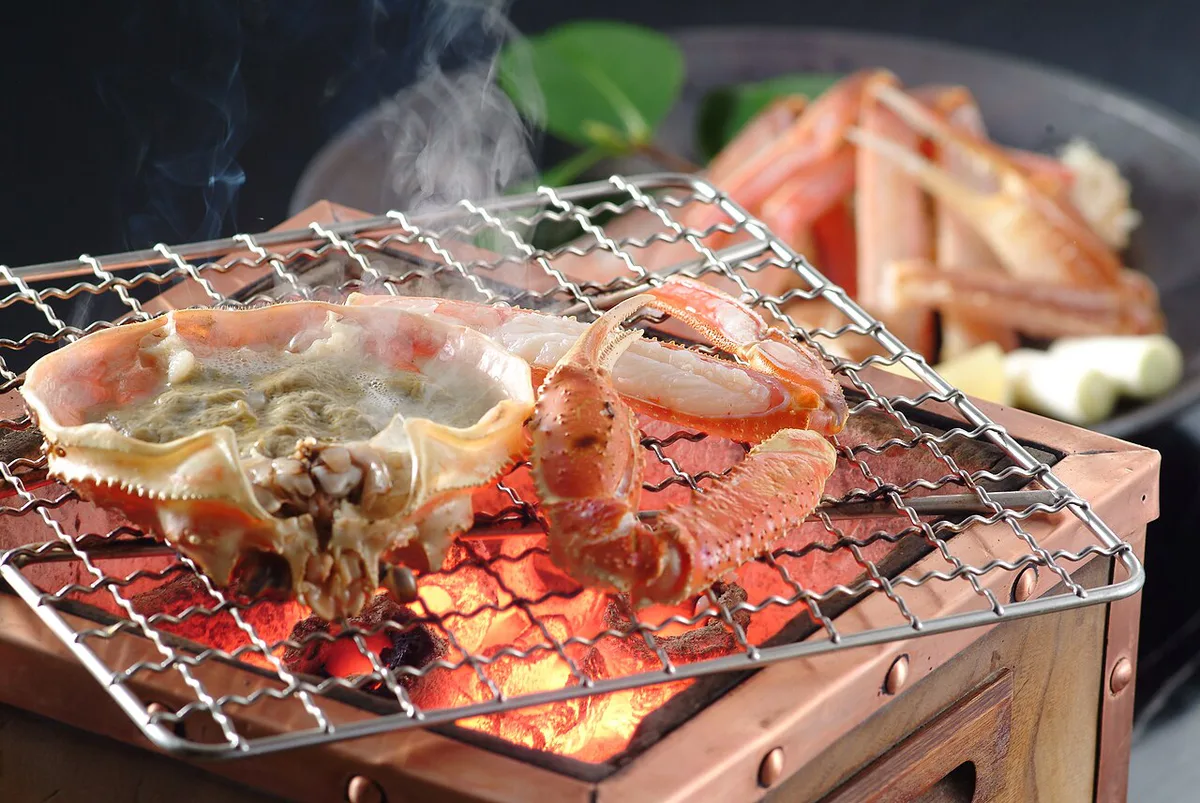
Matsuba-gani is the male snow crab, prized for legs that can stretch nearly two feet across when the crab is laid flat. Its meat is what most kaiseki courses and restaurant grills highlight, served as legs, kani-yaki, and kani-sashimi. Sekogani is the female counterpart: smaller in body and legs, but valued for its roe. A single sekogani can carry roughly 100,000 red eggs inside its shell. Because sekogani is smaller, it typically costs less than a full matsuba-gani course, which makes it a reasonable choice on a tighter budget. Adventurous eaters should also try kani miso, a soft, buttery paste scooped from inside the crab's body and often served warm as its own small dish.
What to Drink With Kinosaki Crab
Kinosaki's own brewery makes a Crab Beer, sold locally as Snow Beer, brewed to pair with seafood courses. A side trip to nearby Izushi turns up Izushi Roman Koelsch from that town's brewery, along with its Weizen and Session IPL styles. For sake, Izushi's 250-year-old Sakagura brewery pours Sasazuru-brand sake inside a tasting room with red mud walls, a good stop if you want something dry enough to cut through a rich crab course. Most restaurants and ryokan in Kinosaki also carry a house sake list. The restaurants guide lists more options if you want to compare drink menus before you sit down.
Other Local Specialties Worth Trying
For a break from seafood, Tajima beef is the region's other signature. It comes from the same Tajima strain of black cattle that produces Kobe beef, raised across the wider Tajima area of northern Hyogo. In Kinosaki itself, Irori Dining Mikuni serves Tajima beef lunch sets and reservation-only dinner courses on its second floor. For a side trip, Izushi is known for sara soba, buckwheat noodles served across small stacked plates instead of in a single bowl. Fitting a soba lunch in Izushi around a crab dinner back in Kinosaki takes some planning. The Kinosaki itinerary guide can help slot both into the same trip.
When Snow Crab Season Runs in Kinosaki Onsen
Snow crab season in Kinosaki Onsen runs from November 6 through March, matching the official opening and close of the Sea of Japan snow crab fishery. Outside that window, restaurants serve frozen crab or none at all, so do not expect fresh matsuba-gani in summer. The best time to eat crab guide breaks the season down month by month. If you're weighing crab season against Kinosaki's other draws, the best time to visit guide compares it with cherry blossom and summer festival timing. For a closer look at how the season moves week by week, see the winter crab guide.
What Crab Dining Costs in Kinosaki Onsen
Pricing runs in three rough tiers. Street food buns and soup sit at the budget end. A single course at a market restaurant like Okesho or Inaba lands mid-range. A full kaiseki dinner, or a reservation-only night at Terakawa, sits at the luxury end. Ryokan that include kaiseki in the room rate effectively bundle the highest tier into your stay. Weigh that against paying separately for a restaurant dinner once you're in town.
Choosing sekogani, the female crab with roughly 100,000 roe eggs, cuts costs compared to matsuba-gani while still delivering distinctive seasonal seafood across all three dining formats.
Mistakes to Avoid and Spotting Authentic Tsuiyama Crab
Two mistakes are common. First, showing up in July or August and expecting fresh matsuba-gani. It's out of season and will not be on the menu. Second, arriving at a reservation-only restaurant like Terakawa without booking ahead, especially around the Tsuiyama Port crab festival each November, when demand peaks. Restaurants that source directly from Tsuiyama Port sometimes tag their crab with a blue marker. That tag is a regional signal that the catch came from that port rather than elsewhere, worth asking your server about if authenticity matters to you.
Getting to Kinosaki Onsen for a Crab Trip
Kinosaki Onsen works as a day trip or an overnight stop from Kyoto, and travel time affects how much crab you can fit into a visit. The how to get to Kinosaki guide covers train options from Kyoto and Osaka. An overnight ryokan stay makes room for a full kaiseki dinner. A shorter visit fits better around a market restaurant lunch instead.
For trip-planning details, see Snow Crab (Matsuba Crab).
Frequently Asked Questions
Is eating crab in Kinosaki Onsen worth it on a day trip?
Yes, but plan around lunch. A market restaurant lunch at a spot like Okesho or Inaba fits a day trip more easily than a full kaiseki dinner, which is built around an overnight ryokan stay. The day trip from Kyoto guide lays out a realistic schedule.
Can vegetarians eat at Kinosaki's crab restaurants?
It's difficult. Dashi stock made from fish or bonito flakes often underlies dishes that otherwise look plant-based, both at ryokan kaiseki dinners and at town restaurants. Confirm dietary needs directly with a restaurant or your ryokan before you book, rather than assuming a dish is vegetarian just because crab isn't listed in it.
What is the blue tag on some Kinosaki crab?
A blue tag on a crab at a Kinosaki market or restaurant typically marks it as sourced from Tsuiyama Port, the port most closely tied to the town's snow crab supply. It's a regional authenticity marker worth asking your server about if you want to confirm where your crab was caught.
What's the difference between matsuba-gani and sekogani?
Matsuba-gani is the male snow crab, valued for its long legs and meat. Sekogani is the smaller female, valued instead for its roe, with a single crab carrying roughly 100,000 eggs. Sekogani is typically the cheaper of the two.
When does crab season start and end in Kinosaki Onsen?
Snow crab season in Kinosaki Onsen runs from November 6 through March, tied to the Sea of Japan fishery's official opening and close. Outside that window, expect frozen crab or none at all, since fresh matsuba-gani is not available in summer.
Do you need a reservation for crab dinner in Kinosaki Onsen?
Ryokan kaiseki dinners are arranged when you book your stay. Terakawa requires its own reservation for its second-floor dinner. Okesho and Inaba are walk-in friendly, though arriving for lunch improves your chances since some town restaurants shorten evening hours.
Free guide: Japan's Hidden Gems
12 under-the-radar places beyond Tokyo & Kyoto — with the best season to visit each and a local tip you won't find in the guidebooks.
You might also like
Continue reading
More guides you'll find useful