What to Eat in Kinosaki Onsen: 10 Local Dishes to Try (2026)
What to eat in Kinosaki Onsen: snow crab, Tajima beef, Izushi soba, and craft beer. Ten local specialties plus ryokan-vs-restaurant dining tips for 2026.
On this page
Last updated July 2026, this guide covers what to eat in Kinosaki Onsen across ten local specialties, from winter snow crab to everyday street snacks. Most overnight guests stay on a ryokan half-board plan, so a multi-course kaiseki dinner is often already booked before the first yukata-clad walk to the bathhouses. What follows separates that in-room dinner from the food worth seeking out on foot, so a short stay covers both.
Kinosaki Onsen's Food Identity: Ryokan Kaiseki Meets Yukata Street Food
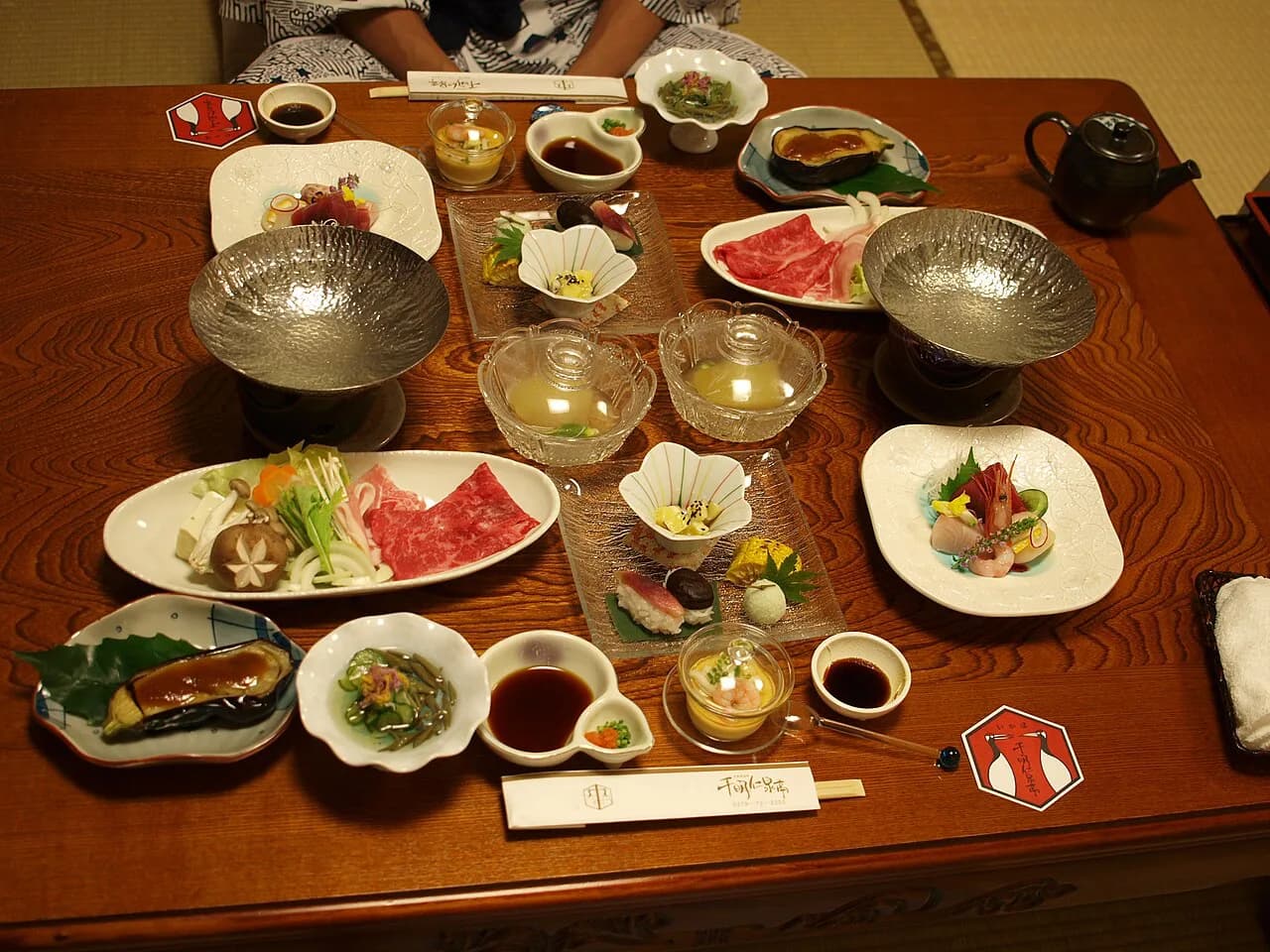
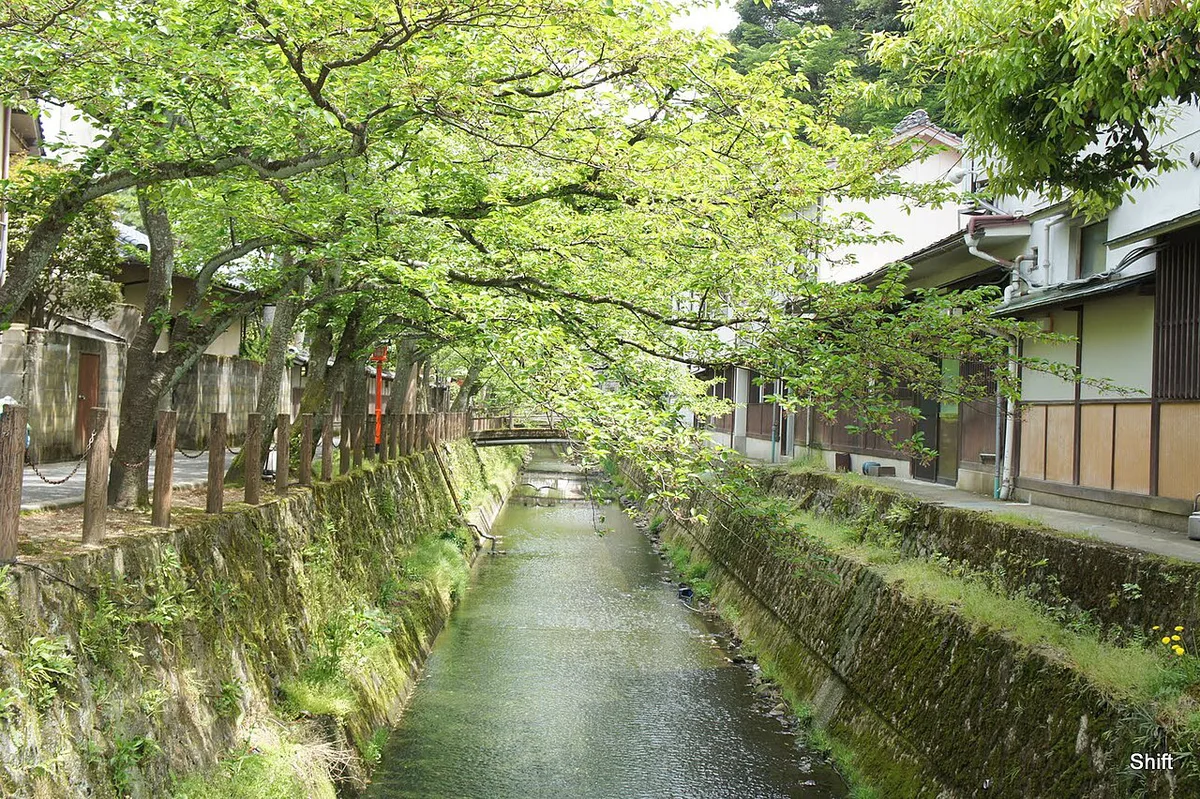
Kinosaki Onsen's dining culture splits into two distinct experiences. Most overnight guests book a ryokan on a half-board plan, and dinner arrives as a multi-course kaiseki meal served inside the inn. Between soaks, guests change into a yukata and geta sandals supplied by the ryokan, then walk the town's canal street between its public bathhouses. Seven bathhouses anchor that circuit, spacing food stops naturally along the walk. That stroll is where the town's street food culture lives, tucked between bathhouse entrances and souvenir shops along the same street. Day visitors without a ryokan booking rely entirely on that street food and on independent restaurants, since there is no in-room dinner to fall back on. For sandal etiquette and outfit basics before heading out, see the yukata guide.
What to Eat in Kinosaki Onsen: 10 Local Specialties to Try
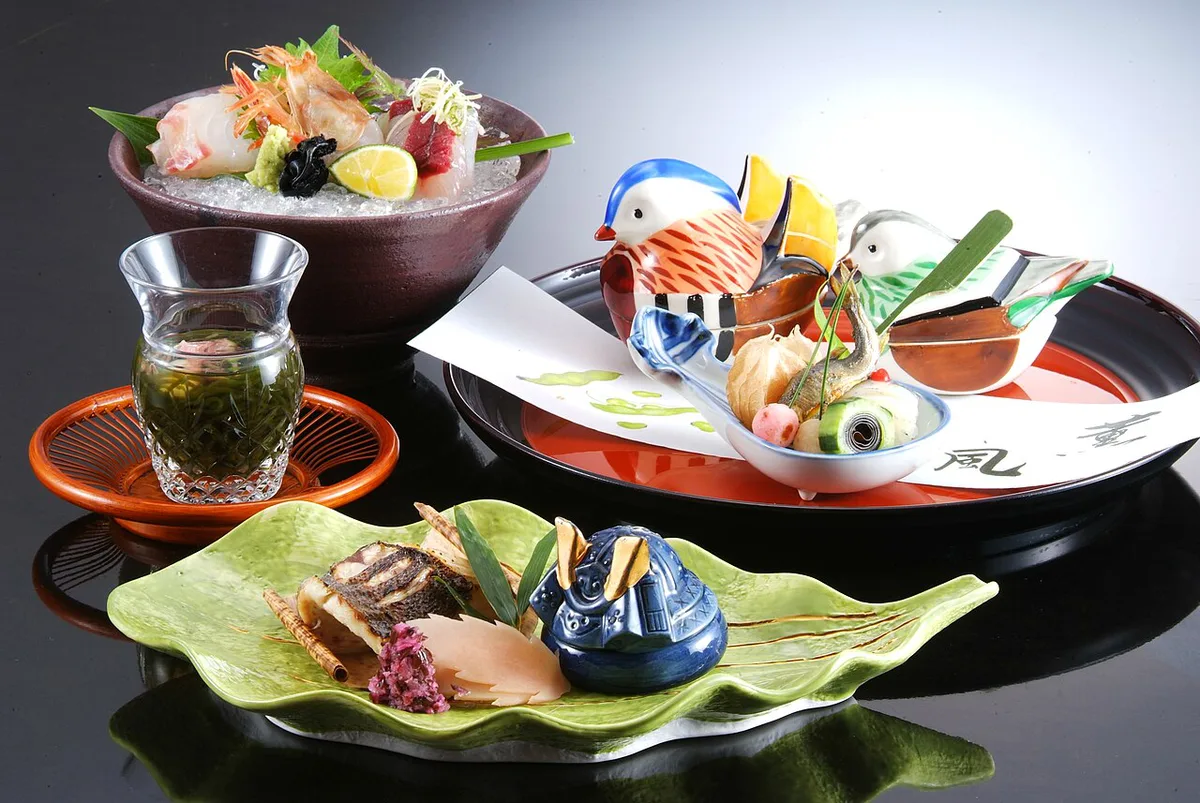
These ten dishes and drinks cover the winter specialty, the year-round staples, and the casual snacks that define eating in Kinosaki Onsen and nearby Toyooka. Each entry below notes where to find it and roughly how it fits into a visit's budget.
Maruzen's operations since 1978 at two Toyooka locations anchor the high-end Tajima beef tier, illustrating how established restaurants with decades of experience justify reservation-focused dining strategies during peak seasons when walk-ins are unlikely to find seating.
- Matsuba-gani (Snow Crab)
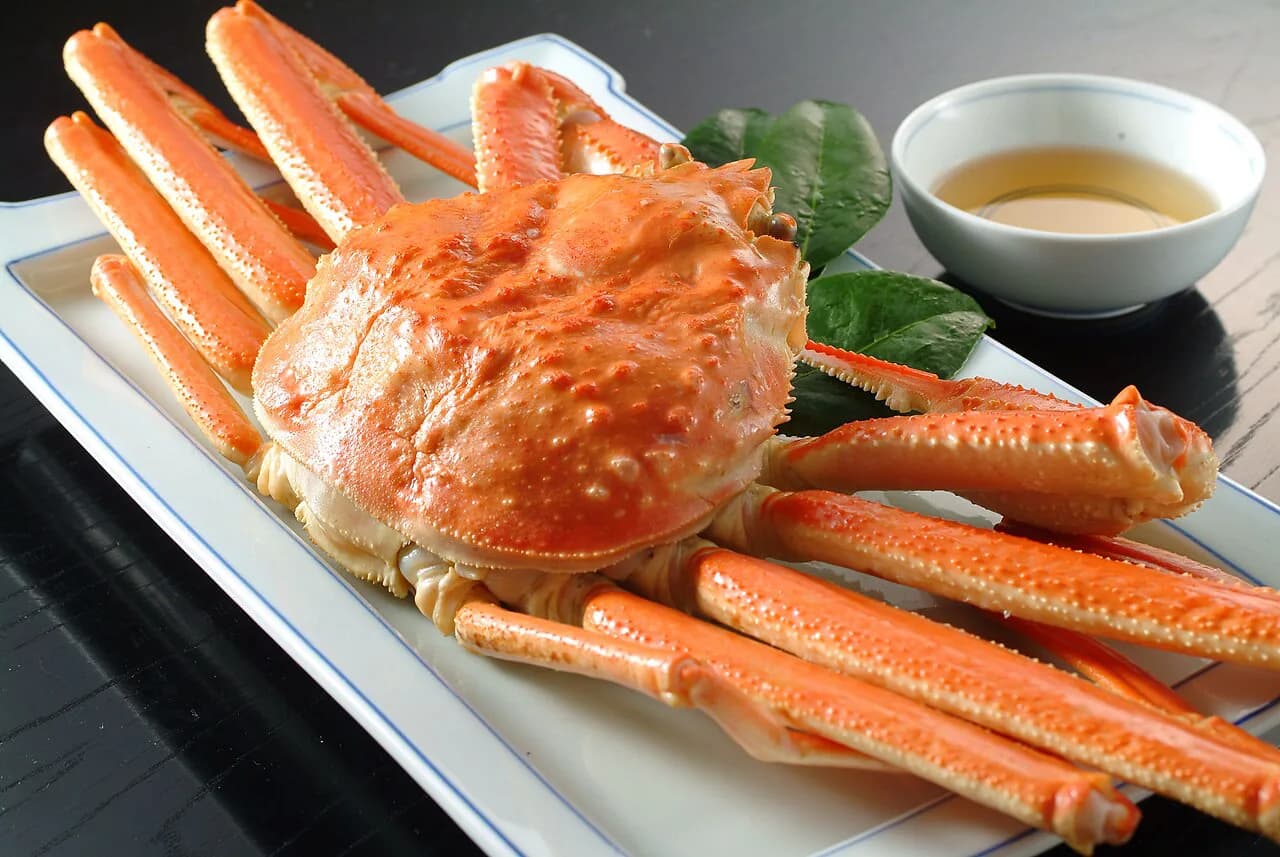
- Snow crab from the Sea of Japan is Kinosaki's signature winter dish, served boiled, grilled at the table, or raw as sashimi.
- Crab season runs roughly November through March and sits at the high end of any Kinosaki meal's cost; the winter crab guide breaks down how the season unfolds month by month.
- Korayaki sells takeout crab dishes for a lower-cost taste, while reservation-only kitchens like Terakawa serve full crab courses; the crab dining guide covers how to book ahead.
- Tajima Beef
- Tajima beef comes from the black cattle strain behind Kobe beef; the Kobe Beef Marketing and Distribution Promotion Association requires Tajima bloodlines for any cut to carry the Kobe label.
- Irori Dining Mikuni is Kinosaki's Tajima beef specialty restaurant, with lunch sets like the Tajima Beef Steak Set and Tajima Beef Curry Set plus a reservation-only dinner course.
- Maruzen in nearby Toyooka has grilled beef since 1978 across two locations, Kokonokaichi and Bettei Yuan, a bigger yakiniku option than Kinosaki's single specialty restaurant.
- Izushi Sara Soba (Five-Plate Buckwheat Noodles)
- Izushi's sara soba tradition serves buckwheat noodles across small individual plates instead of one bowl, a format tied to the historic castle town.
- A short trip from Kinosaki Onsen reaches Izushi; the getting to Kinosaki guide covers regional transit options for the side trip.
- It's a mid-range meal, cheaper than a full crab course and a practical lunch stop between sightseeing.
- Tajima Beef Buns and Croquettes
- Tajima Beef Delicatessen and Teahouse sells beef buns and croquettes alongside Tajima duck and chicken, priced as an easy handheld snack.
- Gyusho Ueda's Kinosaki store offers Tajima beef takeout, and Burger and Cafe Loco serves Tajima beef burgers, hot dogs, and gelato.
- These are the budget-friendly way to try Tajima beef without booking a sit-down dinner.
- Fresh Seafood Skewers and Takeout
- Seafood shops along the main street sell skewers and takeout portions timed for the yukata stroll between bathhouses.
- Inaba Seafood Market and Daiko Shoten Restaurant both specialize in seafood, and Korayaki adds takeout crab dishes to the same stretch.
- The yukata street food guide maps these stops against the seven-bathhouse circuit.
- Hasegawa Tofu Shop Tofu Donuts
- Hasegawa Tofu Shop pairs tofu donuts and cake with a footbath, letting guests sit and eat while soaking their feet mid-stroll.
- It's one of the few stops combining a snack break with onsen culture without needing a full bathhouse visit.
- The shop sits along the same main street as the seafood stalls, making it an easy add rather than a separate trip.
- Sweets, Footbath Snacks, and Stork Natural Rice
- Hakkou Anka Ukawa sells kinako flour donuts, and Kinosaki Ashiyu Cafe pairs sweet potato desserts with another footbath.
- Stork Natural Rice, grown using farming methods tied to the region's Oriental White Stork conservation work, shows up on menus as a side or a standalone dish.
- Cafe Elbe is a simpler stop for toast and honey tea between bathhouse visits, if a full dessert isn't needed.
- Kinosaki Craft Beer
- Kinosaki brews four core styles: a pilsner called Sky Beer, a stout called Black Beer, a weizen called River Beer, and a crab-paired Snow Beer.
- Snow Beer, the crab beer, is built to drink alongside matsuba-gani during crab season rather than as a standalone pour.
- Izushi adds its own weizen, Roman Koelsch, plus a session IPL for anyone extending the trip to the castle town.
- Local Sake
- Izushi's Sakagura brewery has operated for roughly 250 years inside a building with distinctive red mud walls.
- A 14th-generation owner currently runs Sakagura, pouring tastings of the Sasazuru brand before visitors buy a bottle to take home.
- In Japanese, sake as a word covers any alcoholic drink; the rice wine itself is properly called nihonshu, worth knowing before ordering.
- Izakaya Small Plates
- Amano, a roughly 10-minute walk from Toyooka Station, is a recommended izakaya with a chef who has over 30 years of experience.
- Expect a wet towel on arrival, then a small charged appetizer followed by dishes like sashimi, tempura, edamame, and grilled skewers ordered a few at a time.
- Drinks run from sake and beer to shochu and fruit-flavored sours, and Amano keeps its own sake selection alongside the food menu.
Dining Logistics: Ryokan Kaiseki Dinners vs Eating Out in Town
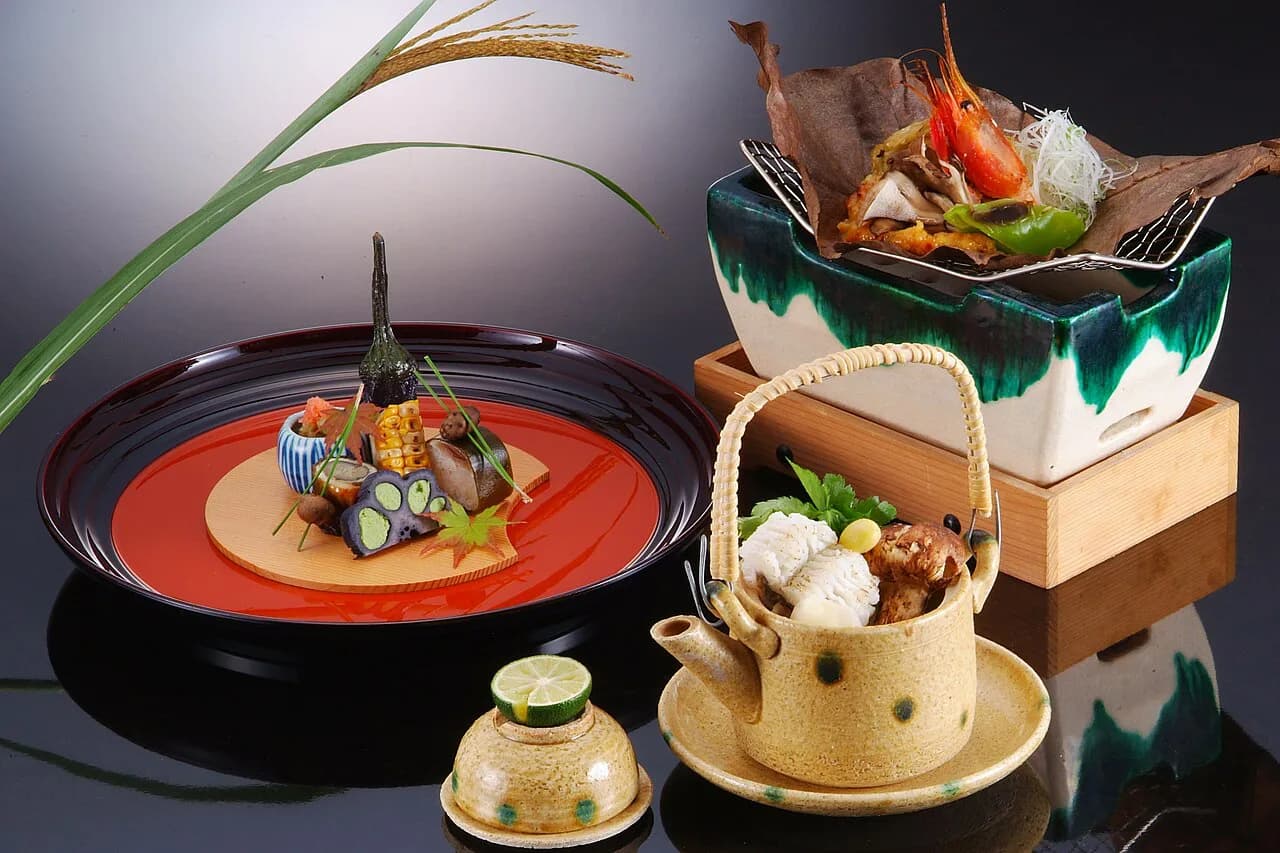
Most Kinosaki ryokans include a multi-course kaiseki dinner in the room rate, so dinner is often decided before check-in. The ryokan kaiseki dinners guide explains what a typical course sequence includes and what to expect at the table. Because so many guests eat in, independent restaurants in town keep shorter evening hours or require reservations, and some close once the dinner rush ends. Arriving at a restaurant around 7pm without a booking is the most common mistake, since kitchens like Terakawa's crab course run reservation-only. Anyone skipping the in-room dinner should check the Kinosaki restaurants guide and book ahead, especially during crab season. For a late option after the last bathhouse closes, an izakaya like Amano in Toyooka keeps the small-plates and drinks culture going into the evening.
Amano's chef brings over 30 years of experience to its izakaya format, providing a trusted late-dining alternative when ryokan kaiseki is declined or when reservation-only crab kitchens are fully booked, especially valuable during peak seasons.
Izakaya Culture: How Ordering Works
Izakayas are informal Japanese pubs, and Amano in Toyooka is the closest recommended example, a short trip from the onsen town itself. Seating ranges from tatami mats to regular chairs to standing-only counters, and the format favors ordering many small dishes over a few hours rather than one set meal. On arrival, expect a wet towel called an oshibori and a small starter dish that works like a seated charge rather than a free appetizer. Dishes come out as the kitchen finishes them: edamame and chilled tofu first, then fried chicken, grilled skewers, sashimi, pickled vegetables, and noodles as the evening continues. Drinks span sake, beer, shochu, wine, whiskey, and cocktails, including fruit-flavored sours in flavors like ume, yuzu, peach, and lime. Some izakayas offer a nomi-hodai, an all-you-can-drink set for a fixed stretch of time, alongside a food equivalent called tabe-houdai. This ordering style differs from a ryokan's set kaiseki course, where every dish is chosen and timed by the kitchen rather than by the guest.
When to Visit Kinosaki Onsen for the Best Food
Crab season runs roughly November through March, and that window sets the calendar for anyone planning a trip around matsuba-gani. Outside those months, Tajima beef, Izushi sara soba, and the full craft beer lineup stay available year-round, so a summer visit still covers most of the list above. Spring and summer visitors trade crab for lighter seafood and the full craft beer lineup, without losing much of the food identity covered above. The best time to visit guide breaks down the wider seasonal picture beyond food. For crab specifically, the best time to eat crab guide narrows the window further by month. Winter crowds also concentrate around crab season, so booking ryokans and reservation-only restaurants further ahead matters more from November through March than in other months. Day-trip visitors from Kyoto should plan around restaurant opening hours rather than season, since a single day limits how many reservation-only spots fit. The day trip from Kyoto guide covers timing for a one-day visit.
Dietary-Inclusive Dining and Special Requests
Kinosaki's dining directory lists a dedicated dietary-inclusive dining category alongside its Tajima beef, snow crab, and sake and beer listings, so travelers with allergies or dietary restrictions are not limited to guesswork. Checking a restaurant's dietary-inclusive listing before booking a ryokan kaiseki dinner or a reservation-only crab course is worth doing ahead of arrival, since substitutions inside a set multi-course meal are harder to arrange on the spot than at an à la carte restaurant.
Budgeting a Kinosaki Food Trip
Costs in Kinosaki split into three rough tiers, from a street-food snack to a full crab dinner. Street food and takeout sit at the low end: buns, donuts, and skewers priced for a quick bite between bathhouses. Izushi sara soba and izakaya small plates land in the middle, priced as a sit-down lunch or casual dinner. Matsuba-gani courses and Tajima beef dinners sit at the high end, especially inside ryokan kaiseki settings during crab season. Ryokan-included kaiseki dinners are usually priced into the room rate rather than billed separately, so the tiers below mainly apply to meals eaten outside the ryokan. Current menu prices are best checked directly with each restaurant, since they shift with the season and with crab availability.
| Cost Tier | What Falls Here | Where to Find It |
|---|---|---|
| Low | Beef buns, croquettes, tofu donuts, kinako donuts | Tajima Beef Delicatessen and Teahouse, Hasegawa Tofu Shop, Hakkou Anka Ukawa |
| Mid-range | Izushi sara soba, izakaya small plates | Izushi's soba shops, Amano in Toyooka |
| High | Matsuba-gani courses, Tajima beef yakiniku or ryokan kaiseki | Terakawa, Maruzen, in-house ryokan dinners |
A Practical Eating Route for the Yukata Stroll
Kinosaki's public bathhouses sit along one walkable street, so eating and bathhouse-hopping in yukata happen back to back. Stops below follow that street loosely, pairing each stretch with a nearby specialty. This loop fits alongside the town's main sights, and the Kinosaki attractions guide lists what else sits along the same street. For a fuller multi-day plan, the Kinosaki itinerary guide slots these meals around bathhouse visits. Where a ryokan sits relative to the station affects how much walking this route takes, so check the where to stay guide before booking.
- Near the Station
- Pick up Tajima beef takeout at Gyusho Ueda or a bun from Tajima Beef Delicatessen and Teahouse before checking into a ryokan.
- This works well right after arrival, before the first bath of the stay.
- Between the First Few Bathhouses
- Stop at Hasegawa Tofu Shop for a tofu donut and footbath break.
- The footbath lets guests rest without needing a full bathhouse visit mid-loop.
- Main Canal Stretch
- Pick up seafood skewers or takeout crab at Korayaki, Inaba Seafood Market, or Daiko Shoten Restaurant.
- This stretch covers most of the seafood-focused shops along the main street.
- Evening
- If the ryokan skips dinner, book ahead at Irori Dining Mikuni for Tajima beef or a reservation-only crab spot like Terakawa.
- Booking earlier in the day avoids the 7pm walk-in problem covered above.
Building a Kinosaki Food Itinerary for a Short Stay
A single overnight in Kinosaki Onsen usually means one ryokan kaiseki dinner and one open meal, either lunch or a second dinner in town. Use that open meal for whichever specialty the kaiseki course skips: crab if the menu is beef-forward, or Izushi sara soba if a side trip to the castle town fits the schedule. Street food fills the gaps between those two meals, from a Tajima beef bun near the station to a tofu donut and footbath partway through the bathhouse loop. Visitors extending the stay to two nights can add an izakaya evening at Amano and a full crab course at a reservation-only kitchen like Terakawa, spacing the town's high-cost meals across separate nights instead of stacking them into one. Matching the trip to crab season, roughly November through March, still has the biggest effect on what ends up on the table, more than any single restaurant choice.
How to Choose a Matsuba Crab Preparation
Matsuba-gani appears in several preparations, and each offers a different reason to order it. Boiled crab highlights the meat’s natural sweetness and is the easiest style for first-time visitors. It is often served as separated legs or a whole crab that diners pick apart.
Grilled crab develops a smoky aroma and slightly firmer texture. Ryokan kaiseki meals may cook the legs over a tabletop grill, allowing guests to eat them immediately. Crab sashimi is served raw and chilled, with delicate flesh that separates into fine strands. Choose it only at a restaurant or ryokan experienced in handling fresh local seafood.
- Choose boiled crab for a classic, straightforward taste.
- Choose grilled crab for stronger aroma and firmer meat.
- Choose sashimi for a delicate texture and a freshness-focused experience.
Full winter courses may include several preparations alongside crab hot pot and zosui rice porridge. This format is useful when one meal must cover the region’s main seasonal specialty.
For trip-planning details, see Kinosaki Onsen and Kinosaki Onsen Tourism.
Explore food in other cities
Frequently Asked Questions
What is the single most famous dish to eat in Kinosaki Onsen?
Matsuba-gani, the region's snow crab, is the dish most associated with Kinosaki Onsen, though it is only in season roughly November through March. Outside that window, Tajima beef and Izushi sara soba are the two dishes most worth prioritizing instead.
Is snow crab available year-round in Kinosaki?
No. Matsuba-gani season runs roughly November through March, and outside that window Tajima beef, Izushi sara soba, and the town's craft beer lineup fill the gap. Some shops sell takeout crab dishes outside the main season, but check current availability before planning a trip around it.
Do you need a restaurant reservation for dinner in Kinosaki?
Often yes, especially if a ryokan doesn't include dinner or a visitor wants a specific specialty like crab. Kitchens such as Terakawa run reservation-only, and many other restaurants keep shorter evening hours because so many guests already eat inside their ryokan.
What's the cheapest way to try local specialties in Kinosaki?
Street food is the low-cost route: Tajima beef buns and croquettes, tofu donuts from Hasegawa Tofu Shop, and kinako flour donuts from Hakkou Anka Ukawa all cost less than a sit-down crab or beef dinner. These also fit naturally into the yukata stroll between bathhouses.
What's the difference between Kobe beef and Tajima beef?
Tajima beef is the black cattle strain that Kobe beef is required to come from, so Tajima is effectively Kobe beef's source stock in Hyogo's Tajima region. Eating Tajima beef in Kinosaki or Toyooka means eating from that same cattle line, at its home base.
Should you eat dinner at your ryokan or in town?
Most visitors eat at the ryokan, since a half-board kaiseki dinner is usually already included in the room rate. Visitors who want more variety or a specific specialty like a full crab course can eat out instead, but should book ahead rather than walking in at night.
Are there vegetarian or dietary-restricted dining options in Kinosaki?
Kinosaki's dining directory includes a dietary-inclusive dining category, so restaurants accommodating allergies or dietary restrictions are searchable rather than a guessing game. Confirming a restaurant's dietary options before booking matters most for ryokan kaiseki dinners and reservation-only crab courses, since last-minute substitutions are harder inside a set menu.
Explore Kinosaki Onsen Food & Dining
From ryokan kaiseki courses built around matsuba crab to street snacks between soto-yu baths, here's how to eat your way through Kinosaki Onsen.
Ryokan & Kaiseki Dining
- Kinosaki Onsen attractions hub: tickets, hours & maps
- Kinosaki Onsen Ryokan Kaiseki Dinner Guide
- Where to Eat Crab in Kinosaki Onsen
- Where to Stay in Kinosaki Onsen: Best Ryokan (2026)
Street Food & Bathhouse Hopping
- A Yukata Street Food Guide
- Yukata, Geta and the Onsen Stroll in Kinosaki
- 9 Best Things to Do in Kinosaki Onsen
Planning Your Meals
Free guide: Japan's Hidden Gems
12 under-the-radar places beyond Tokyo & Kyoto — with the best season to visit each and a local tip you won't find in the guidebooks.
You might also like
Continue reading
More guides you'll find useful