What to Eat in Miyajima: 7 Must-Try Foods and Restaurants
What to eat in Miyajima: grilled oysters, anago-meshi, and momiji manju, plus verified restaurants and the 5 PM closing pattern to plan around in 2026.
On this page
Last updated July 2026: figuring out what to eat in Miyajima starts with three dishes — grilled oysters, anago-meshi, and momiji manju. Most restaurants cluster along Omotesando shopping street between the ferry pier and Itsukushima Shrine, but the island's best-known conger eel rice shop sits across the water in Miyajima-guchi. This guide covers all seven must-try foods, the restaurants that serve them, and the 5:00 PM closing pattern that catches overnight guests off guard.
7 Must-Try Foods to Eat in Miyajima
Start with these seven dishes before deciding where to sit down. Grilled oysters and anago-meshi anchor the list as the two dishes most associated with the island, and five more specialties round out a full afternoon of eating along Omotesando. Each entry below names the dish, explains what makes it distinct, and points to a deeper guide where one exists.
- Grilled Oysters (Kaki)
- Floating oyster farms are visible from the ferry crossing, and the harvest turns up grilled, fried, and raw on nearly every Omotesando menu.
- Grilled preparations dominate, though fried and raw versions also appear at dedicated oyster counters.
- The Miyajima oysters guide breaks down current per-piece prices at each shop.
- Anago-meshi (Conger Eel over Rice)
- Anago is saltwater conger eel, grilled over charcoal for a smokier, oilier profile than the freshwater unagi served at eel restaurants elsewhere in Japan.
- The island's most famous version sits at the mainland ferry terminal rather than on Miyajima itself.
- A dedicated anago-meshi location guide compares the mainland shop against island options.
- Momiji Manju
- This maple-leaf-shaped sponge cake is the island's signature souvenir sweet, traditionally filled with red bean paste.
- Modern versions add custard, chocolate, and chestnut fillings, and several Omotesando shops let you watch the molds cook through a front window.
- The momiji manju guide lists which shops sell which fillings fresh.
- Age-Momiji (Fried Momiji Manju)
- Omotesando shops deep-fry the same maple-leaf cake for a crisp shell around a molten center, sold under names like Miyajima Jakee at some stalls.
- Fillings range from chocolate and cream cheese to black bean paste, and each piece is fried to order, so expect a short wait.
- Let it cool for a minute before biting in, since the filling holds heat.
- Oyster Curry Bread
- Small stalls along the main arcade sell this deep-fried bread ball stuffed with oyster curry.
- It works as a late-afternoon or early-evening snack for travelers who want oyster flavor without ordering a full seafood set.
- More than one stall along Omotesando sells its own version, so keep an eye out rather than hunting for a single named shop.
- Nigiri-ten (Fried Fish Cake Sticks)
- Skewered, deep-fried fish cake sticks come studded with mix-ins like onion, bacon, or cheese.
- They travel well as a handheld option while walking Omotesando toward Itsukushima Shrine.
- Multiple stalls sell their own version, so mix-ins and batter style vary slightly from shop to shop.
- Hiroshima Beef Buns (Gyuman)
- Steamed buns filled with Hiroshima beef give non-seafood eaters a savory alternative to the island's oyster- and eel-heavy menu.
- Several stalls sell the same steamed-bun format with different fillings alongside the beef version.
- Vegetarian and halal travelers should treat this one as an omnivore option rather than a substitute for their own dietary needs.
Verified Restaurants for Each Miyajima Specialty
Once you know which dishes to chase, matching them to specific restaurants saves time on a short island visit. A fuller restaurant roundup for Miyajima covers additional options beyond these verified picks. Anago-meshi pricing has shifted since 2022 due to rising raw-material costs for conger eel, so confirm the current menu board before ordering.
| Restaurant | Specialty | Price | Note |
|---|---|---|---|
| Yakigaki no Hayashi | Grilled oyster lunch set | ¥3,000 | Also sold a la carte: 3 grilled oysters for ¥1,200 |
| Kaki Fuku Maru | Grilled oyster, no topping | ¥200 per piece | Seats about six customers |
| Kaki Fuku Maru | Grilled oyster with topping | ¥300 per piece | Cheese mayo, garlic butter, gratin, ajillo, or miso |
| Kaki Fuku Maru | Grilled + fried oyster combo | ¥500 | Also sold as 3 fried pieces for ¥500 |
| Anagomeshi Ueno | Conger eel rice | check current menu board | Miyajima-guchi mainland terminal; no reservations taken |
| Miyajima Brewery | Craft beer flight (3 pours) | ¥1,100 | Third-floor seating overlooks the water |
Miyajima-guchi vs the Island: Where Anago-meshi Really Lives
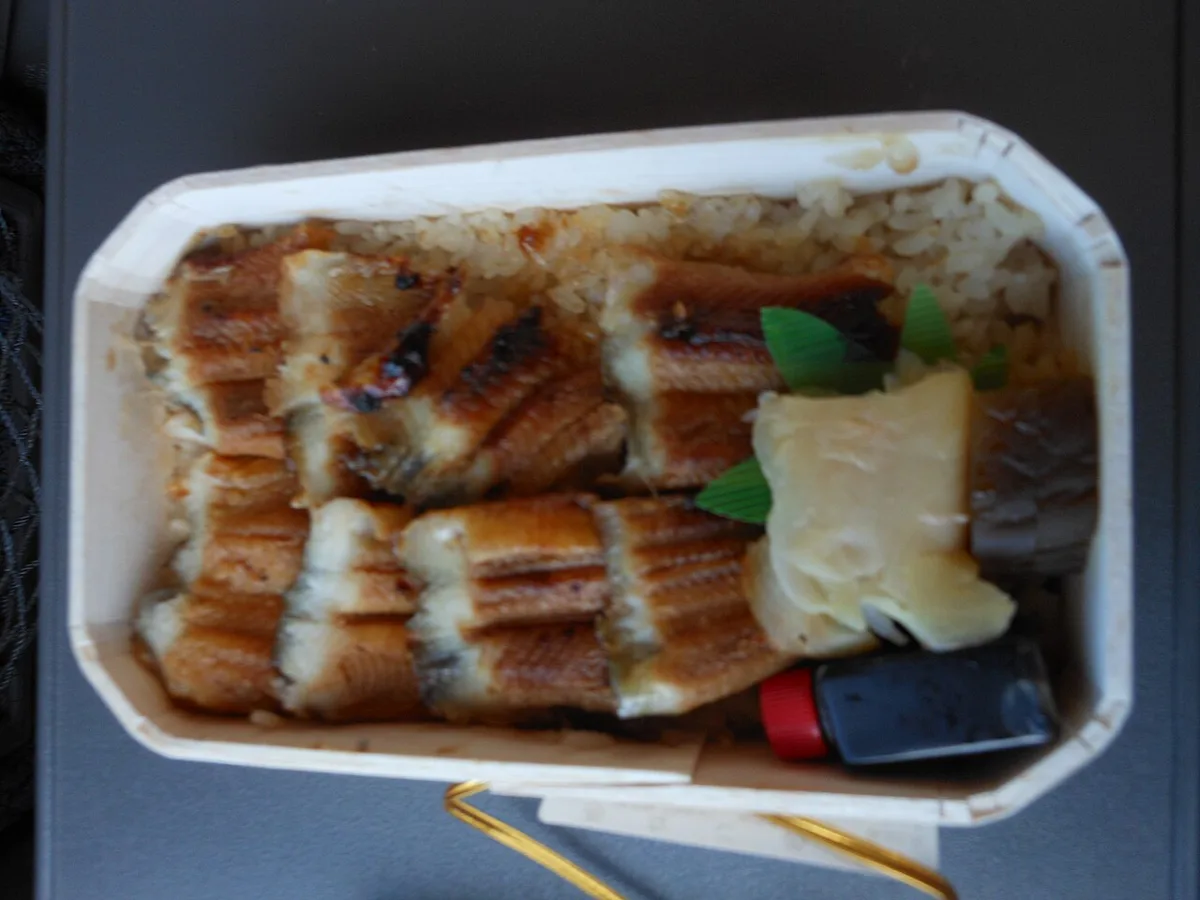
Anagomeshi Ueno traces its roots to 1897, when it began selling conger eel rice as a station bento for the newly built Miyajima Station. It sits at the Miyajima-guchi mainland ferry terminal, not on the island itself. Travelers need to decide before boarding the ferry over. Eat at Ueno first, then cross to the island, or wait and eat on Omotesando after the shrine visit. Ueno takes no reservations, so mainland diners should arrive before noon to beat the lunch line. A second conger eel rice shop, Fujitaya, operates on the island itself, though it isn't always open, so treat Ueno as the more dependable choice for this dish.
Omotesando Street Food Crawl
Omotesando shopping street runs from the ferry pier toward Itsukushima Shrine, lined with stalls and souvenir shops on both sides. The Omotesando street food guide maps every stall along that stretch. For a structured route through all seven dishes above, the one-day food crawl itinerary sequences stops so you don't backtrack. Pair the walk with a stop at the Daisho-in temple guide for a break between eating stops. Oyster curry bread, nigiri-ten, and age-momiji stalls sit interspersed among the souvenir shops rather than grouped in one section. The arcade is short enough to walk end to end and double back for a stall you skipped. Miyajima's deer roam this street and will approach for paper-wrapped snacks held in the open, so tuck food away between bites.
Coffee, Sweets, and Cafes Near the Shrine
Itsuki Coffee focuses on specialty-grade beans roasted on site, a category that makes up a small share of the world's coffee supply. Its coffee jelly au lait pairs iced coffee with jelly cubes for a two-texture drink, and it's a stop many visitors make after the shrine visit. A second Itsuki Coffee location operates at the Miyajima-guchi mainland terminal with its own menu, including coffee jelly topped with soft-serve ice cream instead of the island location's iced au lait. Coconca Anco Café serves the Ancorone pastry alongside a fresh melon smoothie, a lighter option between food stalls. The cafes with a view guide lists seating with sightlines toward the water.
Drinks Beyond Coffee: Craft Beer and Sake
Miyajima Brewery offers craft beer as an alternative to the standard lagers served at most restaurants. Standing-room space fills the first floor, while third-floor seating adds full restaurant service with water views. A flight of three pours costs ¥1,100, useful for comparing styles in one sitting. The brewery's founder has cited the San Francisco-brewed Anchor Liberty Ale as an early inspiration for going into craft brewing. For a rice-wine pairing instead of beer, a separate sake brewery tasting guide covers tasting flights near the shrine.
The 5:00 PM Shutdown: Planning Dinner as an Overnight Guest
Most Omotesando restaurants and food stalls close by 5:00 PM, well before typical dinner hours on the mainland. Day-trippers should plan meals around that window and finish eating before catching a return ferry. Overnight guests face fewer choices once shops shutter, and a ryokan dinner is the most reliable fallback for that stretch of the evening. The ryokan and hotel guide flags which properties include dinner service. A handful of independent restaurants do stay open later, and hours shift with the season, so confirm current closing times before counting on any single spot. Vending machines selling alcohol stay operational after the food stalls close, covering a drink even when nothing else is open.
Most restaurants close by 5:00 PM, creating an evening squeeze. Peak lunch (11:30 AM–1:30 PM) draws hour-long queues at top shops, leaving visitors a narrow window between crowds and closures.
Special Diets: Vegetarian, Vegan, and Halal Considerations
Miyajima's signature dishes lean heavily on seafood, which narrows options for vegetarian, vegan, and halal travelers. Momiji manju and age-momiji are typically plant-based in their classic red bean and sweet potato fillings, though shops vary on ingredients like butter or gelatin. Hiroshima beef buns solve the non-seafood problem for omnivores but don't help vegetarian or halal diners. The vegetarian, vegan, and halal guide covers current confirmed options in more depth, since ingredient lists and availability shift by season and by shop. Confirm ingredients directly with each stall, since fillings and frying oil can change without notice.
Seasonal Food Events: Oyster Festival and Momijidani Park
Miyajima's Oyster Festival runs in early February and draws crowds specifically for the harvest, with stalls set up around the event grounds. A dedicated Oyster Festival budget guide covers ticket and food costs for that weekend. Autumn brings a separate set of food stalls to Momijidani Park, timed to the foliage season. Peak foliage timing and stall details appear in the Momijidani Park guide. Both events add temporary stalls on top of the year-round Omotesando lineup, so treat them as bonus eating windows rather than replacements for the restaurants and cafes covered above.
Getting to Miyajima and Timing Meals Around the Crowds
JR trains take about 30 minutes from Hiroshima Station to Miyajima-guchi, followed by a 10-minute ferry crossing to the island. Hiroshima's streetcar network also reaches Miyajima-guchi, though the ride takes roughly twice as long as the JR line since it makes more stops through the city. Two ferry operators cross from Miyajima-guchi to the island, and the JR ferry passes closer to the offshore torii gate than the alternative. Peak lunch hours run 11:30 AM to 1:30 PM, with 45-to-60-minute waits at top-tier shops like Yakigaki no Hayashi. Eating outside that window avoids standing in line and leaves more time for sightseeing. The complete Miyajima visitor guide covers ferry options and island layout in full. Pair the food stops with the full Miyajima attractions guide for a sightseeing plan around them. Day-trippers should also check the day trip from Hiroshima guide for return-ferry timing.
Anagomeshi Ueno (the famous conger eel shop at the mainland terminal) requires a 30 minutes train ride from Hiroshima to reach. Since it takes no reservations, arriving before noon is essential, so budget an early morning departure for this must-try dish.
Budgeting a Day of Eating on Miyajima
Stacking a few of the stops above easily fills a day of grazing without needing a single sit-down reservation. The per-item and per-set prices already listed give a workable running total. A day mixing three or four of these stops runs roughly ¥2,000 to ¥3,500 per person before a sit-down oyster lunch set, which adds ¥1,200 to ¥3,000 depending on whether you order a la carte or the full set.
| Stop | Typical Spend |
|---|---|
| A few pieces of grilled oyster at Kaki Fuku Maru | ¥600-¥900 |
| Yakigaki no Hayashi a la carte set (3 oysters) | ¥1,200 |
| Anagomeshi Ueno conger eel rice | check current menu board |
| Age-momiji, one piece | ¥180 |
| Miyajima Brewery beer flight (3 pours) | ¥1,100 |
For trip-planning details, see Miyajima Tourist Association and Itsukushima - Wikipedia.
Explore food in other cities
Frequently Asked Questions
What is the most famous food to eat in Miyajima?
Grilled oysters and anago-meshi (conger eel rice) are the two dishes most associated with Miyajima, with momiji manju following close behind as the island's signature souvenir sweet.
Is the famous conger eel restaurant on Miyajima island or the mainland?
Anagomeshi Ueno sits at the Miyajima-guchi ferry terminal on the mainland, not on the island itself, so plan the crossing time on either side of that meal.
What time do restaurants close on Miyajima?
Most Omotesando restaurants and food stalls close by 5:00 PM. Overnight guests should plan on a ryokan dinner or confirm ahead which independent restaurants stay open later that season.
Are there vegetarian or non-seafood options in Miyajima?
Hiroshima beef buns cover non-seafood eaters, and momiji manju's classic fillings are typically plant-based, though ingredients vary by shop. Confirm current vegetarian, vegan, and halal options directly with each stall before ordering.
When is the Miyajima Oyster Festival?
The Miyajima Oyster Festival runs in early February each year, with food stalls set up around the event grounds specifically for the harvest.
How can you avoid long waits at Miyajima's oyster restaurants?
Peak lunch hours run 11:30 AM to 1:30 PM, when top-tier shops like Yakigaki no Hayashi see 45-to-60-minute waits. Eating just before or after that window cuts the wait significantly.
Explore Miyajima Food & Dining
From grilled conger eel to shrine-view cafes, here's how to eat your way across Itsukushima's Omotesando street and beyond.
Signature Dishes
- Miyajima attractions hub: tickets, hours & maps
- Where to Eat Grilled Conger Eel Rice in 2026
- 10 Best Miyajima Oysters Where to Eat Guide
- Miyajima Momiji Manju Maple Leaf Cake Guide
Where to Dine
- 10 Best Restaurants in Miyajima (2026)
- 9 Best Cafes in Miyajima With a View of the Floating Torii Gate
- Miyajima Omotesando Shopping Street And Street Food Travel Guide
Special Diets & Practical Planning
Free guide: Japan's Hidden Gems
12 under-the-radar places beyond Tokyo & Kyoto — with the best season to visit each and a local tip you won't find in the guidebooks.
You might also like


Continue reading
More guides you'll find useful