What to Eat in Dazaifu: 12 Must-Try Foods & Best Restaurants (2026)
What to eat in Dazaifu: 12 must-try foods along the Sando, from ¥150 umegae mochi to mentaiko French bread, Sawawa matcha, and Kengo Kuma's Starbucks.
On this page
Last updated July 2026, what to eat in Dazaifu comes down to timing along one street. The Sando runs about 400 meters from Nishitetsu Dazaifu Station to Dazaifu Tenmangu Shrine, and it holds nearly every shop in this guide. Umegae mochi, mentaiko, and Amaou strawberries anchor the walk, while sit-down lunches and modern cafes compete for the same hours before shops close by 17:00 or 18:00.
The Dazaifu Food Scene: A Quick Summary
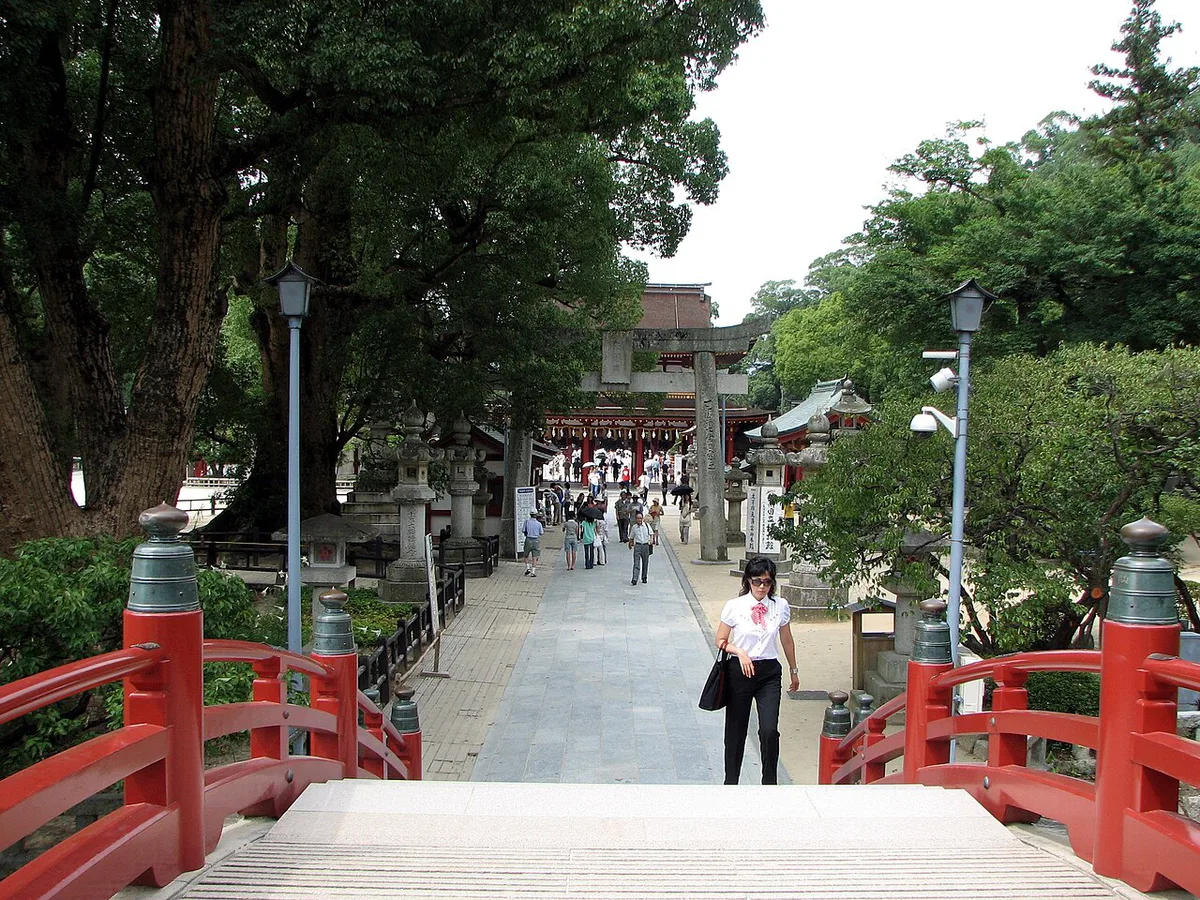
Dazaifu's food scene concentrates almost entirely on one route. Roughly 90 percent of the shops sit along the Sando connecting Nishitetsu Dazaifu Station to Dazaifu Tenmangu Shrine, the shrine dedicated to the god of learning. Three items define the local menu: umegae mochi, mentaiko, and Amaou strawberries, each turning up in a dozen different forms from mochi to bread to parfaits. For a full walk-through of the shopping street itself, see the Omotesando shopping street guide. Trains from Fukuoka take 20 to 40 minutes depending on the route; the Nishitetsu vs JR transport guide breaks down which line to pick. Beyond food, the Dazaifu attractions guide covers the shrine grounds and nearby sights worth pairing with a meal.
What to Eat in Dazaifu: 12 Must-Try Foods and Snacks
These 12 picks run from 5-minute stand-up snacks to 90-minute sit-down meals, ordered roughly from lightest to heaviest commitment.
Shops close strictly at 17:00 or 18:00, so sample snacks from different stalls early. Arriving around 11:30 AM means queues at every sit-down spot, but eating at 10:45 AM or after 2:00 PM beats the rush.
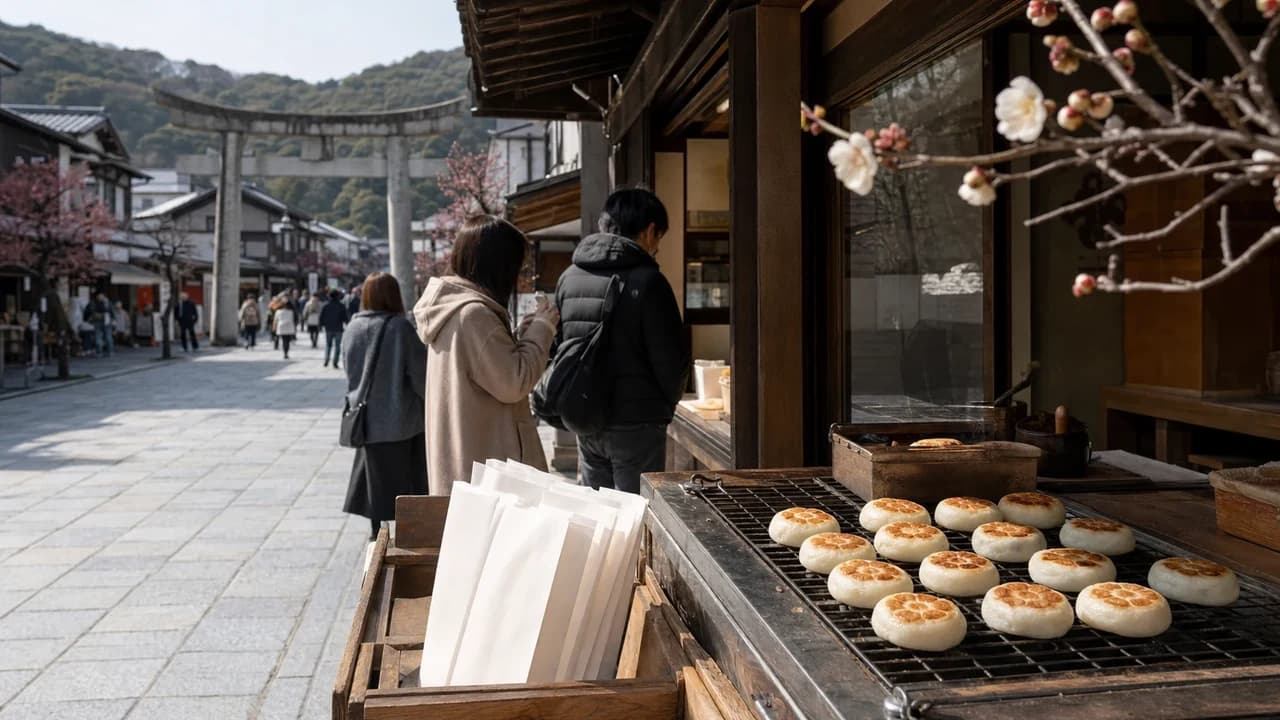
- Umegae Mochi — Kasa no Ie and Sakadoya
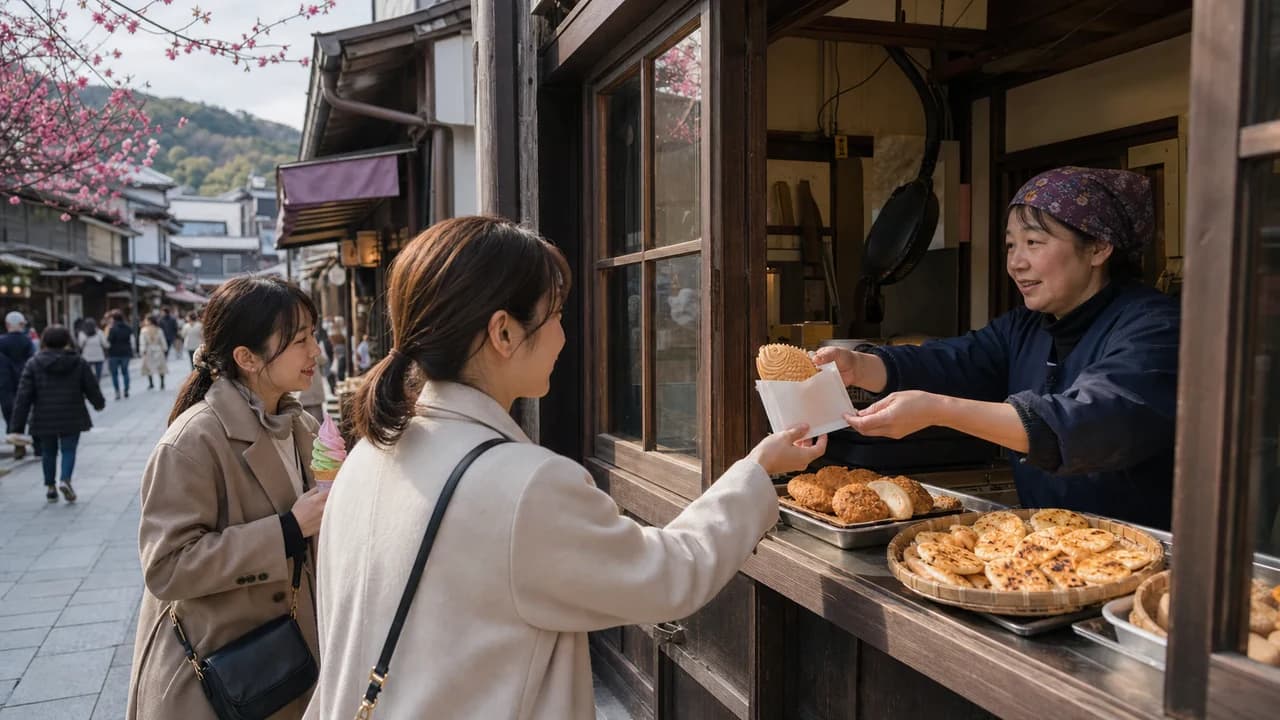
- Grilled mochi stamped with a plum blossom pattern that echoes the shrine's plum and cherry blossom season, filled with sweet azuki paste and priced around ¥150 a piece.
- Kasa no Ie is the historical heavyweight with a queue most mornings, while Sakadoya bakes a slightly crisper shell and offers garden seating instead of a stand-up counter.
- On the 25th of each month, several shops swap in a green yomogi (mugwort) version instead of the standard filling, a detail most guides miss entirely.
- Onigawara Monaka and Amaou Strawberry Skewers — Dazaifusando Tenzan
- Tenzan's onigawara monaka pairs a crisp wafer shell with azuki bean paste, and its oversized Amaou strawberry skewers and dango are the shop's most-photographed items.
- Amaou strawberry desserts run seasonally from December through April, with Shine Muscat grape versions taking over through the summer months.
- The main store sits about 2 minutes' walk from Dazaifu Station, with a stand-up counter built for eating on the move.
- Mentaiko French Bread — Yamaya Base Dazaifu
- This bakery near Nishitetsu Dazaifu Station reheats French bread stuffed with spicy cod roe butter to order, selling well over 1,000 loaves on a busy day.
- Loaves come pre-sliced for sharing, a savory counterpoint to the sweets that dominate the rest of the Dazaifu Street Food Guide: What to Eat Along Omotesando (2026).
- Frozen loaves are sold next door at Hakata-no-Aji Yamaya if you want to bring one home instead of eating on the spot.
- Mentaiko-Rolled Skewers — Hirosho
- Hirosho grills mentaiko into a rolled omelet skewer, a collaboration with egg-sandwich shop Rojiya, for about ¥400.
- Each grain of roe stays distinct against the sweetened egg, and the skewer format makes it one of the easier snacks to eat while walking.
- It's about a 2-minute walk from Dazaifu Station, so it works well as a first stop before the crowds build.
- Freshly Grilled Senbei — Terakoya Honpo
- Terakoya Honpo grills rice crackers to order along the Sando, a savory, low-commitment stop between the sweeter shops.
- It's a stand-and-eat option rather than a meal, best paired with a mochi stop earlier or later in the walk.
- Mentaiko Chazuke — Fukuya
- Fukuya's eat-in corner serves mentaiko ochazuke, rice topped with cod roe and green tea broth poured tableside, for around ¥500.
- It's one of the few sit-down spots directly on the Sando, profiled in the best restaurants in Dazaifu guide, so budget 15-20 minutes rather than eating standing up.
- The shop also sells mentaiko as a souvenir, so it doubles as a stop for gifts after lunch.
- Pentagon-Shaped Ramen — Ichiran Dazaifu Sando
- This Ichiran branch serves ramen in bowls shaped like a pentagon, a nod to Tenmangu's reputation for academic success.
- Expect shorter waits than Ichiran's central Fukuoka branches, though the individual booth format still means solo dining rather than a shared table.
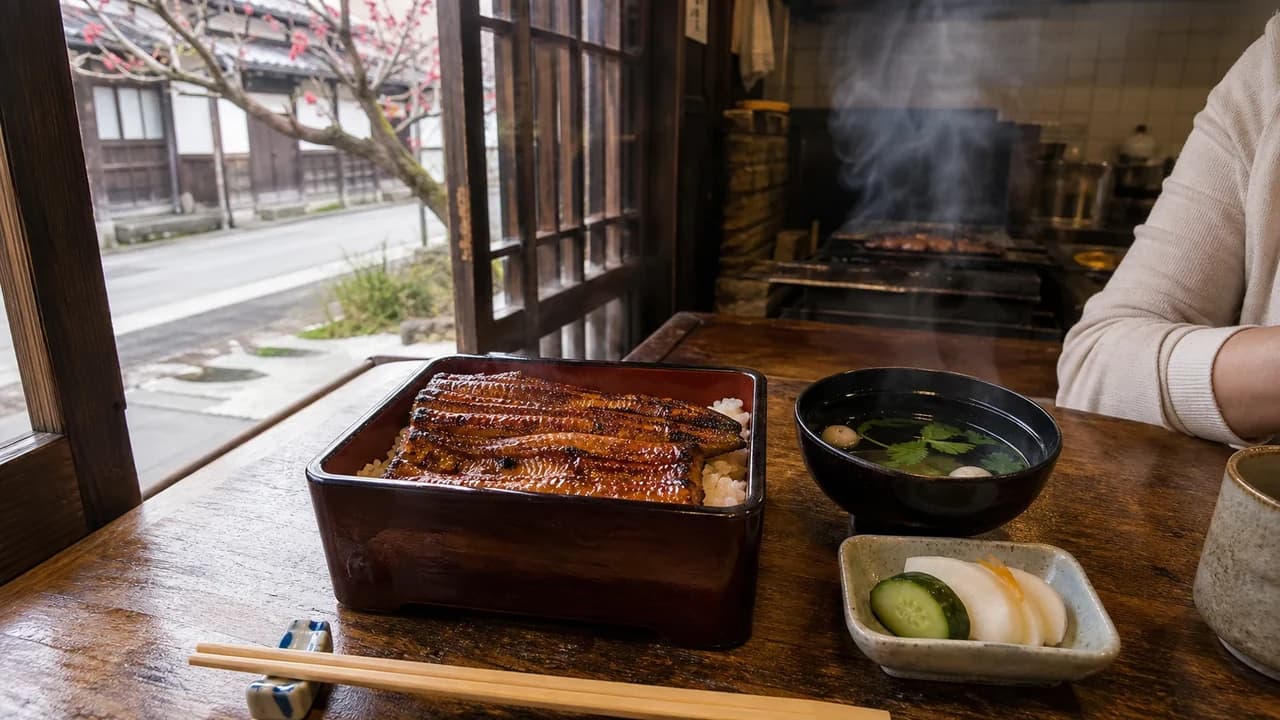
- Unagi (Grilled Eel) Set Meals
- Dazaifu sits close to Yanagawa, a town known for eel, and several local specialists serve grilled unagi set meals as a premium sit-down lunch.
- Check the Dazaifu unagi and eel restaurants guide for current picks.
- The Dazaifu and Yanagawa day trip itinerary pairs both towns in one day if eel is the priority, since a full unagi set can take 60-90 minutes grilled to order.
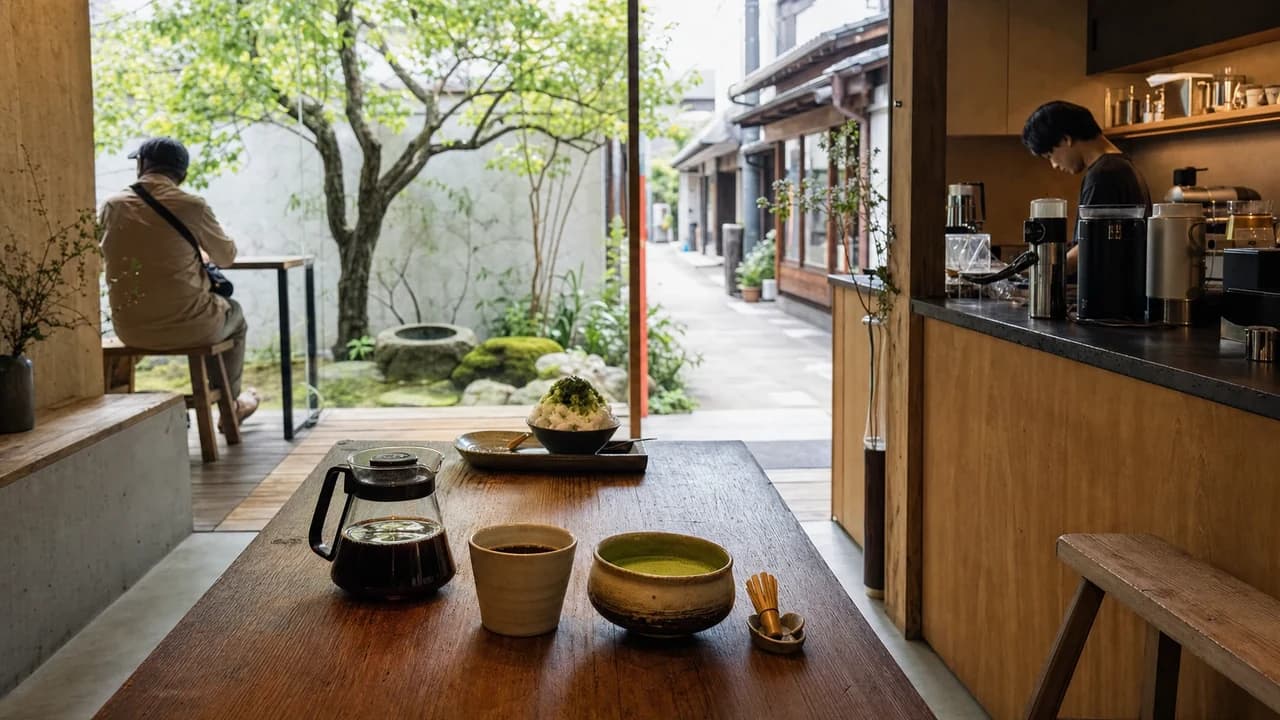
- Matcha Gelato and Warabimochi — Sawawa
- Sawawa sits immediately left as you exit Dazaifu Station, one of the stops in the best cafes in Dazaifu guide.
- Its matcha gelato runs about ¥648, topped with matcha warabimochi for around ¥389 more.
- Portions are limited daily, so a mid-morning visit beats a late-afternoon stop if the topped version matters.
- Seasonal Fruit Parfaits — Coba Cafe
- Coba Cafe's seasonal parfaits, including a fig and Earl Grey mont blanc version, fill every seat within 5-10 minutes of the 11:00 AM opening.
- It sits along the walking route toward the Kyushu National Museum, so pairing a parfait with the museum works better than treating either as a rushed stop.
- Menus rotate seasonally, so check current offerings before making a special trip for one flavor.
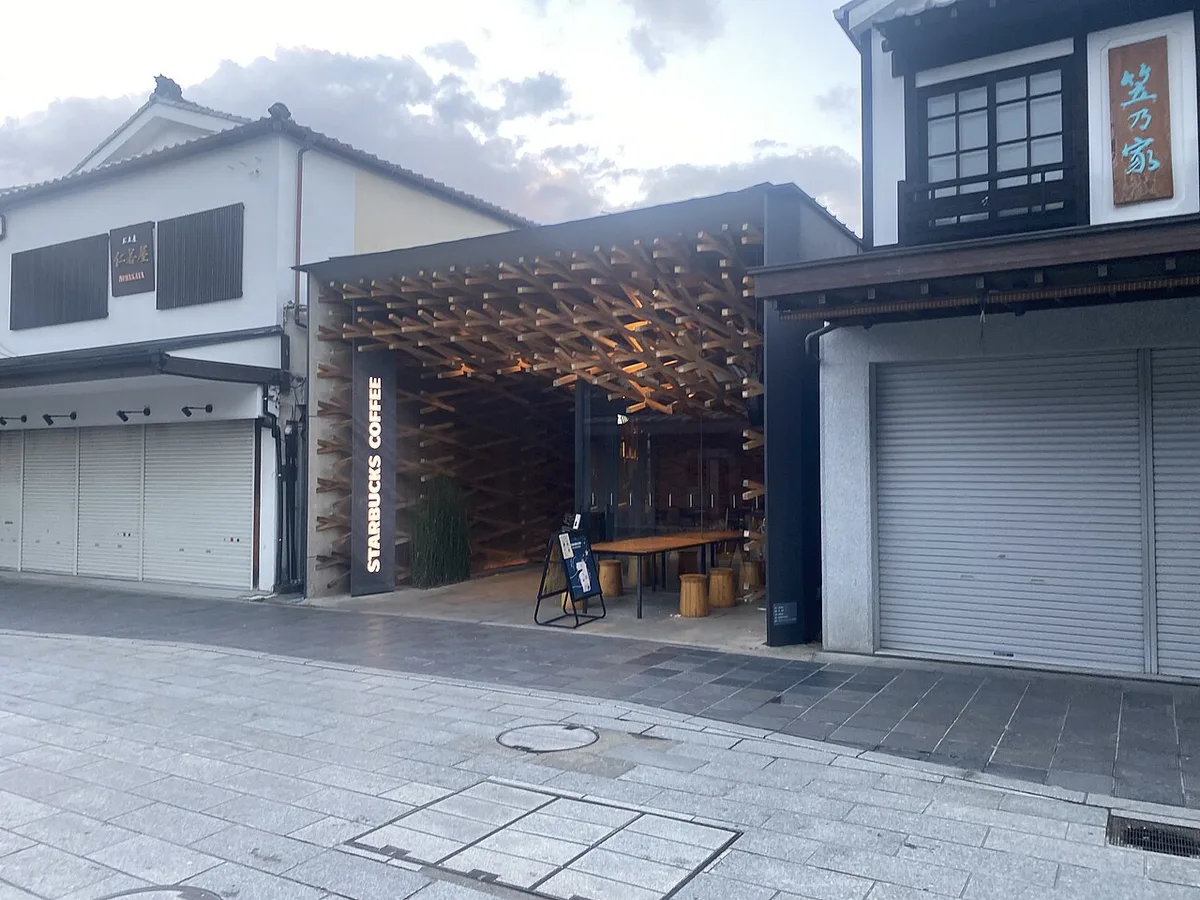
- Kengo Kuma-Designed Starbucks Coffee — Starbucks Omotesando
- This branch is known for architect Kengo Kuma's interlocking wood-lattice structure as much as its coffee menu.
- Crowds build around midday, so an early-morning or late-afternoon visit cuts the wait for photos inside.
- The Starbucks Omotesando design guide covers the architecture in more depth if that's the main draw.
- Craft Beer — Dazaifu Brewery
- Dazaifu Brewery, the town's first, launched through crowdfunding and reached its funding goal within a single week.
- Visitors can watch the brewing floor through glass and pair a glass of house beer with mentaiko French bread carried over from nearby Yamaya Base.
Sit-Down Meals vs Quick Bites: Choosing by Time Commitment
Guides often mix a 5-minute skewer with a 90-minute set meal in the same list, which makes planning harder than it needs to be. Sorting by time commitment instead makes the stomach math simpler for a single day trip. Stand-up snacks are also where the no-walking etiquette matters most. Eat in front of the shop you bought from rather than strolling through the shrine grounds with food in hand.
Quick stand-up snacks run ¥150-700 and take 5-10 minutes, while full meals with table seating cost ¥1,200-3,000 per person but take 45-90 minutes. Budget ten times more money for the extended experience and proper seating.
| Time Commitment | Examples | Seating |
|---|---|---|
| 5-10 minutes (stand-up) | Umegae mochi, mentaiko skewers, senbei | Counter or stand |
| 15-30 minutes (quick sit-down) | Mentaiko chazuke, matcha gelato, parfaits | Counter or small tables |
| 45-90 minutes (full sit-down) | Pentagon ramen, unagi set meals | Table seating, possible wait |
Practical Logistics for Foodies
Budgeting for a full day gets simple once the price bands and hours are clear.
- Budget
- Stand-up snacks run ¥150-700.
- Sit-down lunches cost ¥1,200-3,000 per person.
- Hours
- Most Sando shops close strictly at 17:00 or 18:00, so plan the last stop before mid-afternoon.
- Getting there
- Trains from Fukuoka take 20-40 minutes depending on the line and station.
- Dietary restrictions
- Check the Dazaifu vegetarian and vegan restaurants guide before arriving, since most Sando stalls center on mentaiko and pork buns.
Mistakes to Avoid Along the Sando
The Sando's obvious shops aren't the only good ones. Kogoi Sabo, known for fresh pudding ice cream, sits one block off the main street and rarely draws the queues that the frontage shops do. A quieter detour works too: Komyozenji Temple's moss garden sits a short walk from the crowds. The Kanzeonji Temple and Tofuro Ruins offer another quiet stop nearby. For more ideas past the shrine itself, see the Dazaifu beyond the shrine guide. Timing the lunch rush matters more than picking the right restaurant. Arriving around 11:30 AM means peak lines at every sit-down option. Eating early, around 10:45 AM, or late, around 2:00 PM, avoids the worst of it. Building food stops into a wider plan works best. The Dazaifu day trip itinerary guide lays out a full route from Fukuoka.
For trip-planning details, see Dazaifu, Fukuoka - Wikipedia and Dazaifu Travel Guide - Wikivoyage.
Explore food in other cities
Frequently Asked Questions
What is the signature food to eat in Dazaifu?
Umegae mochi is the signature food to eat in Dazaifu. It's a grilled rice cake filled with sweet azuki paste and stamped with a plum blossom, sold along the Sando for around ¥150 a piece.
Is Kasa no Ie or Sakadoya better for umegae mochi?
Kasa no Ie is the older, more famous shop and usually has the longer queue. Sakadoya bakes a slightly crisper shell and offers garden seating, better suited to travelers who want to sit rather than stand.
How much does street food cost in Dazaifu?
Most stand-up snacks along the Sando run ¥150-700. Sit-down lunches, like mentaiko chazuke or a ramen bowl, typically cost ¥1,200-3,000 per person.
How long does it take to eat your way through Dazaifu?
A focused food walk along the Sando takes about 1-2 hours on top of a shrine visit. A full day trip, including a sit-down lunch and a museum stop, fits comfortably into 4-6 hours from Fukuoka.
What time do Dazaifu's food shops close?
Sando shops close strictly at 17:00 or 18:00. Plan an earlier finish rather than risk a shuttered counter near closing time.
Is the Starbucks in Dazaifu worth visiting for the coffee or the building?
Most visitors go for architect Kengo Kuma's interlocking wood-lattice design rather than anything unique on the drink menu. Midday brings the longest waits, so an early or late-afternoon visit is easier for photos.
Explore More of Dazaifu
Pair your meal planning with the rest of a Dazaifu visit — from the shrine and temples to transport and seasonal timing.
Sit-Down Dining
- Dazaifu attractions hub: tickets, hours & maps
- 8 Best Restaurants in Dazaifu for a 2026 Day Trip
- 6 Best Places to Eat Unagi in Dazaifu
- Vegetarian and Vegan Food in Dazaifu
Cafes, Sweets & Street Snacks
- 8 Best Cafes in Dazaifu
- Dazaifu Street Food Guide: What to Eat Along Omotesando (2026)
- Dazaifu Shopping Street
- 5 Essential Facts About Starbucks Dazaifu
Shrine, Temples & Museum
- Dazaifu Tenmangu Shrine
- 9 Best Things to Do in Dazaifu
- 8 Best Things To Do In Dazaifu
- Zen Garden Guide & Visiting Tips
- Kanzeonji Temple Dazaifu Travel Guide
- 8 Things to Know Before Visiting Kyushu National Museum Dazaifu
Planning & Timing
Free guide: Japan's Hidden Gems
12 under-the-radar places beyond Tokyo & Kyoto — with the best season to visit each and a local tip you won't find in the guidebooks.
You might also like
Continue reading
More guides you'll find useful