

10 Best Kagoshima Foods and Culinary Experiences (2026)
Discover the unique flavors of Kagoshima, from world-famous Kurobuta black pork to volcanic sweet potato shochu and sweet soy sauce. Plan your 2026 food trip.
On this page
Kagoshima food tastes different because the city cooks from a different landscape. Sakurajima's volcanic ash made rice harder to grow in parts of the region, pushed sweet potatoes into daily life, and helped shape the local taste for shochu, giant radish, sweet soy sauce, pork, fish cakes, and bright seasonal produce. The official Japan travel guide covers the prefecture's signature foods in detail.
Kagoshima ramen is served with a side of pickled daikon — it arrives automatically and is not an extra order. The clear pork-and-chicken broth is lighter than Fukuoka tonkotsu, making it an ideal first meal after arriving at Kagoshima-Chuo Station.
This 2026 guide focuses on what to eat in Kagoshima, where each dish fits into the local culture, and how to order it without wasting meals on generic tourist sets. Use it alongside the main top Kagoshima attractions list when planning a food-heavy stay around Tenmonkan, Kagoshima-Chuo Station, and Sakurajima.
Kagoshima Ramen: The Unique Pork and Chicken Broth
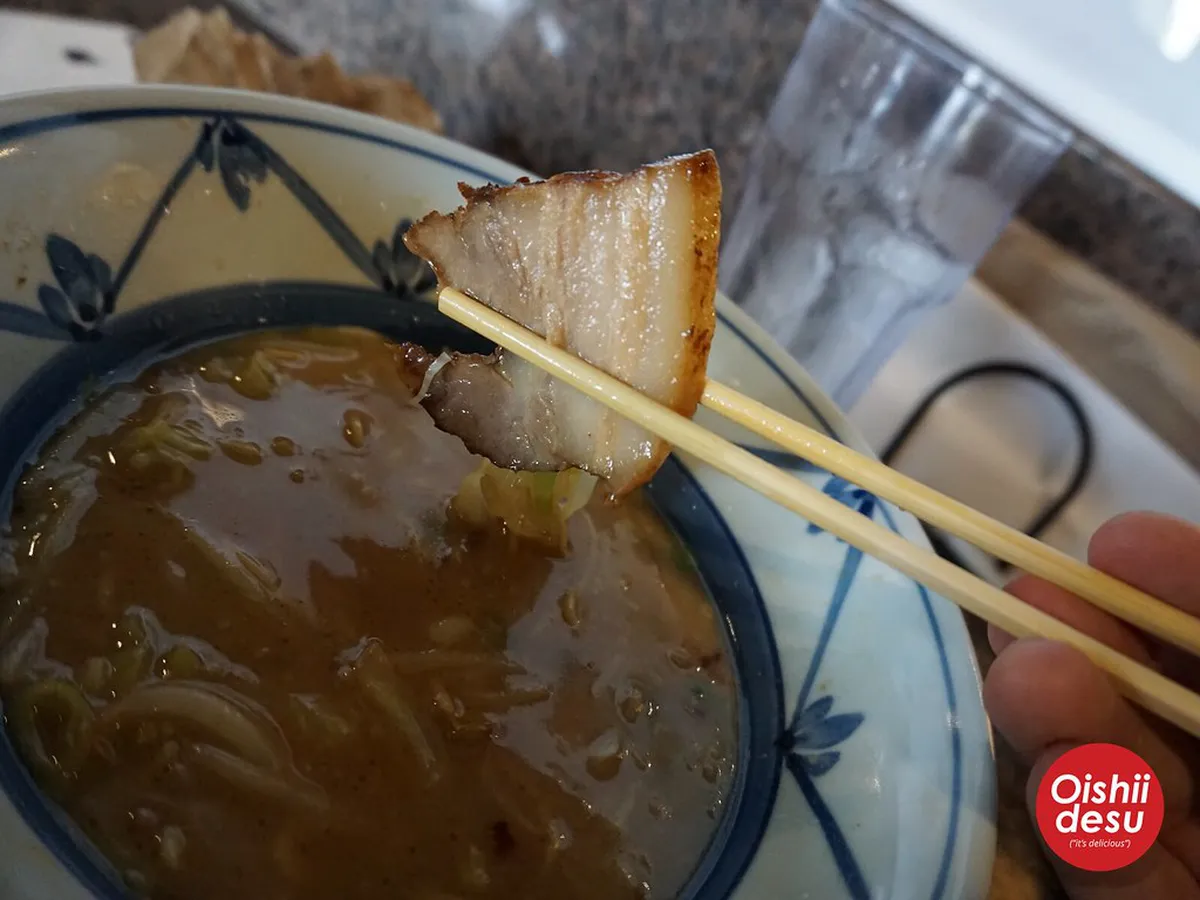
Kagoshima ramen is the best first meal after arriving at Kagoshima-Chuo Station because it is familiar but clearly local. The broth usually blends pork bone with chicken, vegetables, kelp, and sometimes katsuobushi, so it lands lighter than Fukuoka tonkotsu while still carrying a round, savory finish.
The local tell is the side dish: pickled daikon often arrives before or with the bowl. Noodles vary by shop, from thicker Okinawa-influenced strands to slimmer styles, and toppings may include bean sprouts, mushrooms, pork slices, fried onion, or green onion.
- Where to try it: ramen shops around Tenmonkan and Kagoshima-Chuo are convenient for lunch between 11:00 and 14:00.
- Budget: a standard bowl is usually around 900-1,300 yen, roughly EUR5-8.
- Ordering tip: if you are comparing Kyushu ramen styles, choose a plain house bowl first so the chicken and vegetable stock is easier to notice.
Kurobuta: Savoring the Famous Kagoshima Black Pork
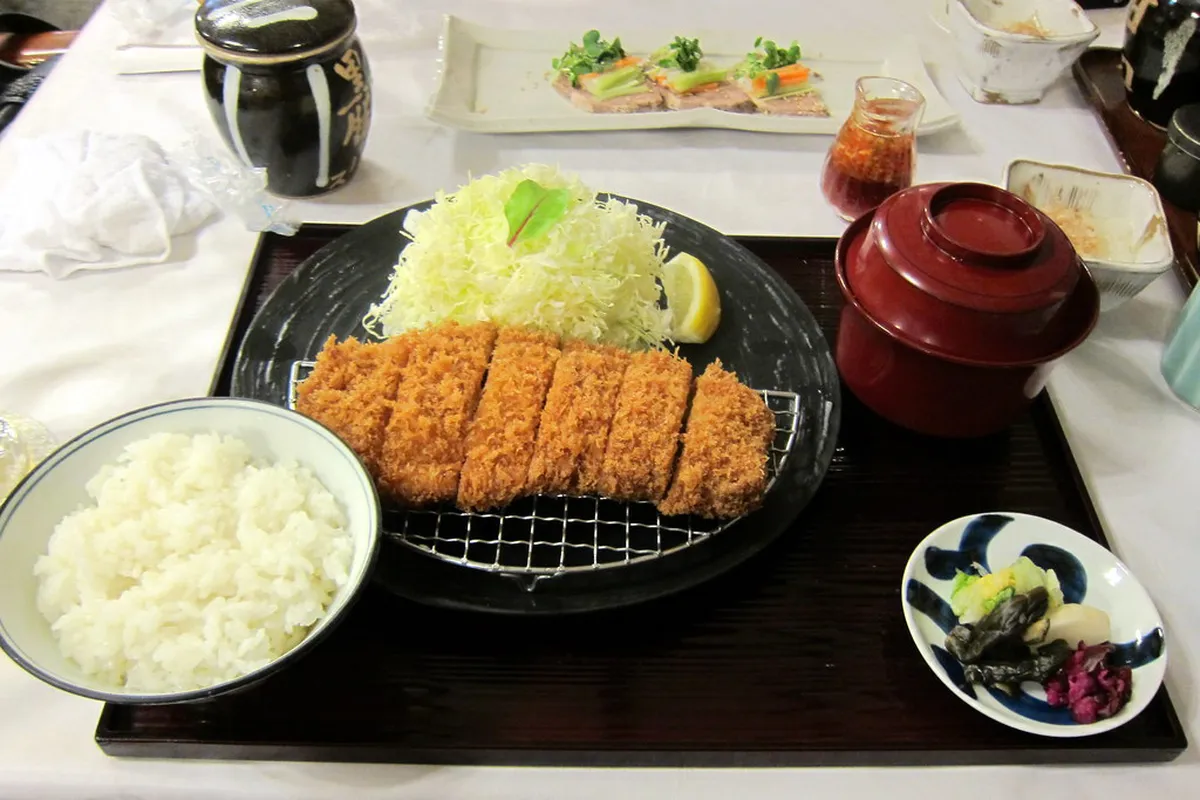
Kurobuta, or Kagoshima black pork, is the region's signature meat. The breed traces its local story to Berkshire pigs, and the best cuts are prized for fine marbling, clean sweetness, and fat that melts without tasting heavy.
Shabu-shabu is the most useful way to judge quality because the thin slices cook quickly in broth and do not hide behind sauce. Tonkatsu is the richer option: a crisp cutlet that shows how sweet the pork can be when the fat renders into the crust.
- Where to try it: reserve dinner in Tenmonkan, or use lunch sets near Kagoshima-Chuo for better value.
- Budget: tonkatsu lunches often start around 1,800 yen, while shabu-shabu courses commonly run 4,000-8,000 yen, roughly EUR23-46.
- Ordering tip: if a menu also lists kuroushi beef or black Satsuma chicken, keep the pork as the main order and share the others as sides.
Satsuma-age: The Original Fried Fish Cakes
Satsuma-age is a fried fish cake made from seasoned surimi, and it is one of the easiest Kagoshima foods to snack on without a reservation. The outside should be lightly browned and springy, while the center stays tender rather than rubbery.
Fillings change by shop and season. Lotus root, carrot, burdock, squid, shrimp, and sweet potato are common additions, and some makers season the paste with sake or shochu for gloss and aroma.
- Where to try it: buy pieces fresh from market counters or specialty shops before 18:00.
- Budget: individual pieces are often 150-400 yen, roughly EUR1-3.
- Ordering tip: skip cold airport packs if you can eat fresh versions in the city, especially ones fried in view of the counter.
Only order torisashi (raw chicken) at busy specialist restaurants with clear refrigeration and fast turnover. Avoid it from quiet, general-purpose counters late at night, and skip it if you are pregnant or immunocompromised.
Torisashi: The Local Tradition of Chicken Sashimi
Torisashi is raw or lightly seared chicken served in thin slices, usually with grated ginger, garlic, and sweet Kagoshima soy sauce. It is normal in Kagoshima izakaya culture, but it can surprise visitors because raw chicken is rarely treated as an everyday food elsewhere.
For 2026, the practical safety rule is simple: only order torisashi at busy specialist restaurants or izakayas with fast turnover, clear refrigeration, and staff who treat it as a house specialty. Avoid it from quiet, general-purpose counters late at night, and skip it if you are pregnant, immunocompromised, or uncomfortable with raw poultry risk.
- Where to try it: dinner izakayas in Tenmonkan are the most natural setting, especially before a Kagoshima nightlife crawl.
- Budget: a plate is usually 900-1,800 yen, roughly EUR5-10.
- Ordering tip: eat it early in the meal while the slices are cold, and use the provided ginger rather than drowning it in soy sauce.
Satsuma Shochu: Spirits Born from Volcanic Soil
Satsuma shochu explains the agricultural logic of Kagoshima better than any single dish. Sakurajima's ash-rich soil was difficult for rice cultivation, so sweet potatoes became central, and that shift helped make imo shochu the region's defining drink.
The aroma can be earthy, floral, nutty, or smoky depending on the potato, koji, distillery, and aging. Locals often drink it oyuwari, mixed with hot water, because warmth opens the sweet potato fragrance better than ice does.
- Where to try it: shochu bars, izakayas, distillery tastings, and guided spirits walks in Tenmonkan.
- Budget: single glasses often cost 500-900 yen, and tasting flights are commonly 1,500-3,000 yen, roughly EUR9-17.
- Ordering tip: book a Reservation for Bar Hopping if you want a guided route through local labels without guessing from a long bottle list.
Keihan: The Tropical Comfort of Amami Chicken Rice
Keihan comes from Amami Oshima, the subtropical island chain within Kagoshima Prefecture, and it eats like a lighter cousin of chicken soup. A bowl of rice is topped with shredded chicken, thin egg strips, shiitake, pickles, seaweed, citrus peel, and sometimes papaya before hot chicken broth is poured over everything.
The dish is gentle but not bland. The broth carries the rice, the pickles sharpen it, and the citrus aroma makes it feel suited to Kagoshima's warmer climate.
- Where to try it: Amami restaurants in Kagoshima City or airport dining areas when the timing works.
- Budget: expect around 1,200-2,000 yen, roughly EUR7-12, for a full bowl or set.
- Ordering tip: pour the broth gradually if it arrives separately, so the rice stays textured instead of turning soft too quickly.
Kibinago: Delicate Silver-stripe Round Herring
Kibinago are small silver fish from the waters around Kagoshima, often arranged raw in a fan or chrysanthemum pattern. Their flavor is clean and lightly sweet, which is why restaurants commonly serve them with vinegared miso rather than heavy soy sauce.
You may also see kibinago grilled, salted, or fried as tempura. The sashimi version is the most distinctive order, but fried kibinago is easier for cautious seafood eaters and pairs well with shochu.
- Where to try it: seafood restaurants near the port, Tenmonkan izakayas, and morning market counters.
- Budget: sashimi plates often cost 1,000-2,500 yen, roughly EUR6-15.
- Ordering tip: ask what came in that day, because the best plate is more about freshness than restaurant prestige.
Karukan: Kagoshima's Traditional Steamed Yam Cake
Karukan is a pale steamed cake made with grated yam, rice flour, and sugar. The texture is soft, airy, and slightly elastic, which makes it very different from butter-heavy Western cakes or dense wagashi.
Many versions are filled with red bean paste, while plain karukan lets the yam aroma come through more clearly. It is a good souvenir because it travels better than fried snacks and pairs naturally with green tea.
- Where to try it: long-running confectionery shops in central Kagoshima and department-store food halls.
- Budget: individual cakes often cost 200-350 yen, roughly EUR1-2.
- Ordering tip: buy a small mixed box if you are unsure about red bean filling, then compare plain and filled styles.
Kagoshima-joyu: Understanding the Region's Sweet Soy Sauce
Kagoshima-joyu is sweeter and thicker than standard soy sauce, and it changes how sashimi, torisashi, and grilled foods taste. The sweetness reflects southern Kyushu's sugar history and local preference for rounder seasoning.
On some tables you may see two bottles. Amakuchi means sweet and is the Kagoshima-style choice; karakuchi means dry or sharper and tastes closer to the soy sauce many visitors know from Kanto or Kansai.
| Soy sauce | Flavor | Best pairing |
|---|---|---|
| Amakuchi | Sweet, thick, mellow | Torisashi, white fish sashimi, grilled pork |
| Karakuchi | Drier, saltier, sharper | Ramen seasoning, fried foods, visitors who prefer standard soy |
If you buy a bottle, check labels before paying. Amakuchi is the word to look for if you want the local flavor at home, while very cheap souvenir bottles can taste more like sugar syrup than balanced soy sauce.
Shirokuma: Kagoshima's Shaved Ice
Shirokuma — "polar bear" — is Kagoshima's contribution to the national shaved-ice canon, and it is a substantially different thing from the syrup-over-ice sold elsewhere. The ice is drenched in sweetened condensed milk and loaded with fruit and sweet beans, traditionally arranged so the toppings read as a bear's face. It eats less like a dessert course and more like a meal replacement.
Tenmonkan Mujaki is the classic address for it, and a full-size bowl is genuinely large — treat it as the afternoon stop rather than something to order after dinner. In summer it works best straight after the hottest walking window of the day; if the seating queue is long, a takeaway portion solves the problem. In winter the local sweet tooth shifts to roasted satsuma-imo and karukan with tea instead.
Along with kurobuta pork, shirokuma is the item most first-time visitors should make sure they order — between them they cover the savoury and sweet halves of Kagoshima's food identity, and both are easy to find at a good standard around Tenmonkan.
Sakurajima Daikon and Mikan
Sakurajima gives Kagoshima produce its most striking contrast: enormous daikon and tiny mandarins, both grown in volcanic soil. Sakurajima daikon can exceed 30 kilograms, yet the flesh is softer and sweeter than the size suggests — look for it in winter as simmered daikon, pickles, thick steak-style slices, or side dishes at restaurants that lead with local produce.
Sakurajima mikan run the other way: small, easily peeled, and concentrated in sweetness. They appear from late autumn into winter as fresh fruit and as jelly, candy, juice and even craft-beer flavouring. Roadside shops and produce stands near the Sakurajima ferry terminal are the obvious place to find both, subject to harvest timing.
The practical detail most food lists skip is carrying it. Fresh produce is awkward to haul around all day, particularly if ash is falling and you are switching between ferry, tram and bus — buy fragile mikan or boxed daikon products at the end of the Sakurajima leg rather than the start.
Sweet Potato Sweets and Food Souvenirs
Kagoshima grows a major share of Japan's sweet potatoes, so the sweets here are not an afterthought. Sweet potato cakes, ice cream, cookies and seasonal roasted satsuma-imo all work as snacks or gifts, and Festivalo-style sweet potato cakes are the convenient option at Kagoshima-Chuo Station when you are short on time.
The souvenir strategy that actually survives the journey home is to separate fragile from shelf-stable. Fresh mikan, chilled sweets and some fish cakes are same-day eating; boxed karukan, sweet potato cakes and sealed shochu travel. If you only have one food-shopping window, Kagoshima-Chuo Station between mid-morning and early evening is the reliable one, before the better gift boxes sell down.
Best Kagoshima Food Tours and Market Experiences
Kagoshima is often called the Naples of the East because of its bay, active volcano, warm climate, and produce-driven food culture. That comparison is most useful when you visit markets, small counters, and shochu bars rather than only booking famous-name restaurants. The official gourmet tourism guide highlights seasonal specialties and dining experiences.
Morning seafood tours are best for kibinago, katsuo-related products, and seasonal vegetables. Winter is the strongest period for Sakurajima daikon, while tiny Sakurajima mikan are a better citrus target in the cooler months from late autumn into winter.
- Where to focus: Tenmonkan for night eating, Kagoshima-Chuo for convenient lunch sets, port-side areas for seafood, and Sakurajima stops during a Sakurajima volcano tour.
- Budget: guided food walks usually cost far more than independent eating, but they help with small bars, ordering, and shochu selection.
- Transport tip: if dinner is close to departure, check the Tenmonkan to Kagoshima airport bus timing before ordering another round.
Explore Kagoshima Food and Dining
Use these guides to compare local dishes, dining areas and practical food experiences in Kagoshima.
Explore food in other cities
Frequently Asked Questions
Is it safe to eat Torisashi (chicken sashimi) in Kagoshima?
Yes, it is considered safe because Kagoshima has strict provincial regulations for preparing raw chicken. The meat is sourced from specific farms and processed quickly to prevent bacterial growth. Always choose reputable, high-turnover restaurants for the best experience.
Why is Kagoshima soy sauce so much sweeter than elsewhere?
The sweetness stems from historical trade with Southeast Asia and the local production of brown sugar. This flavor profile was developed to complement the salty, volcanic soil-grown vegetables. It has since become a defining characteristic of southern Kyushu cuisine.
What makes Kagoshima ramen different from Fukuoka style?
Kagoshima ramen uses a blend of pork, chicken, and vegetable stock for a lighter finish. Unlike the milky, heavy tonkotsu of Fukuoka, this broth is clearer and often topped with fried onions. It is almost always served with a side of pickled radish.
Kagoshima's best meals make more sense when you connect the plate to the place: volcanic soil, sweet potatoes, coastal fish, Satsuma history, and the warm-climate produce that gives the city its Naples comparison. Start with ramen, kurobuta, satsuma-age, and shochu, then add torisashi, kibinago, keihan, karukan, and sweet soy sauce as your confidence grows.
For a short 2026 trip, build one daytime market meal, one kurobuta lunch or dinner, and one Tenmonkan izakaya night into the itinerary. That structure gives you the broadest taste of Kagoshima without turning every meal into a reservation problem.
Free: The Kagoshima Essentials guide
Top things to do, where to stay, a perfect day plan, getting around, and the best time to go — a Kagoshima mini-guide you can take offline.
You might also like


Continue reading
More guides you'll find useful


