
What to Eat in Hakone: 12 Must-Try Foods and Where to Find Them
Find out what to eat in Hakone: 12 must-try foods, from black eggs to kaiseki dinners, with 2026 prices and where to eat each one.
On this page
Last updated July 2026, this guide covers what to eat in Hakone, from black eggs at Owakudani to kaiseki dinners at ryokans. Hakone's volcanic geology and mineral-rich mountain water shape a menu built around soba noodles, tofu katsu, and steamed onsen buns. Match each dish to a stop on the Hakone Loop route so you're not backtracking across the valley for a single meal.
Why Hakone's Food Tastes Different
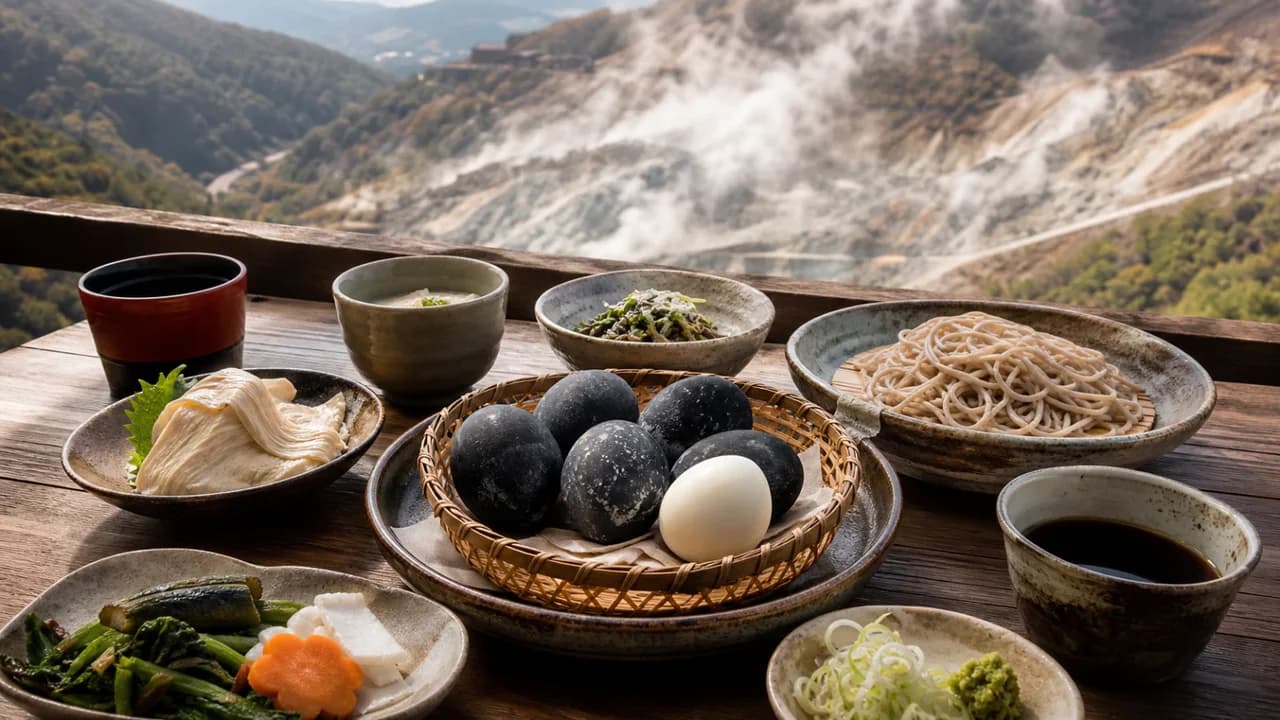
Hakone sits in a volcanically active valley, and that geology shows up on the plate. Sulfurous steam from Owakudani cooks the black eggs and gives them their color and smell. That same geothermal heat steams the onsen manju buns sold across the area. Mountain spring water feeds the local soba houses, and it's credited with a firmer noodle texture than soba made with ordinary tap water. Fuji-Hakone-Izu National Park's wider setting keeps ingredients hyper-local, since many restaurants sit minutes from the mountains and lake that supply them.
12 Must-Try Foods to Eat in Hakone
The three dishes most associated with the area are Kuro Tamago, Tofu Katsu Nibitashi, and Hakone Soba. Beyond that trio, volcanic heat and mountain water flavor everything from curry to craft beer. Each entry below is ordered roughly west to east along the loop, from Hakone-Yumoto to Lake Ashi.
- Kuro Tamago (Black Eggs)
- Eggs boiled in Owakudani's sulfurous hot springs turn black from the mineral-rich water and steam.
- Stalls near the ropeway station commonly sell them in packs of five for around ¥500; confirm current pricing on site.
- Local lore claims eating one adds seven years to your life. See the black eggs guide for exactly where to buy them.
- Tofu Katsu Nibitashi
- Tamura Ginkatsutei in Gora, founded in 1973, serves a deep-fried tofu cutlet simmered in a savory-sweet broth.
- Expect a queue; check a current wait-time app before committing an afternoon to it.
- Eat this if you have a full day or an overnight stay in Hakone; skip it if your schedule is tight.
- Hakone Soba
- Local mountain spring water is credited with giving hand-cut Hakone soba a firmer bite than noodles made elsewhere.
- Order it cold with a dipping sauce in warmer months, or in a hot broth once temperatures drop.
- Check the Hakone soba guide for the best-known noodle counters near Hatajuku.
- Onsen Manju
- These steamed buns are cooked using geothermal heat and filled with red or white sweet bean paste.
- Yumoto shops sell them fresh and warm; other areas mostly stock pre-packaged versions meant as souvenirs.
- Buy a small box to share after a soak in one of the area's ryokan baths.
- Yuba-Don (Tofu Skin Rice Bowl)
- Yuba, the skin that forms on simmering soymilk, tops a rice bowl at Naokichi in Yumoto.
- It's a lighter option between the area's fried dishes and a solid pick for vegetarian travelers.
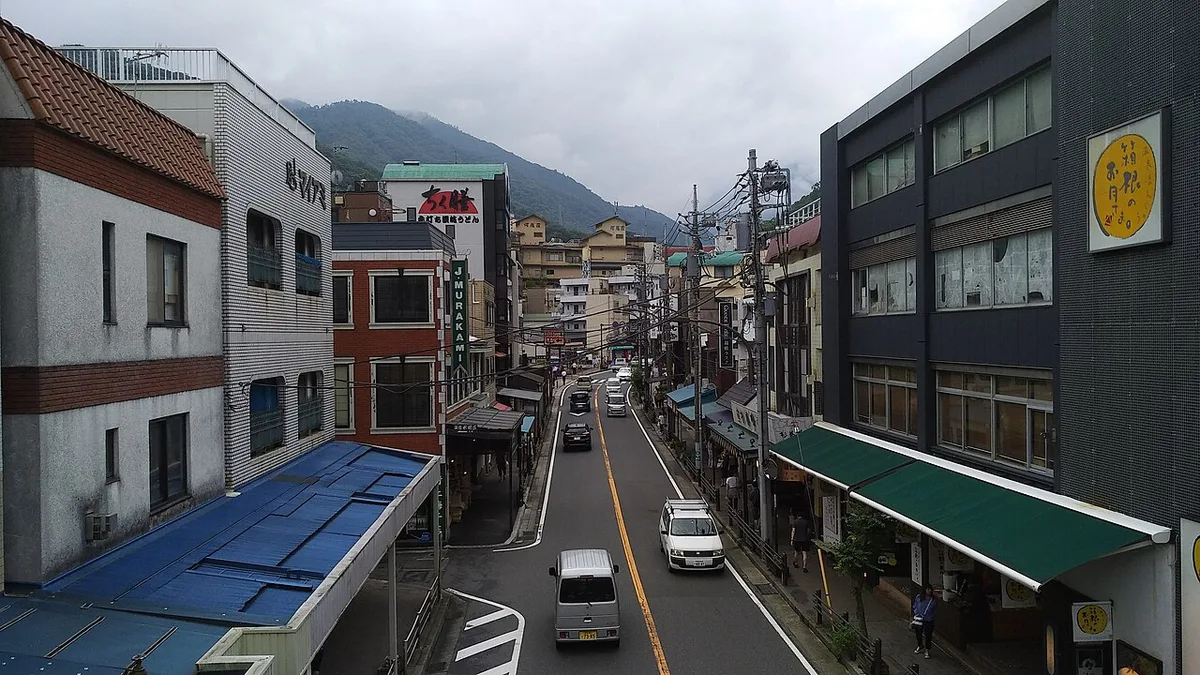
- Find it inside the Yumoto food street, a short walk from the station.
- Karaage Street Food
- HAKONE karaage KARATTO sells Japanese fried chicken as a walk-up snack in Yumoto.
- Carry cash; small stalls in this stretch often don't accept cards.
- Eat it standing, then continue toward the ropeway or the loop's next stop.
- Owakudani Black Curry
- A curry restaurant atop Owakudani serves curry darkened with ingredients such as bamboo charcoal or squid ink, echoing the black eggs.
- Choices include beef, pork, chicken, and vegetable versions, some topped with a whole black egg.
- Reach it via the Hakone Ropeway; Owakudani is also one of the valley's top attractions.
- Craft Beer and Pizza
- Gora Brewery Public House pairs Neapolitan-style pizza with house-brewed beer in the Gora area.
- Tabelog lists lunch around ¥2,000-¥2,999, with vegetarian and halal options marked on the listing.
- A solid stop after exploring Gora's museums and the switchback rail stretch.
- Teppanyaki at Itoh Dining by Nobu
- Itoh Dining by Nobu, near Gora Station, serves teppanyaki-style seasonal dishes.
- Tabelog lists lunch around ¥4,000-¥4,999, higher than the casual spots nearby.
- Reserve ahead if you want a specific seating time rather than walking in.
- Kaiseki Ryokan Dinner
- Ryokans across Hakone serve kaiseki, a multi-course meal built around seasonal ingredients like yuba and fresh wasabi.
- Expect an appetizer, sashimi, a simmered dish, a grilled dish, a fried course, rice, and dessert.
- Check in by the time your ryokan states, often 5:00 PM, or the kitchen may not hold your course.
- Lakeside Italian
- La Terrazza and Bakery & Table sit near Lake Ashi and serve Italian dishes with water views.
- Pair a meal here with the Lake Ashi pirate ship cruise, which docks nearby.
- Expect full-service, sit-down pricing rather than a quick-bite budget.
- Amazake and Tea House Sweets
- Amasake Chaya has served its traditional amazake rice drink through 13 generations of the same family, inside a preserved building along an old trail.
- Salon de Thé Rosage, near Lake Ashi, focuses on dessert plates rather than full meals.
- PICOT Bakery and Sweets sells hotel-quality bread and cakes at its main shop.
Eating by Area: Matching Meals to the Hakone Loop
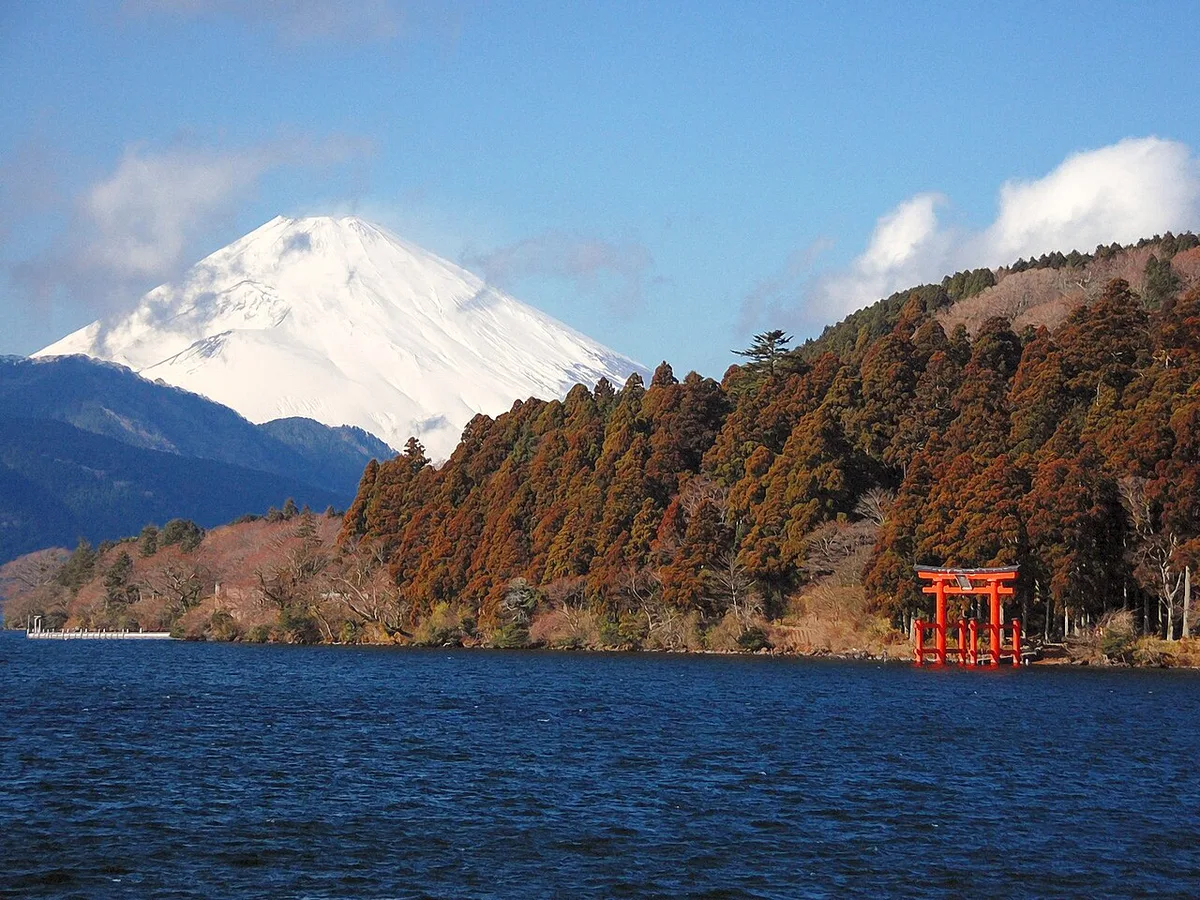
Hakone's main stops sit far enough apart that meals need their own plan. Hakone-Yumoto and Owakudani can sit close to 40 minutes apart by switchback train and ropeway. Treat each stop as its own meal window rather than a quick hop between dishes. Many restaurants outside Hakone-Yumoto close by 5:00 PM or 6:00 PM, so arriving late in Gora or Moto-Hakone can mean a closed kitchen. Sengokuhara, a quieter stretch off the main loop, is known locally for a more relaxed, open-air dining style. A full day built around meals leaves more room for a sit-down lunch between stops.
Restaurants close by 5:00 PM or 6:00 PM across Gora and beyond, forcing day-trippers to choose between high-queue sit-downs like tofu katsu and flexible street-stall timing.
| Stop | Known For | Note |
|---|---|---|
| Hakone-Yumoto | Street food, karaage, yuba-don | Gateway stop; most shops sit within a five-minute walk of the station |
| Gora | Tofu katsu, craft beer, teppanyaki | Reached by the switchback mountain railway from Yumoto |
| Owakudani | Black eggs, black curry | Reached by the Hakone Ropeway |
| Moto-Hakone / Lake Ashi | Lakeside Italian, tea house sweets | Near the pirate ship cruise dock |
Planning Meals Around a Day Trip vs an Overnight Stay
A single day trip from Tokyo limits how many sit-down meals fit into the schedule. Budget one real lunch, one snack stop, and skip high-queue restaurants like Tamura Ginkatsutei unless flexible on timing. An overnight stay opens up a kaiseki dinner and a slower breakfast the next morning, since check-in and check-out no longer compete with sightseeing. Check the Hakone Itinerary: 2-Day Travel Plan + Map & Tips for which stops fit a one-day loop versus a two-day version with a ryokan night in between. Where you book also shapes what you eat: a ryokan in Gora puts tofu katsu and craft beer within walking distance. One near Lake Ashi puts lakeside Italian and tea house sweets closer instead. See the where to stay in Hakone guide for which base suits which food priorities.
Ryokan Kaiseki Dinners: What to Expect and When to Check In
Kaiseki moves through an appetizer, sashimi, a simmered dish, a grilled dish, a fried course, rice, and dessert. Ryokans build the menu around seasonal ingredients such as yuba and fresh wasabi. At Yumoto Fujiya Hotel, for example, the head chef changes the kaiseki menu monthly to track the four seasons. Most ryokans set a specific check-in time, often by 5:00 PM, and serve dinner shortly after. Arriving late can mean missing part of the meal or getting a shortened version. Check the ryokan kaiseki dinner guide for a full course order. Many ryokans pair dinner with an onsen soak, and the best onsen in Hakone guide covers which properties offer both in one stay.
Best Cafes and Sweet Stops
Salon de Thé Rosage, near Lake Ashi, focuses on dessert plates rather than full meals. Amasake Chaya, a historic tea house along an old trail, has served its amazake rice drink through 13 generations of the same family. TUNE CAFÉ, inside the Pola Museum of Art, serves light meals and sweets surrounded by forest views. PICOT Bakery and Sweets sells hotel-quality bread and cakes at its main shop. Fujiya Hotel Lounge, in Miyanoshita, lists cafe service around ¥3,000-¥3,999 per Tabelog. See the Hakone cafes guide for quieter stops away from the main loop.
Vegetarian and Halal Options
Fully vegetarian menus are uncommon at small stalls, but several sit-down restaurants list options on Tabelog. Gora Brewery Public House marks both vegetarian and halal choices on its listing. Kikka So and BOX BURGER also list vegetarian options per Tabelog. Confirm specifics directly with the restaurant, since ingredient substitutions vary by kitchen and English menus aren't universal at the smaller Yumoto stalls.
Costs and Reservations
Meal prices in Hakone span a wide range depending on the stop and the format. A Hakone Free Pass Guide: Prices, Inclusions, & Itineraries covers the trains, buses, and boat used to reach these stops without buying a ticket for each leg. Tabelog listings show restaurants like Gora Brewery Public House and Itoh Dining by Nobu taking online reservations. Ashinoko Terrace, near Lake Ashi, also accepts online reservations and lists lunch around ¥2,000-¥2,999 on Tabelog. Smaller stalls in Yumoto are walk-in only and typically cash-only, so carry yen in small bills for those stops.
| Meal Tier | Typical Cost | Example |
|---|---|---|
| Street snack | ¥300-¥600 | Black eggs pack, karaage skewer |
| Casual lunch | ¥1,500-¥3,000 | Soba, yuba-don, Gora Brewery lunch |
| Mid-range dinner | ¥4,000-¥9,999 | Itoh Dining by Nobu lunch |
| Kaiseki / fine dining | ¥10,000 and up | Ryokan multi-course dinner |
Common Mistakes to Avoid When Eating in Hakone
A few planning missteps show up again and again among Hakone visitors.
Stops along the Hakone Loop can sit 40 minutes apart by train and ropeway, so Tamura Ginkatsutei's legendary queue steals time needed for traveling between attractions on a day trip.
- Queuing for tofu katsu on a single day trip
- Tamura Ginkatsutei's queue can consume the better part of an afternoon.
- Budget for it only with a full day or an overnight stay, not a single day trip from Tokyo.
- Assuming Gora stays open past 6:00 PM
- Many Gora restaurants close by early evening outside hotel dining rooms.
- Eat dinner in Yumoto or at your ryokan instead if you're arriving late.
- Skipping cash in Yumoto
- Small street stalls selling karaage and black eggs often don't take cards.
- Carry yen in small bills before heading to the food street.
- Missing the ryokan dinner check-in window
- Ryokans often set dinner to a fixed check-in time, commonly around 5:00 PM.
- A late arrival from a full day on the loop can mean a shortened kaiseki course.
For trip-planning details, see Hakone - Wikivoyage.
Explore food in other cities
Frequently Asked Questions
What is the most famous food in Hakone?
Kuro Tamago, the black eggs boiled in Owakudani's volcanic hot springs, is the most recognized Hakone specialty. Local lore says eating one adds seven years to your life. Packs are commonly sold in fives for around ¥500 near the ropeway station; confirm current pricing on site.
How much does a meal in Hakone cost?
A casual lunch, such as soba or a Gora Brewery set, typically runs ¥1,500 to ¥3,000. Kaiseki dinners at ryokans commonly start above ¥10,000 per person. Tabelog lists Itoh Dining by Nobu's lunch around ¥4,000 to ¥4,999 as a mid-range example.
Do restaurants in Hakone close early?
Yes, many restaurants outside Hakone-Yumoto close by 5:00 PM or 6:00 PM. Ryokan dining rooms and Yumoto's street food stalls tend to stay open later than spots in Gora or Moto-Hakone. Plan a late arrival around Yumoto rather than the mid-loop stops.
How much time should I plan for eating in Hakone?
Treat meals as stops on the loop rather than side errands, since major stops can sit close to 40 minutes apart. Budget extra time for high-queue spots like Tamura Ginkatsutei only with a full day or an overnight stay. Build a rough day-by-day structure first so a sit-down lunch has room to happen.
Are there vegetarian or halal food options in Hakone?
Some restaurants list vegetarian and halal options on Tabelog, including Gora Brewery Public House, Kikka So, and BOX BURGER. Availability varies by kitchen, and English signage is limited at smaller stalls. Confirm directly with each restaurant before you arrive.
Explore More Hakone Food & Trip Planning
Dig deeper into Hakone's food scene by theme, then pair your meals with the right itinerary and lodging.
Iconic Bites
Traditional Dining
Street Food & Snacks
Cafes & Views
Plan Your Trip
Free: The Hakone Essentials guide
Top things to do, where to stay, a perfect day plan, getting around, and the best time to go — a Hakone mini-guide you can take offline.
You might also like


Continue reading
More guides you'll find useful


