

Hakone-Yumoto Street Food Guide: Best Bites & Shotengai Map
Discover the best street food in Hakone-Yumoto. From ¥80 manju to tiramisu soft-serve, plan your food crawl with prices, locations, and etiquette tips.
On this page
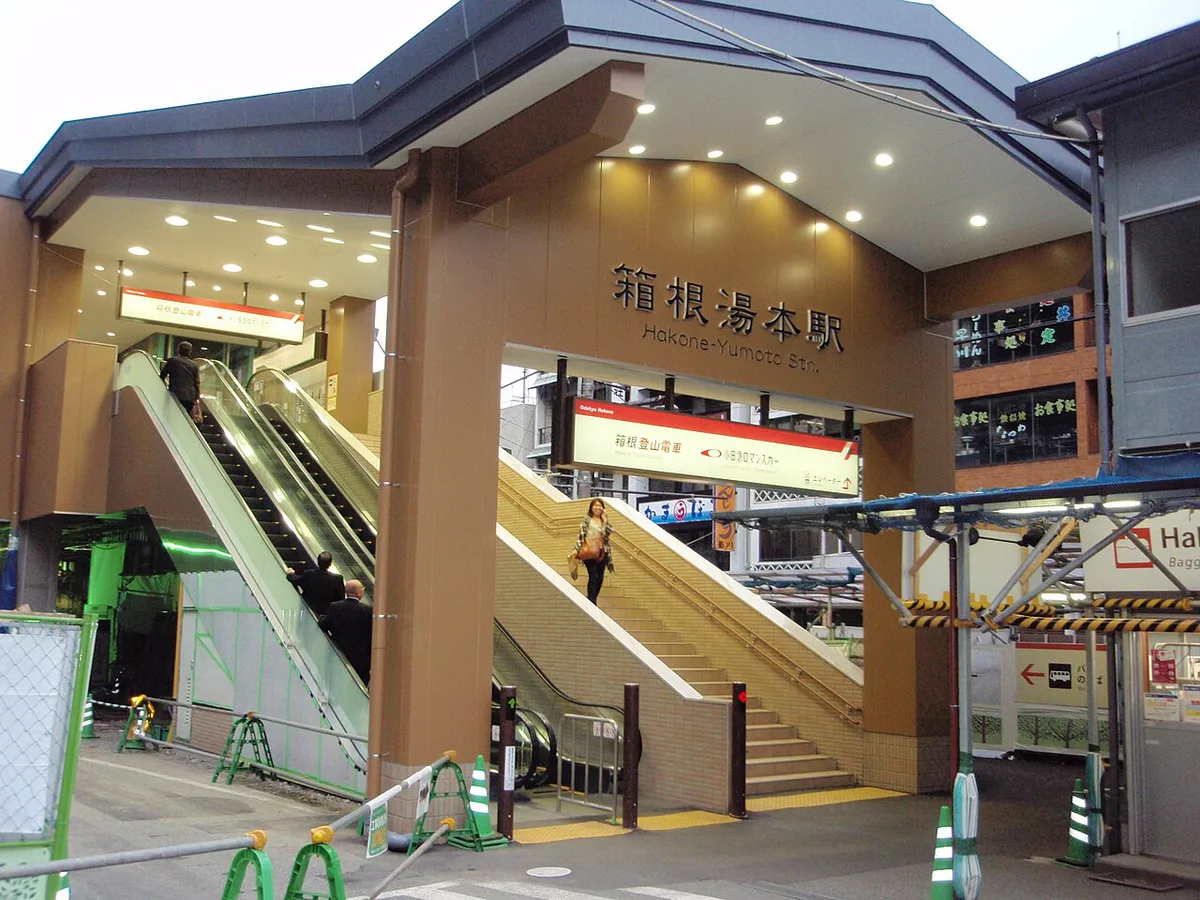
Last updated July 2026: Hakone Yumoto street food starts right outside Hakone-Yumoto Station. A covered shopping street there packs roughly seventy shops, from restaurants and cafes to souvenir stalls, into a ten-minute walk. Grab a hot manju, work through skewered fish cakes and soft-serve, and still catch a Romancecar back to Tokyo without a sit-down meal.
Hakone-Yumoto Street Food: Inside the Shotengai
Hakone-Yumoto is the gateway station for most Hakone-bound travelers, whether the plan is a one-hour layover or a multi-night stay nearby. Step off the platform (OH51 on the Hakone Tozan Train), and the shotengai begins within a few minutes on foot, no bus or taxi required. Regional guides put the shop count near seventy, mixing decades-old sweet shops with newer, camera-ready storefronts. Some stalls sell the same fish cakes and manju recipes locals have bought for years. Others, like the tiramisu specialist further down the street, lean into pastel packaging built for a phone camera. Both styles work for a street food crawl; the difference is pace, not quality. A tourist information center near the station has English, Chinese, and Korean-speaking staff and hands out area maps, useful before diving into the shotengai. For the wider restaurant and kaiseki scene beyond this one street, the Hakone food guide rounds up sit-down options. Travelers staying overnight rather than passing through can check Where To Stay In Hakone Travel Guide for ryokans within a short walk of the shotengai. Those planning sightseeing beyond food can start with the 15 Best Hakone Attractions & Things To Do (2026 Guide) guide.
Must-Try Bites Right Outside the Station
Five stalls define the shotengai crawl within a few minutes of the platform. Expect a mix of cash-only bakeries and modern dessert counters, all within sight of each other.
- Kikukawa Shoten — Castella-yaki Hakone Manju: a castella-style bun filled with white bean paste, baked to order in a machine visible through the shop window. It ran ¥80 per piece as of the most recently published price; cash works best here, and the shop also sells boxed sets to take home.
- Hakone Tiramisu — Tiramisu Soft-Serve: vanilla-espresso soft serve dusted with cocoa powder, sold from a pastel storefront built around bottled tiramisu souvenirs. The packaging design references figures from Hakone's history, and the storefront's look draws a steady flow of phone cameras.
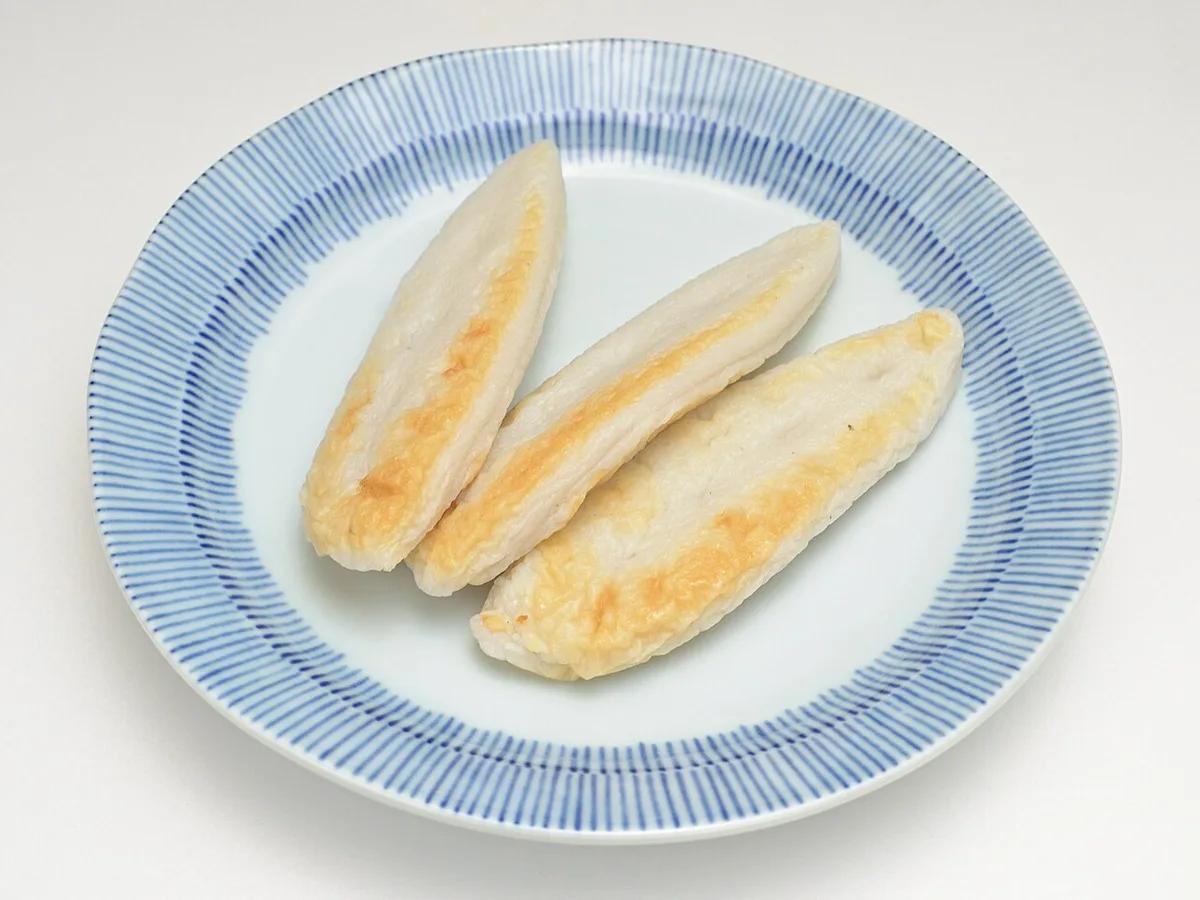
- Kagoya Seijiro — Kamaboko Sticks: deep-fried fish cake skewers in flavors like crab, corn, and mentai-mayo. The stall connects to the station by a pedestrian deck, and boxed kamaboko sets make an easy souvenir alongside the fresh skewers.
- Grand Riviere Hakone — Honey Cheese Tart: a crisp tart shell with a warm, slightly melted cheese filling. This flavor is exclusive to the Yumoto branch; the brand's main store and its signature rusks are based in Sengokuhara instead.
- Teyakido — Heart-Shaped Senbei: large, hand-baked rice crackers finished with a light soy glaze and seaweed. Baked in view of passersby, the aroma alone tends to pull people off the main path and into line.
Grab-and-Go vs. Sit-Down: Timing Your Bites
Not every shotengai snack works the same way. Manju, senbei, and kamaboko sticks are built for walking: pick one up, eat it in a few bites, and move to the next stall. Shakuri-dofu, the freshly scooped tofu found further along toward Gora, needs a bowl, a spoon, and a spot to sit still. Budget at least ten to fifteen minutes for that stop rather than folding it into a walking crawl. Travelers who want an actual seated lunch instead of a snack crawl can find one at the 7 Best Soba Restaurants in Hakone: Yumoto to Lake Ashi (2026) guide. Payment also varies by shop size. Larger storefronts like Grand Riviere Hakone and Hakone Tiramisu take IC cards such as Suica and Pasmo. Smaller, single-owner stalls, including Kikukawa Shoten, are more likely to want cash, so keep a few thousand yen in small bills on hand. Vending machines and coin lockers around the station also tend to prefer coins over large bills, so breaking a large note before starting the crawl saves time later.
Beyond the Shotengai: Gora, Owakudani, and Lake Ashi Specialties
Some of the region's best-known bites sit well outside Yumoto, and mixing them into a food crawl means budgeting real transit time.
Although most shotengai snacks are quick three-to-five-minute bites, three must-try items—shakuri-dofu, black eggs, and curry donut—require either a seated stop or 45+ min transit each way, making them substantial side trips rather than extensions of the station walk.
Hakone Gindofu, near Gora Station, makes shakuri-dofu fresh each morning: soft, warm tofu served with a splash of soy sauce. Right in front of Gora Station, Omiyage no Mise Nakamuraya sells Gora Manju, a red-bean bun made with Hokkaido-grown azuki beans. Reaching Gora from Yumoto means riding the Hakone Tozan Railway. That trip is a good fit for the Hakone Free Pass Guide: Prices, Inclusions, & Itineraries if you are already using one for the day.
Owakudani's black eggs sit even farther out. Eggs are boiled in the area's volcanic hot springs until their shells turn black, and a local legend claims eating one adds seven years to your life. Owakudani Kurotamago-kan, which sells them fresh and hot, sits right in front of the ropeway's Owakudani Station. Getting there requires the Hakone Ropeway, not a shotengai side trip. Treat it as a separate leg of the day, not an extension of the station walk. The black eggs guide covers that stop and the legend behind it in more detail. Nearby, Yu-land sells a tamago soft-serve near the start of the Owakudani nature trail, a lighter alternative to the black eggs themselves.
Near Lake Ashi, Bakery & Table serves a rice-flour curry donut. That stop pairs well with the Lake Ashi pirate ship cruise rather than a quick station layover.
Hakone Street Food at a Glance
Only Kikukawa Shoten publishes an exact price for its manju. Every other stall in this table sets its total at the counter, so treat the ¥80 manju as the crawl's cheapest confirmed anchor and budget the rest as snack- or dessert-priced extras.
| Snack | Price | Time Needed | Where | Best For |
|---|---|---|---|---|
| Castella-yaki Hakone Manju (Kikukawa Shoten) | ¥80 per piece | 2-3 min, eaten walking | Hakone-Yumoto Shotengai | Fastest, cheapest bite near the station |
| Tiramisu Soft-Serve (Hakone Tiramisu) | Priced at the counter | 5 min, eaten walking | Hakone-Yumoto Shotengai | Photo-friendly dessert stop |
| Kamaboko Sticks (Kagoya Seijiro) | Priced at the counter | 3-5 min, eaten walking | Beside Hakone-Yumoto Station | Savory snack between sightseeing stops |
| Honey Cheese Tart (Grand Riviere Hakone) | Priced at the counter | 3 min, eaten walking | Hakone-Yumoto Shotengai (Yumoto-exclusive item) | Souvenir plus an on-the-spot treat |
| Heart-Shaped Senbei (Teyakido) | Priced at the counter | 3 min, eaten walking | Hakone-Yumoto Shotengai | Souvenir box or a single fresh cracker |
| Shakuri-dofu (Hakone Gindofu) | Priced at the counter | 10-15 min, seated | Near Gora Station | Sit-down specialty worth the extra transit |
| Kuro-tamago Black Eggs (Owakudani Kurotamago-kan) | Priced at the counter | 45+ min transit each way, via ropeway | Owakudani | Ropeway day-trip highlight |
| Rice-Flour Curry Donut (Bakery & Table) | Priced at the counter | 45+ min transit from Yumoto | Lake Ashi | Pairing with a lake cruise stop |
Planning Your Food Crawl
Travelers with a single hour before a Romancecar back to Tokyo should keep the route simple. Start at Kikukawa Shoten for a hot manju. Walk two minutes to Kagoya Seijiro for a kamaboko stick. Finish at Hakone Tiramisu for soft-serve near the station entrance. That sequence covers a hot bite, a savory snack, and a dessert without doubling back. Check the station departure board before starting, so the hour budget stays accurate against the actual departure time. Store bags in a station locker before starting the crawl so both hands stay free for a soft-serve cone and a kamaboko skewer. Those following a full Hakone Day Trip Itinerary from Tokyo: Plan Your Perfect Day can treat the shotengai as the opening or closing stop, saving Gora and Owakudani specialties for later. A longer stay can build around a Hakone Itinerary: 2-Day Travel Plan + Map & Tips. That itinerary can fold the same stalls into a full Hakone loop route day that also covers the ropeway and Lake Ashi.
Street Food Etiquette and Mistakes to Avoid
A few small mistakes can derail an otherwise easy food crawl. Arriving too late is the most common one: many Yumoto stalls close by 5:00 or 6:00 PM, well before dinner service starts elsewhere in town. Build the crawl into the afternoon rather than the evening. The street is often busiest in the early-to-mid afternoon, so plan to be patient in line at the more photogenic stalls. Eating while walking, known locally as kui-daore etiquette, is discouraged on the main street. Look for the small benches and standing counters that several shops set out. Use those instead of eating on the move past other shoppers. Carry coins, not just bills. Machines and small stalls often want exact change, so keep a stack of ¥100 coins on hand alongside your yen notes. If the shotengai is closed by the time you arrive, the 7 Best Cafes in Hakone With a View (2026 Guide) guide lists sit-down alternatives open later in the day. After a few stops of fried and sweet snacks, the 10 Best Onsen & Ryokan in Hakone: Private Baths, Day Trips & More (2026) guide is a natural next stop to unwind.
Hakone-Yumoto shops split between IC-card accepting chains and smaller cash-only stalls, so travelers must carry both payment methods; machines and small vendors especially require ¥100 coins for exact change.
Best Snacks to Take on the Romancecar
Choose dry, packaged snacks when buying food for the Romancecar to Tokyo. They travel more cleanly than soft-serve, hot fish cakes, or warm cheese tarts.
- Kikukawa Shoten’s boxed castella-yaki manju are compact and easy to share. Let freshly baked pieces cool before closing the package to reduce condensation.
- Teyakido’s senbei resist crushing when kept flat near the top of your bag. Their dry texture also makes them less messy at a seat.
- Grand Riviere Hakone’s packaged rusks are better suited to the journey than its warm honey cheese tart. The sealed packs also work well as souvenirs.
Buy train snacks after completing the crawl, so they spend less time in a warm bag. Keep them separate from chilled tiramisu bottles or other refrigerated desserts.
Avoid opening strongly scented kamaboko beside other passengers. Finish fresh skewers at Kagoya Seijiro’s designated eating area before returning to the station. Keep your ticket and phone accessible, rather than buried beneath food purchases.
Frequently Asked Questions
Is the Hakone-Yumoto Shotengai walkable from the station?
Yes. The shopping street begins right outside Hakone-Yumoto Station, and Hakone Navi's shop directory counts roughly seventy stores along it. Most travelers cover the main stretch in under fifteen minutes on foot.
How much time should you plan for the shotengai food crawl?
A three-stop crawl near the station fits inside a one-hour Romancecar layover. Adding a seated stop for shakuri-dofu near Gora, or a trip out to the Owakudani black eggs, adds 45 minutes or more of transit each way.
Do Hakone-Yumoto street food stalls take credit or IC cards?
Larger shops such as Grand Riviere Hakone and Hakone Tiramisu accept IC cards like Suica and Pasmo. Smaller stalls, including Kikukawa Shoten, tend to prefer cash, so carry small bills and ¥100 coins.
What time do the shotengai shops close?
Many Yumoto stalls close by 5:00 or 6:00 PM, earlier than typical dinner hours. If the street is closed when you arrive, the ryokan kaiseki dinner guide covers a seated dinner alternative.
Can you eat while walking through the shotengai?
Eating while walking is discouraged on the main street, a custom known locally as kui-daore etiquette. Use the benches and standing counters several shops provide instead of eating on the move.
Is Hakone-Yumoto Shotengai crowded?
It gets busiest in the early-to-mid afternoon, when day-trippers move between the station and nearby sightseeing. Mornings and early evenings before closing tend to be quieter for photos at spots like Hakone Tiramisu.
Free: The Hakone Essentials guide
Top things to do, where to stay, a perfect day plan, getting around, and the best time to go — a Hakone mini-guide you can take offline.
You might also like


Continue reading
More guides you'll find useful


