Hakone Loop Route Guide: The Round Course, Step by Step (2026)
Plan the Hakone loop with a leg-by-leg route, Freepass costs, and last-departure times. Compare clockwise vs. counter-clockwise before you go.
On this page
Last updated July 2026. The Hakone loop is a circular route through the Hakone region using five transport modes: train, cablecar, ropeway, boat, and bus. Most travelers run it counter-clockwise from Hakone-Yumoto, and the Hakone Freepass covers every leg, but the order you ride them and the direction you choose change how the day actually feels. If Hakone itself still feels like an open question, the Hakone vs Kawaguchiko comparison is worth reading before you commit to a route.
What Is the Hakone Loop (Hakone Round Course)?
The Hakone loop, also called the Hakone Round Course, links five operators into one circular route: the Hakone Tozan Railway, the Hakone Tozan Cablecar, the Hakone Ropeway, the Hakone Sightseeing Boat, and the Hakone Tozan Bus. The route starts and ends at Hakone-Yumoto, though you can join it at any point. A single Hakone Freepass covers all five legs, which is why most visitors buy one instead of individual tickets. Doing the full loop from Tokyo in one day is possible if you leave early, but a two-day, one-night stay at a ryokan gives you more time at each stop without racing the last departures.
The Golden Route: Step-by-Step Counter-Clockwise
This is the standard direction most first-time visitors follow, starting and ending in Hakone-Yumoto. Each leg connects directly to the next, so plan your first departure with enough buffer to reach Owakudani before the late-morning haze sets in.
- Leg 1, Hakone-Yumoto to Gora: Hakone Tozan Railway, about 35 minutes, trains every 15 to 20 minutes. The line is a switchback railway that climbs over 300 meters through a wooded valley; June brings hydrangeas along the tracks.
- Leg 2, Gora to Sounzan: Hakone Tozan Cablecar, about 10 minutes, departures every 15 minutes. Gora Park and the Hakone Open-Air Museum are both near the cablecar route if you want to break the journey.
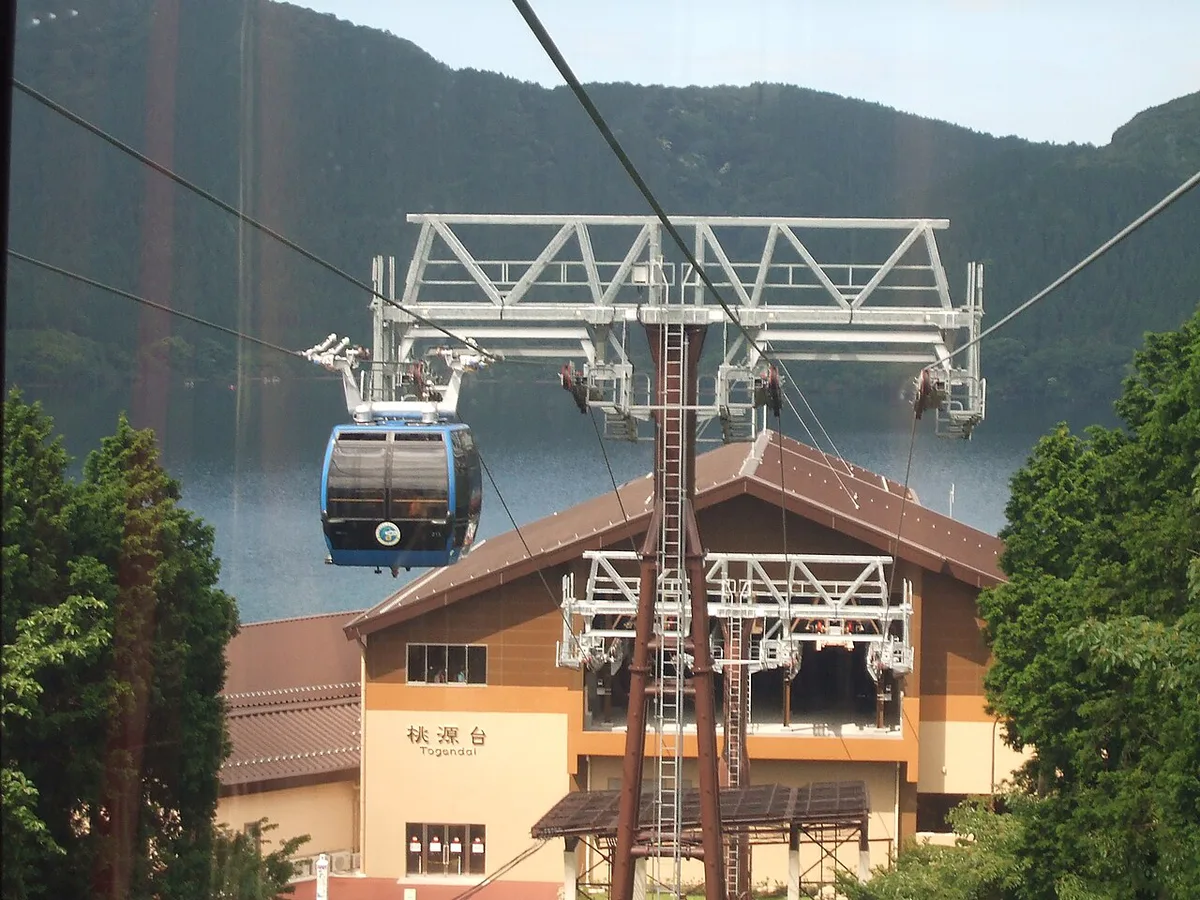
- Leg 3, Sounzan to Owakudani to Togendai: Hakone Ropeway, about 30 minutes total, continuous departures, with a required transfer at Owakudani. Stop at Owakudani for kuro-tamago, the black eggs boiled in the valley's sulfur springs. Mount Fuji visibility from the ropeway is usually best before 10:00 AM, so check the live cams at Sounzan before you commit to a stop.
- Leg 4, Togendai to Hakone-machi/Moto-Hakone: Hakone Sightseeing Boat, about 30 minutes, departures every 30 to 60 minutes, crossing Lake Ashi in a pirate-ship-styled vessel. See the Lake Ashi pirate ship cruise guide for what the crossing covers.
- Leg 5, Hakone-machi to Moto-Hakone on foot: about 20 to 30 minutes along the Ancient Cedar Avenue, passing the Checkpoint Museum and the Detached Palace Garden. Skip this if you'd rather continue by boat or bus.
- Leg 6, Moto-Hakone to Hakone-Yumoto: Hakone Tozan Bus, line H or K, about 35 minutes. Visit Hakone Shrine in Moto-Hakone first, then ride bus line H back, which can stop near Yunessun; see the Yunessun onsen guide for that stop.
Clockwise vs. Counter-Clockwise: Which Direction Wins?
Both directions use the same five legs, so the choice comes down to crowds, light, and how you want the day to end.
Clockwise offers quieter mornings and earlier Mount Fuji views but requires arriving in time for afternoon boat and ropeway departures that wind down between 4:30 and 5:00 PM.
| Direction | Best for | Trade-off |
|---|---|---|
| Counter-clockwise (standard) | Ending the day at Hakone Shrine; matches most Freepass route maps | Afternoon bus queues build up at Moto-Hakone |
| Clockwise (reverse loop) | Quieter morning ropeway and cablecar; earlier Fuji views from the boat | Starts with the bus leg, which needs earlier planning to hit boat departure windows |
Hakone Freepass Costs and Where to Buy
The Hakone Freepass is the ticket that makes the loop work financially: it covers the Tozan Railway, cablecar, ropeway, sightseeing boat, and Tozan buses within its validity window, plus discounts at some attractions. It comes in 2-day and 3-day versions, and buying individual tickets for all five legs almost always costs more than the pass if you're completing the full loop. Buy it before you start, at an Odakyu Sightseeing Service Center in Shinjuku Station or at Hakone-Yumoto Station.
- 2-day Freepass: covers the full round course plus one extra day of unlimited local transport
- 3-day Freepass: adds a spare day, useful for the two-day ryokan pace or a weather backup on the ropeway
- Buy at: Odakyu Sightseeing Service Center, Shinjuku Station, or Hakone-Yumoto Station
The Express Loop vs. the Deep Dive: 1 Day or 2?
Both paces cover the same six legs. The difference is how much time you get at Owakudani, Lake Ashi, and Hakone Shrine before you're chasing the next departure.
A two-day Deep Dive pace works best with a 3-day Freepass rather than the 2-day version, since ropeway conditions at Owakudani can close service without notice and a weather backup day keeps the itinerary flexible.
| Pace | Duration | Active hours | Stops with real time |
|---|---|---|---|
| The Express Loop | 1 day from Tokyo | About 10 to 12 hours door-to-door | 2 to 3 brief stops (Owakudani snack break, Hakone Shrine) |
| The Deep Dive | 2 days, 1 night | Split across two days with a ryokan stay in Gora or Moto-Hakone | 4+ stops with time to linger, plus an onsen evening |
Where to Stay: Neighborhood Fit for the Hakone Loop
Where you sleep shapes which leg of the loop you tackle first and how rushed the last day feels.
- Hakone-Yumoto: easiest access back to Tokyo; the practical base if you're using the luggage forwarding service and starting the loop fresh
- Gora: closer to the Hakone Open-Air Museum and Gora Park, a quieter mid-mountain ryokan base for the Deep Dive pace
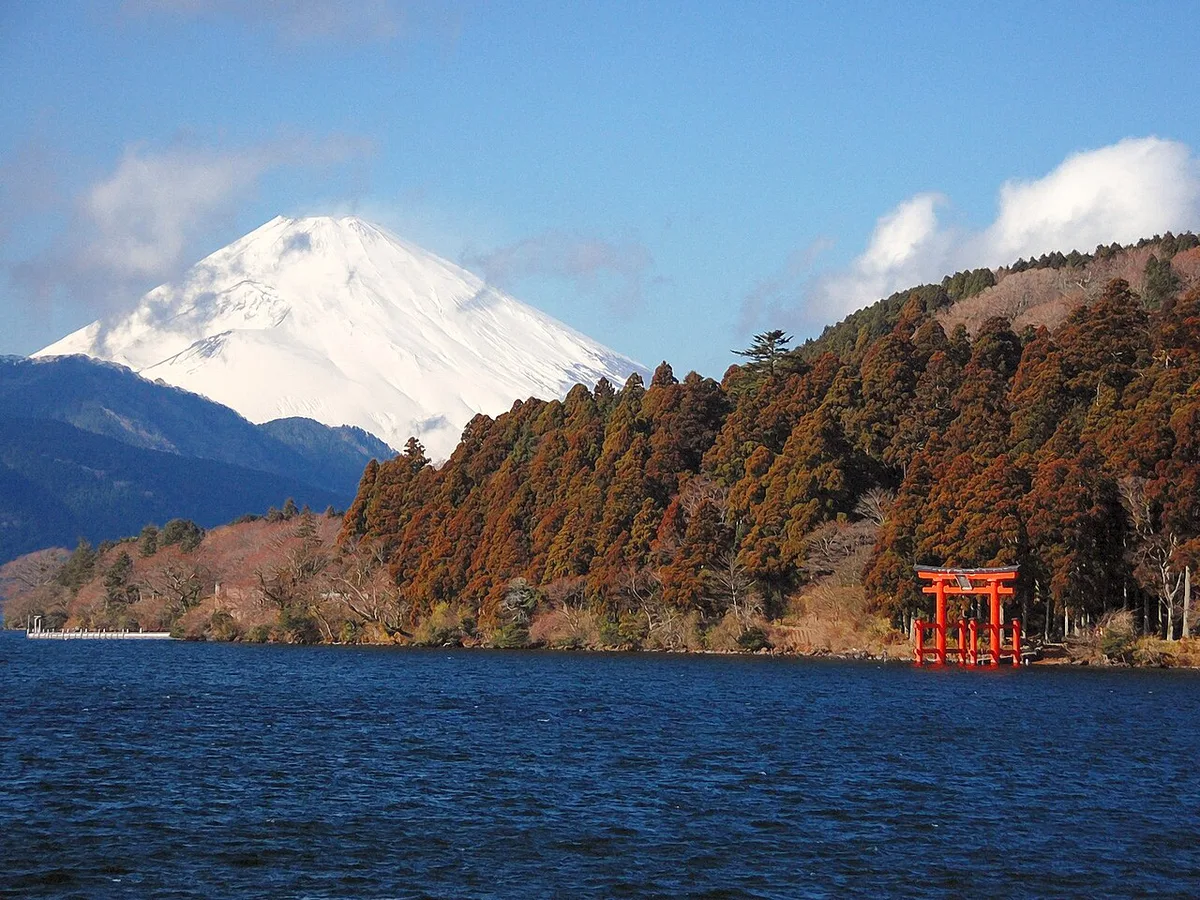
- Moto-Hakone or Lake Ashi shore: best for Mount Fuji views and an early, uncrowded visit to Hakone Shrine before the day's boat traffic arrives
Critical Mistakes to Avoid on the Hakone Loop
Most loop problems come down to timing and luggage, not route confusion. Check these before you start.
- The last-departure trap: the sightseeing boat and ropeway both wind down service in the late afternoon, generally in the 4:30 to 5:00 PM window. Confirm the day's last departure time at Togendai or Sounzan before you linger at Owakudani.
- Large luggage on the Tozan Railway: the switchback carriages are tight. Forward bags ahead through a Hakone-Yumoto luggage service, or use station lockers, rather than hauling suitcases up the mountain.
- Ignoring ropeway status: wind and volcanic gas readings at Owakudani can suspend ropeway service without much notice. Check current status before you plan the Owakudani stop around it.
- Weekend crowds: Saturdays draw the heaviest queues at the cablecar and boat piers. Tuesdays and Wednesdays run noticeably smoother if your schedule allows a weekday visit.
Bus Line H vs. Line K: The Return Leg Trade-off
The final bus leg from Moto-Hakone back to Hakone-Yumoto has two route options, and they serve different priorities.
- Line H: the faster return, and it can stop near Yunessun if you want an onsen-park detour before Hakone-Yumoto — see the Yunessun onsen guide for what that stop involves.
- Line K: follows the Old Tokaido road, slower but more scenic, with a stop at the historic Amazake Chaya teahouse near Hatajuku.
Dining and Rest Stops Along the Route
Plan food around the legs rather than a sit-down meal, since most of the day is spent moving between transfers.
- Owakudani: kuro-tamago black eggs and other snack stalls near the ropeway station, best eaten while you wait out a transfer.
- Moto-Hakone: lakeside cafes facing Lake Ashi, a good stop after the boat crossing or before the bus leg.
- Bakery & Table Hakone: a footbath and rest facility if you want a break partway through the loop.
When to Go: Weather and Seasonal Notes
Hydrangea season along the Tozan Railway peaks in June, and Mount Fuji visibility on the ropeway and boat is weather-dependent year-round, generally best in clear early-morning conditions before 10:00 AM. Winter changes the loop's pace and closures; check the Hakone in winter guide for cold-season specifics before booking a winter loop day.
Luggage Strategy: Hakone Carry Service and Lockers
Large bags are the easiest way to make the Hakone loop feel harder than it is. If you are staying overnight, use the Hakone Carry Service at Hakone-Yumoto Station before boarding the Hakone Tozan Railway. It forwards luggage between the station and participating hotels or ryokan around Hakone. Confirm your lodging is covered before relying on it.
- Good bases: Gora, Miyanoshita, Sengokuhara, and the Lake Ashi shore.
- Best use: drop suitcases at Hakone-Yumoto, ride with a day pack, then check in later.
- Fallback: use lockers at Hakone-Yumoto or Odawara if you return the same day.
Keep your day bag practical. It should include valuables and medication. Add rain gear and a phone battery. Avoid roller bags on the switchback train, cablecar, ropeway transfer, and crowded Moto-Hakone buses. Check the service cutoff time when you arrive, because same-day delivery depends on the counter schedule.
For trip-planning details, see Hakone - Wikivoyage and Hakone - Wikipedia.
For the wider city context, see our complete Hakone tourism attractions guide.
Frequently Asked Questions
Can you do the Hakone loop in one day?
Yes, if you leave Tokyo early. A one-day Express Loop covers all six legs but leaves limited time at Owakudani and Hakone Shrine. A two-day pace with a ryokan stay gives more breathing room.
Is the Hakone Freepass worth it for the loop?
For the full round course, yes. The Freepass covers the Tozan Railway, cablecar, ropeway, sightseeing boat, and Tozan buses, and buying each ticket separately almost always costs more.
Should I go clockwise or counter-clockwise around the Hakone loop?
Counter-clockwise is the standard direction and ends the day at Hakone Shrine. Clockwise tends to be quieter in the morning and can offer earlier Mount Fuji views from the boat, but it front-loads the bus leg.
What happens if I miss the last boat or ropeway?
Both the sightseeing boat and ropeway wind down in the late afternoon, roughly between 4:30 and 5:00 PM. Confirm the day's last departure at Togendai or Sounzan early so a delay at one leg doesn't strand the rest of your route.
Can I bring a large suitcase on the Hakone loop?
It's not practical on the Tozan Railway's switchback carriages. Forward luggage ahead through a Hakone-Yumoto forwarding service, or use station lockers, and carry only a day bag around the loop.
When is Mount Fuji most visible from the Hakone loop?
Visibility from the ropeway and Lake Ashi boat is generally best in clear conditions before 10:00 AM. Check live cams at Sounzan before starting that leg of the route.
Free: The Hakone Essentials guide
Top things to do, where to stay, a perfect day plan, getting around, and the best time to go — a Hakone mini-guide you can take offline.
You might also like


Continue reading
More guides you'll find useful