7 Best Soba Restaurants in Hakone: Yumoto to Lake Ashi (2026)
Looking for the best soba in Hakone? Compare 7 noodle shops from Hakone-Yumoto to Lake Ashi, with 2026 prices, hours, and last-order times.
On this page
Last updated July 2026. Hakone's best soba owes its texture to spring water flowing from Mt. Kintoki, feeding noodle counters from Hakone-Yumoto to Lake Ashi. Seven picks below cover both, so you can fit a bowl into any stop on the Hakone Loop.
Why Hakone's Spring Water Makes Its Soba Different
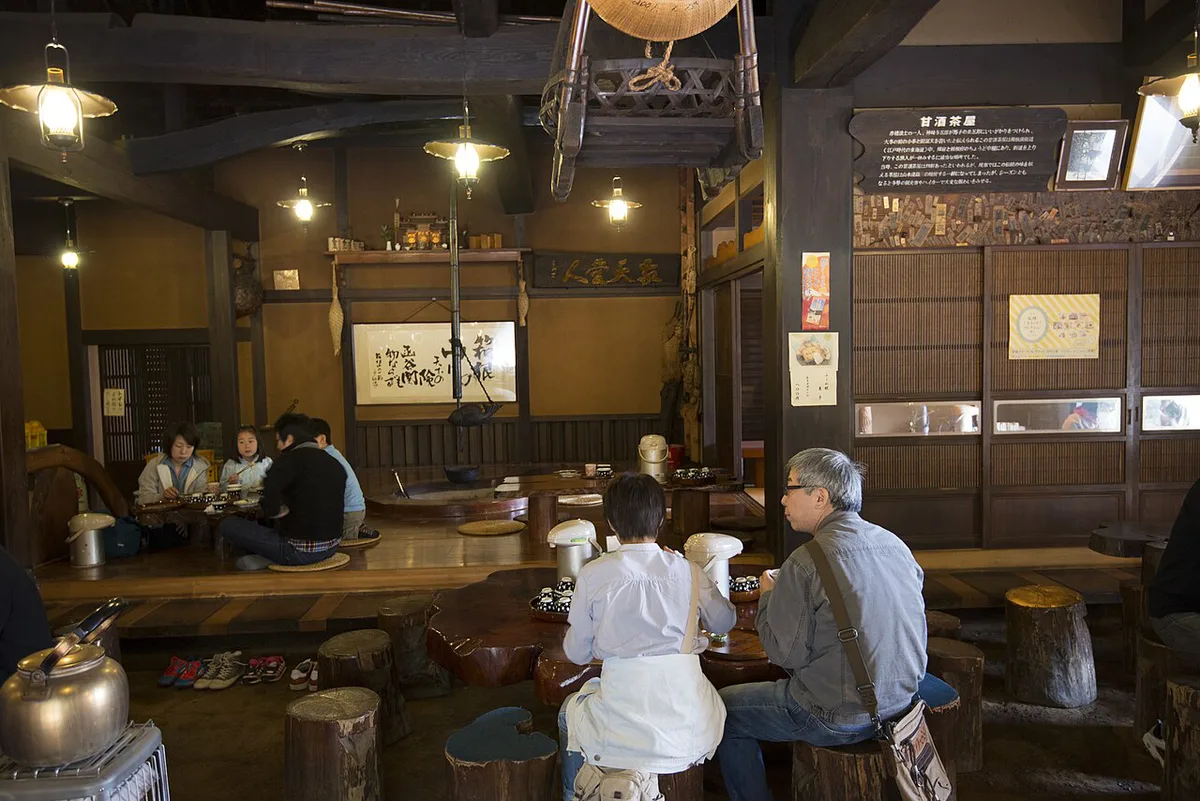
Mt. Kintoki's subsoil water surfaces across Hakone. Local shops attribute the noodles' clean texture to that spring water rather than tap water. That reputation predates modern tourism. Teahouses near the old post town of Hatajuku, a stop on the historic Old Tokaido highway, have fed travelers for generations, including Amazake-chaya. A soba lunch fits easily into the Hakone Loop route without derailing a tight day trip from Tokyo. Working a stop into the loop rarely adds much detour. Most of these shops sit near a railway station, the Hakone Ropeway, or a bus stop already on the route. Pair it with the main Hakone attractions or build it into a full Hakone Itinerary: 2-Day Travel Plan + Map & Tips.
The 7 Best Soba Restaurants in Hakone
These seven restaurants span Hakone-Yumoto, the Sengokuhara/Gora loop, and the Lake Ashi shoreline. Each entry below notes hours, last order (L.O.) time, and a signature dish, so you can match a stop to your route.
Hatsuhana and Akatsuki-an attract weekend waits of up to 60 minutes for their technical craft: no-water yam-bound dough and stone-milled noodles respectively. Booking ahead or visiting weekdays allows craft-focused diners to enjoy these specialized preparations without extended queues.
- Hakone Akatsuki-an (Dawn Bower)
- This Yumoto shop stone-mills its own buckwheat, blending Hokkaido and Ibaraki flour for the noodles.
- The Akatsuki-an Set pairs cold noodles in a bamboo steamer, or a hot bowl, with local tofu, a seasonal side, and tempura.
- In the evening, a ¥5,500 Dawn Evening Table set adds a fuller menu, served 11:00 AM to 8:00 PM (L.O. 7:30 PM) and closed Wednesdays.
- Hakone Restaurant (near Hakone-Yumoto Station)
- This casual Yumoto spot is the budget-friendly pick, entered through a blue noren curtain with seating for about 15 diners.
- Cold zaru soba costs ¥700, served in a bamboo basket with soy-based dipping broth, onion, and wasabi.
- A larger portion adds ¥200, and the shop is open Thursday to Tuesday, 11:00 AM to 4:30 PM.
- Hatsuhana Soba
- Hatsuhana is known for a no-water method, mixing only buckwheat flour and grated mountain yam to bind the dough.
- That method draws weekend waits of up to 60 minutes at peak times, similar to the line at Akatsuki-an.
- Hatsuhana sits in the Hakone-Yumoto cluster of shops, an easy add-on to a walk down the Hakone-Yumoto food street.
- Hakone Kyu-kyu (Ninety-Nine)
- Kyu-kyu specializes in wild mountain yam soba, treating tororo as the main event rather than a side option.
- The interior leans modern and design-forward, a contrast to the older wooden teahouses elsewhere in Hakone.
- Kyu-kyu sits on the Sengokuhara/Gora side of the loop, useful if that's the area you're already exploring.
- Soba-dokoro Hiko
- Hiko serves two styles of noodle made from Otoineppu buckwheat grown in Hokkaido.
- The smoother bamboo-plate style costs ¥1,300; a limited, coarser-ground version is capped at 15 servings a day.
- A popular side is duck sirloin grilled meat for ¥3,500, and the shop closes by 2:30 PM, shut Mondays and Tuesdays.
- Hotoriya (Lake Ashi)
- Hotoriya sits on Lake Ashi with a direct view of the sightseeing Pirate Ships crossing the water.
- On clear days, Mt. Fuji is visible beyond the lake from the dining room.
- Hotoriya pairs easily with a Lake Ashi Pirate Ship cruise, since the boats and the restaurant share the same shoreline.
- Denbei Soba
- Denbei Soba leans into Edo-period interior details, from dark wood beams to low tables.
- Tempura is the standard pairing here, usually served alongside a hot or cold noodle set.
- Denbei Soba is grouped with the other Lake Ashi-area restaurants near the old Hakone checkpoint, an easy stop on that side of the loop.
Comparing These Soba Spots at a Glance
Prices and hours below come from recent restaurant listings, but hours can shift seasonally, so confirm same-day if a stop is the centerpiece of your plan. Use the area column to match a restaurant to whichever leg of the loop you're on. The vibe column then helps you decide between a fast lunch and a sit-down set.
| Restaurant | Area | Vibe | Signature Dish | Starting Price |
|---|---|---|---|---|
| Hakone Akatsuki-an | Hakone-Yumoto | Traditional, Meiji-era house | Cold bamboo-steamer soba | ¥5,500 (evening set) |
| Hakone Restaurant | Hakone-Yumoto | Traditional, casual | Cold zaru soba | ¥700 |
| Hatsuhana Soba | Hakone-Yumoto | Traditional, craft-focused | No-water yam-bound soba | — |
| Hakone Kyu-kyu (Ninety-Nine) | Sengokuhara/Gora loop | Modern, design-forward | Wild yam tororo soba | — |
| Soba-dokoro Hiko | Hakone-Yumoto | Traditional, craft-focused | Ni-hachi bamboo-plate soba | ¥1,300 |
| Hotoriya | Lake Ashi | Scenic, lake-view | Soba with a lake view | — |
| Denbei Soba | Lake Ashi / Moto-Hakone | Edo-style decor | Tempura soba | — |
Understanding Tororo: Hakone's Wild Mountain Yam Soba
Tororo is grated mountain yam, used two different ways in Hakone's soba scene. Hatsuhana blends it directly into the dough instead of using water. Kyu-kyu spoons it fresh over a finished bowl instead. Both approaches use the same Mt. Kintoki spring water base, so the difference comes down to preparation rather than the noodle itself. Either version adds a starchy, slightly sweet layer that plays against the drier bite of a plain zaru serving. If a menu lists tororo soba, expect a stickier, richer bowl than a standard hot or cold order.
Choosing a Soba Stop by Where You're Headed
Hakone's soba shops split cleanly by where you're already going on the loop.
- Day-Trippers From Tokyo
- Hakone-Yumoto Station anchors this cluster, so it's the easiest area to fit soba into a tight day trip from Tokyo.
- Hakone Restaurant, Akatsuki-an, Hatsuhana, and Hiko all sit within walking distance of the station, alongside the rest of the Hakone-Yumoto food street.
- None of these four require a bus transfer, which keeps a lunch stop simple on a one-day itinerary.
- Nature-Focused Travelers on the Sengokuhara Loop
- Sengokuhara sits near the seasonal pampas grass fields, and Kyu-kyu's wild yam soba is the pick if that's the direction you're heading.
- A Hakone Free Pass Guide: Prices, Inclusions, & Itineraries covers the bus routes out to this side of the loop, which run less often than the Yumoto shuttles.
- Budget extra travel time here if you're also planning a station-side lunch the same day.
- Sightseers on the Lake Ashi Route
- Moto-Hakone and the Lake Ashi shoreline put Hotoriya and Denbei Soba near the old Hakone checkpoint and Hakone Shrine.
- Combine either stop with a Lake Ashi Pirate Ship cruise before continuing around the loop.
- Both restaurants sit along the same lakeside stretch as the checkpoint sights, so a soba lunch needs no extra detour.
Avoid the Early-Close Trap: Hours, Waits, and Sobayu
A few habits separate a smooth soba stop from a wasted trip.
- Plan Soba for Lunch, Not Dinner
- Most Hakone soba shops post last order times between 2:30 PM and 4:30 PM, and several close once the day's noodles sell out.
- For an evening soba course, look at a ryokan kaiseki dinner instead, covered in the Hakone ryokan kaiseki dinner guide.
- That pairs naturally with sorting out Where To Stay In Hakone Travel Guide for the night.
- Expect Weekend Waits at the Popular Spots
- Hatsuhana and Akatsuki-an can both run weekend waits of up to 60 minutes.
- Arriving right at opening, or eating on a weekday, avoids most of that line.
- If a wait is unavoidable, put your name down and browse the shops nearby while you wait.
- Finish With Sobayu
- At the end of the meal, many shops bring out sobayu, the hot water used to cook the noodles.
- Pour it into your leftover dipping broth and drink it, the traditional way to close a soba meal in Hakone.
- Not every shop offers it automatically, so ask if it isn't brought to the table.
Which Soba Stop Fits Your Hakone Day
For first-time visitors, Hakone Restaurant is the simplest entry point. It's a ¥700 zaru soba a short walk from Hakone-Yumoto Station, with no reservation needed. If you want the fuller version of the tradition, Akatsuki-an's stone-milled noodles are worth the wait. The wild yam route through Hatsuhana or Kyu-kyu covers the tororo side of it. Pair soba with the black eggs at Owakudani earlier in the day. A coffee stop from the 7 Best Cafes in Hakone With a View (2026 Guide) works well as a follow-up. Afterward, most travelers head to Hakone's onsen baths to soak off the walk. Repeat visitors exploring Sengokuhara or Lake Ashi can use Kyu-kyu, Hotoriya, or Denbei Soba to break up sightseeing without backtracking to Yumoto. For the rest of Hakone's food scene beyond noodles, the full Hakone food guide covers kaiseki, black eggs, and more.
Akatsuki-an serves until 8:00 PM with last order at 7:30 PM, standing alone among Hakone soba shops in offering evening dining. For visitors planning an evening soba experience, its stone-milled noodle craft and extended availability make it the only option.
Soba Near the Hakone Checkpoint
Hakone Sekisho Tabimonogatarikan offers another practical Lake Ashi option beside the reconstructed Hakone Checkpoint. It suits travelers who want lunch without leaving the historic sightseeing route.
The complex stands near the lakeshore between Moto-Hakone and Hakone-machi. Its dining facilities serve Japanese dishes, including soba, while the adjoining shops sell Hakone souvenirs.
Visit the checkpoint exhibition first, then stop here before continuing toward the Hakone-machi cruise port. The location also works well after walking part of the cedar-lined Old Tokaido road.
This is primarily a convenience-focused choice rather than a specialist noodle workshop. Choose it when access and sightseeing efficiency matter more than seeking stone-ground or yam-bound soba.
Bus and sightseeing-ship connections make the area reachable without a car. Check current dining hours before arrival, since Lake Ashi facilities may close earlier than restaurants in larger towns.
For trip-planning details, see Soba - Wikipedia.
Frequently Asked Questions
What is the best soba restaurant in Hakone for a first visit?
Hakone Restaurant near Hakone-Yumoto Station is the simplest first stop, with a ¥700 zaru soba and no reservation needed. For a fuller experience, Hakone Akatsuki-an's stone-milled noodles and ¥5,500 evening set show the higher end of the tradition.
Why is Hakone known for soba?
Hakone's soba shops draw on subsoil spring water from Mt. Kintoki, which local shops say produces a cleaner-tasting noodle than tap water. The area's teahouse culture also goes back to the old post town of Hatajuku on the historic Old Tokaido highway.
What is tororo soba?
Tororo soba is served with grated mountain yam, either mixed into the dough or spooned over the finished bowl. It adds a starchy, slightly sweet layer, and Hakone Kyu-kyu and Hatsuhana are two shops built around it.
Can you get soba for dinner in Hakone?
Most standalone soba shops close by mid-afternoon. Hakone Akatsuki-an is a rare exception, serving until 8:00 PM with last order at 7:30 PM. Otherwise, a ryokan kaiseki dinner is the more dependable evening option.
How do you reach the Sengokuhara and Lake Ashi soba shops without a car?
A Hakone Free Pass covers the bus network that reaches Sengokuhara and the Lake Ashi shoreline, though those routes run less often than the Hakone-Yumoto shuttles. Building the soba stop around your loop plan keeps the timing realistic.
What's the difference between zaru soba and tororo soba in Hakone?
Zaru soba is served cold with a simple dipping broth, onion, and wasabi, the style at Hakone Restaurant. Tororo soba adds grated mountain yam, either mixed into the dough at Hatsuhana or spooned on top at Kyu-kyu, for a stickier, richer bowl.
Do you need a car to reach Hakone's soba restaurants?
No. Hakone-Yumoto shops are walkable from the station, and a Hakone Free Pass covers the buses out to Sengokuhara and the Lake Ashi shoreline for the rest.
Free: The Hakone Essentials guide
Top things to do, where to stay, a perfect day plan, getting around, and the best time to go — a Hakone mini-guide you can take offline.
You might also like


Continue reading
More guides you'll find useful