
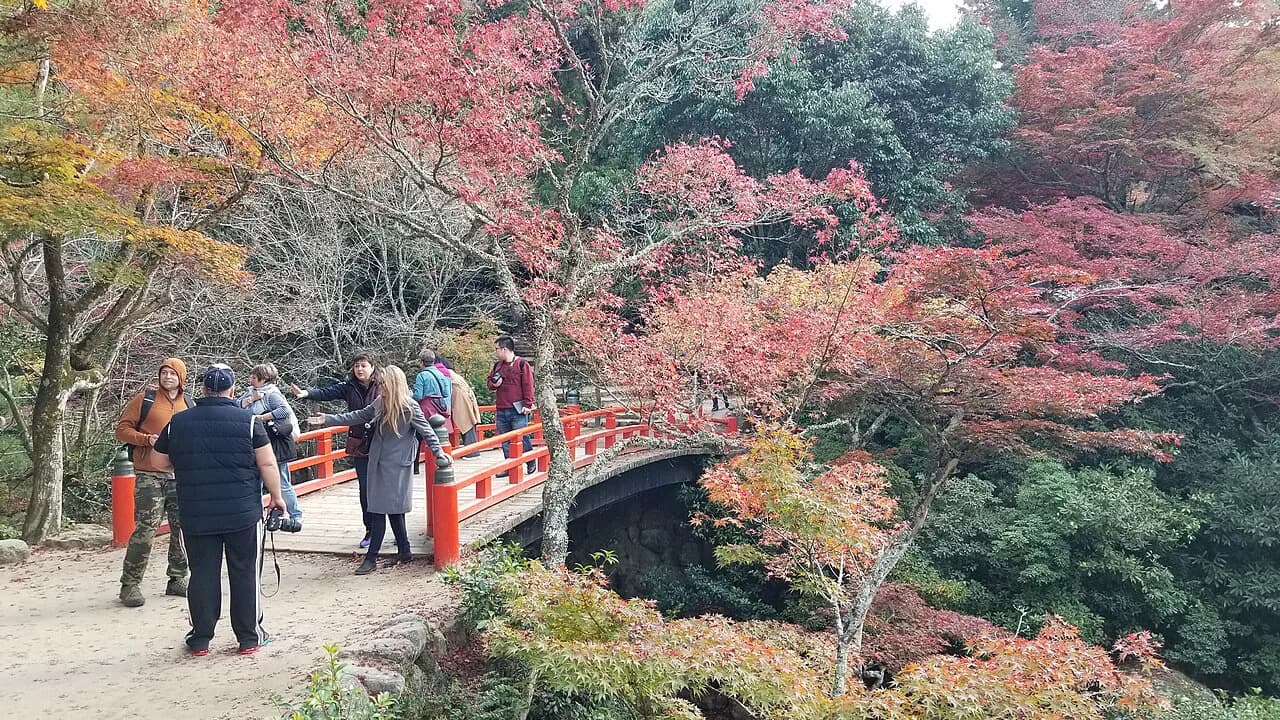
9 Best Cafes in Miyajima With a View of the Floating Torii Gate
The best cafes in Miyajima for 2026, ranked by torii gate views, specialty coffee, and quiet backstreets away from the Omotesando crowds.
On this page
Last updated July 2026, this guide to the best cafes in Miyajima sorts the island's coffee counters and tea houses by torii gate sightlines, specialty roasts, and quiet backstreets away from the Omotesando crowds. Pair it with the complete Miyajima visitor guide for the rest of the island's sights. For a route built entirely around eating, add the one-day food crawl itinerary instead.
Where to Sit: Omotesando, Machiya-dori, or the Hillside
Every cafe on Miyajima sits in one of three settings, and each comes with a trade-off. Omotesando puts you steps from the ferry and the Omotesando shopping street, but tables turn over fast at midday. Machiya-dori, the quieter lane one block back, trades convenience for room to actually sit down. The hillside route toward Daisho-in Temple climbs gradually and rewards the walk with fewer crowds and, at some spots, a wider view over the strait.
| Location | Vibe | Trade-off |
|---|---|---|
| Omotesando | Busy, central, torii-adjacent | Fastest access, least quiet, priciest seats with a view |
| Machiya-dori | Historic, residential, calmer | A short detour off the main street, less scenery |
| Hillside near Daisho-in | Wooded, uphill, quiet | Stairs and slopes; not stroller-friendly |
The 9 Best Cafes in Miyajima, Sorted by Vibe
Nine cafes below cover the range: torii sightlines, specialty coffee, and backstreet quiet. Signature orders, view details, and walking notes follow each entry so you can match a stop to the time and energy left in the day. These are cafe stops, not full sit-down meals. For proper dining, see the 10 Best Restaurants in Miyajima (2026): Where to Eat On the Island and at the Ferry Pier guide. The Miyajima food guide covers a broader overview across snacks and meals. Prices below are approximate; confirm current menus in person since small operators change seasonal items often.
- Cafe Hayashiya — Best for Torii Gate Views
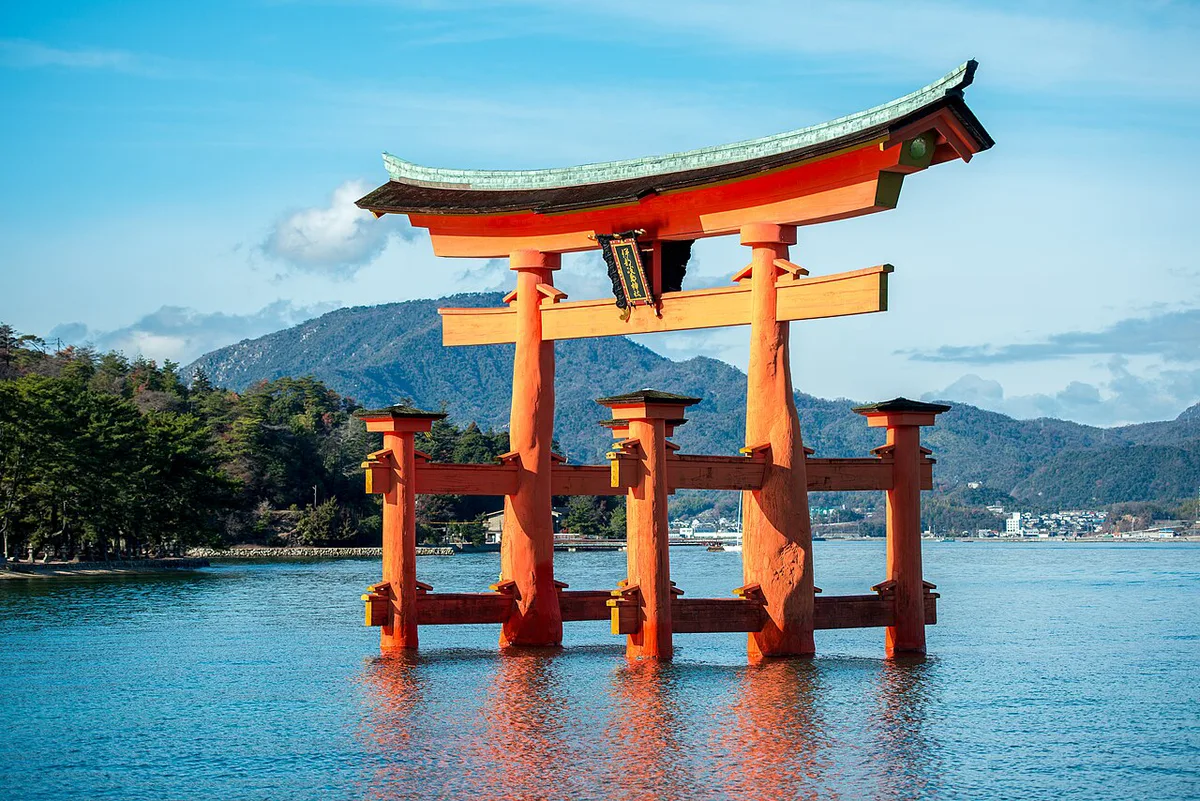
- Second-floor seating frames the O-Torii between wooden pillars, with the clearest sightline at high tide.
- The house order is a matcha and momiji manju set, priced around ¥800-¥1,000.
- It sits directly on Omotesando, a short walk from the ferry pier, so midday tables fill fast.
- Miyajima Coffee — Best for Specialty Coffee Nerds
- Pour-over and espresso rotate through single-origin beans, with counter seating for four or five.
- There's no torii view from here; the draw is the coffee itself rather than the scenery.
- If coffee isn't the goal, the sake brewery tasting guide covers the island's other specialty drink.
- Sarasvati — Best for Plant-Based Plates
- The menu builds around vegetable-forward set lunches, with soy or oat milk available for lattes.
- It sits on Machiya-dori, a block behind Omotesando, where the pace slows and the crowds thin fast.
- For a longer list of allergy-aware options, see the vegetarian and vegan food guide.
- Guesthouse Mikuniya Cafe Corner — Best for a Waterfront Lounge
- Seating faces the water, with a partial torii sightline depending on tide and season.
- It's geared toward overnight guests first, so walk-in seating can be limited around check-in time.
- Hours follow guest schedules rather than fixed retail hours, so confirm before making it the day's plan.
- Itsuki-an Tea House — Best for Traditional Matcha and Wagashi
- Tatami seating surrounds a set menu built around whisked matcha and seasonal wagashi.
- The walk up from the ferry pier climbs gradually toward Daisho-in Temple, suiting visitors comfortable with slopes.
- For the sweet's history and a shop-by-shop comparison, see the momiji manju guide.
- Kissa Enoki — Best for Escaping the Crowds
- Counter-only seating for about six sits on a side lane off Machiya-dori.
- The short menu leans toward drip coffee and toast rather than elaborate desserts.
- Cash is the safer bet at this scale of shop, so carry small bills.
- Momijidani Rest Cafe — Best for Refueling Before the Ropeway
- It sits near the Momijidani Park entrance, useful before or after the ropeway line up toward Mount Misen.
- Shaved ice covers the warmer months, with hot drinks and simple snacks once autumn cools the park down.
- Outdoor tables sit close to the park's maple trees, and deer do wander this far in, so keep food covered.
- Momiji Soft Cream Stand — Best for Desserts
- The signature order is soft-serve with a grilled momiji manju folded in, priced roughly ¥500-¥700.
- Seating is limited, so most guests eat standing or on a nearby bench.
- That makes it deer bait near the shrine exit, so keep the cone moving rather than setting it down.
- Hillside Forest-View Cafe — Best for Quiet Hillside Views
- Seating overlooks wooded hillside rather than the water, trading torii sightlines for quiet.
- The uphill approach rules out strollers and is difficult with mobility limitations.
- Hours run shorter than the Omotesando cluster, often closing by mid-afternoon outside peak seasons.
Tide Times, Deer, and Other Logistics for a Cafe Stop
Miyajima's tide cycle runs roughly every six hours, and it changes what a view cafe actually shows you. At high tide, the O-Torii appears to float; at low tide, its base and the surrounding mudflat show instead. Check the tide schedule before committing to a window seat, since the difference changes the photo entirely.
High tide creates the floating-torii look, but window seats fill fastest at that very moment. With a tide cycle running roughly every six hours, securing ideal viewing time becomes competitive—plan earlier than you might for a regular meal.
- Skip taking food to go near the waterfront
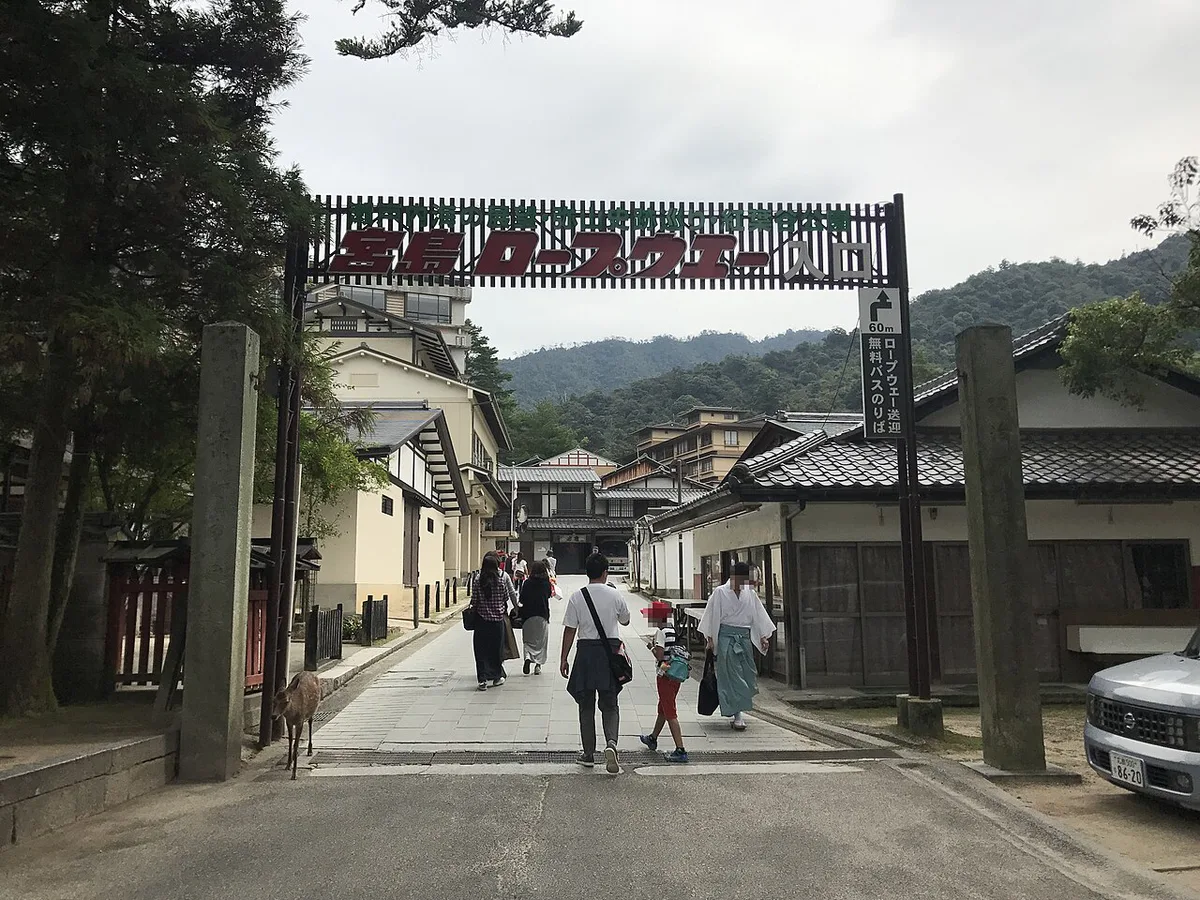
- Deer approach quickly and will pull at bags and wrappers, so eat at a table rather than walking with an open cup or cone.
- Time your visit around the midday crowd
- Arriving before 10:00 AM or after 3:00 PM avoids the busiest stretch around Omotesando.
- Plan for an early close
- Most cafes shut between 5:00 PM and 6:00 PM, so treat a cafe stop as a late-afternoon activity rather than an evening one.
- Check mobility needs before choosing a hillside spot
- Stairs and slopes near Daisho-in make strollers and wheelchairs difficult; Omotesando and Machiya-dori stay step-free.
- Budget the stop into a tight schedule
- If you're on a day trip from Hiroshima, place the cafe stop before the last ferry back rather than after it.
Plant-Based and Allergy-Friendly Options
Plant-based milk has become easier to find on the island, though not every cafe stocks it. Sarasvati, listed above, builds its menu around vegetable-forward plates and soy or oat milk lattes. A fuller list of allergy-aware and vegetarian options beyond coffee shops is in the vegetarian and vegan food guide, which covers full meals rather than just drinks. Momiji manju itself typically contains egg, dairy, and wheat, so ask before ordering if you're managing a specific allergy.
Pairing a Cafe Break with the Rest of Miyajima
A cafe stop works best slotted between two other activities rather than as the whole afternoon. Before a hillside cafe, walk through Momijidani Park and let the maples set up the view. After a sweets-focused stop, balance the sugar with something savory. The oyster guide covers grilled and raw options a few minutes from Omotesando. The anago meshi guide covers the other classic lunch nearby. Mornings built around temples and shrines pair well with the Miyajima attractions guide, which can route you to end near a cafe rather than start there. Guests staying overnight can also ask their ryokan or hotel whether breakfast is included, since some cafes double as the only other morning option before shops open.
Day-trippers face competing deadlines: most cafes close between 5:00 PM and 6:00 PM, blue-hour visits are rare, and ferry schedules determine the window. Overnight guests can extend into ryokan lounges after retail cafes close.
How to Plan a Blue-Hour Cafe Stop
Blue hour begins shortly after sunset, when the sky deepens and the O-Torii becomes a silhouette across the water. Most day-trip cafes close before this period, especially outside peak travel months.
For the best chance of staying through sunset, start near the waterfront rather than at a hillside cafe. Cafe Hayashiya offers the most convenient transition from a window view to the shoreline around Itsukushima Shrine. Guesthouse Mikuniya may keep later hours for guests, but walk-in access and seating are not guaranteed.
- Check the day’s sunset, tide, closing, and last-order times before choosing a cafe.
- Finish drinks before closing, then walk toward the shrine waterfront for unobstructed blue-hour views.
- Allow enough time to return to Miyajima Pier, since evening ferry services run less frequently than daytime departures.
Overnight visitors have more flexibility because they can use ryokan lounges or guesthouse common areas after retail cafes close. Day-trippers should treat the cafe as a sunset lead-in, not the final evening destination.
Further reading: Miyajima on Wikivoyage · Miyajima on Wikipedia
Frequently Asked Questions
Are there any cafes open late in Miyajima?
Most close between 5:00 PM and 6:00 PM, in line with the rest of the island's shops. A few guesthouse cafes, including the Mikuniya cafe corner listed above, keep more flexible hours tied to guest check-in rather than a fixed close time. Confirm current hours locally before planning an evening stop, since seasonal closures are common outside peak travel months.
Do you need a reservation for a cafe with a torii gate view?
Walk-in seating is standard at the Omotesando view spots, but window seats fill first around midday and at high tide. Arriving right at opening improves the odds of a table facing the gate. Groups larger than four should expect a wait during the busiest afternoon hours.
Can you see the Torii gate from most cafes in Miyajima?
No. Only a handful of Omotesando cafes positioned along the waterfront have a clear sightline to the O-Torii. Machiya-dori and hillside cafes trade that view for quieter seating and shorter waits, so pick based on which matters more that day.
Are Miyajima's cafes child-friendly?
Most Omotesando and Machiya-dori cafes accommodate families without issue, though seating is often small tables built for two or four. Strollers manage fine on the flat streets near the ferry pier but struggle on the uphill approach to Daisho-in and the hillside cafes. Ask staff about high chairs before assuming one is available, since many shops are too small to stock them.
What's the best time of day to visit a cafe with a view on Miyajima?
High tide gives the classic floating-gate look, so check the day's tide schedule before choosing a window seat. Early morning or mid-afternoon also avoids the peak lunch crowd on Omotesando. Late afternoon works if the cafe stays open past 4:00 PM, since the light softens and the day-trip crowds start thinning toward the last ferries.
Free guide: Japan's Hidden Gems
12 under-the-radar places beyond Tokyo & Kyoto — with the best season to visit each and a local tip you won't find in the guidebooks.
You might also like


Continue reading
More guides you'll find useful


