10 Best Restaurants in Miyajima (2026): Where to Eat On the Island and at the Ferry Pier
The 10 best restaurants in Miyajima for 2026 — anago meshi, grilled oysters, and the few kitchens still serving after Omotesando's 5 PM shutdown.
On this page
Last updated July 2026, this guide to the best restaurants in Miyajima sorts sit-down dining from the street-food stalls that crowd Omotesando Shopping Street. It separates island kitchens from the mainland spots at Miyajima-guchi, since a few of the most-cited names for conger eel rice actually sit across the ferry channel. Expect grilled-oyster specialists, a craft brewery with water views, and the handful of kitchens still serving once Omotesando's shutters start coming down around 5 PM.
The Miyajima Dining Survival Guide: Timing, Geography, and Deer
Most restaurants and food stalls on Miyajima run roughly from 10 AM to 5 PM, since the island is built around day-trippers who catch a return ferry before dark. That schedule creates a dinner shortage for anyone staying overnight, covered in detail further down. This list focuses on sit-down restaurants. The wider Miyajima food guide covers street snacks, cafes, and sake tastings in more depth. Food on the island breaks into three distinct areas, and knowing which one you're in changes what's actually open. Wild deer roam Omotesando and go after paper bags and food wrappers, so keep snacks out of sight until you're ready to eat. For ferry timing and a same-day plan, the Miyajima day trip from Hiroshima guide covers the crossing. Beyond food, the Miyajima island visitor guide gives a fuller overview of the whole trip.
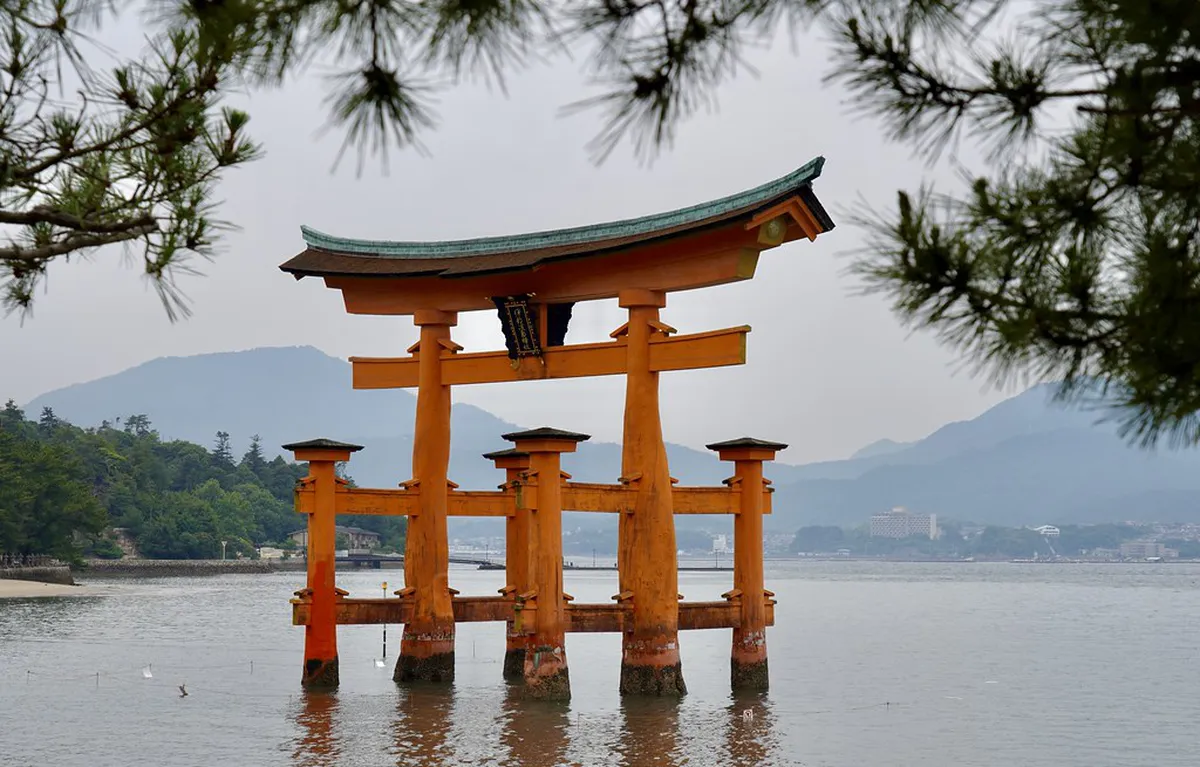
- Omotesando Shopping Street
- The main tourist strip, packed with street-food stalls and several of the sit-down spots on this list.
- Most vendors close by late afternoon, so treat it as a daytime stop rather than a dinner plan.
- Machiya-dori Backstreet
- A quieter parallel street one block back from Omotesando.
- Home to lower-key cafes such as Sarasvati, away from the daytime crowds.
- Miyajima-guchi (Mainland)
- The ferry terminal town across the channel, reachable by a short crossing.
- Some of the most-recommended names for conger eel rice, including Ueno, are actually here rather than on the island.
10 Best Restaurants in Miyajima
This list mixes island kitchens with mainland institutions at Miyajima-guchi, and flags which is which so you don't end up on an unplanned ferry ride. Each entry favors sit-down dining over the Omotesando food stalls, which get their own rundown further below.
- Fujitaya (Island Anago Meshi)
- Fujitaya sits on Miyajima itself and grills conger eel over charcoal in the traditional anago meshi style.
- Some travel write-ups still cite a Michelin mention from past guides; confirm current status directly before booking, since recognitions change year to year.
- See the anago meshi guide for a direct comparison between Fujitaya and Ueno.
- Anagomeshi Ueno (Miyajima-guchi, Mainland)
- Ueno sits at Miyajima-guchi on the mainland, not on the island, so budget a short ferry ride each way.
- Since Miyajima Station opened in 1897, the restaurant has served conger eel rice at the same location.
- It doesn't take reservations, and the kitchen closes once the day's conger eel sells out, so arrive before noon on busy days.
- Yakigaki no Hayashi (Grilled Oysters on Omotesando)
- Yakigaki no Hayashi grills oysters to order on Omotesando Shopping Street, with live oysters displayed out front.
- A lunch set with raw, grilled, and fried oysters plus oyster rice runs about ¥3,000, while three grilled oysters a la carte cost around ¥1,200.
- Lines wrap around the building at peak hours, so arrive before opening to skip the wait. Peak season runs November through February, and the Oyster Festival budget guide covers the February event.
- Kakiya (Oyster Specialist)
- Kakiya focuses only on oysters, served raw, grilled, fried, and baked in several styles.
- Ordering the Kakiya Set lets you sample multiple preparations in one sitting instead of paying by the piece.
- Winter (November–February) is peak oyster season here, same as at Yakigaki no Hayashi. Miyajima's oysters guide compares both against smaller oyster stalls nearby.
- Miyajima Brewery (Craft Beer With a View)
- Miyajima Brewery pours its own craft beers, a change from the standard national brands served elsewhere on the island.
- Its third floor has table seating and large windows facing the water, while the ground floor is a standing bar.
- A flight of three beers costs about ¥1,100, and service runs later than most Omotesando shops, making it one of the more reliable options after 5 PM.
- Itsuki Coffee (Specialty Roaster)
- Itsuki Coffee roasts and sells specialty-grade beans, a category that makes up a small share of the world's coffee supply.
- Its signature order is an iced au lait poured over coffee jelly, best after a hot afternoon walking to Itsukushima Shrine.
- A second branch, Itsuki Coffee the Terrace, operates at Miyajima-guchi on the mainland with its own menu, including a soft-serve version of the coffee jelly.
- Sarasvati (Machiya-dori Backstreet Cafe)
- Sarasvati sits on the quieter Machiya-dori backstreet, a block removed from the Omotesando crowds.
- Its menu runs to roasted coffee and pasta rather than seafood, a break from the oyster- and eel-heavy options nearby.
- For more backstreet and view options like this one, the Miyajima cafes with a view guide lists additional stops.
- Mametanuki (Izakaya Near the Pier)
- Mametanuki is an izakaya-style option near the ferry pier, built around small plates and drinks rather than a single specialty dish.
- It's one of the few kitchens on the island still serving once Omotesando's daytime shops start closing around 5 PM.
- Pair a stop here with a sake flight. Miyajima's sake brewery tasting guide covers where to taste locally before or after dinner.
- Okonomiyaki Matochan (Okonomiyaki, Oyster, Izakaya)
- Matochan serves Hiroshima-style okonomiyaki alongside oyster dishes and izakaya small plates, with a multilingual menu.
- Tabelog lists separate lunch (¥3,000–3,999) and dinner (¥2,000–2,999) price bands, confirming it keeps evening hours unlike many Omotesando shops.
- It closes on Tuesdays, so plan around that if dinner here is the anchor of the evening.
- Iwaso Ryokan (Kaiseki Dinner in Momijidani)
- Iwaso is a historic ryokan in the Momijidani area, known for multi-course kaiseki dinners built around seasonal Seto Inland Sea seafood.
- These dinners are typically reserved for overnight guests, so confirm the meal plan when you book your stay rather than assuming a walk-in table.
- For a look at what's nearby in fall, see the Momijidani Park guide.
Street Food Along Omotesando: What to Grab Between Meals
Beyond sit-down tables, Omotesando Shopping Street runs on grab-and-go snacks that pair well with a walk to Itsukushima Shrine. Expect to spend roughly ¥300–¥500 per snack, well under the ¥2,500–¥3,500 typical for a sit-down oyster set. Omotesando itself has its own dedicated guide covering the full stall lineup. See the Omotesando shopping street food guide for the complete rundown. For a route that strings several stops together with the meals above, follow the one-day food crawl itinerary.
- Oyster Curry Bread
- Big Set, a stall along Omotesando, is well known for this deep-fried snack filled with oyster curry.
- It's one of the more unusual island snacks, best eaten fresh and hot.
- Nigiri-ten (Fried Fish Cake Sticks)
- Grilled or fried fish cake on a stick, sold in flavors like onion, bacon, and cheese.
- A quick, inexpensive stop between sit-down meals.
- Momiji Manju (Steamed and Fried)
- The traditional steamed version comes filled with red bean, custard, or chocolate.
- A deep-fried version called Age-Momiji is sold at Momijido along the street. The momiji manju guide compares both versions in detail.
The Dinner Dilemma: Where to Eat in Miyajima After 5 PM
Overnight guests face a real problem: once Omotesando's shops close around 5 PM, options thin out fast. A small number of kitchens still serve dinner, and the table below lists the most reliable ones. Ryokan guests should confirm the kaiseki meal plan when booking. Walk-in dinner tables are scarce on the island after dark, and the Miyajima ryokan and hotel guide covers what's typically included.
Most restaurants run 10 AM to 5 PM to align with day-tripper ferries, a schedule that creates the island's primary dinner shortage and necessitates booking ryokan meal plans well in advance.
| Restaurant | Style | Why It Works After 5 PM |
|---|---|---|
| Miyajima Brewery | Craft beer, third-floor view seating | One of the few Omotesando-area spots still serving into the evening |
| Mametanuki | Izakaya near the ferry pier | Built around after-dark drinking and small plates |
| Okonomiyaki Matochan | Okonomiyaki, oyster, izakaya | Tabelog lists separate lunch (¥3,000–3,999) and dinner (¥2,000–2,999) price bands, confirming evening service |
Which Miyajima Restaurant Fits Your Trip?
Matching the pick to the trip saves time once you're on the island. Travelers with dietary restrictions should look beyond this list, since fish and shellfish dominate most menus here. The vegetarian, vegan, and halal food guide covers dedicated options before choosing a table. Combine any of the picks above with a broader look at the island via the Miyajima attractions guide.
Okonomiyaki Matochan charges ¥2,000–2,999 for dinner and serves after dark, offering families one of the few walkable evening options with casual seating and a multilingual menu.
| Traveler Type | Pick | Why |
|---|---|---|
| Families | Okonomiyaki Matochan | Familiar dish, casual seating, and a multilingual menu per Tabelog |
| Foodies and Connoisseurs | Fujitaya | Refined anago meshi cooked on the island itself |
| Quick Bite | Kaki Fuku Maru | Single grilled oysters from about ¥200–¥500 apiece, no full meal required |
| Best View | Miyajima Brewery | Third-floor seating with large windows over the water |
Pettara Pottara: Grilled Rice With Oyster or Conger Eel
Pettara pottara is a Miyajima street snack made from grilled rice topped with either an oyster or conger eel. The rice is pressed into a compact shape, glazed with a savory-sweet sauce, and grilled until the outside develops a light crust.
Choose the oyster version for another taste of Hiroshima’s best-known shellfish. The conger eel version offers a smaller alternative to a full bowl of anago meshi. Both are substantial enough to bridge the gap between breakfast and a later restaurant lunch.
Look for pettara pottara around the approach between the ferry terminal and Omotesando Shopping Street. It is cooked to order, so allow a few minutes during busy daytime periods. Eat it near the stall instead of carrying it through the deer-crowded streets. Miyajima’s deer may approach visible food and can also grab paper wrappers. Keep the snack covered until you find a clear place to stop.
For trip-planning details, see Miyajima - Wikivoyage.
Further reading: Miyajima on Wikivoyage · Miyajima on Wikipedia
Explore best restaurants in other cities
Frequently Asked Questions
Is Fujitaya on Miyajima or at Miyajima-guchi?
Fujitaya is on the island itself, inside the main visitor area near Itsukushima Shrine. Anagomeshi Ueno, its most-cited rival for conger eel rice, sits across the ferry channel at Miyajima-guchi on the mainland.
What time do restaurants close on Miyajima?
Most restaurants and food stalls run roughly from 10 AM to 5 PM, in line with day-trip ferry schedules. A short list of kitchens, including Miyajima Brewery, Mametanuki, and Okonomiyaki Matochan, serve later into the evening.
Where can overnight guests get dinner on Miyajima?
Overnight guests should plan ahead rather than expect a walk-in table after dark. Ryokan guests can book a kaiseki dinner plan directly through their stay, and a handful of izakaya and brewery-style spots near the pier stay open into the evening.
When is oyster season on Miyajima?
Oysters are available on Miyajima year-round, but peak season runs November through February. The island also holds an Oyster Festival in February, when demand and queues both increase.
Are there vegetarian options in Miyajima?
Seafood dominates most menus on the island, so vegetarian, vegan, and halal travelers should plan ahead rather than expect broad substitutions everywhere. A separate guide to vegetarian, vegan, and halal food in Miyajima lists specific options across the island.
Free guide: Japan's Hidden Gems
12 under-the-radar places beyond Tokyo & Kyoto — with the best season to visit each and a local tip you won't find in the guidebooks.
You might also like


Continue reading
More guides you'll find useful