Senbei-jiru vs Jappa-jiru: Aomori's Winter Hot Pot Guide (2026)
Aomori's senbei-jiru and jappa-jiru hot pots compared: Hachinohe cracker soup vs Aomori City cod stew, with 2026 prices, hours, and where to eat.
On this page
Last updated July 2026. Aomori senbei-jiru jappa-jiru hot pot culture splits along old regional lines, with chewy wheat crackers on one side and a whole-fish cod stew on the other. Senbei-jiru comes from Hachinohe and the Nanbu side of the prefecture, while jappa-jiru comes from Aomori City and the Tsugaru side. This guide breaks down what goes into each bowl, when to order which one, and where in Aomori Prefecture to find both.
Aomori's Senbei-jiru and Jappa-jiru Hot Pot, Explained
Hachinohe and the surrounding Nanbu area serve senbei-jiru, a soy-based broth thickened with unglazed wheat crackers. Aomori City and the Tsugaru area serve jappa-jiru, a cod stew built from the whole fish rather than a fillet. Nanbu covers the eastern side of this divide and Tsugaru covers the western side, so the two dishes work almost like a food map of the prefecture. A single bowl of either dish typically costs ¥600 to ¥1,200, with full set meals running ¥1,500 to ¥2,500. For a broader look at what else to eat around the region, the Aomori food guide covers the rest of the prefecture's specialties. If your trip crosses between the two food cultures, a Hirosaki day trip from Aomori</a> fits in without much extra planning.
Senbei-jiru: Hachinohe's Cracker Hot Pot
Otsuyu senbei are the crackers that make this dish work, and they differ from the snack-style Nanbu senbei sold in gift shops. They're made specifically to hold together in broth rather than crumble. Drop a regular snack cracker into hot soup and it dissolves within minutes. Chicken dashi and soy sauce form the standard broth, though salt-based versions with mackerel dashi and miso-based bowls also turn up depending on the restaurant. Burdock root, carrot, mushrooms, and long green onion round out the pot, with chicken as the usual protein. The dish traces back to the former Hachinohe domain in the late Edo period, when the cold Yamase wind made rice farming unreliable and wheat crackers became a preserved staple. A Hachinohe citizens' group formed in 2003, the Hachinohe Senbei-jiru Research Institute, helped popularize the dish nationally and sparked the B-1 Grand Prix food-festival movement. Senbei-jiru is served year-round in Hachinohe, though menu prominence peaks in winter. Timing controls the texture, so watch the clock once the crackers go into the pot.
Crackers soften progressively based on broth time, reaching fully soft texture past 10 minutes. Maintaining the signature al dente bite requires staying within the 2–7 minute window.
- 2 to 3 minutes: a firm, pasta-like al dente bite
- 5 to 7 minutes: softer and noticeably more chewy
- 10 minutes or more: fully soft, close to a dumpling
Jappa-jiru: Tsugaru's No-Waste Cod Stew
Jappa means odds and ends in the local Tsugaru dialect, and the dish lives up to the name. Cooks use the whole cod, including the head, bones, and liver, alongside the fillet. That whole-fish approach reflects a fishing-town habit of wasting nothing edible. Daikon and leeks fill out the pot, simmered in a broth that runs either salty or miso-based depending on the household or restaurant. Cod season anchors the dish to winter, with jappa-jiru at its best from December through February. Order it outside those months and you likely won't find it on the menu. Bones and collagen from the whole fish give the broth a heavier body than a filleted seafood soup, so expect a rustic bowl rather than a clean, boneless one. Anyone timing a winter visit around the season should check the Best Time To Visit Aomori: 10-Point Seasonal & Travel Guide guide before booking. Furukawa Market in Aomori City is the most direct way to see the whole-fish approach in action. The Furukawa Market seafood guide covers the stalls worth browsing before or after a bowl.
Senbei-jiru vs Jappa-jiru: Which Hot Pot Fits Your Trip
Both dishes solve the same problem, staying warm through an Aomori winter, but they get there differently. The table below lines up the basics side by side.
| Feature | Senbei-jiru | Jappa-jiru |
|---|---|---|
| Broth base | Soy sauce with chicken dashi (salt or miso variations exist) | Salty or miso-based, built on whole cod |
| Main ingredient | Otsuyu senbei wheat crackers | Whole cod, including head, bones, and liver |
| Texture | Chewy, al dente crackers when timed right | Rustic, bony, soft fish |
| Best region | Hachinohe and the Nanbu area | Aomori City and the Tsugaru area |
| Best season | Year-round, peaks in winter | December through February |
- Pick senbei-jiru for a hearty, carb-heavy bowl with a distinct chewy bite.
- Pick jappa-jiru for a seafood-forward, fisherman-style stew with a rustic edge.
Where to Eat: Hachinohe and Aomori City
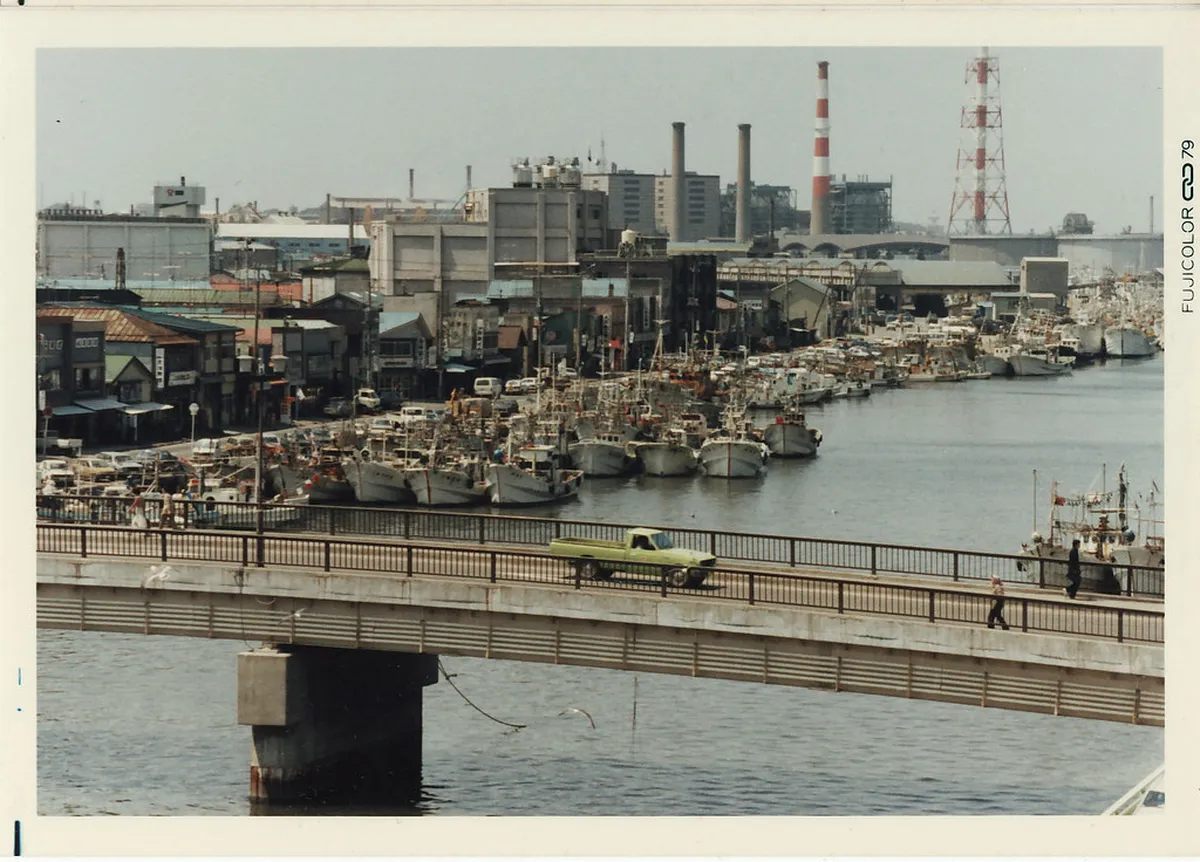
Hachinohe is the place to order senbei-jiru. Miroku Yokocho, a compact alley of small eateries near the city center, is a practical starting point for a first bowl. The Mutsu Minato port area also has casual dining spots serving the dish alongside broader Nanbu-style set meals. Menus and hours vary by restaurant, so confirm current listings before you go. Aomori City is the base for jappa-jiru, and Furukawa Market anchors that side of the food scene. Izakayas near Aomori Station round out the options, often folding jappa-jiru into a wider set menu. Hachinohe and Aomori City are separate stops, so transport planning matters. The getting to Aomori guide covers how to move between the two. Basing a stay near either city keeps both food cultures workable in one trip. The where to stay in Aomori guide breaks down the options. Winter visitors adding snow season activities to the trip can pair a bowl with time at the Hakkoda Mountains.
Both regional centers serve similarly priced dishes (¥600 to ¥1,200 per bowl), but Aomori City's jappa-jiru appears only December through February while Hachinohe's senbei-jiru is available year-round.
Costs, Hours, and Souvenirs to Bring Home
Budget matters little for either dish. A single bowl runs ¥600 to ¥1,200, and a full set meal runs ¥1,500 to ¥2,500, as a general guide. Lunch service typically runs 11:00 to 14:00, and dinner service typically runs 17:00 to 21:00, though hours vary by restaurant. Retort pouches of both soups, along with packs of otsuyu senbei crackers, travel well if you want to bring the flavor home. Pair either bowl with a warm local pour. The Aomori sake and local drinks guide has options. A second Aomori specialty worth working into the same trip is Aomori's curry-milk ramen, a completely different flavor profile from either hot pot. Either dish also fits naturally into a longer How Many Days In Aomori: 10 Planning Essentials built around winter food.
Common Mistakes to Avoid
A few habits ruin either dish fast. Keep these three points in mind and you'll get the bowl the regional dish is meant to be.
- Don't use snack-style Nanbu senbei for a home pot; they disintegrate almost immediately.
- Don't leave the crackers in the broth past 10 minutes if you want any bite left.
- Don't expect jappa-jiru to be a clean, boneless fish soup; it's a rustic, bony stew by design.
Further reading: Aomori on Wikivoyage · Aomori on Wikipedia
Frequently Asked Questions
What's the difference between senbei-jiru and jappa-jiru?
Senbei-jiru is a Hachinohe hot pot built on soy-based broth with chewy wheat crackers called otsuyu senbei. Jappa-jiru is an Aomori City stew built on the whole cod, including the head and bones, in a salty or miso-based broth.
When is jappa-jiru in season?
Jappa-jiru follows the cod catch and is best from December through February. Senbei-jiru is available year-round in Hachinohe, though it's most prominent on winter menus.
How much does a bowl of either hot pot cost?
A single bowl typically runs ¥600 to ¥1,200. A full set meal with sides typically runs ¥1,500 to ¥2,500.
Where can travelers try senbei-jiru and jappa-jiru?
Senbei-jiru is easiest to find in Hachinohe, including around Miroku Yokocho and the Mutsu Minato area. Jappa-jiru centers on Aomori City, with Furukawa Market as a reliable starting point.
Can you make either dish at home?
Senbei-jiru works at home if you use otsuyu senbei rather than snack-style crackers, since the snack version falls apart in broth. Jappa-jiru is harder to replicate outside Aomori because it depends on whole fresh cod, including the head and liver, which isn't commonly sold that way elsewhere.
Free guide: Japan's Hidden Gems
12 under-the-radar places beyond Tokyo & Kyoto — with the best season to visit each and a local tip you won't find in the guidebooks.
You might also like


Continue reading
More guides you'll find useful