

Hachinohe Enburi Festival Guide: Schedule, Styles & Planning Tips
Plan your visit to the Hachinohe Enburi Festival with a guide to Naga vs Dosai dances, Issei-zuri mass performances, and essential winter logistics.
On this page
Last updated August 2026: the Hachinohe Enburi Festival fills Aomori Prefecture's second-largest city with tayu dancers in tall, horse-head-shaped eboshi hats every February. Held February 17-20 each year in downtown Hachinohe, the four-day event traces its roots to a Kamakura-era rice-planting ritual, with dawn shrine ceremonies and a 30-troupe mass dance among its highlights. This guide covers the two dance styles, the full venue schedule, and cold-weather logistics for standing outside in Tohoku's coldest month.
What Is the Hachinohe Enburi Festival?
Hachinohe Enburi is a folk dance festival held every February in Hachinohe, a coastal city in Aomori Prefecture. Troupes of tayu dancers move through the streets and city venues, praying for an early spring and a strong rice harvest. The festival is designated a National Important Intangible Folk Cultural Property, and it ranks among the Tohoku region's five major snow festivals. Its roots trace to the Kamakura era, roughly 1185 to 1333. Retainers of Nanbu clan founder Mitsuyuki Nanbu are said to have broken into an impromptu sword dance at a New Year gathering. A farmer named Tokuro picked up his field tools and turned the commotion into a rice-planting song, an event credited as enburi's origin. Authorities nearly suppressed the tradition during the Meiji era, treating its door-to-door performances as a public nuisance. A local leader named Tamon Osawa revived it as a formal shrine ritual, called Honensai, at Chojasan Shinra Shrine, and that revived form is what survives today. Hachinohe Enburi sits on Aomori's broader festivals and events calendar alongside events in other cities. This year's edition already took place in February. The next edition runs February 17-20, 2027, on the same fixed dates the festival keeps every year.
Naga-enburi vs Dosai-enburi: Which Dance Style to Watch
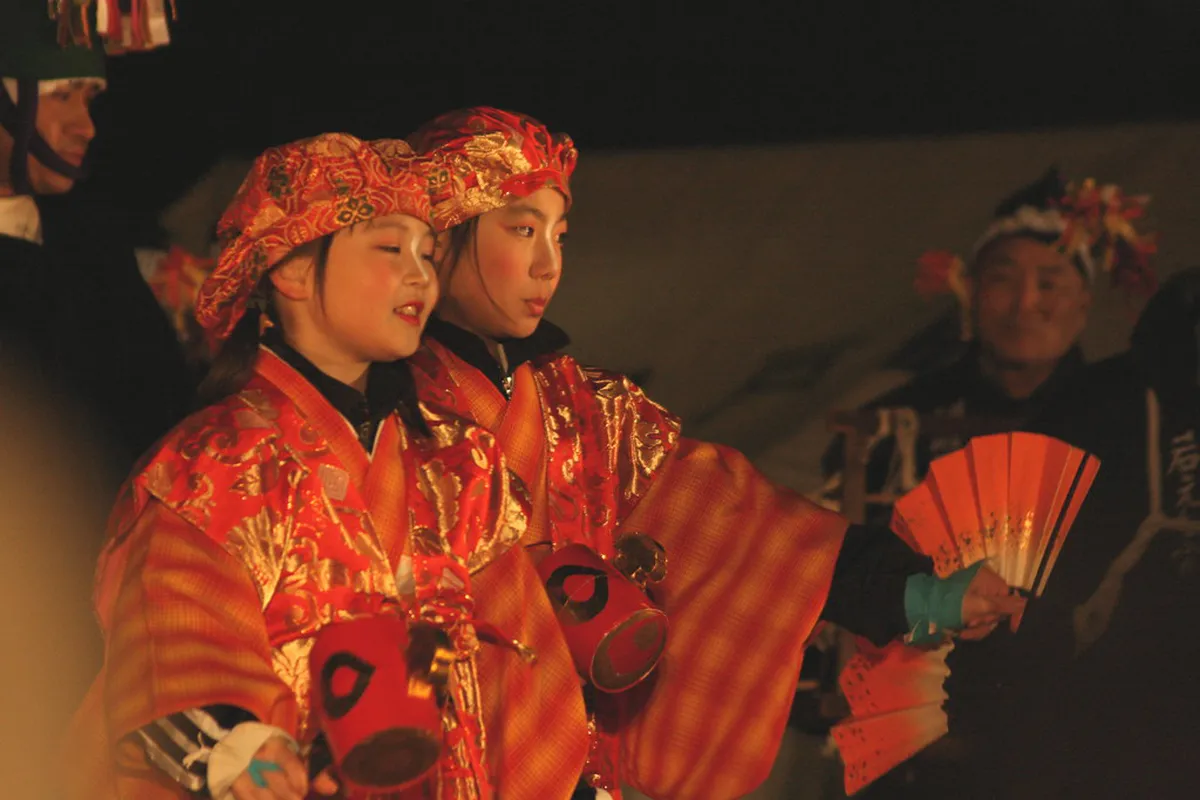
Two distinct dance styles appear throughout the festival, and telling them apart helps you plan which performances to catch. Naga-enburi is the older, more formal style, built on slow tempo and deliberate gestures. Its lead dancer, called Tokuro, wears an eboshi trimmed with red peonies or white deutzia blossoms, and dancers carry kandai, or hoe-handle props. Dosai-enburi is faster and more physical, with every tayu moving in unison. Its eboshi hats carry five-colored tassels known as maegami, and dancers carry jangi, staffs fitted with metal pieces that clatter with each head-swing. Watch for the suri motion in both styles. It is a wide, sweeping swing of the head and eboshi that mimics sowing seed by hand. Both styles descend from the same suri sequence, but the tempo difference is easy to spot within the first few seconds of watching.
| Style | Tempo | Costume Detail | Best For |
|---|---|---|---|
| Naga-enburi | Slow, graceful | Red peonies or white deutzia blossoms on the eboshi; dancers carry kandai (hoe handles) | Slow, deliberate shots of the head-swing |
| Dosai-enburi | Fast, synchronized | Five-colored maegami tassels on the eboshi; dancers carry jangi (metal-fitted staffs) | Action shots and video of unison movement |
Hachinohe Enburi Schedule: Issei-zuri, Kagaribi Enburi, and Oniwa Enburi
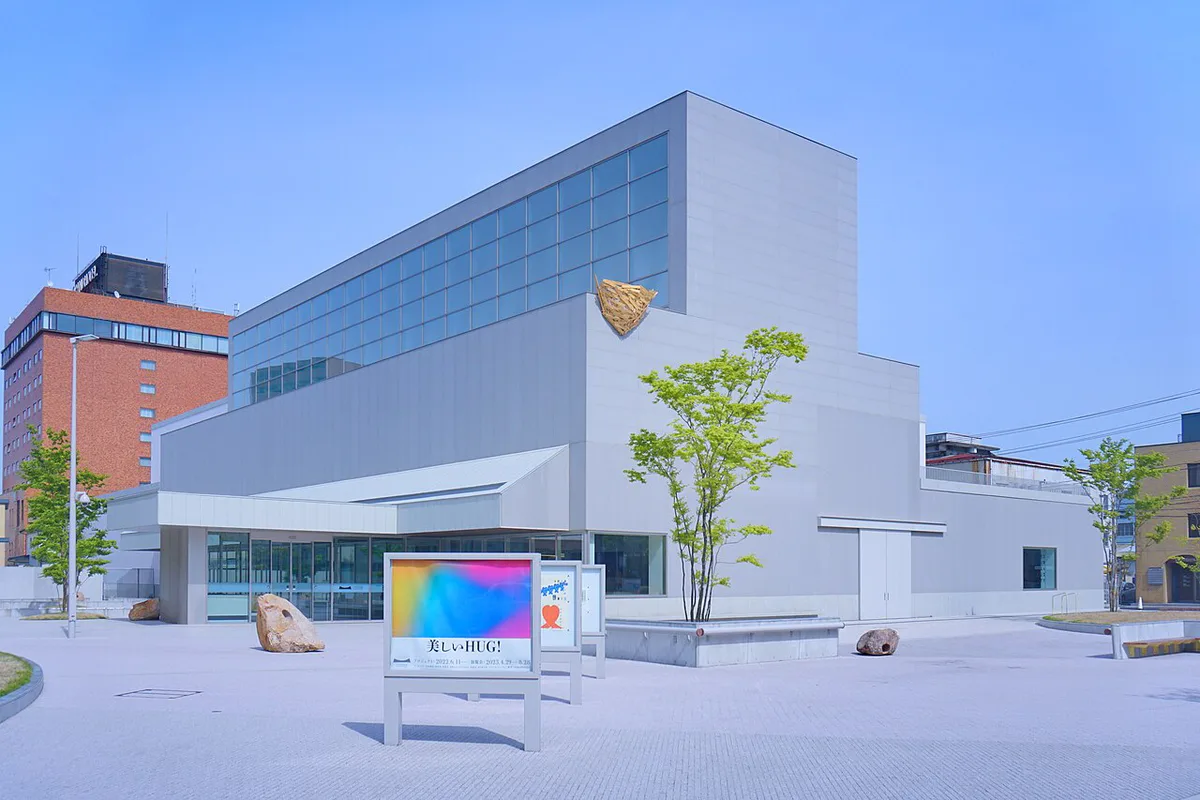
The festival runs four full days, and each day layers a different rhythm of performances. Day one opens before sunrise with the Hono dedication at Chojasan Shinra Shrine, followed by a procession into downtown Hachinohe. Around 30 troupes then converge for the Issei-zuri mass dance, performed at 10:40 AM to 11:20 AM on February 17 in the city center. Every night from February 17 through 20, Kagaribi Enburi lights up City Hall's Citizen Square with bonfire performances at 6:00 PM, 7:00 PM, and 8:00 PM. Oniwa Enburi runs the same four nights in the garden of Kojokaku, a preserved Meiji-era merchant residence, with seatings at 5:00 PM and 7:15 PM. Indoor seating is available too. The Enburi Performance at SG GROUP Hall Hachinohe runs 1:00 PM to 4:00 PM on February 17 and 18. Evening shows follow at 5:00 PM and 7:15 PM, a good option if you want to watch out of the wind. Historic Site Nejo Enburi adds two midday shows, on February 18 and 19, staged in front of the reconstructed Nejo Castle site.
| Event | Venue | Typical Time | Admission |
|---|---|---|---|
| Hono (Dedication) | Chojasan Shinra Shrine | 7:00 AM, Feb 17 | Free |
| Issei-zuri (Mass Dance) | Hachinohe city center | 10:40-11:20 AM, Feb 17 | Free |
| Kagaribi Enburi (bonfire) | City Hall Citizen Square | 6:00, 7:00, 8:00 PM nightly, Feb 17-20 | Free |
| Oniwa Enburi | Kojokaku garden | 5:00 PM and 7:15 PM nightly, Feb 17-20 | ¥3,500-4,000, advance ticket only |
| Enburi Public Performance | City Hall Citizen Square | 1:00 PM and 2:00 PM, Feb 19-20 | Free |
| Historic Site Nejo Enburi | Nejo Castle site | 11:00 AM-12:00 PM, Feb 18-19 | ¥250 general / ¥150 student / free for kids |
Inside an Enburi Troupe: Tayu Dancers, Eboshi Hats, and Children's Dances
Each enburi troupe, called an enburi-gumi, carries 20 to 30 members between dancers, musicians, and support staff. More than 30 individual troupes take part across the four days, each maintaining its own repertoire and dance lineage. The tayu are the main dancers, led by a senior performer called Tokuro, who wears the tallest and most elaborate eboshi. Eboshi hats are shaped to resemble a horse's head. The suri swing recreates the motions of sowing seed and leveling a rice paddy. That leveling tool, the eburi, gives the festival its name. Ohayashi musicians accompany the tayu with taiko drums, flutes, and handheld gongs called tebiragane. Between suri dances, children perform shukufukumai, or blessing dances. Audiences often single these out as festival highlights. Ebisu-mai has a child play the fishing god Ebisu, reeling in a sea bream as a symbol of good fortune. Daikoku-mai, performed with a small mallet and a fan, honors Daikokuten, the god of wealth. Enko Enko has children spin coin-decorated zenidaiko drums to a folk song about prosperity.
Getting to Hachinohe: Trains, Stations, and Where to Stay
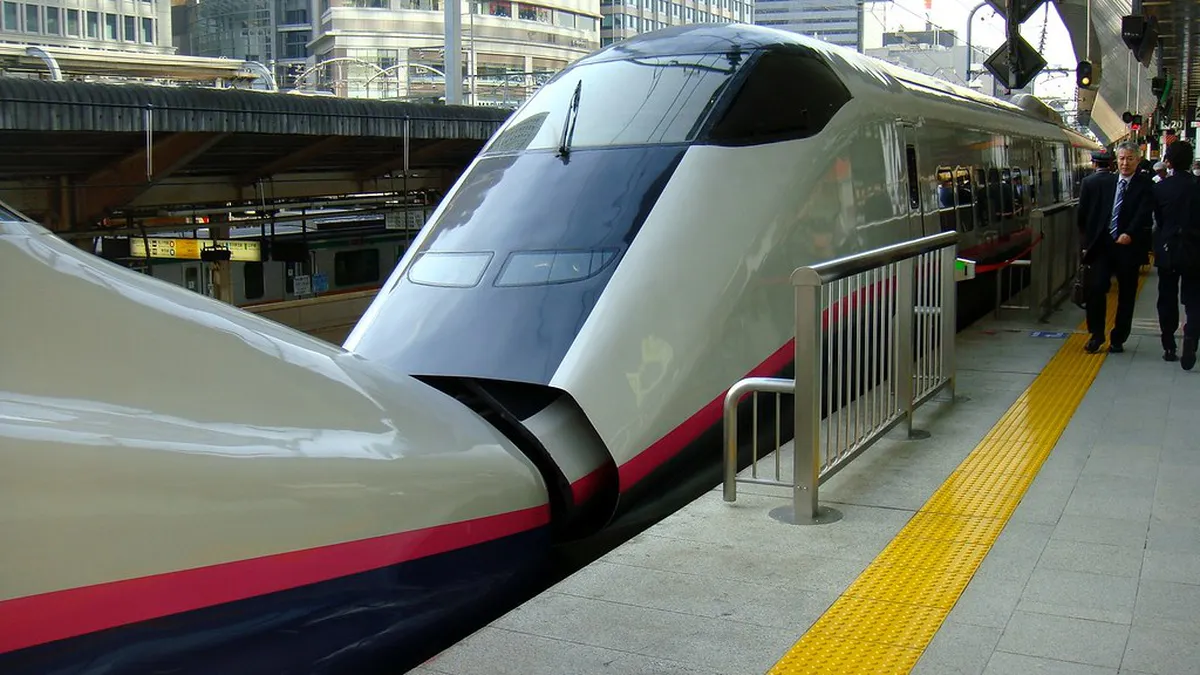
Most visitors arrive on the Tohoku Shinkansen, which stops at Hachinohe Station. That is not the festival hub. From Hachinohe Station, transfer to the local Hachinohe Line and ride two stops to Hon-Hachinohe Station, which sits closest to the main venues. Chojasan Shinra Shrine is roughly an 11-minute walk from Hon-Hachinohe Station. City Hall's Citizen Square, where Kagaribi Enburi and the Gozen Enburi performance take place, is about a 9-minute walk. Kojokaku, the Oniwa Enburi venue, is around 15 minutes on foot. The Nejo Castle site sits farther out, near Naganawashiro Station on the same Hachinohe Line. From there, it is a 26-minute walk or a 6-minute bus ride. For sleeping, look at hotels near Hon-Hachinohe or Hachinohe's Yokocho bar-alley district, both closer to the action than lodging near the Shinkansen station. Travelers already based in Aomori City's Aomori Bay Bridge And A-factory Travel Guide can reach Hachinohe by Shinkansen and transfer the same way. Pair the festival with a day of Aomori city sightseeing before or after, since the Shinkansen link makes combining the two straightforward. Check How To Get To Aomori: 10 Essential Routes and Travel Tips for wider regional transport context. See the best time to visit Aomori if you are weighing February against other seasons. If Hachinohe is one stop on a longer trip, fold it into a broader How Many Days In Aomori: 10 Planning Essentials that covers the rest of the prefecture. If a Hirosaki detour also fits, see the trip from Aomori to Hirosaki for the connection.
Most visitors arriving at Hachinohe Station wait there expecting the festival, but they must transfer two stops on the local Hachinohe Line to Hon-Hachinohe, where all main venues actually occur.
Tickets and Costs: What's Free and What You Need to Book
Most of Hachinohe Enburi costs nothing. Hono, the procession, Issei-zuri, Gozen Enburi, Kagaribi Enburi, and the Enburi Public Performance are all free to watch. Historic Site Nejo Enburi is the one exception, with tiered admission to the Nejo Plaza grounds listed below. Oniwa Enburi is the only performance that requires booking ahead. Tickets run ¥3,500 to ¥4,000 depending on the seating and souvenir package, and the price includes hot amazake and a bowl of senbei-jiru served in Kojokaku's garden. Tickets go on sale in advance through Lawson and Ministop Loppi terminals nationwide, and evening dates do sell out. Confirm the current release date and any updated 2027 lineup on the official Hachinohe tourism site before you plan around one specific night.
Issei-zuri crowds stand 40 minutes or more on frozen pavement; Oniwa Enburi (¥3,500 to ¥4,000) offers reserved seating, hot amazake, and senbei-jiru in sheltered gardens.
- Nejo Plaza admission, adults: ¥250
- Nejo Plaza admission, high school and university students: ¥150
- Nejo Plaza admission, elementary and junior high school students: free
Hachinohe Enburi Food: Senbei-jiru and Festival Stalls
Senbei-jiru is Hachinohe's signature winter dish, a soup built on a broth of chicken or pork simmered with vegetables and unglazed wheat crackers that soften into dumpling-like bites. It counts as regional comfort food across Aomori, not just at festival time. See Aomori's food scene for other dishes worth seeking out beyond Hachinohe. Oniwa Enburi ticket holders get a bowl of senbei-jiru and a cup of hot amazake included with entry to Kojokaku. Outside the garden, food and drink stalls set up at City Hall's Citizen Square, running from 12:00 PM to 9:00 PM on each of the four festival days. Stalls sell senbei-jiru, grilled skewers, and other hot food suited to standing outside in February. For a summer comparison, see Nebuta Matsuri's food stands in Aomori City.
Mistakes to Avoid and Cold-Weather Packing Tips
The most common mistake is waiting at Hachinohe Station for the parade to pass. It never does. Issei-zuri, Kagaribi Enburi, and the Gozen Enburi performance all happen downtown near Hon-Hachinohe Station, a separate stop two stops away. Arrive at the city center before the 10:40 AM start if you want an unobstructed view, since Issei-zuri draws the festival's largest daytime crowd. Aomori in February runs well below freezing, and the Issei-zuri crowd stands on open pavement for 40 minutes or more. Dress for that duration, not for a quick photo stop. Kairo, the disposable heat packs sold at Japanese convenience stores, work best stuck to the outside of your socks or boots, since feet lose heat fastest on frozen ground. Bonfires light the Kagaribi Enburi performance on purpose, so skip the flash. Flash photography washes out that glow and can distract the dancers.
- Kairo heat packs for feet and hands
- An insulated thermos with a hot drink
- Spare camera batteries, since cold drains them fast
- Waterproof, grippy boots for icy pavement
- A scarf or face covering for windchill
How Hachinohe Enburi Compares to Aomori's Other Festivals
Hachinohe Enburi is a February event built around prayer and precision dance, which sets it apart from Aomori's summer festival calendar. Aomori City's Nebuta Matsuri runs in August with illuminated float parades and taiko drumming, a different scale and season entirely. Hirosaki's Neputa Matsuri, also in August, uses fan-shaped lit floats rather than dancers. The Hirosaki tourism office covers its route and viewing spots in detail. Farther north, Goshogawara's Tachineputa Matsuri parades floats that can reach roughly 75 feet tall, among the tallest in the region. If winter festivals are the draw, check Aomori's other winter festivals and illuminations for events that pair naturally with an Enburi trip. Pairing the two makes sense logistically, since both fall in the same winter window rather than requiring a second trip to Aomori.
Choosing Daytime or Night Performances
Choose a daytime performance if you want to see the dance details clearly. Issei-zuri offers the biggest concentration of troupes, while Nejo Enburi adds a historic setting. Daylight also makes it easier to photograph the eboshi decorations and follow each troupe’s formation.
Choose an evening performance for atmosphere. Kagaribi Enburi at Citizen Square is lit by bonfires, while Oniwa Enburi at Kojokaku is a more intimate ticketed experience with food and seating. Night events feel more dramatic, but cold and low light make them less comfortable for long outdoor viewing.
- Daytime: best for clear photos, crowd-scale viewing, and the February 17 Issei-zuri.
- Kagaribi Enburi: best for free bonfire-lit performances downtown.
- Oniwa Enburi: best for a reserved garden setting with amazake and senbei-jiru.
If you only have one evening, book Oniwa Enburi early. If you prefer flexibility, arrive early for Kagaribi Enburi and dress for extended time outdoors.
Frequently Asked Questions
What is the Hachinohe Enburi Festival?
Hachinohe Enburi is a winter dance festival held every February in Hachinohe, Aomori Prefecture. Tayu dancers wearing horse-head-shaped eboshi hats perform a sweeping suri motion that mimics rice planting, and the whole event prays for an early spring and a good harvest. It holds National Important Intangible Folk Cultural Property status.
When is the Hachinohe Enburi Festival in 2027?
The festival keeps the same fixed dates every year: February 17 through 20. Most daytime events, including Issei-zuri, happen on the morning of February 17, while Kagaribi Enburi and Oniwa Enburi run every night of the four-day run. Confirm exact 2027 performance times on the official Hachinohe tourism site closer to the date, since venue timing can shift slightly.
What's the difference between Naga-enburi and Dosai-enburi?
Naga-enburi is the older, slower style, danced with graceful gestures and an eboshi decorated with red peonies. Dosai-enburi is faster and more physical, with every dancer moving in perfect unison and eboshi trimmed in five-colored tassels. Photographers often prefer Dosai-enburi for action shots and Naga-enburi for slower, more deliberate composition.
Do you need tickets for the Hachinohe Enburi Festival?
Most performances are free, including Issei-zuri, Kagaribi Enburi, and the daytime public performances at City Hall. Historic Site Nejo Enburi charges a small admission fee to enter Nejo Plaza. Oniwa Enburi is the one performance that requires an advance ticket. Prices run about ¥3,500 to ¥4,000 depending on the package. Tickets sell through Lawson and Ministop Loppi terminals, and evening dates can sell out.
Which train station should you use for Hachinohe Enburi?
Use Hon-Hachinohe Station, not Hachinohe Station where the Tohoku Shinkansen arrives. From Hachinohe Station, transfer to the local Hachinohe Line and ride two stops to Hon-Hachinohe. Most festival venues, including Chojasan Shinra Shrine and City Hall's Citizen Square, sit within a 15-minute walk of that stop.
What should you wear to Hachinohe Enburi?
Dress for standing outdoors on frozen pavement for 40 minutes or longer, especially during Issei-zuri and Kagaribi Enburi. Layer thermal base layers under a heavy coat, and add waterproof, grippy boots for icy ground. Pack kairo heat packs for your feet and hands, plus a thermos and spare camera batteries, since cold weather drains batteries fast.
Can you photograph the Hachinohe Enburi Festival?
Daytime performances like Issei-zuri and the Enburi Public Performance welcome photography without restriction. During Kagaribi Enburi, turn off your flash so you don't wash out the bonfire light or distract dancers. Oniwa Enburi is more intimate, so check with staff before using a tripod in the Kojokaku garden.
Free guide: Japan's Hidden Gems
12 under-the-radar places beyond Tokyo & Kyoto — with the best season to visit each and a local tip you won't find in the guidebooks.
You might also like


Continue reading
More guides you'll find useful


