

Goshogawara Tachineputa Matsuri: A Guide to Aomori's Tallest Festival Floats
Plan the Goshogawara Tachineputa Matsuri: 2026 dates, reserved-seat prices, and how to get to and from Aomori or Hirosaki for Japan's tallest festival floats.
On this page
Last updated August 2026. The Goshogawara Tachineputa Matsuri fills five August nights with standing floats over 20 meters tall, the tallest in Aomori Prefecture's festival lineup. This guide is part of the wider 10 Best Aomori Festivals and Events for Every Season (2026 Guide) guide. It covers 2026 dates, ticket costs, and the late-night trains back to Aomori or Hirosaki.
What Is the Goshogawara Tachineputa Matsuri?
Goshogawara sits in the Tsugaru region of Aomori Prefecture. Its Tachineputa Matsuri ranks among the four largest festivals in the region, alongside Aomori Nebuta, Hirosaki Neputa, and the Kuroishi Yosare Festival. That ranking comes from Amazing AOMORI's official listing. Tachineputa translates roughly to 'standing neputa,' a name that fits since these floats reach 23 meters (75 feet) tall and weigh 19 tons (£38,000) each. Written records of oversized neputa floats in Goshogawara date back to 1907, when wealthy landowners competed to build the tallest one. Two town fires later destroyed the original blueprints, and the tradition faded for decades until surviving schematics resurfaced in 1993, reviving the modern festival. Three of the largest floats live year-round at the Tachineputa-no-Yakata museum near the station, and 15 floats of various sizes join the actual parade.
- Dates: August 4-8 every year (fireworks August 3)
- Location: central Goshogawara, near JR Goshogawara Station
- Float size: 23 meters (75 feet) tall, 19 tons (£38,000)
- Parade hours: 7:00 PM to 9:00 PM nightly
Goshogawara vs. Aomori vs. Hirosaki: Which Festival Should You Choose?
Aomori, Hirosaki, and Goshogawara each hold their signature float festival within days of each other every August. Aomori's Nebuta Matsuri centers on wide, horizontal warrior floats and pulls the largest crowds in the prefecture. Hirosaki's Neputa Matsuri uses flat, fan-shaped floats. Goshogawara stands apart on scale alone, with tachineputa floats that rise 23 meters (75 feet), taller than any float in the other two cities. This table lines up all three. Goshogawara's parade route runs through a far smaller city than Aomori or Hirosaki, so finding a viewing spot is easier even though its floats are the tallest in the region. If only one festival fits the schedule, base the choice on what matters most. Goshogawara wins on sheer height. Aomori wins on crowd energy and scale.
| Festival | Float Style | Float Size | Overall Feel |
|---|---|---|---|
| Aomori Nebuta Matsuri | Wide, horizontal warrior floats | Built for width, not height | Largest crowds in the prefecture |
| Hirosaki Neputa Matsuri | Flat, fan-shaped floats | Broad, flat-fronted design | Castle-town setting, steadier pace |
| Goshogawara Tachineputa Matsuri | Standing, vertical floats | 23m / 75ft tall, 19 tons / 38,000 lb | Small-city scale, floats tower over narrow streets |
Essential Logistics: Dates, Tickets, and Timing
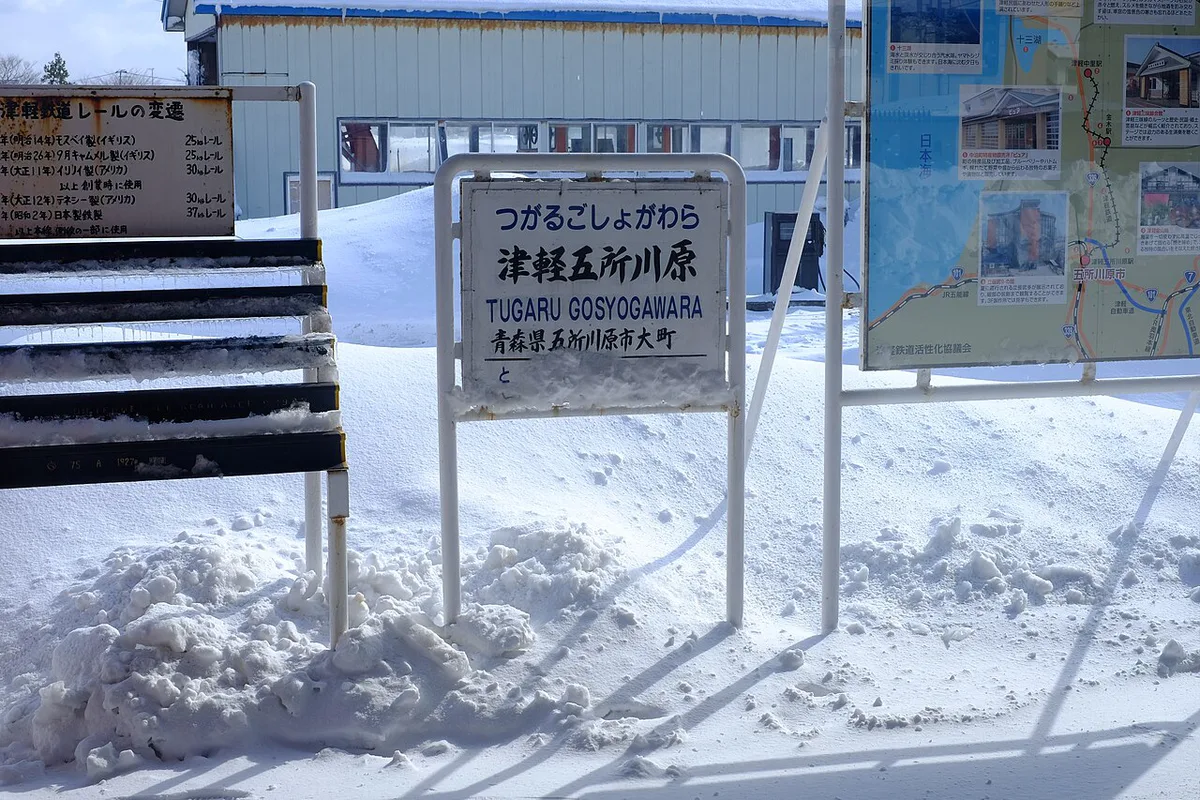
Fireworks open the festival on August 3, then the parade runs nightly from August 4 through August 8. Each parade starts at 7:00 PM and ends by 9:00 PM. It moves along a roughly 1.3-kilometer (0.8-mile) loop through central Goshogawara, starting near JR Goshogawara Station. On opening and closing nights, the three largest floats assemble together starting around 6:30 PM, before the parade officially begins. Arriving early enough to see that assembly is worth planning around. Reserved seating costs ¥2,500 to ¥3,500 per person, according to the official Aomori tourism listing. That Goshogawara City tourism page confirms a similar range for its reserved seats. Seats go on sale around April 20 through the Goshogawara Chamber of Commerce and Industry. Standing room along the route is free and first-come, first-served.
- Fireworks: August 3
- Parade nights: August 4-8, 7:00 PM-9:00 PM
- Route: about 1.3 km (0.8 miles), starting near JR Goshogawara Station
- Reserved seats: ¥2,500-¥3,500, on sale from around April 20
- Standing viewing: free, first-come, first-served
How to Get to Goshogawara From Aomori or Hirosaki
Three routes connect Goshogawara to the rest of Aomori Prefecture. Trains run from both Aomori and Hirosaki, and driving is an option from either city too. Getting back after the parade is the harder part of the trip. Parade nights end at 9:00 PM, and Gono Line service thins out quickly after that hour, so do not assume a late train will be waiting. Confirm the last departure for Goshogawara Station on the day of the festival, ideally before the parade starts. Basing a trip in Aomori's bay area or central Hirosaki and day-tripping in for the parade removes the pressure of catching one specific late train. For deeper transit planning, see the guide to getting to Aomori. That Hirosaki-from-Aomori route guide covers the wider rail network beyond this one festival.
Parades end at 9:00 PM when JR Gono Line service thins out, requiring advance confirmation of the last departure rather than hoping for a late train.
- From Aomori Station: JR Ou Line to Kawabe Station, transfer to the JR Gono Line to Goshogawara Station, about 75 minutes total
- From Hirosaki Station: JR Ou/Gono Line via Kawabe to Goshogawara Station, about 50 minutes
- By car from Aomori or Hirosaki: roughly 50 minutes
- JR Gono Line Resort Shirakami sightseeing train: reservation-only, check current timetables before relying on it
Tachineputa-no-Yakata: Where the Giants Live Year-Round
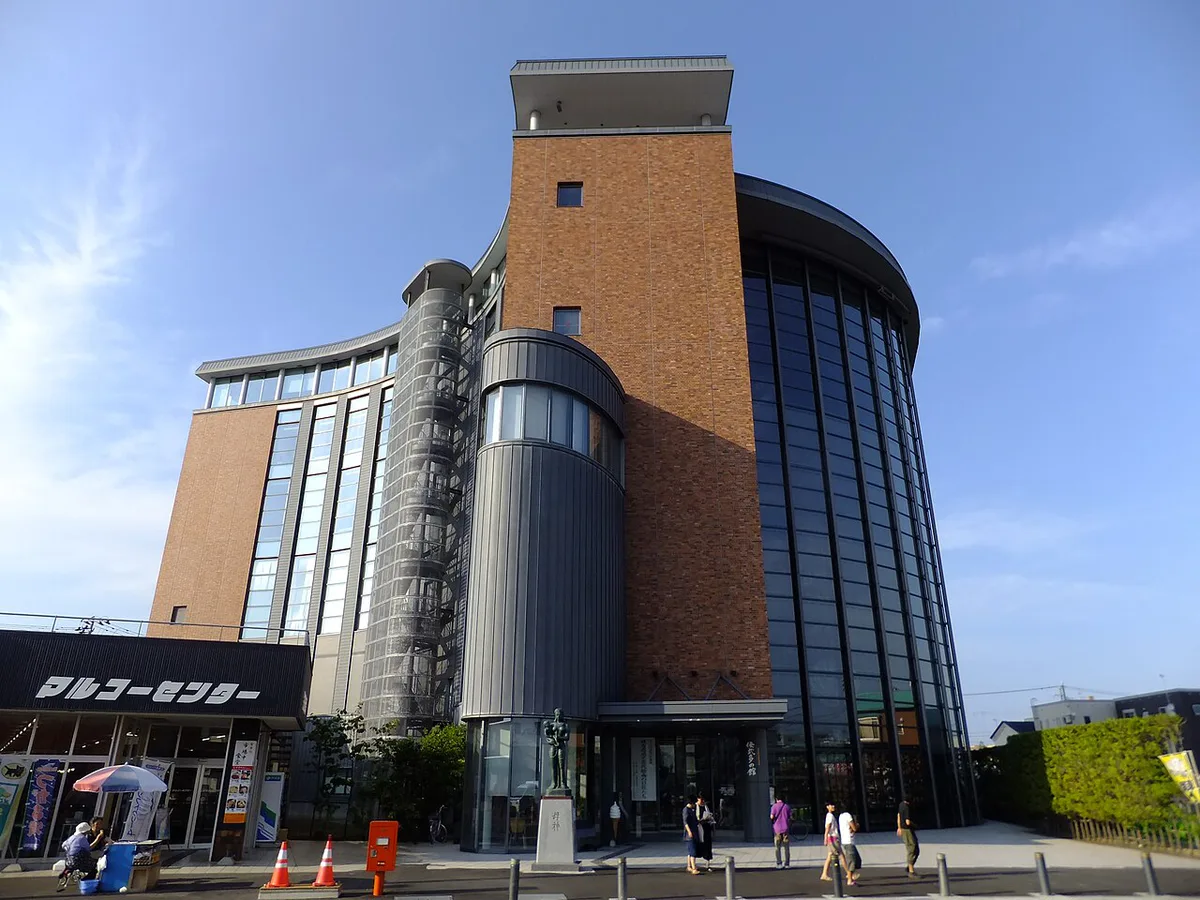
Tachineputa-no-Yakata stores the three largest floats when they are not on parade, a few minutes' walk from JR Goshogawara Station. Part of the building's front wall opens outward, letting the 23-meter floats roll straight onto the parade route without being dismantled. A ramp spirals around the floats inside, so visitors can view the samurai and mythological figures at multiple heights, not just from street level. Its sixth-floor observation hall looks out over the city, with Mount Iwaki and the Hakkoda Mountains visible on clear days. Visitors who base themselves in the area for an extended stretch before August can sometimes join the float-building process itself. Outside festival week, visiting the museum means seeing the floats up close without the crowds, and it pairs naturally with a broader look at Aomori's other attractions.
The 23 meters (75 feet) floats can be viewed up close from spiral ramps inside the museum year-round, or seen towering over streets during the parade—different perspectives of the same giants.
Festival Food, the Yattemare Chant, and Local Culture
Street stalls line the parade route selling typical Japanese festival fare, not a fixed Goshogawara-only menu. Expect grilled skewers, yakisoba, and shaved ice among the typical offerings, though exact vendors change year to year. Aomori's food guide covers regional dishes in more depth. A companion Nebuta festival food guide rounds up what to eat around Aomori's summer festival season specifically. Listen for the chant that carries the floats through the streets. Crews pulling and steering each float shout 'Yattemare, Yattemare,' which translates loosely to 'go for it' or 'bring it on.' That phrase has roots in an era when rival floats used to collide in the streets. Aomori's Nebuta parade runs on a different chant, 'Rassera, Rassera,' so listen for the switch on a trip that covers both festivals.
Mistakes to Avoid and Pro Tips
Do not wait until 7:00 PM to arrive. On opening and closing nights, the three largest floats assemble together starting around 6:30 PM, and watching that assembly is one of the festival's best moments. Book accommodation early. Goshogawara is a small city with limited hotel inventory, and rooms near the route fill up well before August. Staying in central Hirosaki or Aomori and day-tripping in for the parade is the more reliable option for a trip planned close to the date. Pair the festival with the rest of a Tsugaru itinerary rather than treating it as a single-day trip. An Aomori itinerary guide helps place Goshogawara alongside Hirosaki and Aomori City stops. Early August sits within Aomori's short, warm travel season. The best time to visit Aomori guide covers how the festival week compares with the rest of the year.
Frequently Asked Questions
When is the Goshogawara Tachineputa Matsuri in 2026?
Goshogawara's festival runs August 4 through August 8, with a fireworks show on August 3 to open the week. Parades start at 7:00 PM and end by 9:00 PM each night. Dates stay fixed on the calendar every year, regardless of which day of the week they land on.
How much do Goshogawara Tachineputa Matsuri tickets cost?
Reserved seating runs ¥2,500 to ¥3,500 per person, based on official Aomori and Goshogawara tourism listings. Seats go on sale around April 20 through the Goshogawara Chamber of Commerce and Industry. Standing room along the parade route is free and open on a first-come, first-served basis.
How do you get back to Aomori or Hirosaki after the parade ends?
Parades wrap up at 9:00 PM, and JR Gono Line service thins out after that hour. Confirm the last train to Aomori or Hirosaki before the festival starts rather than after the parade ends. Staying overnight in Goshogawara, or basing the trip in Hirosaki or Aomori and returning another night, removes the risk of missing a connection.
How is Goshogawara different from Aomori Nebuta and Hirosaki Neputa?
Goshogawara's tachineputa floats stand 23 meters (75 feet) tall, taller than the floats in either Aomori or Hirosaki. Aomori's Nebuta floats are wide and horizontal, built for width rather than height. Hirosaki's Neputa floats are flat and fan-shaped. Goshogawara also draws smaller crowds than Aomori City, since the host city itself is much smaller.
What other Aomori festivals pair well with a Tsugaru trip?
Aomori runs festivals across all four seasons, not just summer. Each February, the Hachinohe Enburi Festival Guide: Schedule, Styles & Planning Tips welcomes the agricultural new year with folk dance. Aomori's winter illuminations cover the cold-season events that follow once the summer float festivals end.
Is Goshogawara worth the extra train ride from Aomori City?
It depends on what matters most on a trip. Floats run taller and the setting feels more intimate than either Aomori or Hirosaki, since the parade moves through a much smaller city. Travel time is the trade-off, about 75 minutes each way from Aomori Station. Visitors short on time might prioritize Aomori Nebuta or Hirosaki Neputa instead, since both sit closer to typical Tohoku itineraries.
Free guide: Japan's Hidden Gems
12 under-the-radar places beyond Tokyo & Kyoto — with the best season to visit each and a local tip you won't find in the guidebooks.
You might also like


Continue reading
More guides you'll find useful


