Aomori Nebuta Matsuri Food Stalls: Where to Eat in 2026
Find the best Aomori Nebuta Matsuri food stalls for August 2026, from Rassera Land to the parade loop, plus miso curry milk ramen and festival toast.
On this page
Last updated July 2026, this guide walks through Aomori Nebuta Matsuri food stalls, from the daytime hub at Rassera Land to the crowded parade loop after dark. Rassera Land on the ASPM waterfront holds the highest daytime concentration of stalls, while the 3-kilometer (1.9-mile) parade loop near JR Aomori Station takes over once the floats move at night. Expect grilled scallops, festival-only English Toast, and bowls of miso curry milk ramen, sold in cash from yatai stalls along Shinmachi-dori and the waterfront boardwalk.
Aomori Nebuta Matsuri Food Stalls: Rassera Land and the Parade Loop
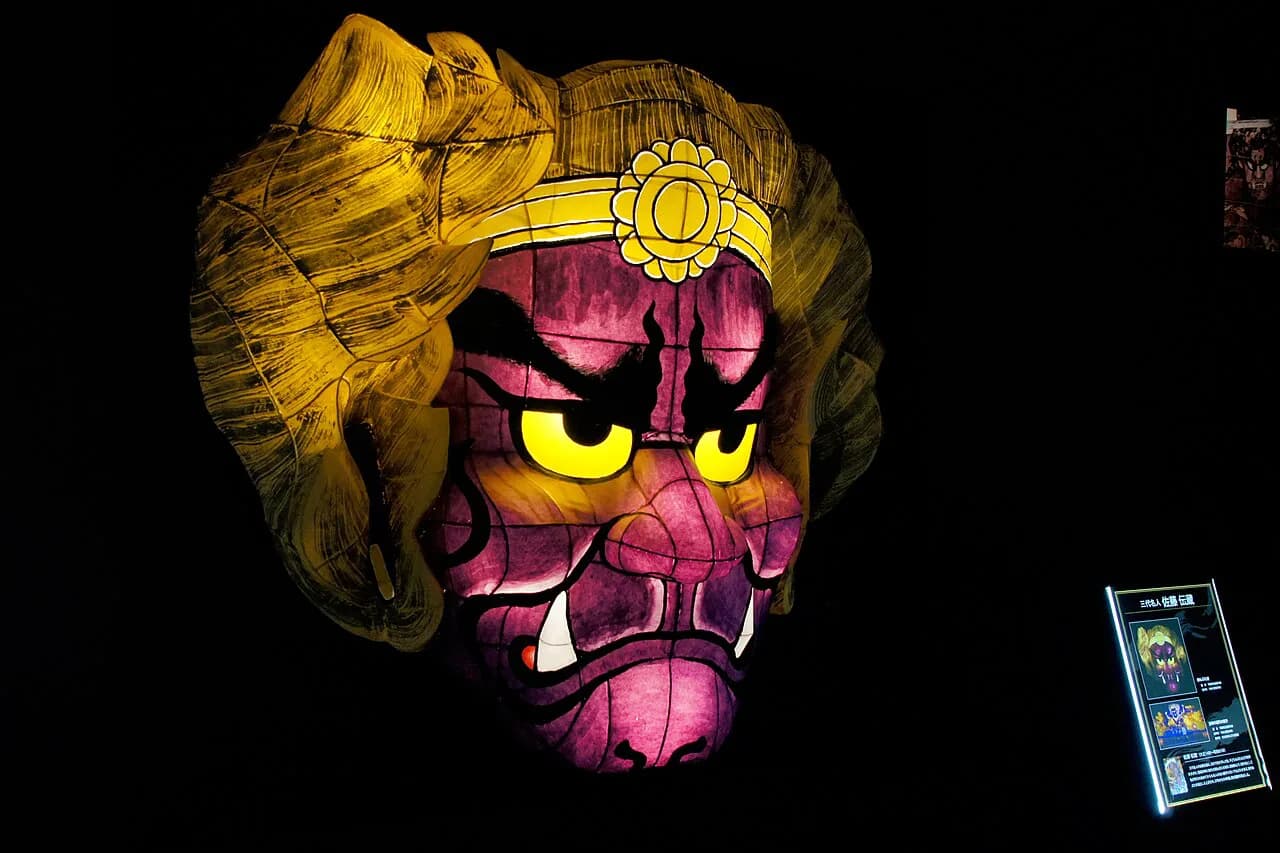
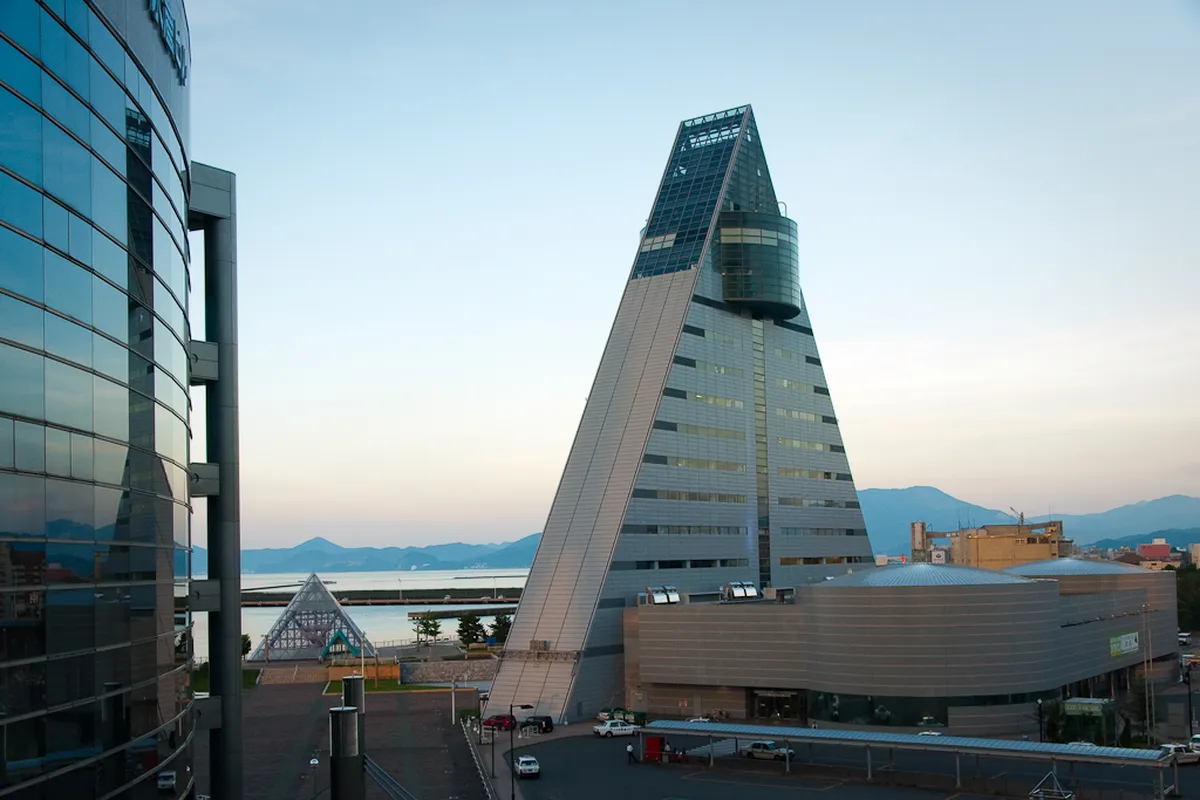
Rassera Land sits next to the ASPM building on Aomori City's waterfront, about a 10-minute walk from JR Aomori Station. During the day, this lot doubles as a stable for the festival floats, and vendors set up alongside them selling food and festival goods. Visitors can walk up to the lanterns, watch designers at work, and eat without competing against the evening parade crowd. Shinmachi-dori and the streets around JR Aomori Station carry the highest density of stalls once evening arrives, a 5-minute walk from the station itself. That density comes with a trade-off. Sidewalks fill four to five people deep as the 19:00 parade start approaches, and moving between stalls gets difficult. On August 7, some floats move from the parade route onto boats for a bay procession ahead of the evening fireworks, which makes the waterfront boardwalk a good spot to combine dinner with the show. Rassera chants and taiko drums from the parade route carry into the stall areas after dark, along with the smell of grilled scallops and charcoal smoke. For full parade hours and seating details, see the Nebuta Matsuri festival guide. Travelers connecting from elsewhere in Japan can check train and flight options in the getting to Aomori guide before locking in festival dates.
- Rassera Land (ASPM waterfront, 10-minute walk from JR Aomori Station): daytime float viewing, vendor variety, live song and dance performances, and access to float designers.
- Aomori Station and Shinmachi-dori (5-minute walk from JR Aomori Station): the highest stall density, best for a quick bite before the 19:00 parade start.
- Waterfront boardwalk: bay views for eating before the August 7 fireworks display.

Must-Try Foods at the Nebuta Matsuri Yatai
A wider set of local dishes lives in the Aomori food guide, beyond what's sold at festival stalls. Festival stalls mix standard yatai fare with a handful of Aomori specialties worth seeking out by name. For something to drink between stalls, weigh local sake against Aomori apple cider. Sake tends to pair with heavier grilled and fried stall food, while cider is the lighter, more hydrating option in August humidity. The Aomori sake and local drinks guide compares both in more detail. Festival stalls stick to summer fare rather than heartier winter dishes. For the region's cold-weather cooking, see the senbei-jiru and jappa-jiru hot pot guide.
- Standard yatai fare: yakitori skewers, oden stew, kushiyaki grilled items, and cold noodle dishes fill out the stall lineup alongside Aomori's festival specialties. Most items cost ¥500 to ¥1,000.
- Miso curry milk ramen: a soup built from miso, curry, and milk that reads unusual on paper but balances into something creamy, spicy, and savory. Ajino Sapporo Onishi is one shop known for it, and the miso curry milk ramen guide covers other spots and how the flavor balance differs between them.
- English Toast, festival edition: in its everyday form, this local staple is sugar and margarine between two thick slices of white bread, sold at convenience stores across the city. During Nebuta Matsuri, stalls and some stores sell a version filled with cassis jam or orange marmalade instead. If festival stalls sell out, check nearby 7-Eleven or Lawson shelves for the packaged version, with the cassis or marmalade filling visible through the wrapper.
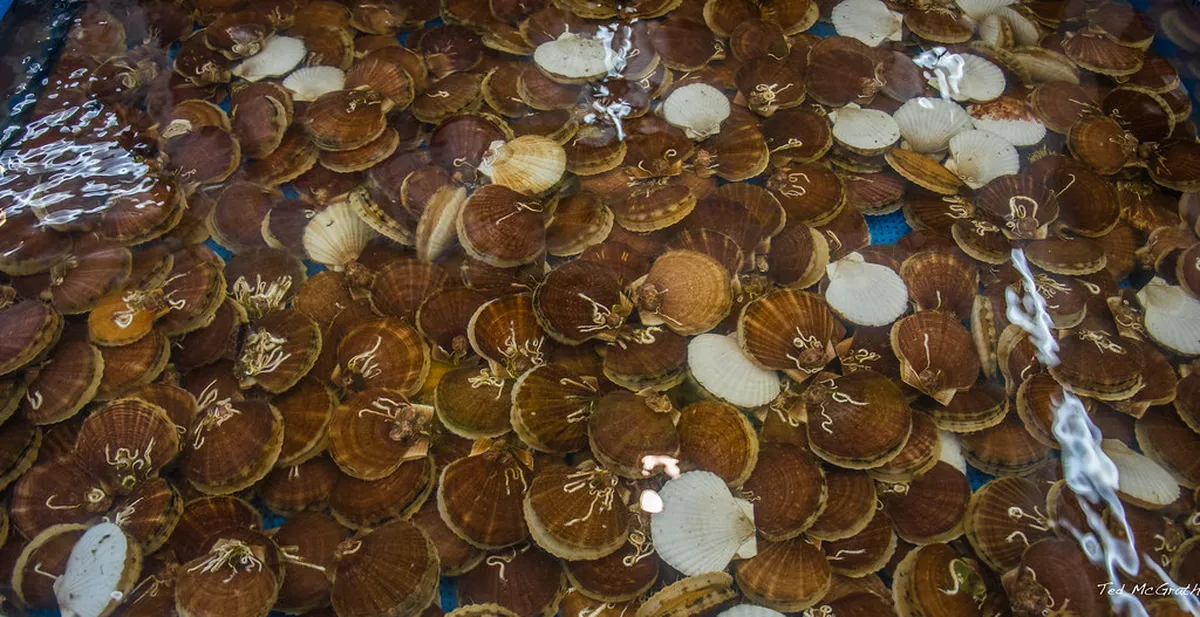
- Seafood skewers: grilled hotate (scallops) are the Aomori specialty, sold straight off charcoal grills along the parade route and at Rassera Land. Squid and other regional seafood also turn up on stall menus depending on the vendor.
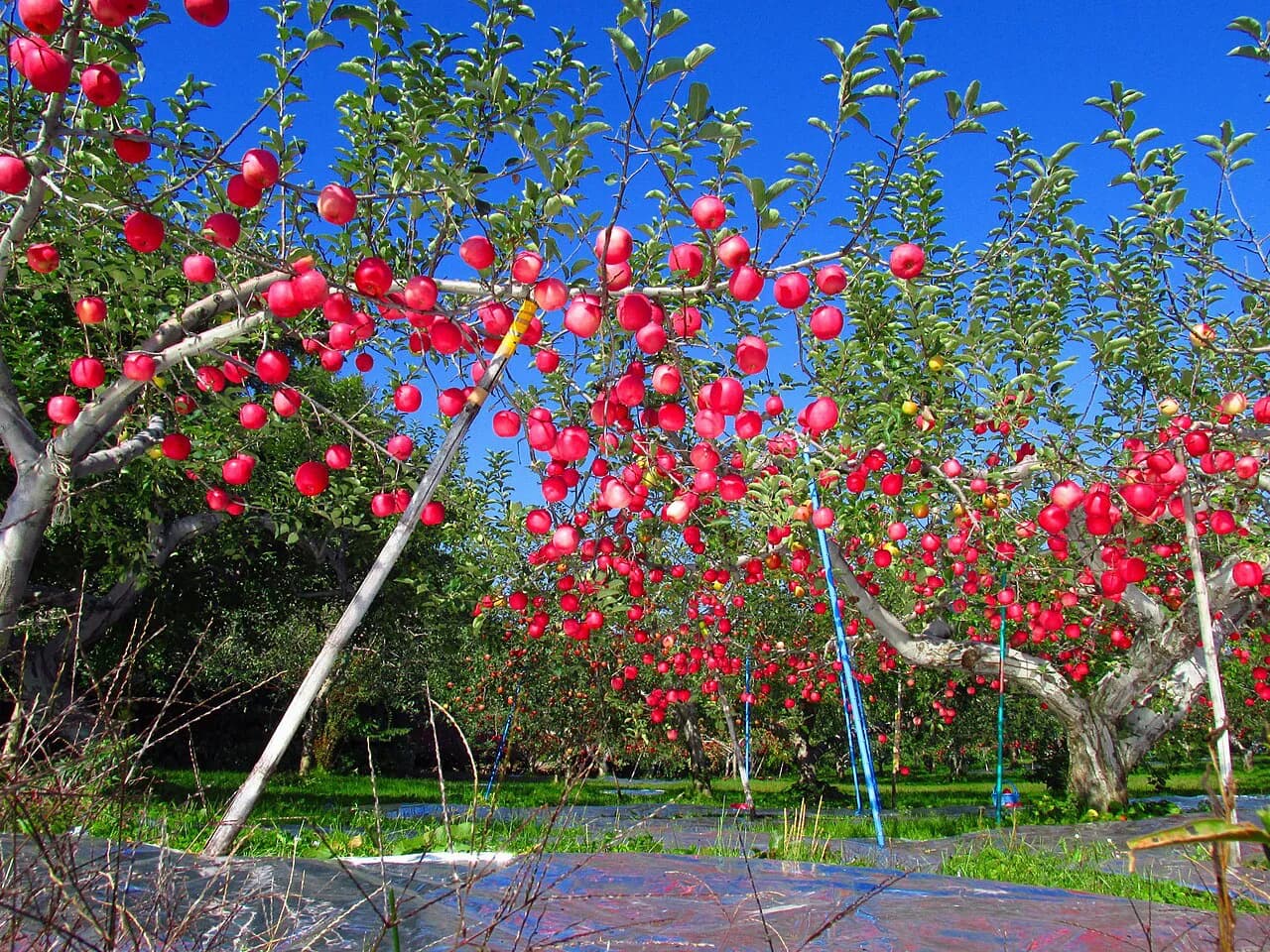
- Apple snacks: Aomori is Japan's apple capital, and festival stalls sell cider, pies, and candies built around that reputation. The Aomori apple desserts guide covers where to find apple-based dishes outside festival week too.
Timing Meals Around the Parade Schedule
Parade start times shift across the festival week, so meal timing depends on which night you attend. Plan to eat between 16:00 and 18:00, ahead of the earliest parade start. Once the floats begin moving, spectators pack the sidewalks four to five deep and navigating between stalls gets difficult. Reserved parade seating costs ¥4,000, and reserved fireworks seating runs ¥4,500 to ¥5,500, and both prices exclude booking service fees, which can add up through English-language reservation systems. A reserved seat ticket typically comes with a pamphlet, not food service, so buy from stalls before taking your seat. Yatai stalls run on cash only, so carry small bills in yen before heading out. Public trash cans are scarce along the route, so bring a small bag for skewer sticks and wrappers.
With parades running 18:45-21:10 on August 4-6, the recommended 16:00 to 18:00 meal window becomes tighter compared with the 19:00 starts on other festival nights, requiring earlier advance planning.
| Dates | Parade time |
|---|---|
| August 2-3 | 19:00-21:10 |
| August 4-6 | 18:45-21:10 |
| August 7 (afternoon parade) | 13:00-14:20 |
| August 7 (fireworks) | 19:15-21:00 |
Furukawa Market: A Nokke Don Alternative Before the Parade
For a calmer meal before the evening crowds build, Furukawa Market offers nokke don, a build-your-own seafood rice bowl, near JR Aomori Station. Tickets cost ¥1,300 for a set of 10, and each ticket buys one topping from the stalls inside the market. Pricier seafood, or a larger portion, can cost two or three tickets per topping instead of one. The Furukawa Market nokke don guide walks through how the ticket system works and which stalls to prioritize. Eating here around midday leaves the evening free for the parade loop and its yatai stalls.
With ¥1,300 purchasing 10 topping options, Furukawa Market provides a more economical meal than yatai stalls where three or four items typically total ¥2,000 to ¥4,000.
Stalls vs Sit-Down Restaurants: Where to Eat When It's Crowded
Stalls, restaurants, and one indoor market each solve a different festival-week problem. At ¥500 to ¥1,000 per item, three or four stall dishes plus a drink typically add up to roughly ¥2,000 to ¥4,000 for one person, well under a sit-down restaurant tab during festival week. Famous ramen shops fill up fast during festival week, and some restaurants take reservations months ahead for the Nebuta period. A-FACTORY, near JR Aomori Station, works as a middle ground. It's indoor and air-conditioned, but the food inside still feels market-style rather than full sit-down service, and it sells local cider alongside the stalls. Book accommodation early too. Hotel rooms near the station fill up well ahead of festival week, per the where to stay in Aomori guide.
| Option | Typical cost | Seating | Best for |
|---|---|---|---|
| Yatai stalls | ¥500-¥1,000 per item | Standing or curbside | Atmosphere and eating between float viewings |
| Sit-down restaurants | Varies by shop | Often reservation-only during festival week | Air conditioning and guaranteed seating |
| A-FACTORY | Market-style pricing | Indoor seating | Local cider in a middle ground between stalls and restaurants |
Mistakes to Avoid at the Nebuta Matsuri Food Stalls
A few planning mistakes show up often during festival week, and most come down to timing and cash rather than unfamiliarity with the food.
- Waiting until 19:00 to look for food: stalls get blocked by spectators four to five deep once the parade starts, and lines only get longer from there.
- Underestimating the heat and humidity: prioritize hydration, and stall-bought apple juice or cider helps offset August's conditions between food stops.
- Skipping a ramen reservation: shops like Ajino Sapporo Onishi draw long lines during festival week, so arrive outside peak hours or expect a wait.
- Forgetting cash: card acceptance at yatai stalls is rare to none, and ATMs near JR Aomori Station get busy during festival week.
- Assuming Rassera Land stays lively all evening: it's the daytime stable for the floats, and activity there winds down once floats move out for the parade.
Planning Extra Days Around Festival Week
Festival week runs during Aomori's hottest, most humid stretch of summer, so pacing matters as much as food logistics. Building in a day away from the parade route helps travelers recover before the next night's crowds. A day trip to the Hakkoda Mountains trades downtown heat for higher elevation. A Hirosaki day trip offers a quieter contrast to festival-week crowds. Travelers deciding whether to time a visit around the festival at all can compare options in the best time to visit Aomori guide. Once the extra days are sorted, a full How Many Days In Aomori: 10 Planning Essentials keeps festival nights, day trips, and food stops on one schedule. A broader look at Things To Do In Aomori Travel Guide fills out downtime before the evening parade starts.
Further reading: Aomori on Wikivoyage · Aomori on Wikipedia
Frequently Asked Questions
When is the Aomori Nebuta Matsuri in 2026?
The festival runs August 2 to August 7, 2026, with nightly parades through central Aomori City. Parade start times shift across the week. They run from 19:00 on August 2 and 3, move to 18:45 on August 4 through 6, and give way to an afternoon parade at 13:00 on August 7, followed by fireworks.
Where should you eat first at the festival?
Start at Rassera Land, next to the ASPM building on the waterfront, about a 10-minute walk from JR Aomori Station. It's the daytime hub for food stalls and float viewing, before evening crowds build along Shinmachi-dori.
Do the yatai stalls take cards, and how much should you budget?
No, festival stalls run on cash only, so carry small bills in yen before heading out. Most items cost ¥500 to ¥1,000 each, so three or four dishes plus a drink typically runs ¥2,000 to ¥4,000 per person.
How do you avoid the evening food-stall crowds?
Furukawa Market's nokke don, a build-your-own seafood bowl, works well as a midday alternative near the station. Eating there before mid-afternoon also leaves the evening free to focus on the parade loop and its yatai stalls.
Is Rassera Land only useful during the day?
Mostly, yes. Rassera Land functions as the daytime stable for festival floats and stalls, next to the ASPM building on the waterfront. Once floats move out for the evening parade, activity there winds down, so plan a Rassera Land visit before the parade start rather than after.
Is August the best time to visit Aomori?
August works well specifically for the festival, though it's also one of the hotter, more humid months in the region. The best time to visit Aomori guide compares festival week against quieter shoulder-season months, if flexibility matters more than catching Nebuta Matsuri.
What is miso curry milk ramen?
It's Aomori's signature ramen bowl, built from miso, curry, and milk simmered into one soup. The combination sounds unusual, but the flavors balance into something creamy, spicy, and savory. Shops such as Ajino Sapporo Onishi serve it during festival week.
Free guide: Japan's Hidden Gems
12 under-the-radar places beyond Tokyo & Kyoto — with the best season to visit each and a local tip you won't find in the guidebooks.
You might also like


Continue reading
More guides you'll find useful