Misokare Gyunyu Ramen: Aomori's Miso Curry Milk Ramen Guide
Aomori's misokare gyunyu ramen guide for 2026: where to eat (Aji no Onishi vs Kawara), JPY prices, hours, ordering tips, and how it compares to niboshi ramen.
On this page
Last updated July 2026: misokare gyunyu ramen aomori is the dish every Aomori City food list mentions first. The broth blends miso, curry powder, and milk, an odd combination that works once you taste it, especially with a melting cube of butter on top. This guide covers the flavor, the 1970s origin story, and where to order it downtown versus at the airport.
What Is Miso Curry Milk Ramen (Misokare Gyunyu Ramen) in Aomori?
Misokare gyunyu ramen starts with a miso base, the fermented soybean paste used across Japanese cooking, then adds curry powder for warmth and milk for body. A cube of butter goes in last and is meant to melt into the broth rather than sit on top as a garnish. The result tastes savory and umami-heavy first, with a curry warmth that builds slowly instead of hitting like straight chili heat. Milk fat coats the broth and mutes both the miso's salt and the curry's spice, which is why the combination reads as creamy rather than sharp. Standard toppings keep the bowl close to ordinary ramen territory: bean sprouts, bamboo shoots, and wakame seaweed, according to Aomori's official tourism guide. Ground pork or sliced char siu often joins the vegetables, though the broth, not the toppings, is what sets this bowl apart from everything else in Aomori's food scene. Aomori's official tourism guide also files the dish under the Tsugaru area's local food and drink specialties, tying it to a specific regional identity rather than the prefecture as a whole. Food writers often group dishes like this under Japan's wider B-grade gourmet category, a term for beloved local specialties that prioritize flavor over presentation. That food identity also runs through Aomori Apple Desserts and Cider: A-FACTORY, Hirosaki Pie Trail and Orchard Guide. It runs through local Aomori sake too, often poured at the same counters that serve ramen after dark.
From Sapporo Import to Aomori Soul Food: The History Behind the Bowl
Misokare gyunyu ramen traces back to Kiyoshi Satoh, a ramen cook who moved from Sapporo to Aomori around 1970 to introduce Sapporo-style miso ramen outside Hokkaido. Local junior high and high school students began customizing his menu on their own, mixing curry powder and milk into ordinary bowls as an unofficial order. Regulars would ask kitchen staff to combine flavors that were not listed together, essentially building a custom bowl before it became an official menu item. The habit spread widely enough that Satoh formalized it as a standalone dish, and it reached its now-familiar form by 1978. What began as a teenage topping experiment is treated today as Aomori soul food, ranked by locals alongside senbei-jiru hot pot as a defining cold-weather dish. Aomori's official tourism guide has called it a local favorite for more than three decades. The core recipe has stayed simple the whole time: miso, curry, milk, and butter, combined in versions that vary only slightly from shop to shop.
Misokare was formalized by 1978 as teenagers turned Sapporo ramen customization into local soul food—a dish that now serves travelers through airport branches accepting card and QR payments.
Where to Eat Misokare Gyunyu Ramen in Aomori City
Aomori City has three go-to addresses for misokare gyunyu ramen, and each suits a different kind of trip. Aji no Onishi is the downtown shop most locals point to as the original taste, and it draws lines during lunch hours and festival weeks. Expect the longest waits at Aji no Onishi during the Nebuta Matsuri in August, when downtown foot traffic peaks citywide. Reader-submitted noodle roundups covering all 47 prefectures single out the Onishi shop specifically as excellent, reinforcing its status as the reference point for the dish. Kawara runs a branch on the second floor of Aomori Airport that opened on June 28, 2019, making it the practical pick for a last bowl before a flight. Sapporo-kan operates as a third staple, useful as an alternative when the other two are busy. Tabelog lists the airport branch at roughly 3.49 out of 5 from over 340 user reviews, a helpful data point since Aji no Onishi's downtown reputation is mostly word of mouth. The table below compares the three most visitor-relevant options.
The Kawara branch opened June 28, 2019, offering daily 10:00 AM to 8:30 PM service and card, QR, and electronic payments—conveniences not found at downtown shops, which remain primarily cash-only.
| Restaurant | Location | Best For | Payment |
|---|---|---|---|
| Aji no Onishi | Downtown Aomori City | The original, most-cited flavor | Primarily cash |
| Kawara (Aomori Airport branch) | 2F, Aomori Airport | A last bowl before a flight | Credit card, electronic money, QR code (PayPay) |
| Sapporo-kan | Aomori City | A dependable alternative | Confirm on arrival |
How to Order Once You Arrive
Ordering follows a familiar pattern at most Aomori ramen counters. Many shops, including counter-service spots like the Kawara airport branch, use a ticket vending machine near the entrance. Select the misokare gyunyu ramen button, add any extras such as gyoza, then hand the ticket to staff. Sit-down shops without a machine typically take orders from a paper menu or wall board instead, so watch what regulars order if the process is not obvious. Either way, the core request stays the same: ask for misokare gyunyu ramen, and add a topping only if the board lists one.
Costs, Hours, and Payment: Practical Logistics
Budgeting for misokare gyunyu ramen is straightforward. Most sit-down shops price a bowl between JPY 1,000 and JPY 1,500. Tabelog's review-based average for the Kawara airport branch runs JPY 1,000 to JPY 1,999, close enough to treat as the same range citywide. Set-menu combos are not a defining feature at these shops based on available listings, so budgeting per bowl usually covers the visit. Hours and payment habits differ more than price does. Some shops list rice or gyoza as separate add-ons on the ticket machine or menu board, so check on arrival since offerings vary shop to shop.
- Downtown shops, including Aji no Onishi, remain primarily cash-only, so carry yen rather than counting on a card reader.
- Kawara's airport branch accepts credit cards, electronic money, and QR code payments including PayPay, per its Tabelog listing.
- Kawara is open daily from 10:00 AM to 8:30 PM.
- Lunch service peaks between 12:00 PM and 1:30 PM, and that window often means a short wait, especially during the Nebuta Matsuri in August.
- Takeout availability varies by shop; confirm directly if planning to eat elsewhere, since it is not listed consistently across locations.
Misokare Gyunyu Ramen vs Niboshi Ramen: Which Aomori Bowl to Order
Aomori's other defining noodle bowl is niboshi ramen, also called Tsugaru ramen, built on a broth of dried sardines instead of miso, curry, and milk. Where misokare gyunyu ramen is rich and creamy, niboshi ramen runs light, clear, and distinctly fishy, according to reader-sourced noodle roundups covering the prefecture. Both styles use similar wheat noodles, so the choice comes down mostly to the broth. These two dishes appear together on regional noodle roundups, reflecting how central each has become to local identity. Choosing between them often comes down to weather and appetite rather than any objective ranking. Misokare gyunyu ramen suits colder months, when the milk fat and curry warmth feel like a reward, including after a day trip toward the Hakkoda Mountains ropeway. Niboshi ramen works well any time a lighter bowl sounds better, particularly after a heavier seafood breakfast earlier in the day.
| Feature | Misokare Gyunyu Ramen | Niboshi Ramen |
|---|---|---|
| Broth base | Miso, curry powder, milk, butter | Dried sardine (niboshi) |
| Flavor profile | Rich, creamy, umami-heavy with mild spice | Light, clear, distinctly fishy |
| Best season | Cold months | Any season |
| Where to try it | Aji no Onishi, Kawara, Sapporo-kan | Tsugaru-area ramen shops |
Ordering Etiquette and Mistakes to Avoid
A few habits separate a smooth visit from a frustrating one. Many travelers treat the butter cube as a garnish, pushing it to the side instead of letting it melt into the broth. That melt is what binds the curry and milk together. Traditional shops also keep hours that do not match convenience-store expectations, and a closed door at 3:00 PM does not necessarily mean the shop is done for the day. Its Tabelog listing also flags the Kawara airport branch as non-smoking, family-friendly, and stocked with on-site parking, details worth knowing when traveling with kids or a rental car.
- Let the butter cube dissolve into the broth rather than removing it.
- Confirm hours before walking over, since many traditional shops close between lunch and dinner service, then reopen later.
- Carry cash for downtown stops. Card and QR acceptance is far more consistent at the Kawara airport branch.
- Avoid the 12:00 PM to 1:30 PM lunch peak if a wait is inconvenient, or plan around it if a full house adds to the experience.
- Ask whether a milder or bolder curry balance is available; the exact recipe varies slightly from shop to shop.
Pairing Your Ramen Stop with Aomori City Sightseeing
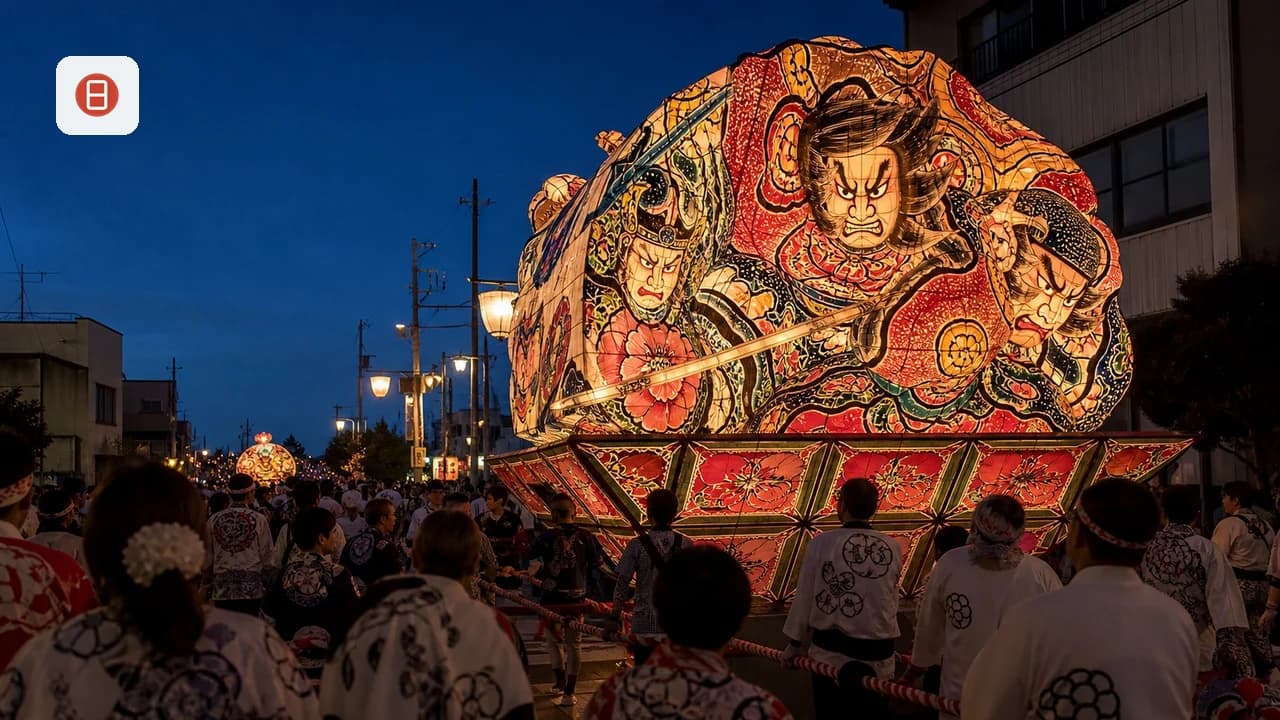
A bowl of misokare gyunyu ramen fits naturally into a downtown Aomori City itinerary built around food and short walks. The Nebuta Warasse museum covers the floats from Aomori's Nebuta Matsuri and sits within walking distance of the city's ramen shops. During the August festival window, add a stop at the Nebuta festival food stalls. Furukawa Market is another easy pairing. Go for the seafood rice bowls at Furukawa Market's nokke-don counter earlier in the day, then close with ramen instead of stacking two heavy meals back to back. Together, ramen, festival exhibits, and market stalls make for a full afternoon of downtown Aomori City exploring. For a broader list of stops, check Aomori City attractions. Build the ramen stop into an Aomori itinerary that also covers a Hirosaki day trip. Before booking, confirm the best time to visit Aomori. Then sort out How To Get To Aomori: 10 Essential Routes and Travel Tips and Where to Stay in Aomori: 9 Best Areas and Tips (2026).
Further reading: Aomori on Wikivoyage · Aomori on Wikipedia
Frequently Asked Questions
Is milk ramen actually good?
Yes, according to most first-time tasters who try it in Aomori. Milk fat softens both the miso's saltiness and the curry powder's spice, so the broth reads as creamy and rounded rather than as two clashing flavors. The butter cube reinforces that effect once it melts in, which is why locals treat misokare gyunyu ramen as comfort food rather than a novelty item. First-time skeptics who move to Aomori often describe converting to the dish after one taste, based on reader accounts collected by regional food write-ups.
What is the most famous food in Aomori?
Aomori's food identity spans several signature items rather than one single dish. Misokare gyunyu ramen is one of the most talked-about, alongside senbei-jiru hot pot and the seafood bowls found at local fish markets. Apples and apple desserts round out the list, given the region's orchards. None of these rank above another in any official sense; the list simply reflects what shows up most often in visitor searches and regional write-ups.
Where can I eat Miso Curry Milk Ramen near Aomori Station?
Aji no Onishi and Sapporo-kan are the two downtown shops most often named for misokare gyunyu ramen in Aomori City. Confirm each shop's current address and hours before heading over, since posted details change. If a downtown stop does not fit the schedule, the Kawara branch at Aomori Airport is the alternative for travelers heading straight to a flight.
How spicy is the curry ramen in Aomori?
Not very, by most accounts. The curry powder adds warmth and background heat rather than the sharp spice of a dedicated curry dish, and the milk further mutes it. Most tasters describe the overall flavor as savory and mild rather than hot, which is part of why it works as a broadly appealing bowl rather than a spice challenge.
Do travelers need cash to pay for misokare gyunyu ramen in Aomori?
Often, yes, if visiting a traditional downtown shop like Aji no Onishi. Many of these remain cash-only. The Kawara branch at Aomori Airport is the exception. It accepts credit cards, electronic money, and QR code payments including PayPay, so cash is not required there.
Is misokare gyunyu ramen available year-round in Aomori?
Yes, misokare gyunyu ramen is a year-round menu item at shops like Aji no Onishi, Kawara, and Sapporo-kan, not a seasonal special. It simply feels most rewarding in colder months, when the milk fat and butter add warmth after time outside. Summer visitors, including those timing a trip around the Nebuta Matsuri, can still order it any day the shops are open.
What does misokare gyunyu ramen mean in English?
The name translates roughly to miso curry milk ramen, describing the broth's three defining ingredients in order. Ramen simply means Japanese wheat noodle soup, so the full name is a literal description rather than a brand name or nickname.
Free guide: Japan's Hidden Gems
12 under-the-radar places beyond Tokyo & Kyoto — with the best season to visit each and a local tip you won't find in the guidebooks.
You might also like


Continue reading
More guides you'll find useful