Best Sake in Aomori: 9 Top Breweries, Bars & Tasting Tips (2026)
Best sake in Aomori: 9 breweries, bars, and tasting counters from Nishida Shuzo's Denshu to Hachinohe and Hirosaki, with reservation rules, hours, and Tsugaru vs Nambu tasting notes for 2026.
On this page
Last updated July 2026: the best sake in Aomori starts with mountain snowmelt and rice varieties bred specifically for this prefecture, among them Hanaomoi and Hanafubuki. Breweries split into two regional camps, Tsugaru in the west and Nambu in the east, each producing a different style suited to different parts of the local menu. This guide ranks the breweries, bars, and tasting counters worth building a trip around, plus the reservation rules and closing times that catch first-time visitors off guard.
Tsugaru vs Nambu: The Two Faces of Aomori Sake
Aomori's brewers split into two camps that roughly track the prefecture's geography: Tsugaru in the west, Nambu in the east. Snowmelt off the Hakkoda Mountains feeds both sides, but the rice differs by region. Tsugaru breweries lean on Hanafubuki and Hanaomoi rice for a richer, fuller-bodied pour, according to the Tsugaru Local Sake Association. Nambu producers favor Masshigura and Gin-eboshi rice instead, which the same association describes as sharper and drier. That split carries over to the plate. A rich Tsugaru bottle holds its own next to senbei-jiru hot pot or a bowl of misokare gyunyu ramen. Choose a drier Nambu pour instead alongside the fresh catch at Furukawa Market. Both styles sit at the center of the Aomori food scene, not as an afterthought to it. Labels also carry a Nihonshu-do, or sake meter value, plus a separate acidity number. Read both the same way: the farther either sits from the middle of its scale, the more pronounced the dryness, sweetness, or tartness. Washu Joshi, a Towada-based group of sake enthusiasts, points out that the region's slow, cold-climate fermentation lets many bottles taste distinct served either cold or warmed. The Tsugaru Local Sake Association, meanwhile, runs blind tastings for the Tsugaru Jizake Awards across seven categories, from Honjozo to Junmai Daiginjo, for anyone chasing a competition-tested pick. This same association dates to 1991 and now counts about 130 members, mostly consumers rather than industry insiders.
| Region | Rice Varieties | Flavor Profile | Pairs Well With |
|---|---|---|---|
| Tsugaru (west) | Hanafubuki, Hanaomoi | Rich, full-bodied | Senbei-jiru hot pot, misokare gyunyu ramen |
| Nambu (east) | Masshigura, Gin-eboshi | Sharp, dry | Fresh seafood from local markets |
9 Best Sake Breweries and Bars in Aomori
These nine stops range from a single well-known label to a station counter built for a 20-minute layover, and each is grounded in a specific city or neighborhood so you can plan a realistic route.
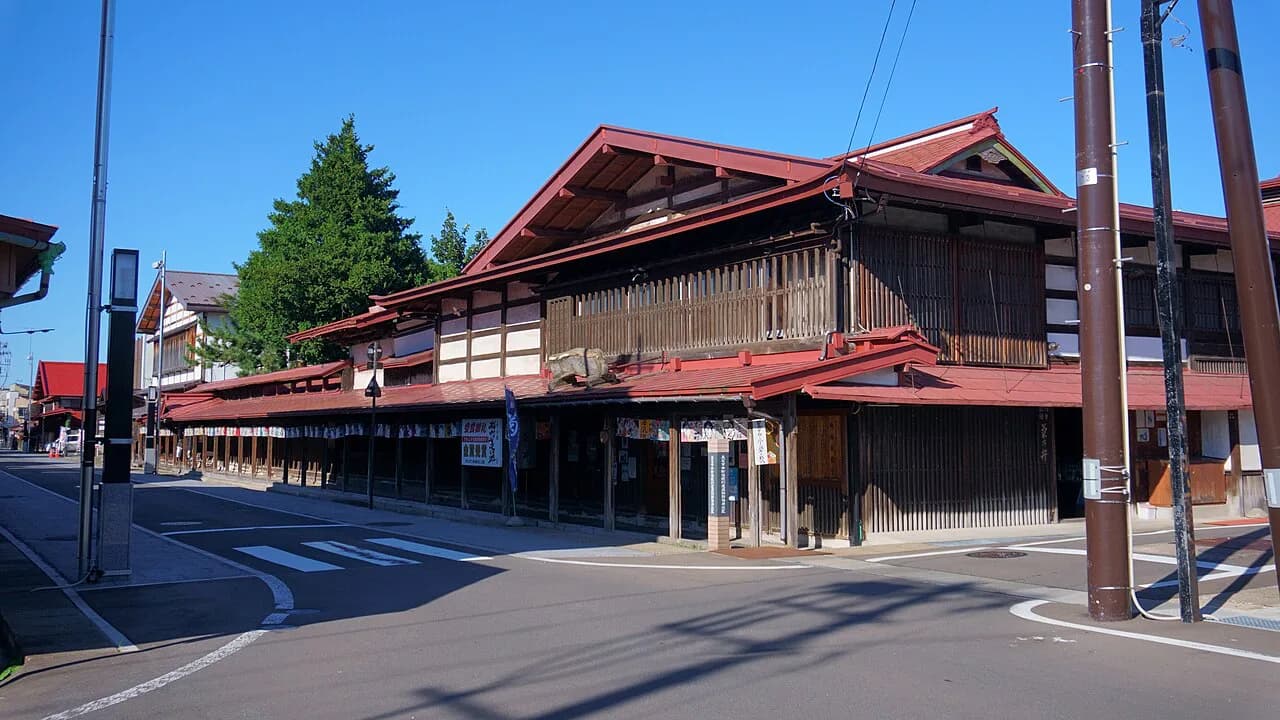
Founded in 1806, Narumi Jozoten sits on a preserved feudal-era shopping street within walking distance of Kuroishi Station on the Konan Railway, accessible without a car rental.
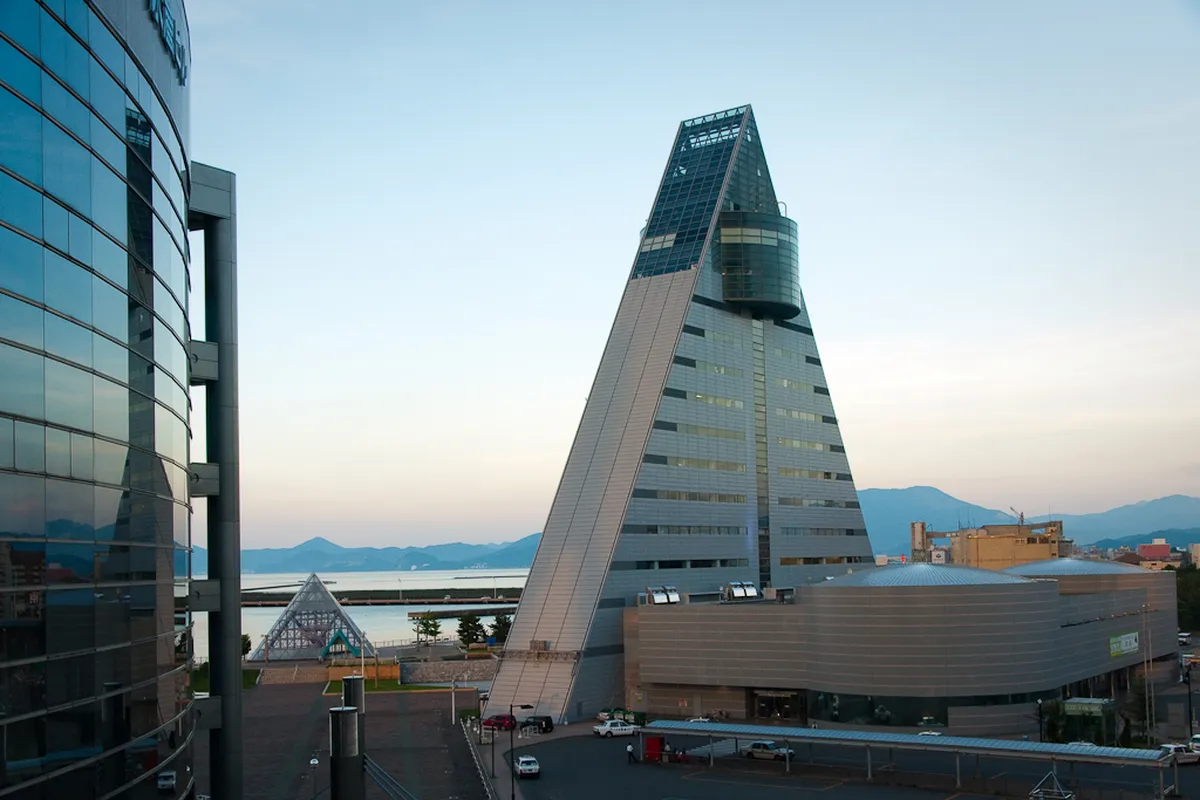
- Denshu, Nishida Shuzo (Aomori City)
- Denshu (田酒) is Aomori City's best-known label, made by Nishida Shuzo and often the first bottle locals point to when asked for a recommendation.
- The style is crisp and rice-forward, built to stand up to Aomori's seafood-heavy diet rather than fade behind it.
- Look for it on the shelf at ASPAM or on the list at local izakayas if a brewery-direct visit isn't on the itinerary.
- Hachinohe Shuzo (Hachinohe City)
- Founded in 1775, this brewery makes the Mutsu Hassen and Otokoyama labels inside a brick, wood, and earthen complex with national cultural-property status.
- Tours run 10:00-17:00 by reservation, and the brewery closes Sundays and holidays.
- A tasting counter pours flights for a small fee even without booking a full tour.
- Narumi Jozoten (Kuroishi City)
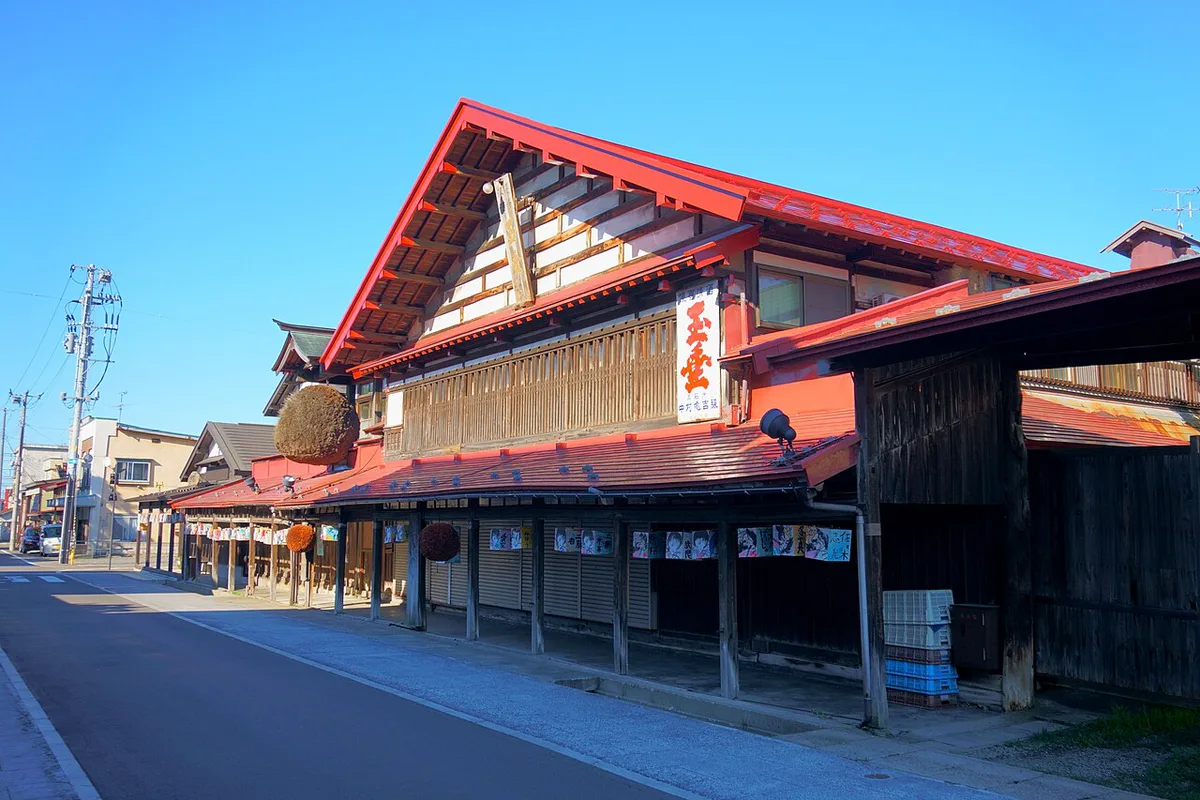
- Founded in 1806 on the Nakamachi Komise shopping arcade, Narumi Jozoten makes the Kikunoi and Inamuraya labels from Hakkoda Mountains groundwater.
- The brewery complex keeps its original merchant residence, a storehouse, and a Japanese garden visible from the tasting room.
- That preserved feudal-era streetscape makes the walk in part of the visit.
- Momokawa Sake Brewery (Oirase Town)
- Established in 1889 beside the Momo River, Momokawa draws its brewing water from 250 meters underground, fed by the Oirase River out of Lake Towada.
- A Masshigura and Yamadanishiki rice blend produces a smoother, more mellow style than most Tsugaru labels.
- The brewery still operates under its founding motto: make people happy by making delicious sake.
- Rokka Shuzo (Hirosaki City)
- Formed in 1972 when three historic Hirosaki producers, Shirafuji, Shiraume, and Ichiyo, merged to protect the Tsugaru sake tradition.
- The brand name translates to snowflake, a reference to the Tsugaru winters that slow-ferment the region's rice.
- Combine the visit with a Hirosaki day trip to cover more of the city's sake scene in one outing.
- Aomori Tourist Information Center ASPAM (Aomori City)
- ASPAM stocks the widest single retail lineup of Aomori sake in the prefectural capital, useful for comparing labels before buying a bottle.
- Staff can flag which bottles are Tsugaru-style and which are Nambu-style if you ask at the counter.
- It doubles as a planning stop for deciding which Things To Do In Aomori Travel Guide to pair with a brewery day.
- A-Factory (Aomori City)
- A-Factory runs a free, glass-walled tour of its apple cider and juice production line.
- A tasting-card system lets you sample several ciders and sake pours by the glass instead of committing to a bottle.
- The first-floor restaurants serve Aomori cuisine, so a cider flight can turn into a full lunch stop.
- Eki-naka Sake Bar 62371 (Hachinohe Station)
- Built into Hachinohe Station, this counter suits travelers with a short layover, roughly 20 minutes, before a Shinkansen connection.
- Flights of regional labels run in the same ¥500-¥1,000 range many brewery tasting counters charge.
- It's the fastest way to compare a Nambu-style pour against a Tsugaru one without leaving the platform level.
- Nebuta-no-Kuni Takakyu (Aomori City izakaya)
- This Aomori City izakaya keeps local sake on the menu alongside bottles from other regional producers.
- Its name nods to the city's Nebuta Matsuri festival, and it pairs naturally with a night built around Nebuta Matsuri food.
- Expect a broader local-label list than the two or three bottles most restaurants stock.
Sake vs Cider: When to Pivot in Japan's Apple Capital
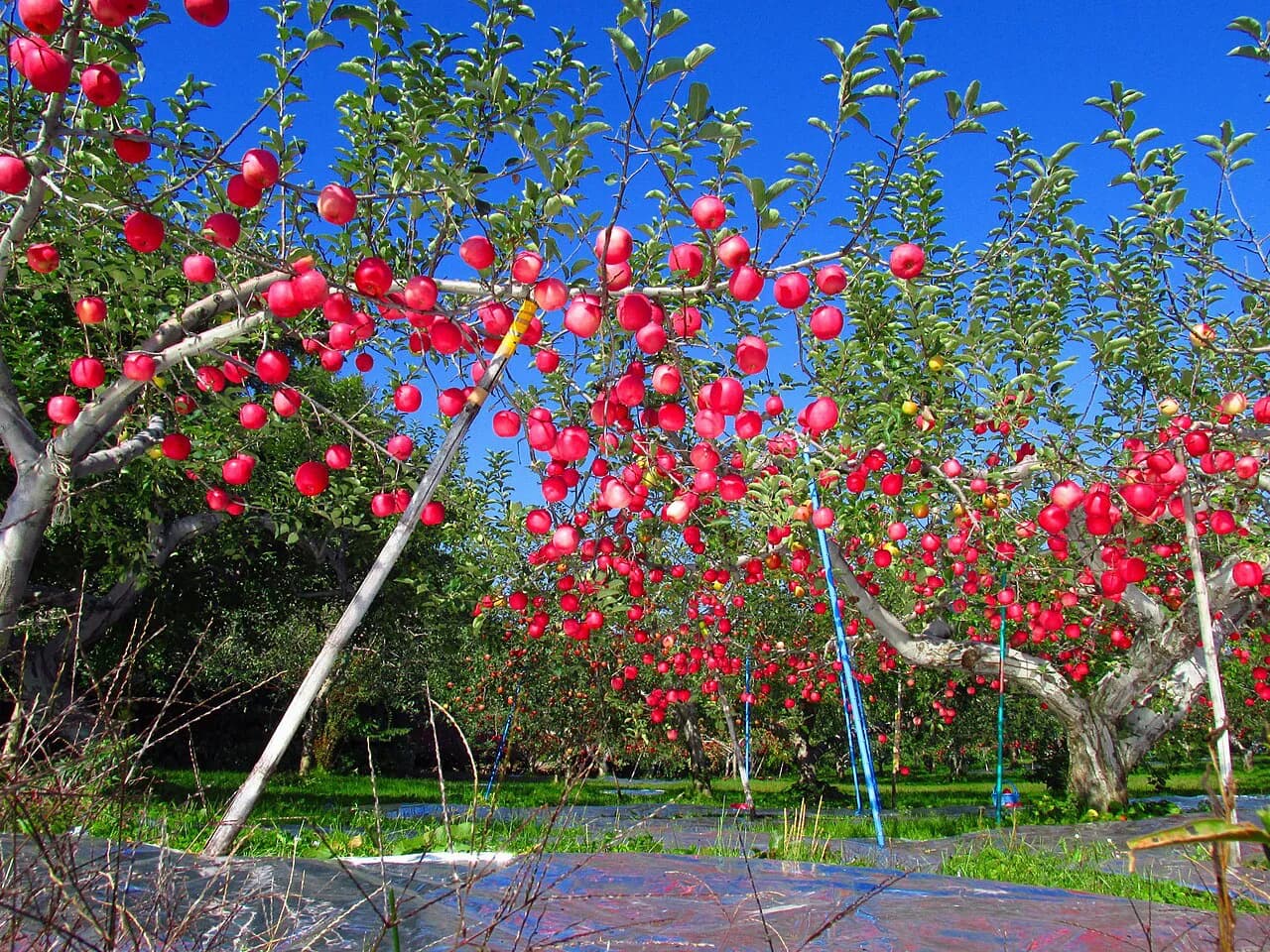
Aomori grows more apples than any other prefecture in Japan, and that scale built a real cider industry alongside the sake breweries. A seafood lunch calls for a dry Nambu pour. An afternoon break, especially one built around fruit-forward food, is the moment to switch to cider instead. Hirosaki has its own cider producers too. Cider Factory Kimori sits inside Hirosaki City Apple Park and uses mostly Sun Fuji apples for an unfiltered, full-bodied cider. Moriyama Apple Orchard makes the Tekikaka Cidre brand from young, hand-thinned apples that would otherwise go to waste. Both are worth building into the same Hirosaki stop as Rokka Shuzo, since all three sit in the same city. Neither cider producer requires the reservation a sake brewery tour does, and both offer tastings on-site.
Cider producers in Hirosaki require no advance booking, unlike sake brewery tours that typically cost in the ¥500-¥1,000 range, making an impromptu cider stop easier to fit into a flexible itinerary.
Brewery Tour Logistics: Reservations, Hours, and Costs
Hours and reservation rules vary enough between Hachinohe, Kuroishi, Oirase, and Aomori City that the logistics deserve a plan before you leave the hotel.
- Reservations come first
- Full tours at Narumi Jozoten and Hachinohe Shuzo need booking ahead of the visit.
- Momokawa Sake Brewery and Rokka Shuzo follow the same reserved-tour pattern.
- Tasting counters at these same breweries are usually open to walk-ins even when the tour itself is reserved-only.
- Hours run short
- Most tasting rooms close by 17:00.
- Hachinohe Shuzo is closed Sundays and holidays, and several smaller producers keep a similar schedule.
- Plan the last brewery stop of the day before mid-afternoon rather than after it.
- Budget for tastings, not one big-ticket tour
- Tasting flights and full tours both typically fall in the ¥500-¥1,000 range when a fee applies.
- A-Factory's factory tour is free; its tasting card is the only paid add-on there.
- Bottles cost about the same whether bought at the brewery counter or at ASPAM, so buy wherever the day ends.
- Route the transportation before the brewery list
- Check How To Get To Aomori: 10 Essential Routes and Travel Tips options first, since Hachinohe, Kuroishi, and Oirase are separate cities and towns from Aomori City.
- Pick a base using the Where to Stay in Aomori: 9 Best Areas and Tips (2026) guide, then build brewery stops around it.
- Cross-check hours against the best time to visit Aomori, since the December-to-March brewing season and summer festival crowds both change what's open.
- Slot two or three breweries into a full How Many Days In Aomori: 10 Planning Essentials instead of treating them as one rushed afternoon.
Mistakes to Avoid When Sake-Tasting in Aomori
A few recurring missteps turn an easy brewery day into a wasted one.
- Assuming a walk-in works for every tour
- Full tours at Narumi Jozoten and Hachinohe Shuzo require advance reservation, even though their tasting counters do not.
- Momokawa Sake Brewery and Rokka Shuzo follow the same pattern.
- Booking a day or two ahead avoids arriving to a closed tour desk.
- Skipping the seasonal releases
- Hiyaoroshi, an autumn release, and namazake, an unpasteurized winter pour, show up on shelves at different points in the year.
- A brewery's flagship bottle rarely tells the whole story of what's actually in stock that month.
- Ask which seasonal bottle is currently pouring instead of defaulting to the year-round label.
- Ignoring how Nebuta Matsuri reshapes the calendar
- Aomori's early-August festival period pulls crowds into the city center, and brewery and bar hours can shift around it.
- Confirm tasting-room hours directly before building a festival-week trip around one specific stop.
- Nebuta Matsuri itself does not close breweries, but it does concentrate crowds around the sake bars listed here.
- Treating cider as a backup instead of its own stop
- A-Factory's cider deserves its own tasting round, not just a consolation pour when a brewery is closed.
- Pair it with Aomori Apple Desserts and Cider: A-FACTORY, Hirosaki Pie Trail and Orchard Guide for an afternoon that doesn't touch sake at all.
- Combining a cider stop with dessert also makes for an easy non-alcoholic afternoon when someone in the group is driving.
A Car-Free Sake Route by Train
You can sample several Aomori labels without renting a car. Keep the itinerary near railway stations and avoid combining distant breweries in one afternoon.
- From Aomori Station, walk about two minutes to A-Factory or roughly ten minutes to ASPAM.
- Eki-naka Sake Bar 62371 is inside Hachinohe Station, making it the simplest tasting stop during a Shinkansen connection.
- Hachinohe Shuzo is near Mutsu-Minato Station on the JR Hachinohe Line. Confirm tour availability before leaving central Hachinohe.
- Narumi Jozoten stands on Nakamachi Komise Street, within walking distance of Kuroishi Station on the Konan Railway.
Regional trains can be infrequent, especially outside the Aomori–Hirosaki corridor. Check the return departure before starting a tasting or brewery tour.
Choose one geographic cluster each day. Pair Aomori Station with A-Factory and ASPAM, Hachinohe Station with Hachinohe Shuzo, or Kuroishi with Narumi Jozoten. This avoids expensive taxi transfers and leaves enough time before tasting rooms close.
Further reading: Aomori on Wikivoyage · Aomori on Wikipedia
Frequently Asked Questions
What's the difference between Tsugaru and Nambu sake?
Tsugaru breweries in western Aomori use Hanafubuki and Hanaomoi rice for a richer, fuller-bodied pour. Nambu producers in the east use Masshigura and Gin-eboshi rice for a sharper, drier style, according to the Tsugaru Local Sake Association.
Do Aomori sake breweries require a reservation?
Most full tours do, including Narumi Jozoten and Hachinohe Shuzo. Hachinohe Shuzo's tours run 10:00-17:00 and the brewery closes Sundays and holidays, though its tasting counter stays open to walk-ins.
Where can you taste Aomori sake without visiting a full brewery?
ASPAM in Aomori City stocks the widest retail selection for browsing. A-Factory runs a tasting-card system covering both cider and sake. Eki-naka Sake Bar 62371 inside Hachinohe Station works for a flight between trains.
What food pairs best with Aomori sake?
A rich Tsugaru bottle suits senbei-jiru hot pot or misokare gyunyu ramen. A drier Nambu pour works better alongside fresh catch from a local seafood market.
When is the best time of year for sake tasting in Aomori?
Brewing season runs roughly December through March, when some breweries let visitors watch fermentation in progress. Hiyaoroshi arrives in autumn and namazake in winter, so the label on the shelf changes through the year.
Can you buy Aomori sake without visiting a brewery in person?
Yes: ASPAM in Aomori City carries a wide retail selection, and Hachinohe's brewery shops sell bottles not always found elsewhere in the prefecture. A-Factory's market also stocks sake alongside its cider lineup.
Is Aomori sake different from sake made elsewhere in Japan?
The prefecture's brewer's rice varieties, including Hanafubuki and Hanaomoi, were developed specifically for local conditions, and cold Tsugaru winters slow fermentation in a way brewers there say shapes the final flavor.
Free guide: Japan's Hidden Gems
12 under-the-radar places beyond Tokyo & Kyoto — with the best season to visit each and a local tip you won't find in the guidebooks.
You might also like


Continue reading
More guides you'll find useful