
Japan Summer Festivals 2026: Gion Matsuri, Nebuta, and the Full Matsuri Circuit
Plan Japan summer festivals for 2026: Gion Matsuri and Aomori Nebuta dates, fireworks, heat tips, sajiki-seki seating, and the Tohoku festival circuit.
On this page
Last updated September 2026. Japan summer festivals run thick and fast between July and August, rooted in Shinto rites that once warded off plague and prayed for good harvests. Expect yukata-clad crowds, portable mikoshi shrines, and taiko drums driving processions through Kyoto, Osaka, and the Tohoku cities to the north.
The Big Three Summer Matsuri: Gion, Tenjin, and Kanda
Gion Matsuri anchors Kyoto's July calendar, with roots that Japan's tourism sector traces back to 869. Its float procession, called Yamaboko Junko, splits into two waves timed around July 17 and July 24. A curbside spot along the route costs nothing but four hours of standing in July heat, while a sajiki-seki block trades that wait for a fixed, shaded seat. Reserved blocks sell out well before those dates, so decide early which trade-off fits your trip. A dedicated Gion Matsuri float guide breaks down which blocks offer standing room versus paid seating. The Kyoto festival calendar lists the smaller side events that fill the rest of July. Tenjin Matsuri answers from Osaka on the Okawa River, pairing a land procession with a lantern-lit boat parade after dark. Check the Osaka events hub for embarkation points and viewing spots along the water. Kanda Matsuri gets grouped with Gion and Tenjin as Japan's three great matsuri, but it actually falls in mid-May and runs on a biennial cycle. Confirm the current year's status directly before building a summer trip around it.
Japan Summer Festivals Season Comparison: June Through August
June still counts as festival season, with early events drawing moderate crowds while afternoon highs sit near 27°C (81°F). Kanazawa's Hyakumangoku Festival reenacts feudal-era processions with samurai costume walks and drum performances. Nagoya's Atsuta Matsuri takes place at a shrine that traces back nearly 2,000 years, pairing lantern displays with food stalls and dance performances. July flips the switch: Gion Matsuri, Tenjin Matsuri, and Hakata Gion Yamakasa all land in the same four weeks. The Fukuoka festival calendar lists the shrine's exact route and start times. Afternoon highs push past 33°C (91°F), and Kyoto hotel rooms often disappear 6 to 10 months ahead of the dates. August adds the Tohoku circuit on top of that heat, with highs regularly touching 35°C (95°F) during Aomori Nebuta and Akita Kanto week. Ticketed extras follow familiar patterns across the festival calendar: small ticketed stalls run about ¥500, and a larger ticketed venue can reach ¥3,000. Those figures work as benchmarks for budgeting paid add-ons around otherwise free-entry matsuri.
| Month | Signature Festivals | Typical Highs | Crowd & Booking Pattern |
|---|---|---|---|
| June | Kanazawa Hyakumangoku, Atsuta Matsuri | 27°C (81°F) | Moderate crowds; rooms bookable inside 2-3 months |
| July | Gion Matsuri, Tenjin Matsuri, Hakata Gion Yamakasa, Sumidagawa Fireworks | 33°C (91°F) | Peak demand; Kyoto rooms often gone 6-10 months out |
| August | Aomori Nebuta, Akita Kanto, Sendai Tanabata, Awa Odori | 35°C (95°F) | Peak heat and peak Tohoku demand; book Aomori early too |
The Tohoku Summer Circuit: Aomori, Akita, and Sendai
Aomori Nebuta Matsuri runs its main procession from August 2 to 7 every year, a fixed window confirmed on the official Aomori Nebuta Festival site. Around 20 illuminated papier-mache floats move through the streets near Aomori's JR station, each built over roughly a year and finished with kabuki-style figures. Haneto dancers lead the procession in bell-hung costumes, and visitors can join by purchasing or renting their own haneto outfit. Akita's Kanto Matsuri runs August 3 to 7, built around performers balancing bamboo poles strung with lit paper lanterns on their palms, shoulders, and foreheads. Sendai's Tanabata Matsuri follows immediately after, typically August 6 to 8, filling the city's covered arcades with giant paper streamers. Many travelers link the three cities into a single four to five day loop by Shinkansen, often covered by a JR East rail pass. Seat reservations on those trains fill quickly during the first week of August. Book Aomori's festival lodging early, since rooms in the city sell out 6 to 10 months ahead. The Akita events guide covers viewing spots for the pole-balancing routines along the parade route.
Dance Festivals: Awa Odori and Gujo Odori
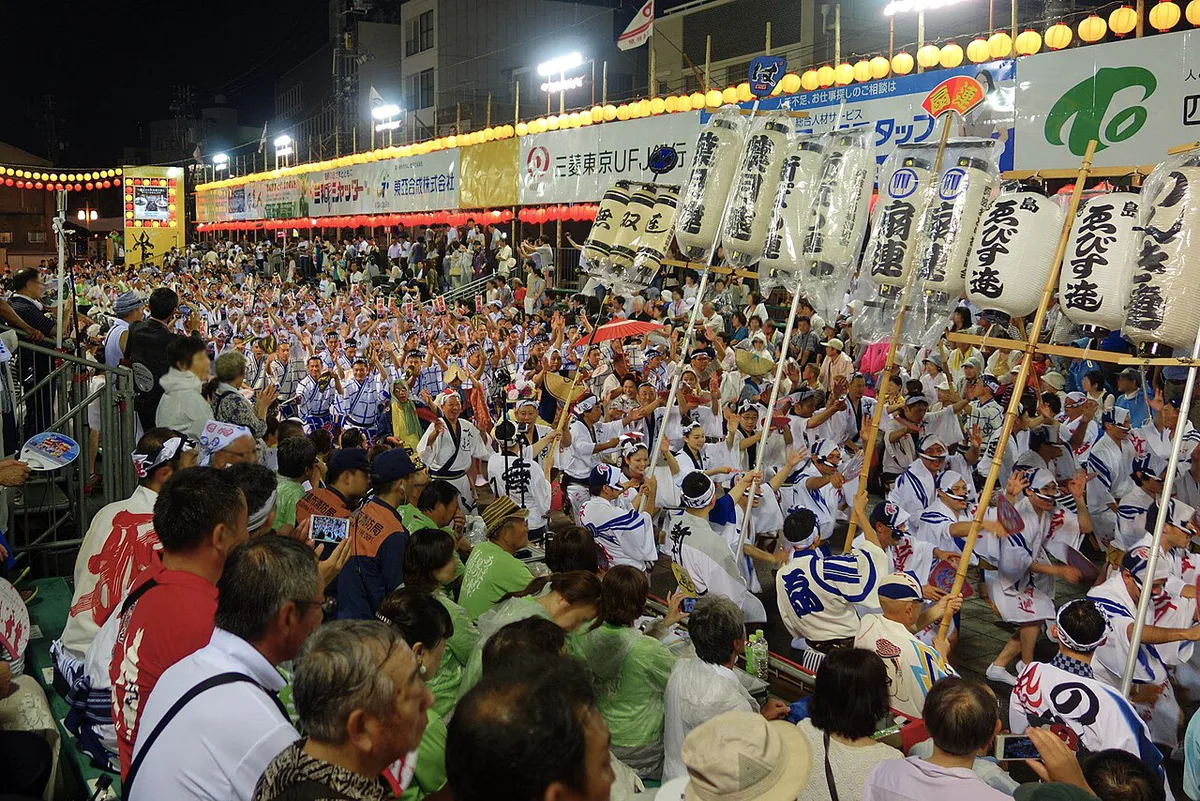
Tokushima's Awa Odori takes place in August and splits into two distinct experiences. Daytime slots feature choreographed stage performances by registered dance troupes, called ren, competing in front of ticketed grandstands. Nighttime turns the streets themselves into the stage, with ren groups parading and inviting spectators to join the simple two-step. The Awa Odori 2026: Tokushima Festival Travel Guide explains how to tell a beginner-friendly ren from a competitive one before joining in. Gifu's Gujo Odori runs on a longer calendar, from July into September, built around Obon week (August 13 to 16) when dancing continues through the night. Participants rotate through 10 different dances, each with its own song and step pattern, and newcomers can pick up the basics within a single evening. Comfortable footwear matters even more here, since dancing runs past midnight during the hottest week of the year.
Gujo Odori's midnight dancing occurs during August's hottest stretch at 35°C, making all-night dancing considerably more physically taxing than daytime festival viewing.
Hanabi: Japan's Summer Fireworks Displays
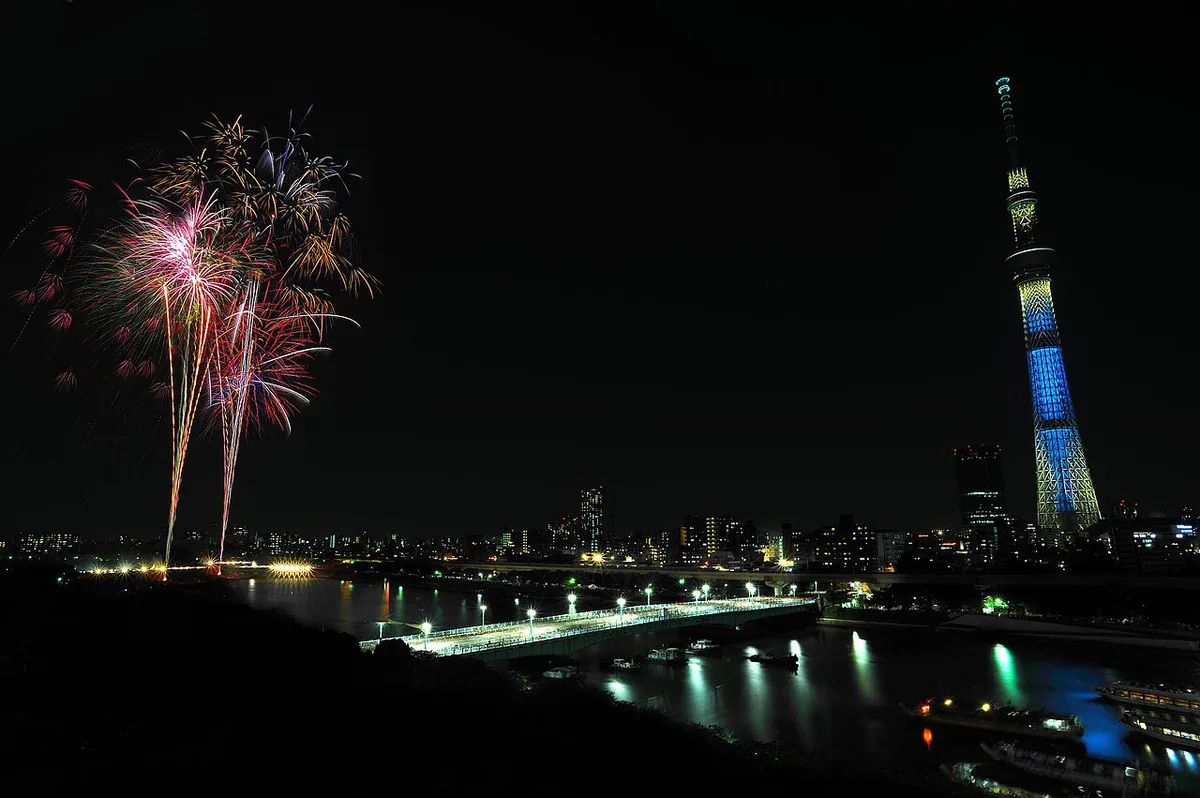
Sumidagawa Fireworks Festival traditionally lands on the last Saturday in July, drawing crowds along both banks of the Sumida River in Tokyo. Riverside viewing spots fill hours ahead of the first launch, while streets a few blocks back stay walkable much later. Confirm the exact 2026 date and any relocation notices through Tokyo's 2026 fireworks guide before locking in a hotel. Osaka's Yodogawa Fireworks Festival draws similarly large riverside crowds each summer, with current-year scheduling posted on the Osaka events hub. Both displays sell limited paid viewing areas alongside free riverbank space, mirroring the sajiki-seki pattern seen at Gion Matsuri.
- Sumidagawa Fireworks: dense riverside crowds, evening launch window, walkable from Asakusa-area stations
- Yodogawa Fireworks: large riverside crowds, similar evening program, viewing spread across both riverbanks
Beating the Heat: Practical Logistics for Festival Season
Standing crowds along parade routes often face highs near 35°C (95°F) with heavy humidity, so hydration planning matters more than sightseeing pace. Pack a handheld or battery fan, cooling wipes, and salt candy to offset sweat loss during multi-hour waits. Convenience stores near festival routes typically stock cooling sheets and sports drinks, useful backups if you forget to pack your own. Reserved sajiki-seki seating costs extra but removes the standing wait entirely, a trade worth considering for Gion Matsuri's July 17 and July 24 processions. Yukata rental is available near most major venues, though wooden geta sandals slow your walking pace in dense crowds. Kyoto and Aomori hotel rooms during festival week often sell out 6 to 10 months ahead, so lock accommodation as soon as travel dates are set. Cross-check current hours, closures, and transit notices through the Japan National Tourism Organization site. Pair this guide with the Best Time To Visit Japan: A Seasonal & Monthly Travel Guide overview for weather context across the rest of the year. A companion Japan Travel Guide: Plan Your Trip with Expert Tips & Itineraries covers visas, rail passes, and other trip basics that sit outside festival planning.
Festival Food and Street Etiquette
Matsuri food stalls, called yatai, turn side streets into open-air kitchens for the length of a festival. A handful of dishes show up at nearly every summer matsuri, listed below. Etiquette expects you to eat standing near the stall rather than walking through the crowd while eating, since walk-and-eat is considered impolite at most matsuri. Carry your trash until you find a designated gomi bin, since public bins are scarce near festival routes. Vendors often sort trash into burnable and recyclable bins, so check labels before tossing anything.
With above 2 million visitors at festivals like Aomori Nebuta, the standardized yatai lineup streamlines service for massive crowds.
- Takoyaki: octopus dumplings, grilled and topped with sauce and dried bonito flakes
- Yakisoba: stir-fried noodles with cabbage and a thick, sweet-savory sauce
- Choco-banana: a frozen banana on a stick, dipped in chocolate and sprinkles
- Kakigori: shaved ice with flavored syrup, sold as a heat-relief staple
- Hashimaki: okonomiyaki batter rolled around a wooden stick for easy one-handed eating
Beyond Summer: Sliding Into Autumn Festivals
September brings a shift toward harvest festivals, led by Kishiwada Danjiri's high-speed cart-pulling processions in Kishiwada. Kyoto's Jidai Matsuri follows in October, trading floats for a costume procession spanning centuries of the city's history. The Jidai Matsuri guide covers the route and viewing spots. Takayama's autumn festival adds another stop on the circuit, and the Takayama autumn festival guide details its own float lineup and current dates. Nagasaki Kunchi closes out the early-autumn circuit in October with a Chinese-influenced dragon dance tied to the city's festival history. See the Nagasaki festival calendar for exact dates. Travelers who prefer flowers over heat and humidity should look at Japan's spring festival season instead, when cherry blossoms replace fireworks as the main draw. The full festivals-in-japan hub ties every regional calendar together for year-round planning. A companion Japan Matsuri Guide 2026: Best Festivals, Dates & Planning Tips explains the Shinto roots behind every regional calendar.
Frequently Asked Questions
What is the biggest summer festival in Japan?
Aomori's Nebuta Matsuri routinely reports the largest attendance among summer matsuri, with visitor counts above 2 million during its August 2 to 7 run. Tokushima's Awa Odori follows with more than 1 million visitors across its August dates. Both rely on free street-level viewing, so size doesn't translate into higher costs.
Do you need tickets for Japanese summer festivals?
Most street-level viewing for events like Gion Matsuri and Aomori Nebuta Matsuri is free. Paid reserved seating, called sajiki-seki, is available along some parade routes for a guaranteed spot instead of a multi-hour standing wait. Reserve these blocks as early as possible in the year, since they sell out well before the July 17 and July 24 procession dates.
What should you wear to a Japanese summer festival?
A yukata, a lightweight cotton kimono, is the traditional festival outfit, and rental shops operate near most major venues. Wooden geta sandals are the traditional footwear, but they slow your walking pace considerably in dense crowds. Breathable, light-colored clothing with comfortable shoes works just as well if you skip the rental.
Is Japan too hot for festivals in August?
August festival crowds regularly face highs near 35°C (95°F) with heavy humidity, and heatstroke, known locally as netsu-chu-sho, is a common street-level warning during Obon week. Carry water, a handheld fan, and salt candy, and plan shaded rest breaks between parade segments. Most festivals stay manageable with these precautions, and early mornings or evenings are more comfortable than midday viewing.
How do you see the Tohoku festivals (Nebuta, Kanto, Tanabata) in one trip?
Aomori Nebuta Matsuri (August 2 to 7), Akita Kanto Matsuri (August 3 to 7), and Sendai Tanabata Matsuri (August 6 to 8) overlap by design. Linking them by Shinkansen works well as a single four to five day loop. Book Aomori accommodation especially early, since rooms in the city sell out 6 to 10 months ahead of festival week.
When should you book flights and hotels for Japan's summer festivals?
Kyoto and Aomori accommodation for festival week often sells out 6 to 10 months ahead, so book those cities first. Osaka and Tokyo generally hold availability longer, but prices still climb as July and August approach. Booking a June trip instead trades some festival intensity for noticeably lower demand.
Free guide: Japan's Hidden Gems
12 under-the-radar places beyond Tokyo & Kyoto — with the best season to visit each and a local tip you won't find in the guidebooks.
You might also like


Continue reading
More guides you'll find useful


