
14 Best Festivals in Japan (2026): Dates, Booking & Viewing Guide
Plan a trip around festivals in Japan, from Gion Matsuri to the Sapporo Snow Festival, with 2026 booking windows, dates, and crowd tips for 14 matsuri.
On this page
Last updated September 2026, this guide breaks down the best festivals in Japan by season. Snow sculptures light up Hokkaido in February, and float processions fill Kyoto's streets every July. Exact dates and crowd sizes shift year to year, so treat the days below as a planning anchor and confirm specifics closer to your trip.
What Is a Matsuri? Shinto and Buddhist Roots Behind Festivals in Japan
A matsuri is a community festival rooted in Shinto reverence for kami, local deities tied to shrines, rivers, and rice harvests. Many also carry Buddhist elements, especially rituals honoring ancestors during Obon in mid-August. Portable shrines called mikoshi carry a kami's spirit through neighborhood streets, while taiko drums and street-food stalls known as yatai set the pace of nearly every event. Across the year, the festival calendar moves like a wheel. Winter brings snow festivals to Hokkaido and Tohoku. Spring adds floats and courtly parades, summer brings fire, water, and dance festivals, and autumn closes the cycle with harvest and ancestor rites. Regional style varies widely, from Tohoku's snow festivals to Okinawa's Eisa drum dances, which blend Ryukyu tradition with the Obon calendar. For a fuller rundown of shrine visits, seasonal customs, and etiquette, the matsuri planning guide covers the terms used throughout this list.
Plan a Trip Around Festivals in Japan: Booking Windows, Tickets, and Transit
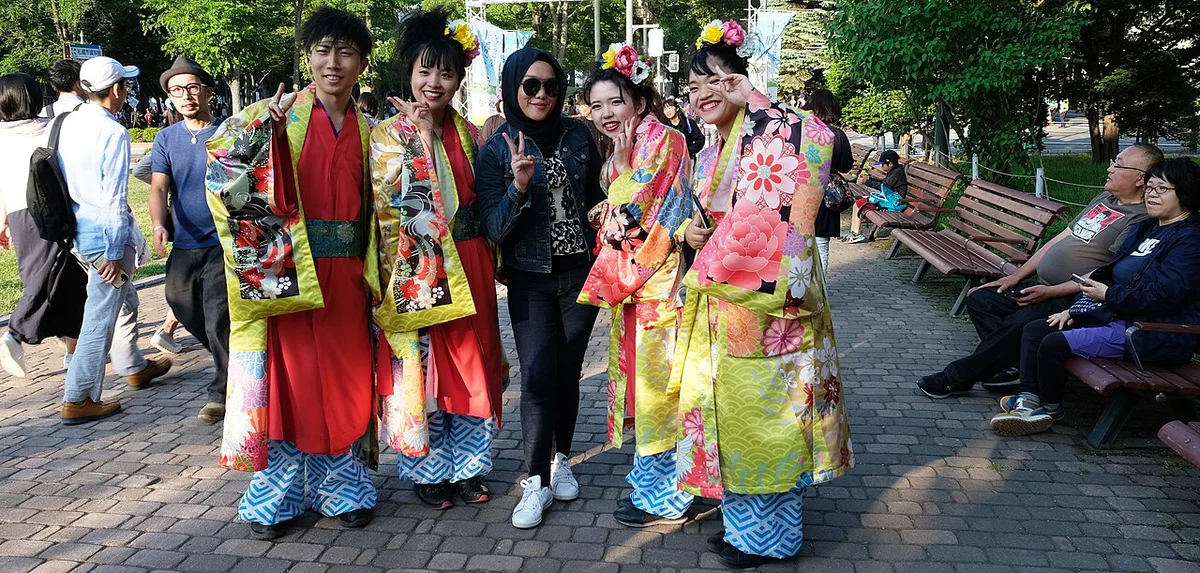
During the biggest weeks, hotel rates near the venue can roughly triple, and full-city occupancy is common. Book six or more months ahead for Gion Matsuri, Nebuta Matsuri, or Awa Odori. Free curbside viewing works for most parades. Paid reserved seating exists for events like the Sumida River Fireworks Festival. A paid block guarantees a clear sightline, while free riverbank spots fill up hours before the show. Haneto dancer registration and other participatory tickets are usually announced through each festival's official channels closer to the date. Energy levels vary sharply between events. Awa Odori and Nebuta Matsuri invite spectators to dance or pull floats alongside residents, while Kyoto's Gozan Okuribi bonfires and Toyama's Owara Kaze no Bon reward quiet, standing observation instead. Gozan Okuribi lights its first bonfire, the character 大, at 8:00 p.m., with four more shapes following at five-minute intervals across the hillsides. Owara Kaze no Bon runs special trains from Toyama Station that require a numbered ticket instead of a walk-up seat. Obon, the nationwide Buddhist tradition honoring ancestors described by the Japan National Tourism Organization, falls August 13-15 in most regions, with Kyoto's ceremony on August 16. Golden Week in early May brings a similar shinkansen crunch, so lock in JR Pass seat reservations as soon as travel dates are fixed. The Best Time To Visit Japan: A Seasonal & Monthly Travel Guide guide breaks down which weeks pair festival energy with manageable crowds. The Japan Travel Guide: Plan Your Trip with Expert Tips & Itineraries covers the wider logistics, from rail passes to regional transit.
14 Best Festivals in Japan by Season
The 14 festivals below run in seasonal order, starting with spring floats and ending with winter snow sculptures. Spring entries pair well with the spring festivals guide for cherry-blossom timing. Summer carries the heaviest festival calendar, covered in more depth by the summer festivals guide. Each entry lists the month, the core action, and how far ahead to book.
Since Obon falls August 13-15 nationally, mid-August festivals like Awa Odori and Nebuta Matsuri overlap peak holiday travel, driving their shared 'Hard' booking difficulty.
- Takayama Spring Festival (Gifu) — April
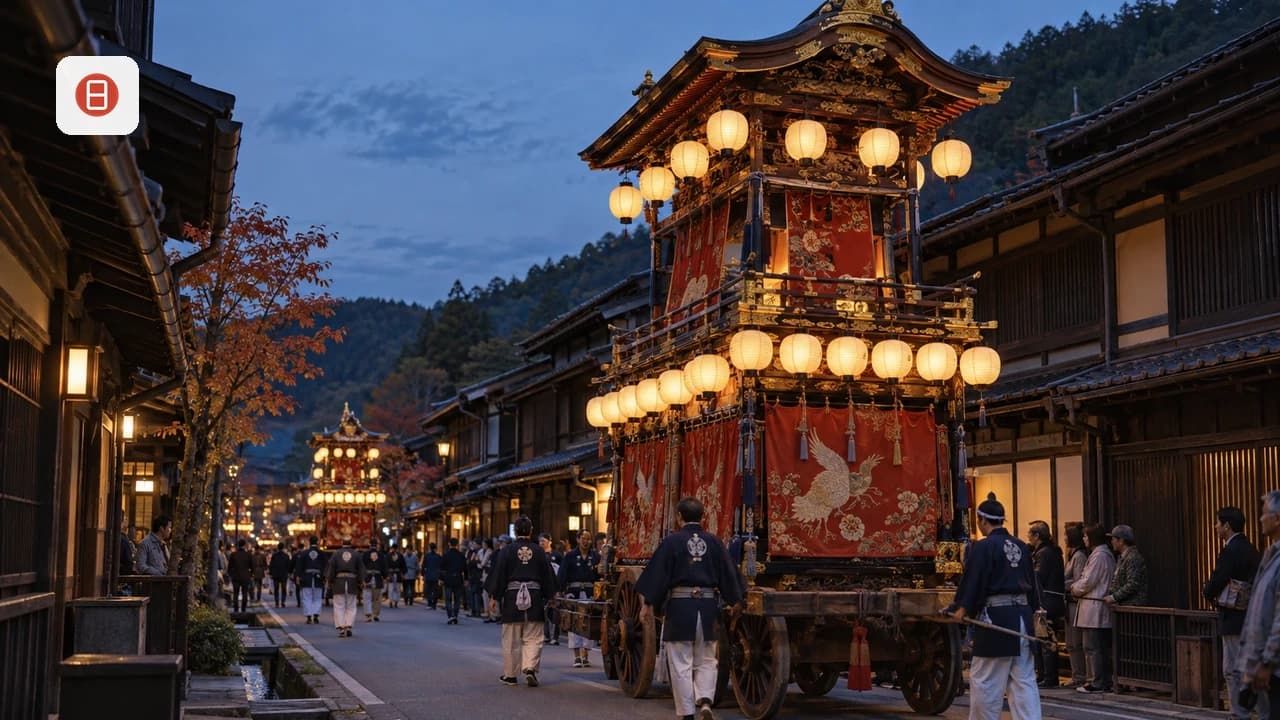
- Elaborately carved floats called yatai parade through Takayama's old town every April, several fitted with mechanical marionette dolls that perform mid-parade.
- The night festival portion lets lantern-lit floats process after dark, a quieter contrast to the daytime crowds.
- Local event listings at 6 Best Takayama Festivals and Events to Plan Around in 2026 post exact dates once the city confirms its April calendar.
- Kanda Matsuri (Tokyo) — Mid-May, Odd-Numbered Years
- One of Tokyo's largest mikoshi festivals, Kanda Matsuri alternates with the Sanno Matsuri and runs only in odd-numbered years, so 2027 is the next full-scale edition.
- Dozens of portable shrines move through central Tokyo, with crews chanting to keep pace as they carry each mikoshi.
- Check Tokyo Events 2026: Festival Calendar & Dates for the confirmed route closer to the date.
- Gion Matsuri (Kyoto) — July 1-31
- Kyoto's Gion Matsuri runs the entire month of July, with two float processions: Saki Matsuri on July 17 and Ato Matsuri on July 24.
- Yoiyama evenings on July 14-16 and July 21-23 fill the surrounding streets with lanterns and food stalls.
- This is one of the festivals the planning section flags for six-plus-month hotel booking, so reserve a room in the 10 Best Kyoto Festivals and Events to Plan Around in 2026 catchment early.
- Hakata Gion Yamakasa (Fukuoka) — July 1-15, Race at 4:59 a.m.
- Teams race one-ton decorated floats along a roughly 3.1-mile course through the city at 4:59 a.m. on July 15, the festival's final and most dramatic morning.
- Static kazariyama floats, elaborately decorated, go on display around the city for the two weeks before the race, giving a slower way to see the craftsmanship.
- Hakata Gion Yamakasa's viewing guide covers where to stay within walking distance of the pre-dawn route.
- Nebuta Matsuri (Aomori) — August 2-7
- Illuminated floats depicting mythic figures move through Aomori each night from August 2-7, trailed by haneto dancers chanting Rassera, Rassera.
- On the final night, the floats board boats for a send-off across Aomori Bay, closed out with fireworks.
- The official Nebuta Matsuri site lists haneto costume rental for travelers who want to dance instead of watch.
- Tenjin Matsuri (Osaka) — Late July
- Tenjin Matsuri combines a daytime land procession with an evening river procession, when a fleet of boats carries mikoshi along the water.
- Fireworks close the evening once the boat procession is underway, drawing crowds to both riverbanks.
- Plan around Osaka Events 2026: Confirmed Festival Dates & Calendar listings, since exact July dates are set locally each year.
- Sumida River Fireworks Festival (Tokyo) — Last Saturday of July
- Roughly 20,000 shells launch from two points along the Sumida River, traditionally on the last Saturday of July from about 7:00 to 8:30 p.m.
- Free riverbank spots near Sakura Bridge and Kototoi Bridge fill up hours before the first shell, so arrive early if you skip paid seating.
- Tokyo's fireworks festivals guide tracks the confirmed 2026 date and paid viewing options as they're announced.
- Awa Odori (Tokushima) — Mid-August
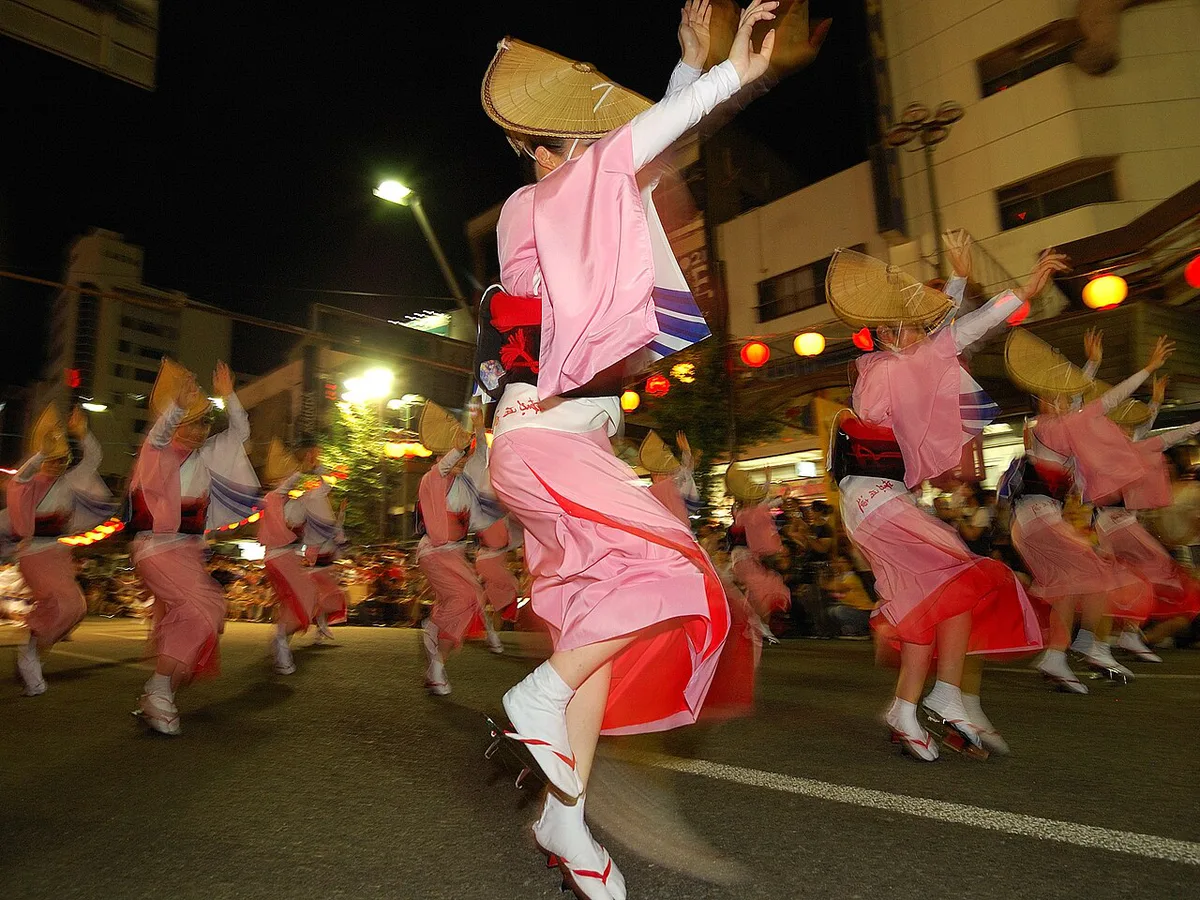
- Dance troupes called ren move through central Tokushima each mid-August, and visitors can join beginner-friendly ren instead of only watching.
- This festival overlaps the nationwide Obon holiday, so trains and hotels across Shikoku book up at the same time.
- Awa Odori's festival guide covers how to join a dancing group instead of standing on the sidelines.
- Nagasaki Kunchi (Nagasaki) — Early October
- Neighborhood groups take turns performing dragon dances shaped by centuries of historical Chinese trade contact with the city.
- Performances repeat across several days in early October at different squares around the city.
- Local dates and venue listings are tracked at Nagasaki Festivals Guide: 11 Best Events, Dates & Local Logistics.
- Jidai Matsuri (Kyoto) — Late October
- Costumed participants walk a procession that moves backward through Kyoto's history, era by era, from recent centuries to the ancient Heian period.
- It is one of Kyoto's major annual processions, held each October.
- Jidai Matsuri's route guide maps free viewing points along the parade path.
- Kurama Fire Festival (Kyoto) — Late October
- Residents carry large pine torches through the mountain village of Kurama after dark, building to bonfires near the local shrine.
- Flames close to the narrow street make this one of the more intense torch festivals to watch in person.
- Kurama's fire festival guide covers train timing back to Kyoto, since the village empties out fast once the fires die down.
- Sapporo Snow Festival (Hokkaido) — Early February
- Massive snow and ice sculptures fill Odori Park and other sites across the city each February, some large enough to walk through.
- Crews spend weeks building the largest sculptures, so the festival site is worth visiting in the days just before opening.
- Sapporo's snow festival guide covers which viewing sites draw the biggest crowds and which stay quieter.
- Nozawa Onsen Fire Festival (Nagano) — Mid-January
- Village men defend a wooden shrine structure against a crowd trying to set it alight, one of the events counted among Japan's three great fire festivals.
- This ritual takes place in the hot spring town of Nozawa Onsen each mid-January, drawing both onsen guests and day-trip visitors.
- Nozawa Onsen's fire festival guide explains where to stand for the clearest view of the structure burning.
- Yokote Kamakura Festival (Akita) — Mid-February
- Snow huts called kamakura dot the city of Yokote each February, many lit from inside with candles after dark.
- Children inside some kamakura offer rice cakes and warm amazake to visitors who stop to look, a quieter counterpart to the region's bigger winter festivals.
- Yokote's kamakura festival guide has directions from the nearest train stop.
Which Japan Festival Matches Your Travel Style? Vibe and Booking Difficulty Compared
Booking difficulty below reflects our editorial assessment of typical hotel and seating availability, not an official rating. Fourteen matsuri covered above are the most asked-about, but Japan's festival calendar runs deeper than one list. Nara's yamayaki festival burns dry grass on a hillside each January, well outside the fourteen above. Otaru's Snow Light Path offers a quieter winter alternative to Sapporo's crowds. Vibe and booking difficulty for every festival named already appear side by side below.
Hakata Gion Yamakasa's high-energy participatory format starts at 4:59 a.m., making its 'Hard' booking difficulty stem from timing as much as accommodations.
| Festival | Month | Vibe | Booking Difficulty |
|---|---|---|---|
| Takayama Spring Festival | April | Reflective / spectator | Medium |
| Kanda Matsuri | Mid-May (odd years) | High-energy / participatory | Medium |
| Gion Matsuri | July | Reflective / spectator | Hard |
| Hakata Gion Yamakasa | July 1-15 | High-energy / participatory | Hard |
| Nebuta Matsuri | August 2-7 | High-energy / participatory | Hard |
| Tenjin Matsuri | Late July | Reflective / spectator | Medium |
| Sumida River Fireworks Festival | Last Saturday of July | Reflective / spectator | Hard |
| Awa Odori | Mid-August | High-energy / participatory | Hard |
| Nagasaki Kunchi | Early October | Reflective / spectator | Medium |
| Jidai Matsuri | Late October | Reflective / spectator | Medium |
| Kurama Fire Festival | Late October | Reflective / spectator | Medium |
| Sapporo Snow Festival | Early February | Reflective / spectator | Easy |
| Nozawa Onsen Fire Festival | Mid-January | High-energy for participants, reflective to watch | Medium |
| Yokote Kamakura Festival | Mid-February | Reflective / spectator | Easy |
Mistakes to Avoid at Japanese Festivals: Crowds, Photography, and Yatai Etiquette
For headline events like Gion Matsuri's float processions or the Hakata Gion Yamakasa race, arriving three hours early is often the bare minimum for a clear view. Flash photography is discouraged at night rituals such as torch-lit processions and bonfire lightings, since flash disrupts both the ritual and other viewers' night vision. Street food stalls, or yatai, rarely provide public trash cans, so carrying a wrapper or cup until you find a bin is standard practice. Hakata Gion Yamakasa's race starts before 5 a.m., so checking 7 Best Fukuoka Festivals in 2026: The Big Three and the Full-Year Calendar for a nearby place to stay matters more than chasing the lowest room rate.
Frequently Asked Questions
When is the best time to see festivals in Japan?
Summer, from July through August, packs in the most events, including Gion Matsuri, Nebuta Matsuri, and Awa Odori, though heat and humidity peak at the same time. Winter, especially February, trades crowds for snow sculptures in Hokkaido and Akita. Best Time To Visit Japan: A Seasonal & Monthly Travel Guide breaks down which weeks balance festival energy against manageable weather and crowds.
How far ahead should you book a hotel for a major matsuri?
Six months or more is standard for Gion Matsuri, Nebuta Matsuri, and Awa Odori, when hotel rates near the venue can roughly triple. Smaller regional festivals, like the Yokote Kamakura Festival, usually need far less lead time.
Can visitors take part in festivals like Awa Odori or Nebuta Matsuri, or only watch?
Both festivals welcome participants. Awa Odori runs beginner-friendly ren that visitors can join on the spot. Nebuta Matsuri sells haneto dancer costume rentals through its official channels, covered on the official Nebuta Matsuri site.
What are the biggest etiquette mistakes to avoid at a Japanese festival?
Arriving right before an event starts is the most common mistake. Crowds for headline moments, such as the Hakata Gion Yamakasa race or Gion Matsuri's float processions, are three or more hours deep before the main event. Flash photography and littering near yatai food stalls round out the top complaints from festival organizers.
Do festival dates stay the same every year?
Some do: Gion Matsuri runs July 1-31 every year, and the Hakata Gion Yamakasa race falls on July 15. Others shift with the lunar or civic calendar, including Kanda Matsuri, which only runs in odd-numbered years such as 2027. Confirm exact dates on each linked festival guide before booking travel.
Explore Japan's festival calendar
Go deeper by season, by the anatomy of a matsuri, or by the city whose event calendar you need.
Season by season
- Japan Summer Festivals 2026
- Japan Spring Festivals 2026
- Sapporo Snow Festival guide
- Otaru Snow Light Path Festival Guide: Venues, Timing, and Local Tips
- Yokote Kamakura Festival, Akita
- Takayama Autumn Festival 2026
- Nozawa Onsen Fire Festival Guide: Dates, Rules & Stay Requirements
Understanding matsuri
By city and region
- Tokyo Events 2026
- 10 Best Kyoto Festivals and Events to Plan Around in 2026
- Osaka Events 2026
- Sapporo events
- Hiroshima Events 2026
- 7 Best Fukuoka Festivals in 2026
- Nagasaki Festivals Guide
- 10 Best Aomori Festivals and Events for Every Season
- 10 Best Akita Festivals
- 6 Best Takayama Festivals and Events to Plan Around in 2026
- Nagoya Festivals Guide: 8 Key Insights for Travelers
- 10 Unforgettable Kanazawa Festivals & Events
- 10 Essential Guides to Nara Festivals and Events
- 10 Best Okinawa Festivals and Events to Experience in 2026
Signature single festivals
- Gion Matsuri Kyoto Guide: Parades, Schedule & Local Tips
- Tokushima Festival Travel Guide
- Hakata Gion Yamakasa 2026
- Summer Festivals in Tokyo
- Tokyo Fireworks Festivals 2026: Dates, Best Spots & Viewing Guide
- 3-Day Itinerary and Machi-Nori Bike Guide
- Yamayaki Festival Nara Guide: 7 Essential Planning Tips
- Shuri Castle Festival Naha: Dates, Parade Route, and 2026 Reconstruction Guide
- Eisa Festivals in Okinawa
Plan your trip
Free guide: Japan's Hidden Gems
12 under-the-radar places beyond Tokyo & Kyoto — with the best season to visit each and a local tip you won't find in the guidebooks.
You might also like


Continue reading
More guides you'll find useful


