Eisa Festivals in Okinawa: 2026 Guide to Zento Eisa, Naha's Parade, and Eisa Nights
A 2026 guide to eisa festivals in Okinawa: the Zento Eisa Matsuri in Koza, Naha's 10,000 Dancers Parade, and weekly Eisa Nights, with dates and travel tips.
On this page
Last updated August 2026, this guide covers eisa festivals in Okinawa and how to plan a trip around them. The Okinawa Zento Eisa Matsuri in Koza runs three days, while Naha's 10,000 Eisa Dancers Parade fills a single afternoon on Kokusai Street. Community Michijune processions and weekly Eisa Nights fill in the gaps for travelers whose dates miss those two headline weekends.
What Is Eisa? Okinawa's Obon Dance Tradition
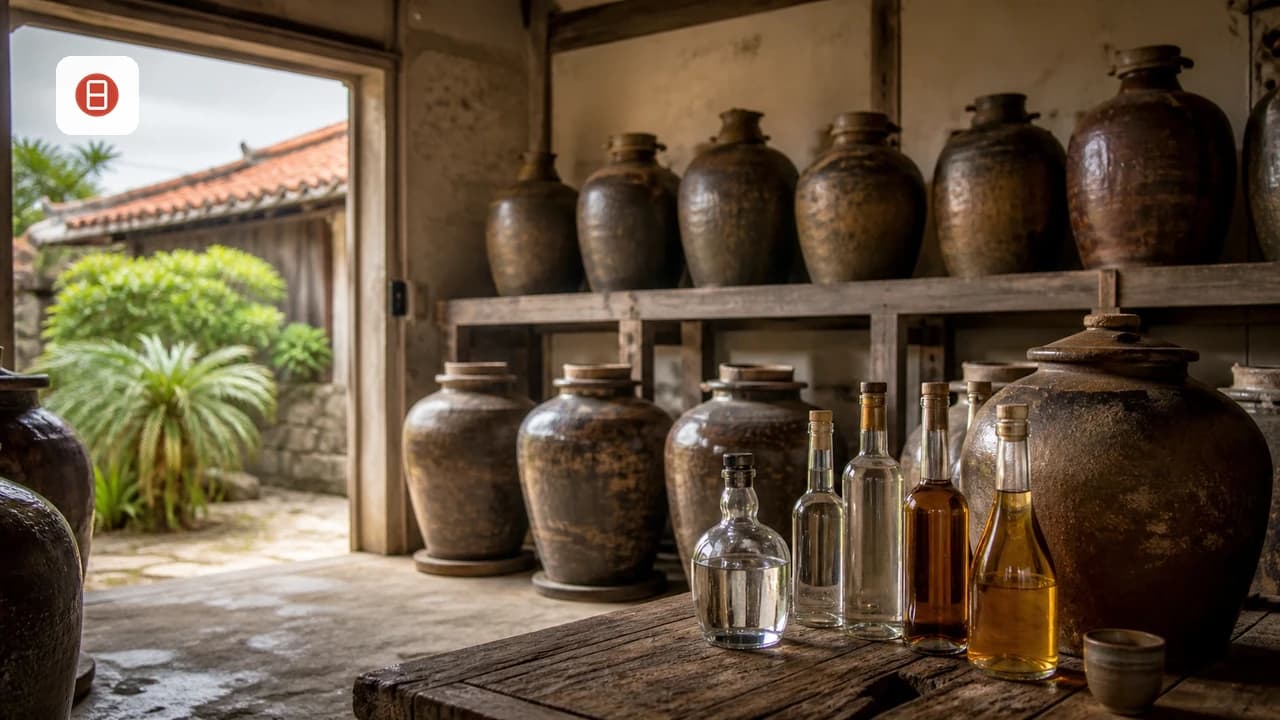
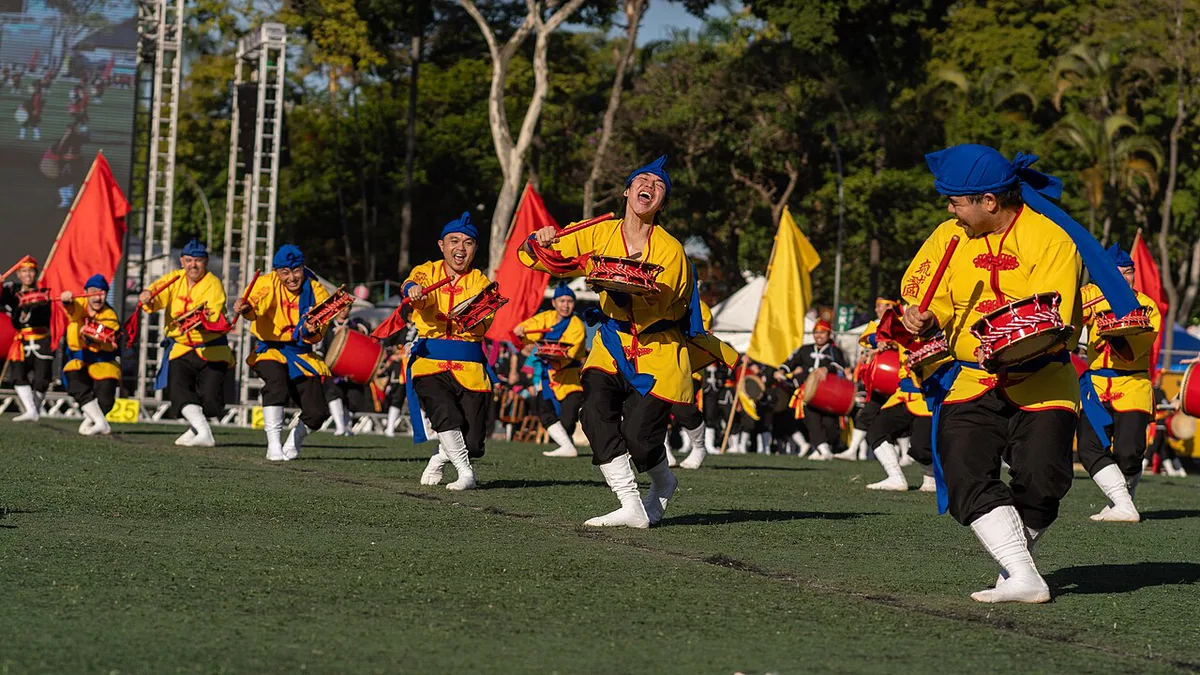
Eisa began as a dance performed during Obon, the Okinawan observance that honors ancestral spirits each summer. Communities pray for the health and prosperity of their households while drummers lead lines of dancers through neighborhood streets. Its roots trace to nembutsu chanting, a Buddhist practice brought to Naha in the early 1600s and later reshaped by local youth associations into today's performance. Three drum types shape the sound. Odaiko are large barrel drums, usually carried by lead dancers. Shimedaiko are medium-sized, similar to drums used in Noh theater. Paarankuu are small hand drums, light enough for dancers to spin and crouch through fast choreography while playing them. Style also varies by region. Central Okinawa favors taiko-heavy formations, with male drummers leading female dancers in double lines. Northern areas, including the Motobu Peninsula, keep older drumless traditions instead, where dancers circle a sanshin player rather than march behind drums. This range of style is why Okinawa's festival calendar rewards a closer look beyond the headline dates. A broader guide to 10 Best Okinawa Festivals and Events to Experience in 2026 covers traditions across the island, eisa included.
Eisa Festivals in Okinawa: The Three Best Places to Watch
Three main options cover most travel plans built around eisa festivals in Okinawa. Each suits a different kind of trip, from a short Naha stopover to a dedicated cultural weekend in Okinawa City. Scale, crowd size, and required transport differ sharply between them, so matching the event to the itinerary matters more than picking whichever date happens to align with a flight. The table below compares location, 2026 dates, and who each event suits best. JNTO's Okinawa destination guide is a useful general reference for broader trip planning alongside this comparison.
Naha's August parade is car-free, while Koza's September 4 through 6 festival draws more than 300,000 spectators, requiring advance transportation planning.
| Festival | Location | 2026 Dates | Best For |
|---|---|---|---|
| Okinawa Zento Eisa Matsuri | Koza Sports Park, Okinawa City | September 4-6 | Photography, deep-dive culture seekers, pairing with Orion Beerfest |
| 10,000 Eisa Dancers Parade | Kokusai Street, Naha | First Sunday of August | Families and short-stay travelers without a rental car |
| Eisa Nights | Venues around Okinawa City | Weekly, June through August | Visitors whose dates miss the two main festival weekends |
Okinawa Zento Eisa Matsuri in Koza: The Main Event
Okinawa Zento Eisa Matsuri has run in Koza, part of modern Okinawa City, since 1956. Its 2026 edition is the 71st, scheduled for September 4 through 6 at Koza Sports Park Athletics Field. Day one centers on the Michijune, a street parade around the Goya intersection that begins in the evening. Stadium performances fill days two and three. Thirteen troupes perform on day two and fourteen on day three, with each program running from around 15:00 to 21:00. Tourism materials describe it as the island's largest eisa festival, with crowds reported at more than 300,000 spectators across the full weekend. Admission to the stadium program is free. Paid parking lots operate in the streets around the venue for anyone arriving by car, and spaces fill fast as the Saturday and Sunday programs approach.
The 10,000 Eisa Dancers Parade in Naha
Naha runs its own eisa showcase along Kokusai Street, the city's main shopping thoroughfare. Started in 1995, the 10,000 Eisa Dancers Parade takes place on the first Sunday of August and draws performers of all ages, including school and youth groups. Many of the troupes here lean toward 'creative eisa,' a modern style set to contemporary Ryukyuan and pop music rather than traditional nembutsu songs, offering a contrast to the more traditional formations common in Koza. Because the route runs through central Naha, the parade suits travelers without a rental car or a tight itinerary. A fuller look at the capital's calendar is available in this guide to Naha's festivals and events. The Shurijo Castle Revival Festival runs later in the year in Naha, covered separately in the Shuri Castle festival guide.
Traditional Eisa vs. Creative Eisa: What's the Difference
Two broad styles show up across Okinawa's eisa festivals, and knowing the difference changes what to expect at each event. Traditional troupes are organized by neighborhood youth associations and dance to nembutsu songs and older folk melodies played on the sanshin, a three-stringed Okinawan instrument. Costumes and formations follow patterns specific to that community, sometimes unchanged for generations. Creative eisa took shape in the 1980s as teams outside neighborhood boundaries began choreographing routines to newer Ryukyuan pop songs instead of traditional standards. These groups often mix drummed and drumless dancers regardless of gender, a departure from older gender-specific roles. Koza's Zento Eisa Matsuri showcases both categories side by side, including dedicated creative-eisa groups alongside long-running neighborhood associations. Naha's parade leans further toward the newer style, since its younger, club-style teams suit a single-afternoon performance well.
Eisa Nights: Catch the Buildup Before the Main Festival
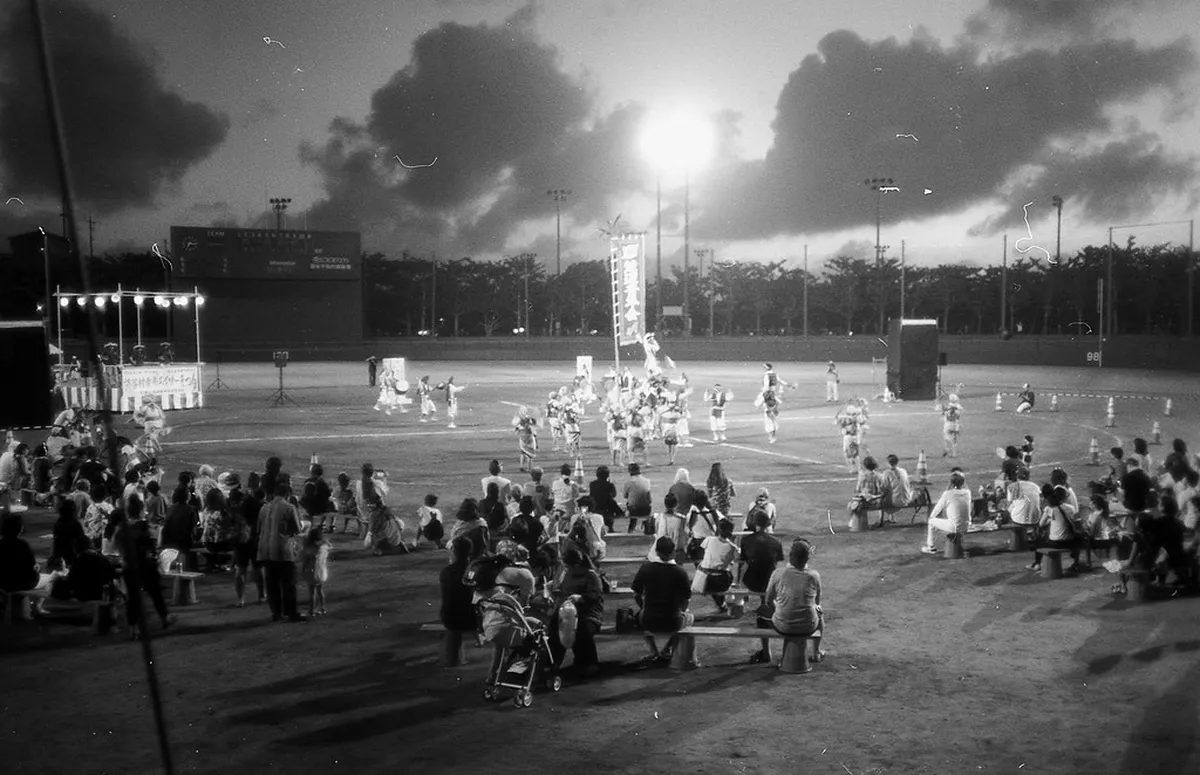
Eisa Nights run weekly around Okinawa City from June through August, well before the two headline festivals. Neighborhood youth associations, the same community groups that perform at Zento Eisa, rehearse and perform in public each week during the buildup. Audiences tend to be smaller than at Koza or Naha, and children's troupes often open the program. Locations rotate between community venues rather than one fixed site, so checking the current week's listing matters more than for the two dated festivals. Beyond the two headline festivals, individual neighborhoods also run their own smaller processions and one-off street festivals through Obon week and the weeks after, usually organized by a single youth association rather than a citywide committee. This is the option worth choosing when travel dates fall outside the two main festival weekends. It runs across most of the summer instead of just one weekend.
Planning Around the Lunar Calendar: Obon and Festival Dates
Eisa festival dates move every year because they follow the lunar Obon calendar rather than a fixed date on the Gregorian calendar. Obon 2026 falls August 25 through 27, and the Zento Eisa Matsuri follows on the first weekend after it, September 4 through 6. That gap explains why some travel sources list slightly different dates each year. The festival is always anchored to the weekend after Obon, not a fixed calendar date. Confirm current dates against the official Visit Okinawa tourism site before booking flights, since Obon's date shifts on the lunar calendar every year. A wider view of how eisa fits into the island's yearly rhythm is available in the Okinawa Festival Calendar by Season: A Month-by-Month Guide.
Getting to Koza and Naha: Logistics and Traffic
Okinawa City sits roughly 30 to 45 minutes from Naha by car without traffic, reached via the Okinawa Expressway to the Okinawa Minami IC exit, a couple of minutes' drive from Koza Sports Park. Festival weekends change that math substantially. Traffic around the Goya intersection and nearby Kadena Air Base gets heavy during the Michijune parade and stadium nights, with local restrictions in effect near the venue. Public shuttles or buses are worth checking for festival nights rather than driving straight into the restricted zone. Confirm current routes and any shuttle options through the guide to getting between Okinawa's regions before the trip.
- Paid parking lots operate in the streets surrounding Koza Sports Park; arrive early on stadium nights to secure a spot.
- The Okinawa Expressway runs fastest outside festival hours; expect delays near the Goya intersection during the Michijune parade on day one.
- Naha's 10,000 Eisa Dancers Parade runs along Kokusai Street, walkable from most central Naha hotels with no parking needed.
Beyond the Dance: Orion Beerfest and Koza's Nightlife
Orion Beerfest runs in Koza on September 5 and 6, 2026, overlapping directly with the Zento Eisa Matsuri's stadium nights. Pairing the two events lets visitors move between drumming and tasting Okinawa's most widely distributed local beer without changing neighborhoods. This overlap is one reason photographers and longer-stay visitors favor the Koza weekend over the shorter Naha parade. Expect the streets around Koza Sports Park to stay busy well past the stadium program's 21:00 close, as both crowds mix once the performances end.
Essential Tips for First-Time Eisa Spectators
Late-summer Okinawa is hot and humid, and every eisa event here happens outdoors, often after sunset heat has barely broken. Standing for hours through a stadium program or a street parade takes real preparation. Seating at Koza Sports Park is largely open or general admission, so arriving early matters more than it would at a ticketed venue. Basic festival etiquette also applies. Keep clear of the Michijune route once a troupe is moving through it. Avoid stepping in front of dancers to take photographs. For guidance on when Okinawa's heat and humidity ease up, check the Best Time To Visit Okinawa: Month-by-Month Guide & Weather guide before choosing festival dates.
More than 300,000 spectators attend across the festival weekend in late-summer heat; prioritize early seating and constant hydration.
- Bring a cooling towel or neck scarf; Okinawa's August and September humidity stays high well into the evening.
- Carry water and electrolyte tablets; performances run for hours with limited shade at outdoor venues.
- Arrive at least an hour before a stadium program starts on day two or three to get a clear sightline.
- Keep parade routes and stationary performance areas clear; step back rather than crossing in front of an active troupe.
Common Mistakes to Avoid When Planning an Eisa Trip
A few planning mistakes come up often among first-time visitors. Most trace back to treating Okinawa's festival calendar as fixed rather than lunar-dependent, or to assuming every August event on the island is an eisa festival. A little research before booking flights avoids most of them.
- Don't book a fixed festival date more than a year out; confirm the actual weekend once Obon dates are announced.
- Don't assume Naha and Koza events are interchangeable; the Naha parade is one afternoon, while Zento Eisa runs three days.
- Don't confuse eisa with Okinawa's other Obon-season traditions, such as the tug-of-war festivals held elsewhere on the island.
- Don't skip logistics planning around Kadena Air Base traffic restrictions on Michijune night.
Frequently Asked Questions
When is the Okinawa Zento Eisa Matsuri in 2026?
The Okinawa Zento Eisa Matsuri runs September 4 through 6, 2026, at Koza Sports Park Athletics Field in Okinawa City. It's the 71st edition of a festival held every year on the weekend after Obon. Admission to the stadium program is free.
What's the difference between the Naha parade and the Zento Eisa Matsuri?
A single afternoon on Kokusai Street covers the 10,000 Eisa Dancers Parade in Naha, held the first Sunday of August. Okinawa Zento Eisa Matsuri in Koza runs three days instead, with a street parade on day one and stadium performances on days two and three. Naha's parade often features more modern creative-eisa groups, while Koza leans toward traditional formations.
Do you need a car to see eisa festivals in Okinawa?
Not for the Naha parade, since Kokusai Street sits within walking distance of most central Naha hotels. Koza is different: Okinawa City is roughly 30 to 45 minutes from Naha by car via the Okinawa Expressway and the Okinawa Minami IC exit. Public shuttle or bus options are worth checking for festival nights, since parking and traffic near Koza Sports Park get difficult once the crowds arrive.
Is admission free for Okinawa's eisa festivals?
Admission to the Okinawa Zento Eisa Matsuri's stadium program is free, though paid parking lots operate near the venue. The Naha parade and weekly Eisa Nights are public community events without a general ticket requirement. Always confirm current details, since paid seating sometimes appears at larger venues.
What should you bring for an outdoor eisa festival in Okinawa's summer heat?
Pack water, electrolyte tablets, and a cooling towel or neck scarf for humidity that stays high well after sunset. Sturdy shoes help for standing through hours of stadium seating or a street parade. Sunscreen and a hat matter most for the Naha parade's daytime hours, less so for Koza's evening program.
Free guide: Japan's Hidden Gems
12 under-the-radar places beyond Tokyo & Kyoto — with the best season to visit each and a local tip you won't find in the guidebooks.
You might also like


Continue reading
More guides you'll find useful