Namahage Sedo Matsuri in Oga, Akita: A Complete Travel Guide
Plan a visit to the Namahage Sedo Matsuri in Oga, Akita: shuttle bus logistics, shrine ritual timing, cold-weather gear, and where to stay nearby.
On this page
Last updated August 2026. Namahage Sedo Matsuri in Oga, Akita, blends a Shinto shrine ritual with the region's namahage folk tradition. Straw-clad namahage figures descend the slope above Shinzan Shrine by torchlight to drumming and fire, a scene unlike Akita's summer festival circuit.
What Is the Namahage Sedo Matsuri in Oga, Akita?
This February event at Shinzan Shrine combines two separate traditions into one night on the Oga Peninsula. Sedo is the shrine's own fire ritual, performed by Shinto priests to purify the grounds before the main event. That folk custom, older than the shrine ritual, is staged here as a public performance rather than a private house visit. Organizers traditionally hold the festival on the second Friday, Saturday, and Sunday of February. Confirm exact 2027 dates on Oga's official tourism site before you book travel. Events traditionally start around 18:00, but treat that as a planning estimate rather than a fixed time until you check the current schedule. Expect firelight, drumming, and roaring voices layered together at close range, a different sensory register from the paper lanterns of Akita's summer festival calendar. Photographers and cultural travelers often build an entire weekend around this single night rather than treating it as a quick stop.
The Legend Behind the Namahage
Namahage are deities, or kami, in local belief, not simply demons or monsters despite their frightening masks and straw costumes. On New Year's Eve, men from Oga Peninsula households dress as namahage and visit homes, scolding laziness and warning children against bad habits. Before leaving, the namahage bless the household for the coming year, a detail that gets lost in accounts that focus only on the frightening entrance. Local tradition ties the namahage visit to the turn of the year, framing the deities' warning as a form of household accountability heading into a new year. Sedo Matsuri recreates that same disciplining-and-blessing sequence in front of an audience, rather than inside individual homes. Shinzan Shrine's public staging keeps that same warning-and-blessing structure intact for visitors who come as spectators rather than hosts of a private New Year's Eve visit. Understanding that sequence changes how the ritual reads. That roaring and stomping serves a protective purpose, not just a scare for visitors.
Planning Your Visit: Getting to Oga and the Sedo Shuttle Bus
Reach Oga by train from Akita Station along the Oga Line, then switch to festival transport for the final leg to Shinzan Shrine. Check How to Get to Akita from Tokyo: Shinkansen & JR Pass Guide first for general routes into the prefecture before booking tickets. On festival nights, a dedicated shuttle known locally as the Sedo Bus connects Oga Station with Shinzan Shrine. No regular public bus reaches the shrine on a normal timetable. From Oga Station, festival-goers gather at a marked shuttle stop rather than a regular taxi rank, and queues build quickly once departures begin. Walking from Oga Station to Shinzan Shrine is not practical for most visitors, given winter distance and icy roads. That is why the shuttle exists in the first place. Shuttle pickup points and departure times are published close to the event each year. Confirm the current schedule with Oga's tourism office before you travel. Solo travelers relying on trains should treat the Oga Line's last return departure as the evening's hard constraint. That matters more than the ritual's length. Renting a car adds flexibility to reach the shrine directly. Akita's February roads carry packed snow and ice, so only drive with winter-driving experience. Cross-check national holiday dates and general winter travel advisories through the Japan National Tourism Organization while finalizing your dates. Check Best Time To Visit Akita: Your Seasonal Travel Guide for a wider view of when to schedule a trip around weather and other festivals.
Namahage Sedo Matsuri vs. Oga Shinzan Denshokan: Two Different Experiences
Two separate namahage experiences sit within walking distance of each other on festival weekends, and travelers often conflate them. This outdoor shrine ritual at Shinzan Shrine runs only on the festival's three nights each February. Oga Shinzan Denshokan sits next to the shrine and stages an indoor namahage performance and folklore exhibit, explaining the house-visit tradition in detail. Visiting the Denshokan first gives context that makes the shrine ritual easier to follow once the mountainside torches appear. Its performance schedule runs broader than the three outdoor festival nights. Prioritize a museum visit if your travel dates fall outside that window. Both stops sit close enough together that a single evening can reasonably include both, provided you plan around the shrine ritual's fixed timing. Treat the Denshokan as the explainer and the shrine as the performance, rather than choosing one over the other.
Festival Night, Step by Step
Festival night unfolds in a fixed sequence, and knowing the order helps you choose where to stand. Arrive with a buffer before the traditional start time. Confirm the current start time against Oga's official festival information before you go, since published times can shift year to year. Latecomers who arrive after the opening ritual typically miss the clearest view of the descent, since crowds fill in fast once the torches appear. For the clearest view of the descent, position yourself near the torch-lit slope early, since that vantage fills first. If photographing the kagura performance matters more, stand closer to the stage instead. Accept a partial view of the descent in exchange for a steadier shot of the dance.
- Chinka-sai fire-quieting ritual: Shinto priests perform this rite first, at the shrine itself, to purify the grounds and calm the flames used later in the ceremony.
- Namahage mountain descent: costumed namahage carrying torches descend the slope above the shrine, roaring and stomping, the visual centerpiece of the night.
- Kagura stage performance: the namahage act out the traditional house-visit scene, including the disciplining of the lazy and the blessing of the home.
- Goma-mochi distribution: rice cakes toasted over the shrine's fire are shared with spectators, a direct link to the New Year's Eve home-visit custom.
Cold-Weather Survival Guide: What to Wear and Bring
Shinzan Shrine's grounds are unpaved and often icy, and the ritual runs long enough that gear choices matter more than at a typical city festival. Moving a camera or phone from a warm car or bus into freezing outdoor air fogs the lens almost immediately, so give equipment a few minutes to adjust before shooting. A small tripod helps on uneven, icy ground, but check its grip before relying on it for long exposures of the torchlit descent. Building a festival night into a wider trip works best with a flexible schedule, so check timing against an Akita Itinerary Travel Guide: Plan Your 3-Day Trip to Akita, Japan before locking hotel dates.
- Waterproof, insulated boots with non-slip soles or slip-on ice grips: the shrine's stone steps and packed snow paths get slick after sunset.
- Kairo heat packs for your feet and hands: standing on frozen ground for two hours or more chills extremities faster than walking does.
- Layered clothing plus a windproof outer shell: Oga Peninsula wind off the coast adds real chill on top of the air temperature.
- Spare camera batteries stored in an inner pocket: sub-zero temperatures drain batteries fast, and a warm spare recovers charge faster than a cold one.
Where to Stay: Oga Onsen-kyo vs. Akita City
Staying in Oga Onsen-kyo puts you within walking distance or a short shuttle ride of Shinzan Shrine. Proximity matters most on a night when public transport thins out early. Choosing Akita City instead gives access to more dining and lodging choices, but it ties your evening to the Oga Line's last return train. Missing that last train after a two-hour outdoor ritual leaves few backup options on the peninsula. Confirm the return schedule before the festival starts, not after. Check Akita Prefectural Government transit alerts for the snow season before finalizing a same-day return. Rooms in Oga Onsen-kyo and nearby Akita City lodging can fill up for the festival weekend, so booking early is worth prioritizing over price shopping. Day-trippers who skip an overnight stay should build extra buffer time into the evening in case the shuttle queue runs longer than expected. Travelers combining the festival with other stops in the prefecture can review 12 Best Things to Do in Akita (2026): Your Essential Guide for what else the region offers around Oga.
Day-trippers avoiding overnight lodging face double pressure: shuttle queues to the shrine AND early arrival to secure descent-viewing spots before events start around 18:00. Overnight guests in Oga Onsen-kyo skip the shuttle queue.
Combining Namahage Sedo Matsuri with Akita's Other Festivals
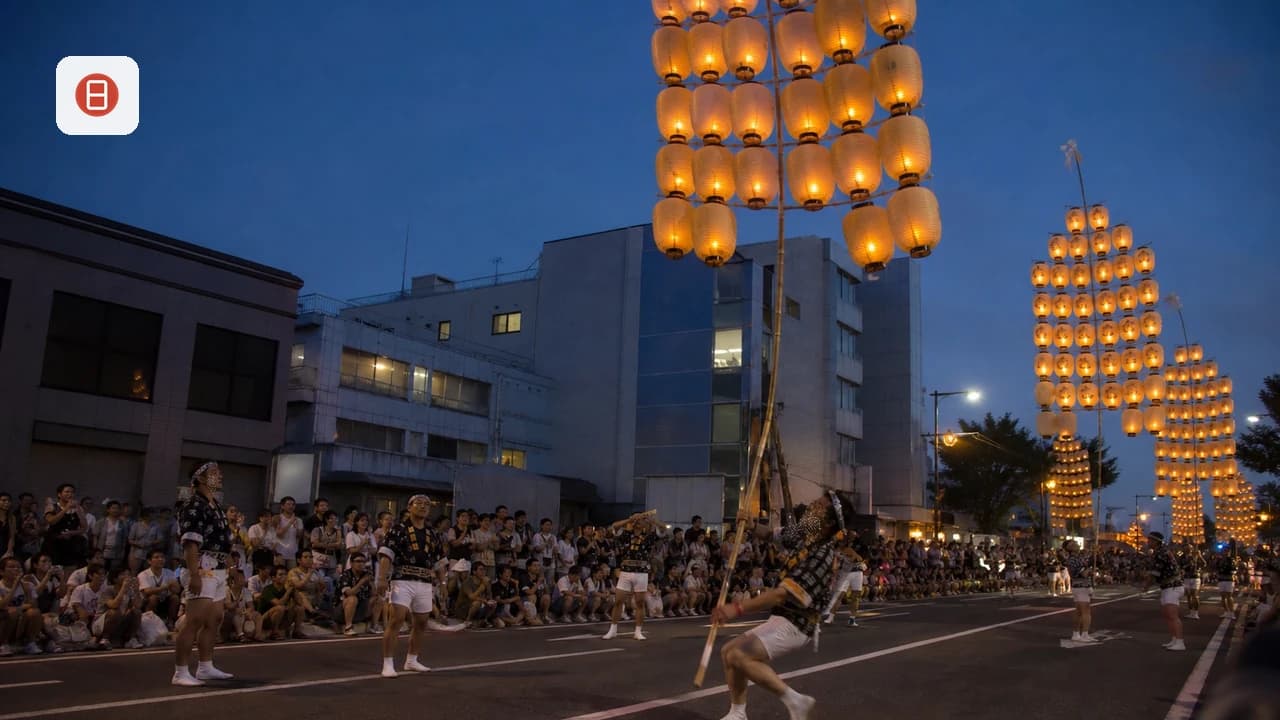
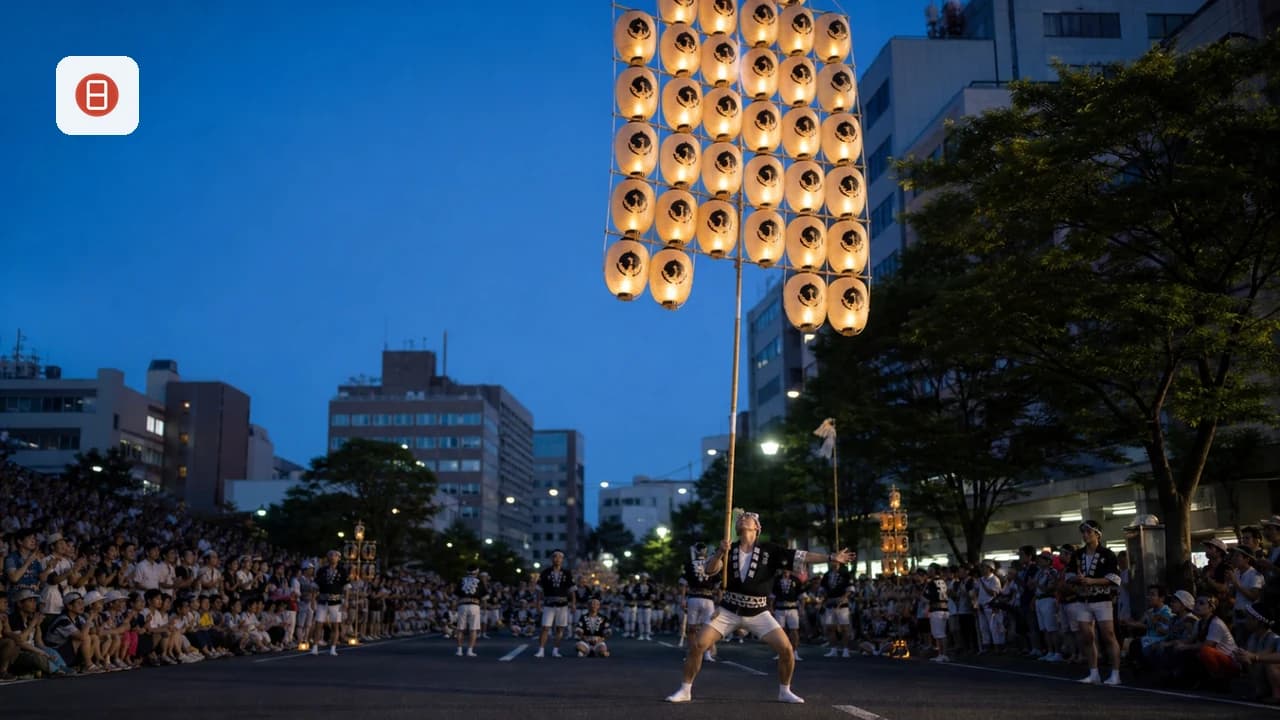
Namahage Sedo Matsuri sits inside a wider winter festival window in Akita. Travelers with a few extra days often build a short circuit around it. Consider pairing with the Yokote Kamakura Festival, Akita: Complete Visitor Guide for 2027, held in mid-February in a neighboring city close enough for a two-stop weekend. Building a short winter circuit around Namahage and the Yokote Kamakura Snow Festival spreads two distinct traditions across one cold-weather trip instead of separate visits. Check the Best Time for Akita Festivals by Season: 2026 Calendar & Planning Guide for the full winter lineup and how the dates line up before setting an itinerary. Akita's festival identity shifts completely by season: the Akita Kanto Festival Travel Guide fills August nights with lantern-balancing performances instead of winter fire and snow. Omagari Fireworks Festival lights up a different stretch of summer, months away from Namahage's February torches. Browse 10 Best Akita Festivals: A Complete Seasonal Guide for 2026 for the broader calendar across the prefecture to plan a return trip in a different season.
Frequently Asked Questions
Is the Namahage Sedo Matsuri too scary for children?
Masks, roaring, and a torch-lit entrance are designed to be frightening, and some young children do cry or want to leave. That intent is protective, not harmful: namahage discipline laziness and bless the household before departing. Parents attending with younger children should plan an easy exit route from the shrine grounds. Watching from farther back also makes the noise and firelight register as less intense.
Do you need to book tickets in advance for the festival?
Entry works through a cooperation fee collected at the festival grounds, rather than a pre-booked ticket system. Expect the fee to function like a modest shrine entry donation rather than a full ticketed event price. Confirm the current amount and payment method on Oga's official tourism site close to your travel dates. Local event pricing can change year to year.
What is the last train back to Akita City after the festival?
Oga Line's last return departure sets the real curfew on your evening, not the length of the ritual itself. Exact last-train times change by season and by year. Check the current Oga Line schedule before the festival starts, not after the ritual ends. Travelers who cannot confirm a safe last train should book a night in Oga Onsen-kyo instead of planning a same-day return to Akita City.
Can visitors participate in the namahage ritual?
This is a spectator event: visitors do not join the performance or the mountain descent. Spectators do take part indirectly through the goma-mochi distribution, when rice cakes toasted over the shrine's fire are shared with the crowd. Photographers should still keep a respectful distance from the performers' path during the descent, since organizers manage crowd flow closely for safety on icy ground.
Should you visit the Oga Shinzan Denshokan before or after the festival?
Visiting the Oga Shinzan Denshokan first gives useful context, since its indoor performance and exhibits explain the house-visit tradition the outdoor ritual is based on. The museum's schedule runs broader than the three festival nights, so it also works as a standalone stop if your dates fall outside the festival weekend. Both sites sit close enough together to visit in the same evening if your schedule allows extra time before the shrine ritual begins.
Free guide: Japan's Hidden Gems
12 under-the-radar places beyond Tokyo & Kyoto — with the best season to visit each and a local tip you won't find in the guidebooks.
You might also like

Continue reading
More guides you'll find useful