Omagari Fireworks Festival Akita: Tickets, Dates & Getting There (2026)
Plan the Omagari Fireworks Festival in Akita: 2026 dates, ticket windows, JR Omagari Station access, and where to stay when Daisen sells out.
On this page
Last updated August 2026. The Omagari Fireworks Festival in Akita draws roughly 700,000 to 800,000 spectators to the Omono River for one night. Its 2026 Summer Chapter is the festival's 98th edition, set for Saturday, August 29, with daytime and nighttime rounds judged for the Prime Minister's Prize. This guide covers ticket windows, train access, and a realistic plan for leaving Daisen City afterward.
What Is the Omagari Fireworks Festival in Akita?
Omagari Hanabi began in 1910 and has grown into Japan's national fireworks competition, formally called the Zenkoku Hanabi Kyogikai, or All Japan Fireworks Competition. Pyrotechnicians from across the country travel to Daisen City to compete for the Prime Minister's Award, a prize shared with only one other fireworks event nationwide. The festival runs across three separate chapters each year, though the Summer Chapter is the one most travelers mean when they search for the Omagari Fireworks Festival. It takes place at Omono Riverside Ryokuchi Athletic Park in Omagarifunabacho, Daisen, on the banks of the Omono River. Entry to the general viewing area is free, while numbered paid seating requires advance booking. A local FM simulcast, FM Hanabi, carries commentary for anyone who prefers radio to the official app. This chapter also anchors the wider 10 Best Akita Festivals: A Complete Seasonal Guide for 2026 lineup that travelers use when planning a summer trip.
Spring, Summer, and Autumn: The Three Chapters of Omagari Hanabi
Omagari Hanabi is not a single show. The Akita festival calendar lists three separate chapters spread across the year. Each chapter has a different scale, audience, and purpose, so trip timing changes what visitors see. Only the Summer Chapter is scored for the Prime Minister's Award. Spring and Autumn showcase artistry without that competitive pressure. Most planning guides, including this one, focus on the Summer Chapter, since it drives the ticket rush and crowd logistics covered below.
| Chapter | Timing | Focus | Crowd Level |
|---|---|---|---|
| Spring Chapter | Earlier in the year | Young Japanese pyrotechnicians and invited international artists | Smaller crowds, no ticket-lottery pressure |
| Summer Chapter (National Fireworks Competition) | Last Saturday of August; 2026 date is Saturday, August 29 | Zenkoku Hanabi Kyogikai competition for the Prime Minister's Award | Largest of the year, roughly 700,000-800,000 spectators |
| Autumn Chapter | Later in the year | Creative Hanabi, theatrical and artistic displays | Smaller, more experimental audience |
Daytime vs. Nighttime: How the Competition Actually Works
Daytime fireworks start at 17:15 and are the part most first-time visitors skip by arriving late. Judges score competitors on precise shapes and colored smoke patterns that only read clearly against a bright sky. Nighttime fireworks begin at 18:50 and bring the size-10 shells, known as 10-gou, that most festival photos show. The night program also includes the Creative Fireworks category, where pyrotechnicians sync shell timing to music for the panel judging the Prime Minister's Award. Many first-time visitors skip the daytime round entirely, then wonder why competitors describe Omagari as a two-part contest.
Early-afternoon arrival is essential for claiming free viewing spots while ensuring you're in place for the 17:15 daytime round, when judges score shapes visible only against bright sky.
How Crowded Does Omagari Hanabi Get?
Attendance for the Summer Chapter runs roughly 700,000 to 800,000 people over a single evening, packed along both banks of the Omono River. Free riverside spots fill hours before the 17:15 daytime start, so travelers without paid seats should plan to arrive by early afternoon. Restroom and food-stall lines lengthen fast once the crowd settles in, so buying dinner before the daytime round starts saves time later. Cell networks slow down as the park fills, which is another reason to download the official app and any maps in advance rather than relying on a live connection.
Omagari Hanabi Tickets: What the Lottery Windows Actually Look Like
Paid seating is worth the effort. Numbered seats sit close enough to the loudspeaker towers to catch the synchronized soundtrack judges use for the Creative Fireworks category. Securing a seat takes planning, since demand outpaces supply almost immediately once each window opens. Because seating is limited and demand is national, both windows function like a lottery in practice even though tickets are sold first-come, first-served online.
- Two annual sale windows: recent years opened in mid-to-late June, then again in late July
- Tickets sell through the Lawson Ticket and Eplus reservation systems
- Paid numbered seating sits closest to the synchronized soundtrack; free riverside viewing has no reserved sightline
- The official app posts the running order, seating maps, and finale light-exchange cues
Getting to Daisen: Trains, the Walk, and Why Driving Is a Bad Idea
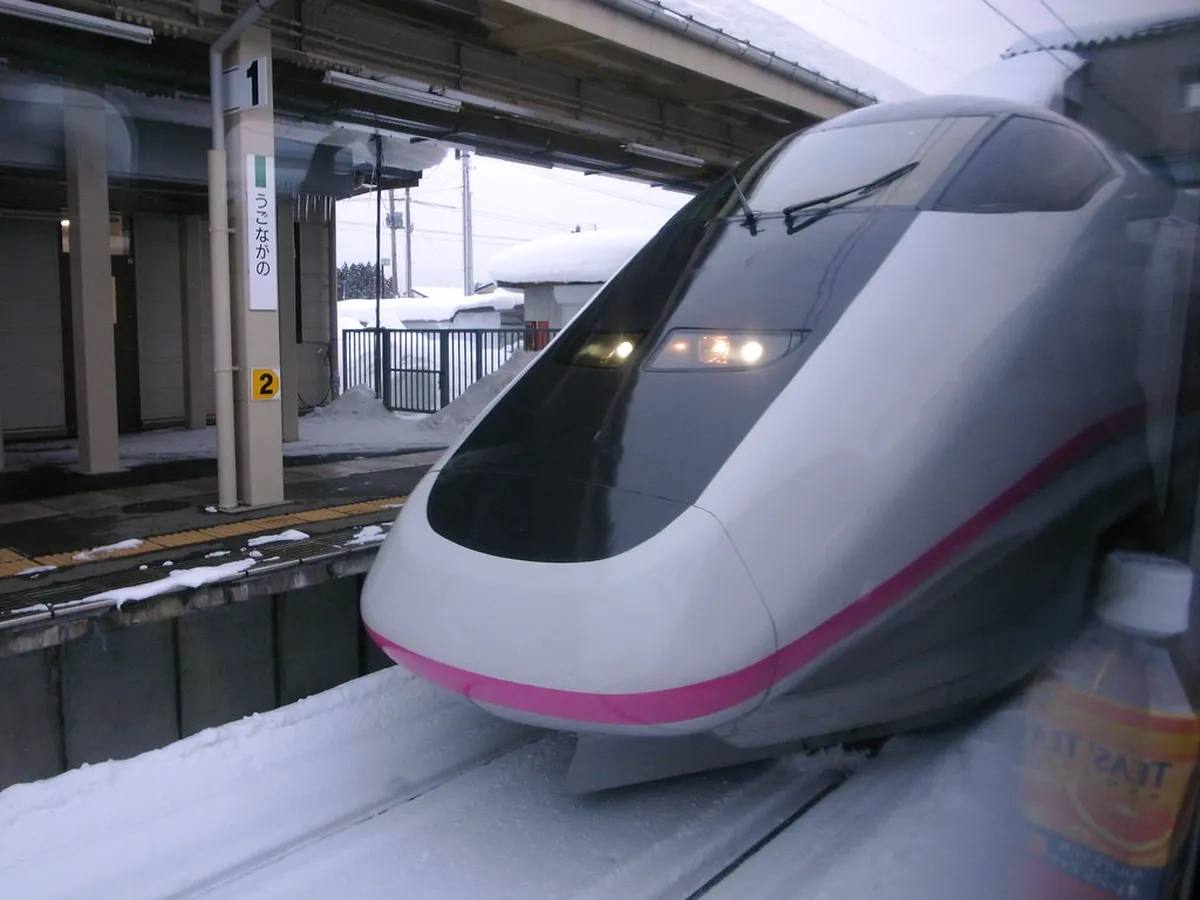
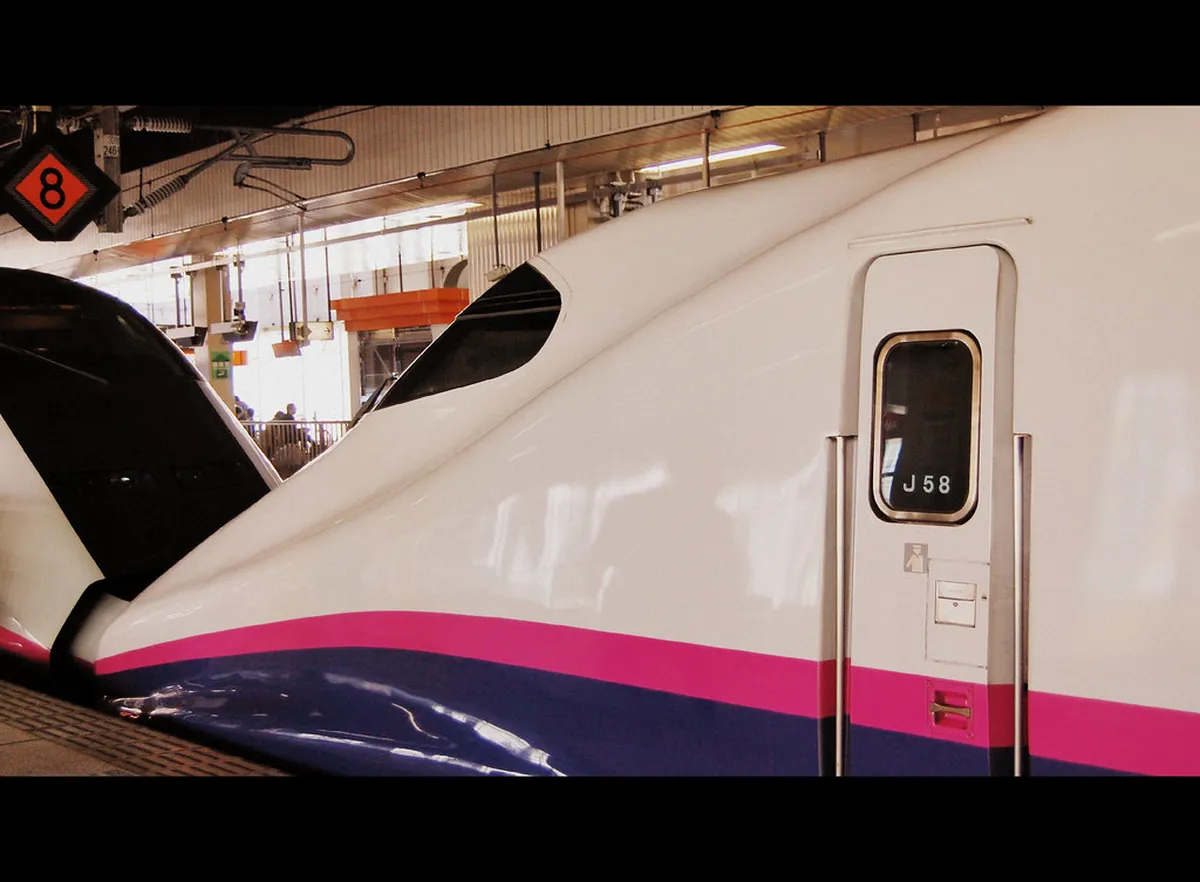
Most travelers reach the festival on the Akita Shinkansen, boarding the Komachi service to JR Omagari Station. This same Akita Shinkansen line also connects Omagari Station with Akita City and Morioka, alongside the Ōu Main Line and Tazawako Line. From the station, the walk to Omono Riverside Ryokuchi Athletic Park takes about 30 minutes, and festival-day signage marks the route. Taxis and shuttle buses also run between the station and venue for travelers who prefer not to walk. Driving is possible via the Omagari Interchange on the Akita Expressway, but on-site parking is limited and traffic backs up for hours after the finale. Reserve your return Shinkansen seat before the festival, since unreserved cars fill fast once the show ends and everyone heads for the same trains. Full Akita transit details are covered separately, including Shinkansen booking windows for the wider region. For broader rail planning across Japan, the Japan National Tourism Organization covers pass options and route planning.
What Late-August Weather Means for Festival Night
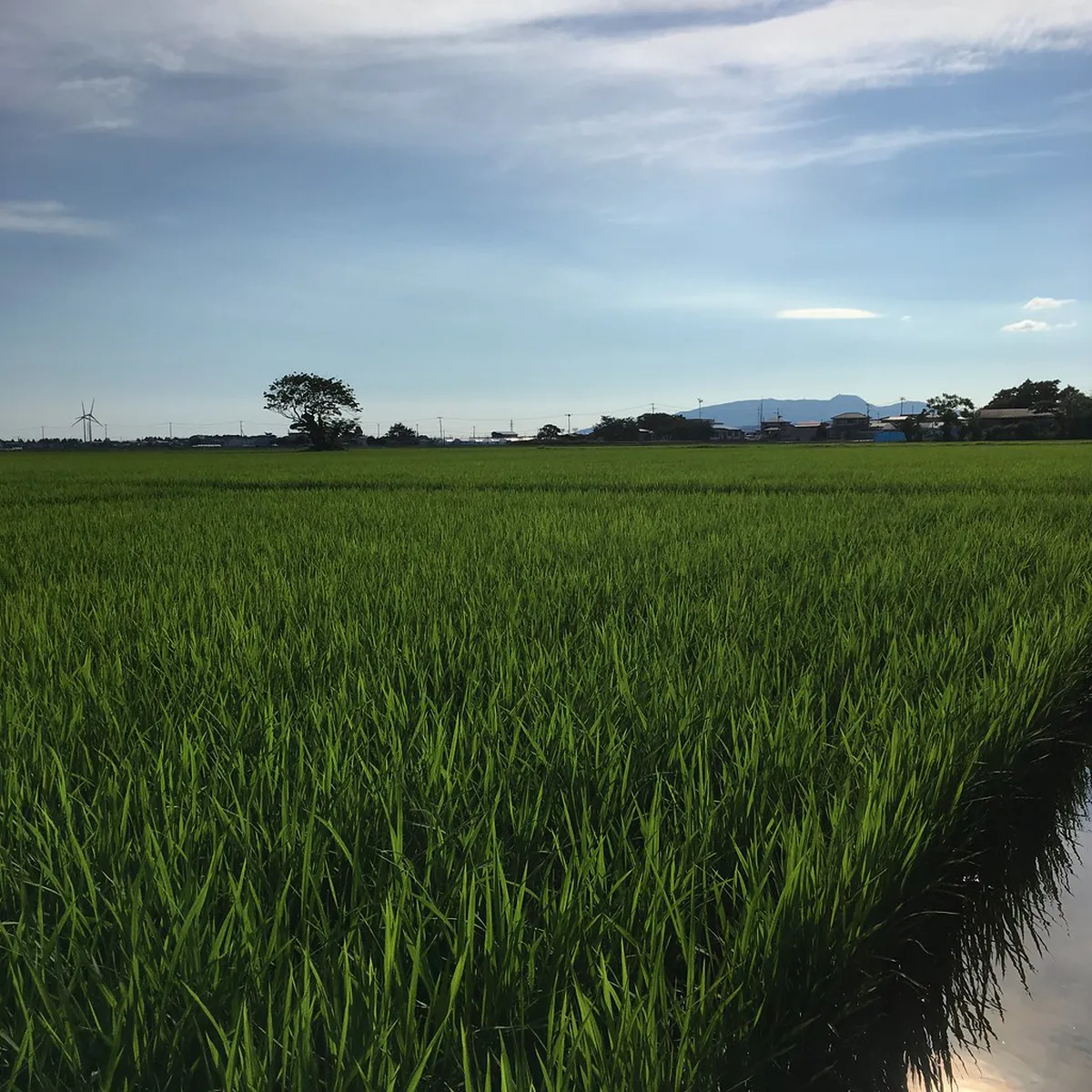
Akita's late-August evenings are warm and humid, and the riverside site offers little shade during the daytime round. Sunscreen, a hat, and a full water bottle matter as much as a tarp or cushion. Temperatures usually ease once the sun sets before the 18:50 nighttime program, though humidity often lingers along the river. For a broader sense of how August compares with Akita's other seasons, the Best Time To Visit Akita: Your Seasonal Travel Guide guide breaks down the tradeoffs city by city.
Where to Stay When Daisen Sells Out
Daisen's hotel inventory is small, and rooms near the venue routinely sell out roughly a year ahead of the Summer Chapter. Akita City is a practical fallback, about 30 minutes away by Shinkansen, with far more hotel capacity. Morioka works as a second fallback, roughly an hour away by Shinkansen, useful once Akita City also fills up. Basing in either city works well if you are already following an Akita Itinerary Travel Guide: Plan Your 3-Day Trip to Akita, Japan that includes other stops. Whichever city you choose, confirm the last Shinkansen departure before booking, since Omagari's small station adds pressure to the return trip. For festival-weekend camping or gymnasium-stay options near the venue, contact the Daisen City Tourism and Products Association directly, since availability changes year to year.
Book Daisen accommodation roughly a year ahead, since inventory routinely sells out. Akita City, a practical fallback about 30 minutes away by Shinkansen, offers more availability.
A Practical Timeline for Planning Your Trip
Because so many pieces move at once, it helps to work backward from the last Saturday of August. Working through this order avoids the two most common planning mistakes: booking a hotel too late and finding the ticket window already closed.
- About a year ahead: book Daisen accommodation now, or accept a stay in Akita City or Morioka instead
- June and July: watch for the Lawson Ticket and Eplus sale windows and book seats the day each one opens
- The week before: download the official Omagari Hanabi app, save offline maps, and confirm outbound and return Shinkansen reservations
- Festival day: arrive by early afternoon for free viewing, or by your seat's gate time for paid areas, ahead of the 17:15 daytime round
The Exit Strategy: Leaving the Festival With 700,000 Other People
Everyone leaving at once overwhelms JR Omagari Station within minutes of the finale. You have two realistic options. One option is to join the crowd immediately, which usually means a long, slow-moving queue at the platform gates. A second option is to stay in the park for another hour or two, then walk over once the paths clear. Neither approach is fast, but the second usually feels calmer than standing packed against a station barrier. Bring a charged phone and download the festival area map in advance, since mobile networks slow down once the crowd peaks. This is the same last-train trap that catches many first-time attendees. The Shinkansen does not wait, and a missed reservation can mean an unplanned night in Daisen.
What to Pack and Common Mistakes to Avoid
A few low-cost items make the difference between an enjoyable night and a difficult one. Pack for a long sit, long lines, and a finale where a flashlight becomes part of the show. Download the official app and an offline map before leaving the hotel, because mobile data becomes unreliable exactly when directions matter most.
- A blue tarp or leisure sheet to claim ground early in free viewing areas
- A portable cushion or low chair, since the ground stays hard for hours
- Snacks and water bought before the crowd builds, since food-stall lines grow long by evening
- A flashlight or phone light for the finale, when many in the crowd exchange beams of light with the pyrotechnicians
- A portable battery pack, since phone networks slow down as the crowd peaks
- A light rain layer or change of dry clothes, since Akita's late-August weather can shift quickly
Pairing Omagari Hanabi With Akita's Wider Festival Calendar
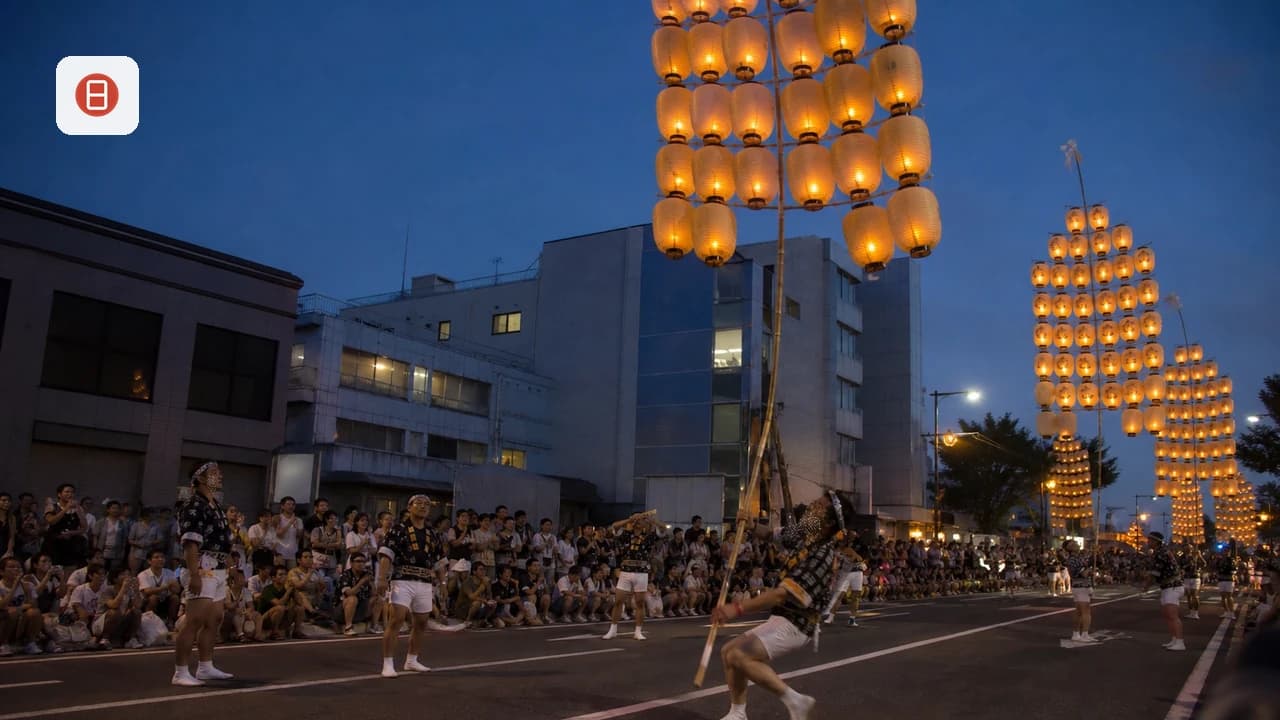
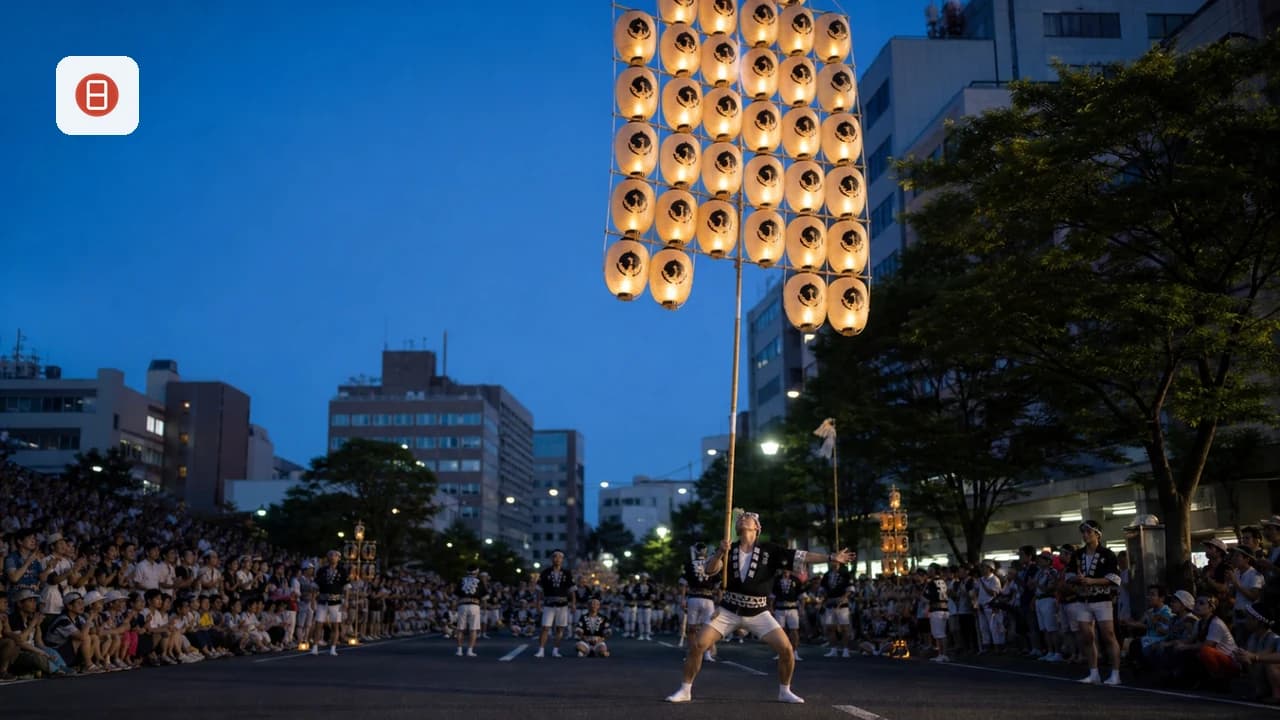
Late August puts Omagari Hanabi near the tail end of Akita's summer festival circuit. Travelers visiting in early August often combine it with the Akita Kanto Festival Travel Guide, where performers balance lantern poles instead of watching fireworks. If your trip runs into winter instead, the Yokote Kamakura Festival, Akita: Complete Visitor Guide for 2027 offers a different, snow-lit version of the same prefecture. Coastal travelers sometimes extend an August Akita trip toward the Oga Namahage Festival region, though its own guide covers the best season to go. Late-August heat and humidity make shaded breaks worth planning into any full day at the festival grounds. Between festival chapters, the city's museums, hot springs, and lake views covered in the Akita attractions guide fill the rest of a multi-day stay.
Frequently Asked Questions
When is the Omagari Fireworks Festival in 2026?
The 2026 Summer Chapter, the festival's 98th edition, is scheduled for Saturday, August 29. Daytime fireworks start at 17:15, and the main nighttime program begins at 18:50.
How much are tickets for Omagari Hanabi, and when do they go on sale?
Exact seat prices are not published here. Check the official Omagari Hanabi ticket portal each spring for the current chart. Paid numbered seating always costs more than the free riverside areas, but it buys a fixed sightline and synced audio. Recent editions sold through Lawson Ticket and Eplus in two windows, roughly mid-to-late June and late July. Both windows sell out fast, so plan to book the moment each one opens.
How do you get to the venue from JR Omagari Station?
The venue, Omono Riverside Ryokuchi Athletic Park, is about a 30-minute walk from JR Omagari Station. Trains on the Akita Shinkansen, Ōu Main Line, and Tazawako Line all serve the station, so most travelers arrive by rail rather than car.
Is the Omagari Fireworks Festival free to attend?
General riverside viewing is free, but the best sightlines and synced audio require paid numbered seating. Space in the free areas fills early, so arrive well before the 17:15 daytime start if you plan to stand there.
What is the best way to leave after the fireworks end?
Rushing straight to JR Omagari Station usually means a long, slow queue at the platform gates. Many attendees instead stay in the park for another hour or two and let the crowd thin before walking over. Confirm your last Shinkansen departure ahead of time, since Daisen's station is small relative to the crowd it handles that night.
Should you stay in Akita City or Morioka if Daisen hotels are full?
Akita City is closer, about 30 minutes away by Shinkansen, and has far more hotel inventory than Daisen. Morioka takes roughly an hour away by Shinkansen and becomes the better fallback once Akita City hotels are also full.
What does Zenkoku Hanabi Kyogikai mean?
It is the formal name of the Summer Chapter, translating to the All Japan Fireworks Competition. Pyrotechnicians compete for the Prime Minister's Award using separate daytime and nighttime rounds, and the event has run since 1910.
What should you pack for a full day at Omagari Hanabi?
Bring a tarp or leisure sheet and a portable cushion for the ground. Pack water and snacks bought before lines build at the food stalls. Add a flashlight for the finale light exchange and a portable battery for when networks slow down.
Free guide: Japan's Hidden Gems
12 under-the-radar places beyond Tokyo & Kyoto — with the best season to visit each and a local tip you won't find in the guidebooks.
You might also like

Continue reading
More guides you'll find useful