Okinawa Tug of War Festival 2026: Naha's Guide to Joining the Pull
A complete 2026 guide to the Okinawa tug of war festival in Naha, covering the schedule, how to join the pull, and the best viewing spots.
On this page
Last updated August 2026: the Okinawa tug of war festival returns to Naha on Sunday, October 11, 2026. Two teams pull a 200-meter, 40-to-43-metric-ton straw rope down Route 58 for up to 30 minutes. Around 15,000 people grip the rope itself, while roughly 275,000 more watch the parade and the pull from the sidelines.
What Makes Okinawa's Tug-of-War Festival the World's Largest
Naha's tug-of-war traces back to 15th-century rain-and-harvest rituals held in villages that later merged into the modern city. Two sides, the East and the West, face off in a rivalry that echoes old divisions between Ryukyu-era communities. Guinness World Records has recognized the rope as the largest of its kind used in a tug-of-war anywhere. When the mayor of Naha gives the starting signal, the traditional call is "Pull happiness to you," a mantra still used today. Winning brings no prize beyond bragging rights; organizers frame the whole event as a shared prayer for good fortune, not a rivalry to settle. This event anchors Okinawa's festival calendar every October, drawing roughly 275,000 people over the course of the day.
- 15th century: villages hold ritual tug-of-war contests to pray for rain and a good harvest.
- 1812: Naha codifies the rules in a formal tug-of-war rulebook after disputes over how to play.
- 1935: the festival is discontinued.
- 1971: Naha revives the event to mark its postwar recovery and the 50th anniversary of the city's modern municipal organization.
2026 Naha Tug-of-War Schedule: Parade to Pull
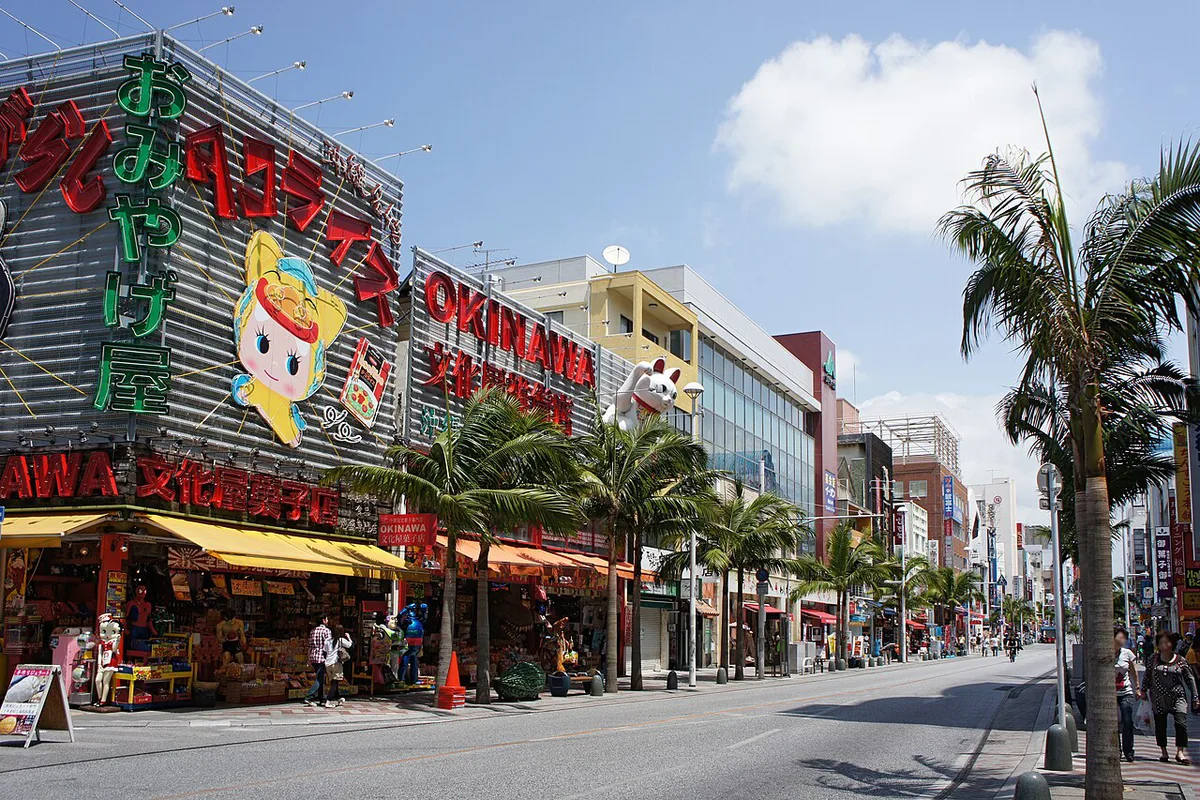
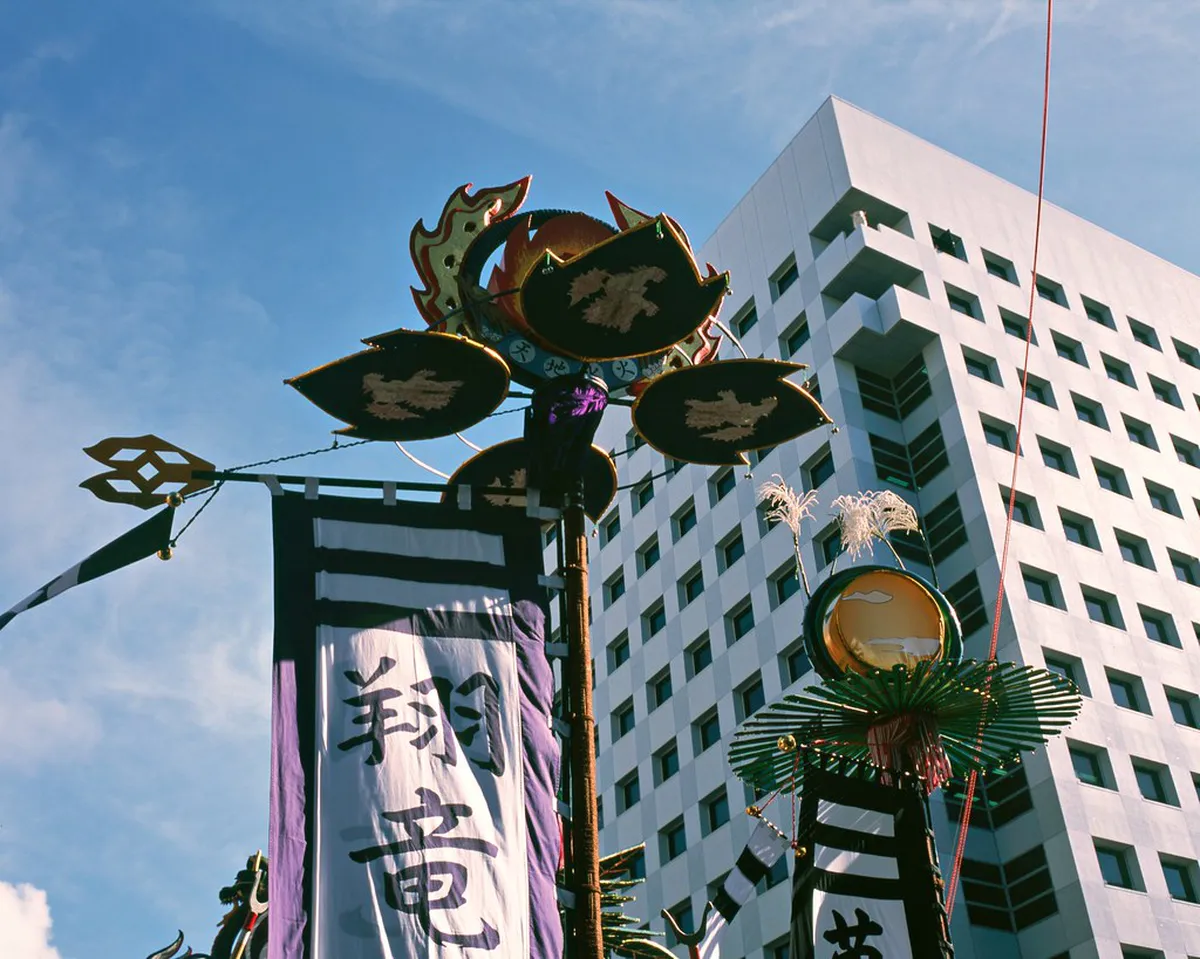
Naha holds the 2026 tug-of-war on Sunday, October 11, following the same format organizers have used for decades. Banner bearers from Naha's 14 districts march from Makishi Park and Tsuboya Elementary School to the Prefectural Office. The walk alternates east and west teams and takes about two and a half hours. Afternoon shifts to Route 58 at Kumoji Crossing, where crews join the west team's mezuna, or female rope, to the east team's ozuna, or male rope, with a wooden peg called the kanuchi-bou. Two men dressed as Ryukyu kings then perform a ceremonial naginata sword contest over the joined ropes before the pull begins. The kings' costumes echo the same Ryukyu court history staged at the Shuri Castle festival. Teams have up to 30 minutes to pull the rope's center five meters past a marked line. If neither side reaches that mark, the side that pulled the rope farthest wins, provided it moved at least three meters. Most contests run close to the full 30 minutes, though the fastest on record wrapped in just 5 minutes and 56 seconds back in 2008. The wider festival actually spans three days. A Saturday prelude, the Citizen Entertainment Festival and Traditional Performing Arts Parade, stages performances in front of Palette Kumoji Square. A separate RBC Citizens Festival fills Onoyama General Sports Park with stage events and fireworks across the same weekend. Schedules can shift close to the date, so confirm parade and pull times on Okinawa's official tourism site before you finalize plans.
| Time | What Happens | Where |
|---|---|---|
| 11:30 AM – 2:00 PM | Parade: hatagashira banners, karate, and traditional dance | Kokusai-dori |
| 2:30 PM | Opening ceremony; ropes joined with the kanuchi-bou | Route 58, Kumoji Crossing |
| 4:20 PM | The pull begins | Route 58 |
| 3:00 PM – 7:00 PM | Route 58 closed to vehicle traffic | Highway 58 |
- Length: 200 meters, about 656 feet.
- Weight: 40 to 43 metric tons, roughly £88,000–£95,000.
- Diameter: 1.5 meters, about 4.9 feet, with 280 thinner branch ropes extending from the main rope.
- Kanuchi-bou peg: about 365 kilograms, roughly £805.
- Win distance: 5 meters, about 16 feet; under 3 meters, about 10 feet, counts as a draw.
Best Vantage Points: Parade, Pull, or Photography
Where to stand depends on what you want out of the day. Families often prefer the morning parade on Kokusai-dori, where crowds are lighter and hatagashira performances are easy to see up close. Thrill-seekers should head straight to Route 58 and grip one of the 280 branch ropes for the pull itself. Photographers get the clearest sightlines from Route 58's median strip, since it's the only day of the year that strip is removed for an event. Check Naha's festival calendar for updates before you go, since organizers can adjust road closures without much notice.
With roughly 275,000 spectators, the Route 58 median strip offers photographers the clearest sightlines, being the only day the strip is cleared for events.
| Best For | Where to Go | Why |
|---|---|---|
| Families | Morning parade, Kokusai-dori | Lighter crowds, easier sightlines to the hatagashira banners |
| Thrill-seekers | The pull, Route 58 | Grip one of the 280 branch ropes |
| Photographers | Route 58 median strip | The only day of the year it's cleared for an event |
How to Join the Pull as a Visitor
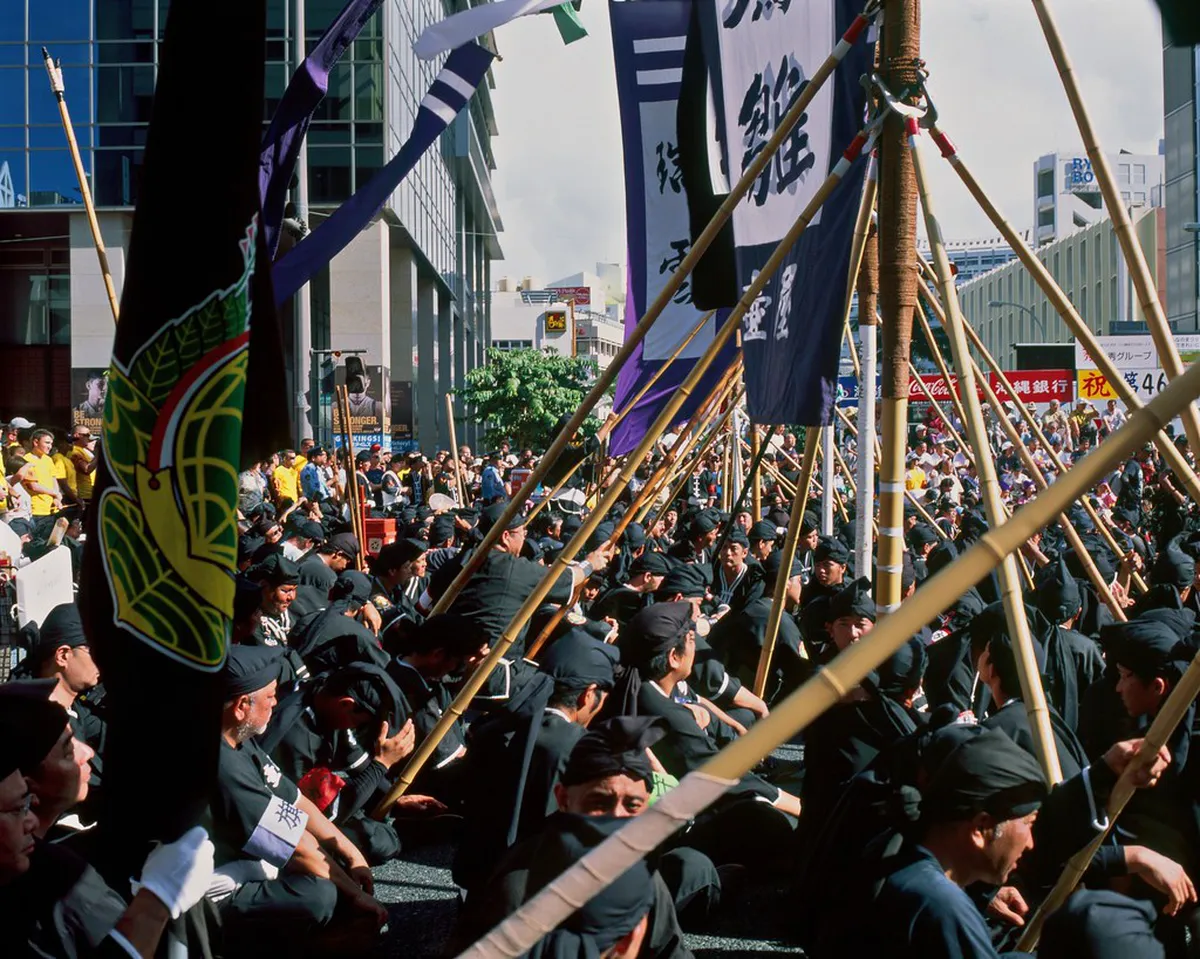
Joining is free and open to residents, tourists, and U.S. military personnel stationed on Okinawa alike. No advance signup or fee applies; you simply join the crowd already gathered along the rope. Nobody pulls the 1.5-meter main rope directly. Participants grab one of the 280 thinner branch ropes extending from it instead, so there's room for thousands of hands at once. Arrive on Route 58 by 3:30 PM if you want a spot. Latecomers get boxed out once the crowd, which can reach roughly 275,000 people, fills in. Officials give the starting signal around 4:20 PM, and the pull runs for up to 30 minutes from there.
Taking Home a Piece of the Rope
Once the contest ends, both teams are free to climb onto the rope and celebrate, regardless of which side pulled farther. Participants then cut sections of the rope apart with pocket knives, scissors, or small hacksaws. Bring a compact multitool if you want a clean piece to take home. Grip a taut section near where the crowd is thinner for an easier cut. Local custom holds that a length of rope hung above a doorway brings protection and good fortune through the year ahead. Keep your cut small. Thousands of people work the same rope in the same few minutes, and oversized pieces are harder to carry through the crowd.
The rope weighs 40 to 43 metric tons, yet after the pull, participants routinely cut sections as souvenirs using pocket knives and hacksaws.
Getting to Naha by Yui Rail Monorail
Take the Yui Rail Monorail to Prefectural Office Station, also called Kencho-mae, the closest stop to the Route 58 venue. Asahibashi Station and Miebashi Station sit a short walk farther out and help you spread out once Kencho-mae gets crowded. If you're coming from elsewhere on the island, plan the connection with the traveling between Okinawa's regions guide. Regional buses and rental cars both face the same afternoon closures on Highway 58.
| Station | Distance to Venue |
|---|---|
| Prefectural Office Station (Kencho-mae) | About 560 feet, 170 meters |
| Asahibashi Station | About 0.37 miles, 0.6 kilometers |
| Miebashi Station | About 0.43 miles, 0.7 kilometers |
Where to Stay Near Kokusai-dori
Base yourself in central Naha near Kokusai-dori so the 3:00 PM to 7:00 PM road closures on Highway 58 don't strand you mid-trip. Kitchen Hostel Ao sits close to the venue and works well for a budget capsule stay. Y's Cabin and Hotel is a step up in privacy at a similar budget. JAL City Naha offers a full-service option within easy walking distance of both the parade route and the pull. All three properties sit within easy walking distance of both Kokusai-dori and Route 58. Book several weeks ahead of October 11; rooms in central Naha fill quickly for tug-of-war weekend.
Safety Tips and Mistakes to Avoid
A few practical habits keep the day smooth for pullers and spectators alike. After the pull, the celebration shifts to Onoyama Park near Naha Airport, where food stalls and live performances run alongside cold Orion Beer, the local pour. It's a calmer way to close out the day once Route 58 reopens to traffic around 7:00 PM.
- Wear closed-toe shoes with real grip; the pavement gets slick with confetti and spilled drinks by late afternoon.
- Stay behind the barricades if you aren't pulling; the rope's recoil after the whistle can move fast and hard.
- Carry water and expect humidity; October afternoons in Okinawa still run warm, per the best time to visit Okinawa guide.
- Arrive on Route 58 by 3:30 PM if you plan to pull; the crowd fills in fast after that.
Naha's Tug-of-War vs. Smaller Village and Eisa Festivals
Naha's event is the largest tug-of-war contest most visitors will ever see, but it isn't the only rope-pulling or communal festival on the island. Village-level tug-of-war contests run on a smaller scale, closer to neighborhood streets, without the highway closures or six-figure crowds. Those who prefer a quieter, more local pace should look at Okinawa's Eisa festival circuit, built around drum-and-dance performances rather than rope-pulling. Both styles of event slot into Okinawa's fall festival calendar. Pairing a village outing earlier in the season with the Naha finale works well for a longer trip. For a wider view of Okinawa's calendar beyond Naha, Japan's national tourism guide to Okinawa covers other regions worth combining with the trip.
| Event | Scale | Setting |
|---|---|---|
| Naha Great Tug-of-War | About 275,000 attendees; 200-meter rope | Central Naha, Route 58 |
| Village tug-of-war contests | A few hundred to a few thousand | Neighborhood streets, no road closures |
| Eisa festivals | Varies by venue and town | Drum-and-dance circuit across the island |
Frequently Asked Questions
Is the Okinawa tug of war festival free to attend and join?
Yes, both the parade and the pull are free. Tourists, Okinawa residents, and U.S. military personnel stationed on the island all take part side by side. You won't grab the 1.5-meter, 4.9-foot main rope directly. Instead you pull one of the 280 thinner branch ropes that extend from it.
When is the 2026 Naha Great Tug-of-War Festival?
Naha holds the main event on Sunday, October 11, 2026. Morning brings the parade, running 11:30 AM to 2:00 PM on Kokusai-dori. Afternoon brings the pull itself, starting around 4:20 PM on Route 58 after a 2:30 PM opening ceremony.
How much does it cost to watch or join the tug-of-war?
Both the parade and the tug-of-war are free to watch and free to join. Route 58 closes to traffic from about 3:00 PM to 7:00 PM, so budget extra transit time instead of an entry fee.
Where is the best place to watch if you aren't pulling the rope?
Photographers get the clearest sightlines from the median strip of Route 58, since it's the only day of the year that strip is removed for an event. Families often prefer the morning parade on Kokusai-dori, where crowds are lighter and the hatagashira banner performances are easier to see.
Can you really take a piece of the rope home?
Yes, this is a long-standing part of the festival. Once the contest ends, participants cut sections of rope with pocket knives, scissors, or small hacksaws, so bring a compact multitool for a clean cut. Local custom holds a rope piece above a doorway for protection through the year ahead.
How do you reach the festival by public transit?
Take the Yui Rail Monorail to Prefectural Office Station, also called Kencho-mae, about 560 feet, or 170 meters, from the Route 58 venue. Asahibashi Station and Miebashi Station sit slightly farther out, useful for spreading out once Kencho-mae gets crowded.
Does the festival run for more than one day?
Yes. The main parade and pull happen on Sunday, October 11, 2026, but a Saturday prelude called the Citizen Entertainment Festival and Traditional Performing Arts Parade stages performances at Palette Kumoji Square. A separate RBC Citizens Festival runs at Onoyama General Sports Park across the same weekend, with stage events and fireworks.
Free guide: Japan's Hidden Gems
12 under-the-radar places beyond Tokyo & Kyoto — with the best season to visit each and a local tip you won't find in the guidebooks.
You might also like


Continue reading
More guides you'll find useful