Okinawa Festival Calendar by Season: A Month-by-Month Guide
Plan your trip around Okinawa's festival calendar by season, from spring dragon boats to the Naha Great Tug-of-War and Eisa's summer dances.
On this page
Last updated August 2026. An Okinawa festival calendar by season helps travelers match a trip to the islands' cultural high points, from dragon boat races in May to the Naha Great Tug-of-War in October. Ryukyu Kingdom traditions blend with mainland Japanese customs throughout the year. This guide walks through what happens each season, plus the lunar-calendar quirks that shift exact festival dates annually.
Okinawa Festival Calendar by Season: A Quick-Reference Table
Exact festival dates in Okinawa often shift from year to year, because several events follow the lunar calendar rather than a fixed Gregorian date. Planning around the season, rather than a single date, is usually more reliable. Summer belongs to Eisa, autumn belongs to the Naha Great Tug-of-War and Shuri Castle Festival, spring centers on dragon boats, and winter opens the year with cherry blossoms. The table below lines up each season against its signature festival, typical weather, and who it suits best.
This calendar focuses on Okinawa-honto, the main island where Naha, Shuri, and Nago sit. Miyako and Yaeyama, the outer island groups reached by separate flights, run their own festival calendars on similar seasonal logic but with different signature events. Both regions publish their own event listings, so confirming which island group a festival belongs to prevents booking flights to the wrong airport.
| Season | Months | Signature Festival | Typical Weather | Best For |
|---|---|---|---|---|
| Spring | March – May | Naha Hari dragon boat races | 20°C-25°C (68°F-77°F) | Mild weather, ferries running to island festivals |
| Summer | June – August | All-Okinawa Eisa Festival | 29°C-31°C (84°F-88°F), humid | Obon dance culture, peak festival energy |
| Autumn | September – November | Naha Great Tug-of-War, Shuri Castle Festival | 23°C-29°C (73°F-84°F), typhoon risk in September | Cooler days, the year's busiest festival stretch |
| Winter | December – February | Cherry blossoms at Nago/Nakijin, Naha Marathon | 17°C-19°C (63°F-66°F) | Japan's earliest blossoms, thinner crowds |
Spring Festivals in Okinawa (March–May): Flowers and Dragon Boats
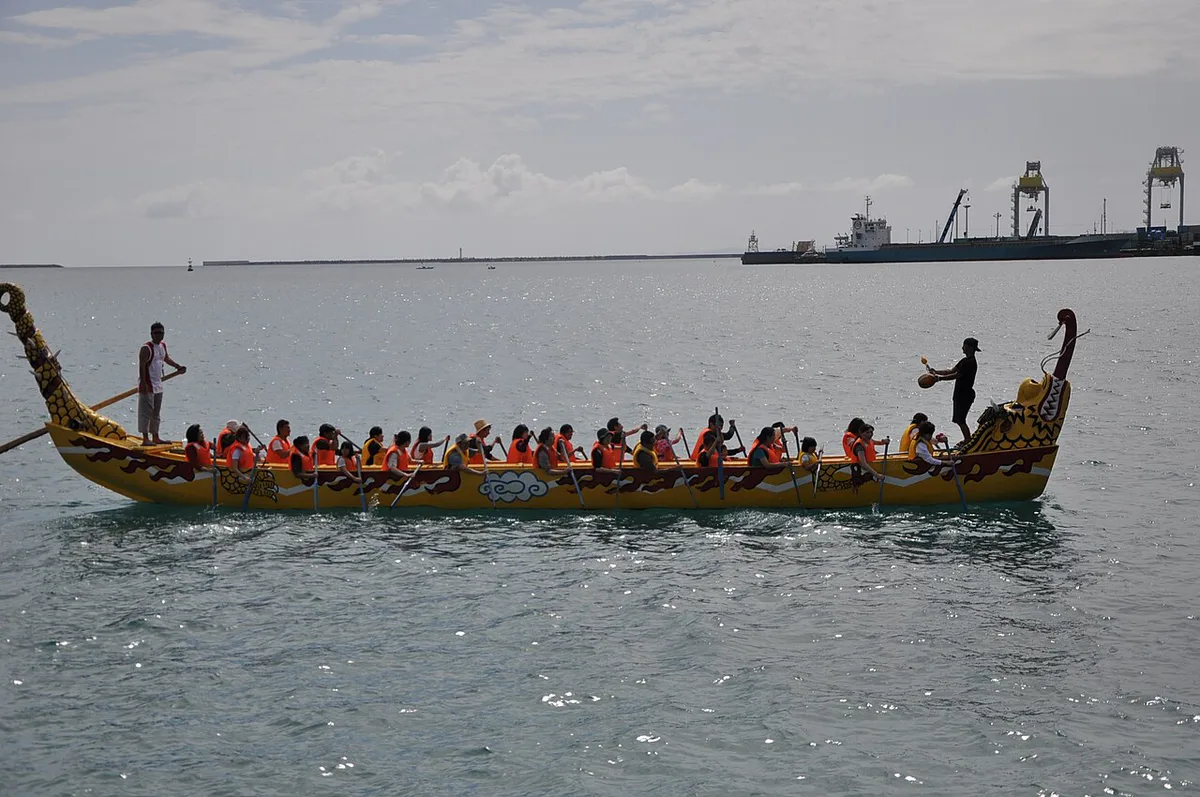
Spring opens with island-wide blossoms and closes with dragon boats on Naha's harbor. The Ie Island Lily Festival draws visitors to fields on Ie Island, reached by ferry from Motobu Port, with blossoms typically peaking in April. Daytime temperatures climb from around 20°C (68°F) in March toward 25°C (77°F) by May, ahead of Okinawa's rainy season.
Naha Hari closes the season around Golden Week in early May, when dragon boat teams race across Naha Harbor to mark the start of the fishing season. Crews paddle wooden boats named for local deities, a tradition with roots in the Ryukyu Kingdom's maritime trade. Travelers who want firm dates before booking flights should check the Okinawa travel season breakdown, since early-season events can shift by a week or two year to year.
Ferries to Ie Island run multiple times a day during the flowering weeks, but schedules tighten outside peak season. Confirming departure times locally, rather than relying on a fixed timetable, avoids a missed connection on festival day. Late May already brings the first rain-season clouds in some years, so early-to-mid spring remains the more reliable window for outdoor viewing.
- Ie Island Lily Festival – Ie Island, reached by ferry from Motobu Port, blossoms peak in April
- Naha Hari dragon boat races – Naha Harbor, around Golden Week in early May
Summer Festivals in Okinawa (June–August): The Heart of Eisa
Summer is Okinawa's festival high season, built around Eisa, the ancestor-honoring dance performed during Obon. Neighborhood and youth troupes drum and dance across the islands for weeks, culminating in the All-Okinawa Eisa Festival in Okinawa City. Dancers move to guide ancestral spirits home and back again, a practice distinct from Eisa displays found elsewhere in Japan. Orion Beer Fest runs alongside the dance season, pairing food stalls and live music with Okinawa City's summer energy. Taiko drums and the sanshin, Okinawa's three-stringed instrument, drive each neighborhood troupe's route through its own streets.
Eisa week in August drives Naha hotel rates past ¥15,000 nightly—over twice the spring shoulder rate—forcing advance booking and careful cash management.
Heat defines summer logistics more than any single event. Daytime highs commonly reach 31°C (88°F) with heavy humidity through August, so festival-goers plan around shade, hydration, and midday breaks. Hotels near the Eisa Festival grounds in Okinawa City book out early, so reserving accommodation weeks ahead is worth the effort during peak Obon weekends.
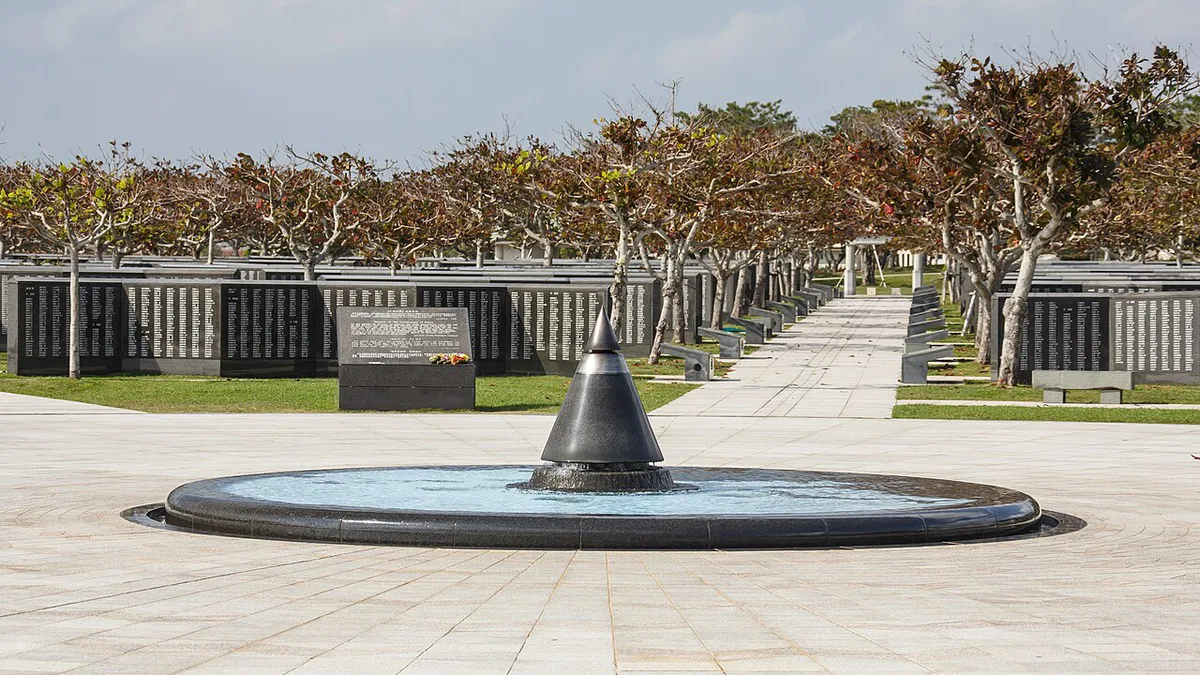
Peace memorial ceremonies fall in late June at sites across southern Okinawa, marking the end of the Battle of Okinawa. These events run alongside, rather than instead of, the season's Eisa performances. Neighborhood Eisa styles and viewing spots by area are covered in the Eisa festival guide.
- All-Okinawa Eisa Festival – Okinawa City, caps weeks of neighborhood dance during Obon
- Orion Beer Fest – Okinawa City, food and music alongside the dance season
- Peace memorial ceremonies – sites across southern Okinawa, late June
Autumn Festivals in Okinawa (September–November): Tug-of-War and Royal Parades
Autumn is Okinawa's busiest festival stretch, anchored by two very different events. Naha Great Tug-of-War fills Kokusai Dori with a rope-pulling contest rooted in prayers for a good harvest and community unity. Held in October, it turns central Naha into a single-day gathering point built around the rope-pulling contest. Viewing spots along Kokusai Dori fill up several hours before the main pull, so afternoon arrivals often find the closest sightlines already taken.
Shuri Castle serves autumn festival parades and winter New Year ceremonies, but the 2019 fire reconstruction affects access to interior structures during festival weekends.
Shuri Castle Festival, or Koshiki Gyoretsu, restages a royal Ryukyu procession through the Shuri district, usually around early November. Its main hall has been under reconstruction since a 2019 fire, so check current status for which structures and courtyards are open during festival weekends. Costumed processions and court music still animate the surrounding streets regardless of construction progress inside the walls.
Choosing between the two is mostly about atmosphere. The Tug-of-War rewards travelers who want a physical, crowd-driven event, while the Shuri Castle parade suits those after costume detail and court ceremony. September still carries typhoon risk, so festivals scheduled early in the month can be postponed to the following weekend if a warning is issued. Autumn temperatures ease from about 29°C (84°F) in September to near 23°C (73°F) by November, making late-season events noticeably more comfortable to stand through.
Full route and schedule details are in the Naha tug-of-war guide. Parade route and costume history are covered in the Shuri Castle festival guide. Both events, alongside the city's other autumn dates, are listed in the Naha festival calendar.
- Naha Great Tug-of-War – Kokusai Dori, Naha, held in October
- Shuri Castle Festival (Koshiki Gyoretsu) – Shuri district, usually early November
Winter Festivals in Okinawa (December–February): Early Blooms and Heritage
Winter opens Okinawa's festival year rather than closing it, since cherry blossoms arrive here before anywhere else in Japan. Japan's national tourism guide highlights Okinawa's subtropical climate, which pushes blossoms and other outdoor festivals earlier than on the mainland. Nago Sakura Matsuri, centered on Nago Central Park and the Yaedake mountain slopes, typically blooms in January, weeks ahead of mainland Japan's spring displays. Nakijin Castle's stone ruins, one of Okinawa's Ryukyu-era gusuku fortresses, host a smaller, quieter blossom display nearby.
Daytime temperatures hover near 18°C (64°F) through January and February, mild enough for blossom viewing without heavy winter gear. Northern Okinawa, the Yanbaru region around Nago and Motobu, has limited bus service. A rental car is close to essential for reaching Yaedake's viewing points on a set schedule. Rental car counters at Naha Airport get busy during blossom weekends, so booking a car a few weeks ahead avoids sold-out lots. Which festivals are monorail-reachable and which need a car is laid out in the regional transport across Okinawa breakdown.
Naha Marathon in December draws runners and spectators through the capital, closing roads across the city for race morning. Shuri Castle also hosts New Year celebrations, including court-style ceremonies that reopen the festival calendar once the winter blossoms fade.
- Nago Sakura Matsuri – Nago Central Park and Yaedake, blooms in January
- Nakijin Castle blossom display – Nakijin, smaller and quieter
- Naha Marathon – central Naha, December, closes roads on race morning
- Shuri Castle New Year celebrations – Shuri district
Planning Logistics: Transport, Etiquette, and Costs
Yui Rail, Naha's monorail, reaches festival sites inside the capital, including Kokusai Dori for the Tug-of-War and Shuri for the castle parade. Events elsewhere on Okinawa-honto, and almost everything in the Yanbaru north, need a rental car or bus connection instead. Naha festivals routinely close sections of Kokusai Dori and surrounding streets for the day, so drivers should plan alternate routes and expect slower bus schedules.
Tourists can usually join the general public rope-pulling at the Naha Great Tug-of-War once the main ceremonial pull finishes, though organizers control access to the rope itself for safety. Sacred utaki sites, used for prayer during several festivals, often restrict or prohibit photography. Checking posted signage before raising a camera near any shrine or grove avoids an awkward moment.
Watching a festival is free in nearly every case, since Okinawa's major events are staged as open street or park gatherings rather than ticketed shows. Food stalls and premium viewing spots are the main cash expenses, and vendors mostly deal in yen rather than card. In our editorial assessment, Naha hotel rates that run roughly ¥8,000 a night in the spring shoulder season often climb past ¥15,000 during Eisa week in August, when rooms book out fastest. Convenience stores across Naha and Okinawa City provide reliable ATM access for festival cash, useful since not every stall takes cards.
Arriving one to two hours before a headline event secures a clear sightline at the Tug-of-War or the Eisa Festival's main stage. A typhoon warning during festival season typically forces a cancellation or a postponement to the following weekend. Building a flexible day or two into an autumn or summer itinerary helps absorb the change. Which events have confirmed 2026 dates and which still run on a lunar schedule is tracked in the Okinawa festivals guide.
- Yui Rail monorail – reaches Kokusai Dori and Shuri, best for Naha's autumn festivals
- Rental car – close to essential for Yanbaru's winter blossom season
- Bus – limited frequency outside central Naha, confirm schedules before relying on one
Miyako and Yaeyama Festivals Need Their Own Calendar
Do not use an Okinawa-honto festival date as a shortcut for Miyako or Yaeyama. Miyakojima, Ishigaki, Taketomi, and Iriomote have separate community calendars. Many events follow local harvest cycles or lunar dates, so they may not match Naha’s seasonal schedule.
Paantu in Miyakojima’s Shimajiri district is a particularly distinctive example. Mud- and leaf-covered figures move through the village in a ritual associated with protection and purification. It is a community observance, not a staged attraction. Visitors should follow local guidance and avoid obstructing participants or residents.
- Fly from Naha to Miyakojima or Ishigaki for outer-island events; they are not reached by road from the main island.
- Use island municipal and tourism listings for the current date, location, and visitor rules.
- Allow extra time for ferry connections when visiting smaller Yaeyama islands from Ishigaki.
Choose an outer-island festival for a smaller, more local atmosphere. Choose Naha or Okinawa City for the largest public events and the simplest transport.
Frequently Asked Questions
What is the biggest festival in Okinawa?
By turnout, the Naha Great Tug-of-War is Okinawa's highest-profile single-day festival, staged each October along Kokusai Dori in the capital. Culturally, the All-Okinawa Eisa Festival carries comparable weight, since it caps weeks of ancestor-honoring dance performed island-wide during Obon. Neither event replaces the other, so the better fit depends on whether scale or ritual meaning matters more for a given trip.
Do I need tickets for the Naha Great Tug-of-War?
General viewing along Kokusai Dori is free, since the Tug-of-War is a street event rather than a ticketed show. Premium seating, where available, and festival food stalls are the main costs, paid in cash yen. Arriving one to two hours early secures a clear view without paying for a reserved spot.
When is the best month for festivals if I want to avoid the heat?
December through February keeps daytime temperatures near 18°C (64°F), the mildest stretch of Okinawa's festival year. This window also covers the cherry blossom season around Nago and Nakijin, plus the Naha Marathon and Shuri Castle's New Year events. Early spring, before temperatures climb toward 25°C (77°F) in May, is the next-coolest option.
Are Okinawan festivals different from mainland Japanese festivals?
Yes. Okinawa's official tourism site frames the islands' events as expressions of Ryukyu Kingdom heritage, distinct from mainland Japanese matsuri traditions. Eisa's ancestor-guiding dance and the Tug-of-War's harvest-prayer rope contest both trace back to pre-annexation Ryukyu culture rather than Shinto shrine calendars common on the mainland. Miyako and Yaeyama, Okinawa's outer island groups, run their own separate festival calendars distinct from events on Okinawa-honto.
What happens to Okinawa festivals during a typhoon warning?
Organizers typically cancel or postpone an event to the following weekend once a typhoon warning is issued for the island. September carries the highest typhoon risk among the festival months, so autumn travelers should build a flexible day or two into the itinerary. Checking a festival's official page or municipal announcement in the days beforehand is the most reliable way to confirm whether an event is still on.
How early should you arrive for major festivals like Naha Hari or the Eisa Festival?
Arriving one to two hours before the scheduled start is usually enough for a clear view at Naha Hari's harbor races or the Eisa Festival's main stage. Popular vantage points along Kokusai Dori and Okinawa City's parade route fill up faster during the Tug-of-War and Eisa's peak weekend. Early arrival also gives time to buy food and drinks before stalls sell through their busiest stock.
Free guide: Japan's Hidden Gems
12 under-the-radar places beyond Tokyo & Kyoto — with the best season to visit each and a local tip you won't find in the guidebooks.
You might also like


Continue reading
More guides you'll find useful