Kyoto in October: Weather, Festivals, and Early Autumn Color (2026 Guide)
A 2026 guide to Kyoto in October: temperatures, the Jidai Matsuri and Kurama Fire Festival on October 22, early foliage spots, festivals, and costs.
On this page
Last updated September 2026, this guide covers what Kyoto in October actually delivers for travelers. Expect warm afternoons, cool evenings, and two major festivals that dominate the calendar before autumn color arrives. Full peak maple season stays weeks away, but the shoulder-season trade-offs make October worth planning around.
Kyoto in October at a Glance
Kyoto in October sits between summer's last heat and the maple season everyone photographs in November. Average highs reach 22°C (73°F) with lows near 13°C (56°F). Humidity drops well below the summer months, making midday temple visits comfortable again. Rainfall generally tapers off from September's totals, though a late-season typhoon can still pass through. Two major festivals land on the same day, October 22, 2026, and they anchor most trip planning for the month. Hotel rates climb accordingly, since October ranks among the more in-demand months for Kyoto travel alongside the cherry blossom season. Full color stays weeks away this early in the season. For nationwide seasonal context, see the Japan National Tourism Organization. For a broader month-by-month comparison, see the Best Time to Visit Kyoto: Monthly & Seasonal Guide (2026) guide.
| Category | October | November |
|---|---|---|
| Average high / low | 22°C (73°F) / 13°C (56°F) | 17°C (62°F) / 8°C (46°F) |
| Foliage stage | First blush at high elevation only | Peak color mid-to-late month |
| Signature draw | Jidai Matsuri & Kurama Fire Festival (Oct 22) | Peak maple viewing across major temple gardens |
| Crowd pattern | Concentrated around October 22 | Increases further as peak color draws visitors |
Kyoto Weather in October: What to Pack
Layering matters more than any single jacket choice in October. Downtown afternoons often stay warm enough for short sleeves, especially early in the month before temperatures start easing. A light jacket earns its keep on shaded approaches like Kurama and Arashiyama, where valley air runs noticeably cooler than the city center. Evenings cool toward 13°C (56°F), so pack something warmer for after dark, particularly around illuminated temple grounds. October rainfall generally runs lower than September, though occasional showers or a lingering typhoon remnant can still interrupt sightseeing. Comfortable, broken-in walking shoes matter as much as any jacket, since most temple visits involve gravel paths and stone steps. Check the month-by-month weather guide before finalizing what to pack.
The Foliage Reality Check: Why October Isn't Peak Color
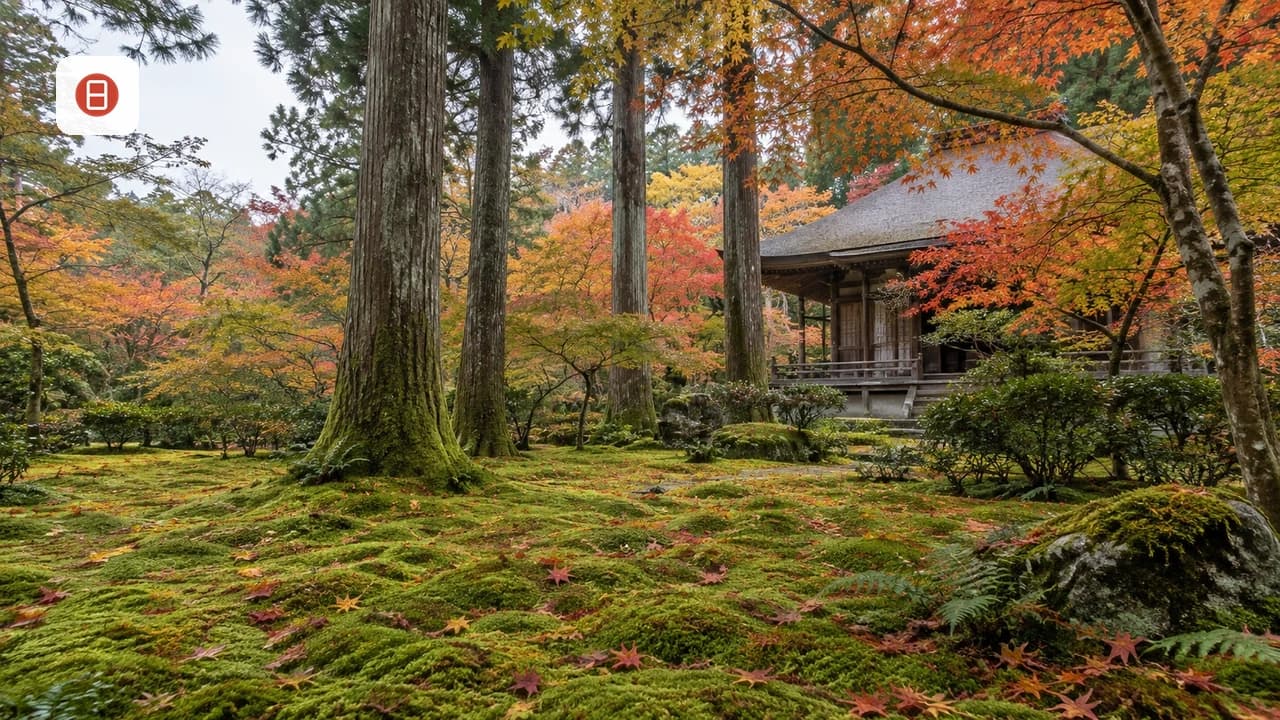
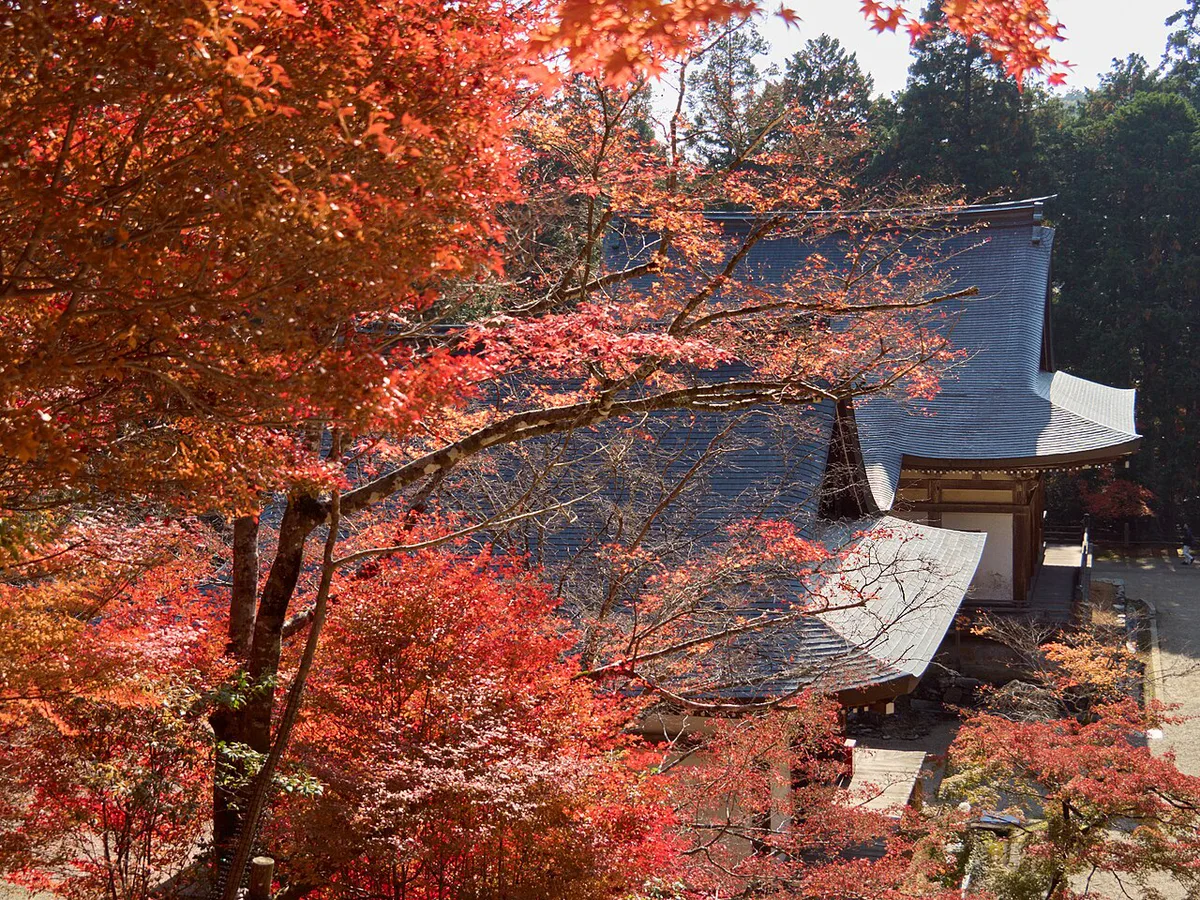
Most competitors blur autumn and October together, but the two rarely align in Kyoto. Peak red maples typically arrive in late November, with color building gradually rather than switching on overnight. Ginkgo trees tend to turn a few days before maples, so a single trip can catch one color stage and miss the other entirely. October instead offers a preview: high-elevation spots begin turning one to two weeks before downtown temples. Downtown gardens like Eikando and Nanzen-ji stay mostly green through October, with only edge branches showing an early hint of yellow or orange. Treat this month as the opening chapter of the complete autumn foliage guide, not the main event. Readers set on full color should cross-check expectations against the November's foliage peak guide before booking flights.
The Big Two: Jidai Matsuri and Kurama Fire Festival
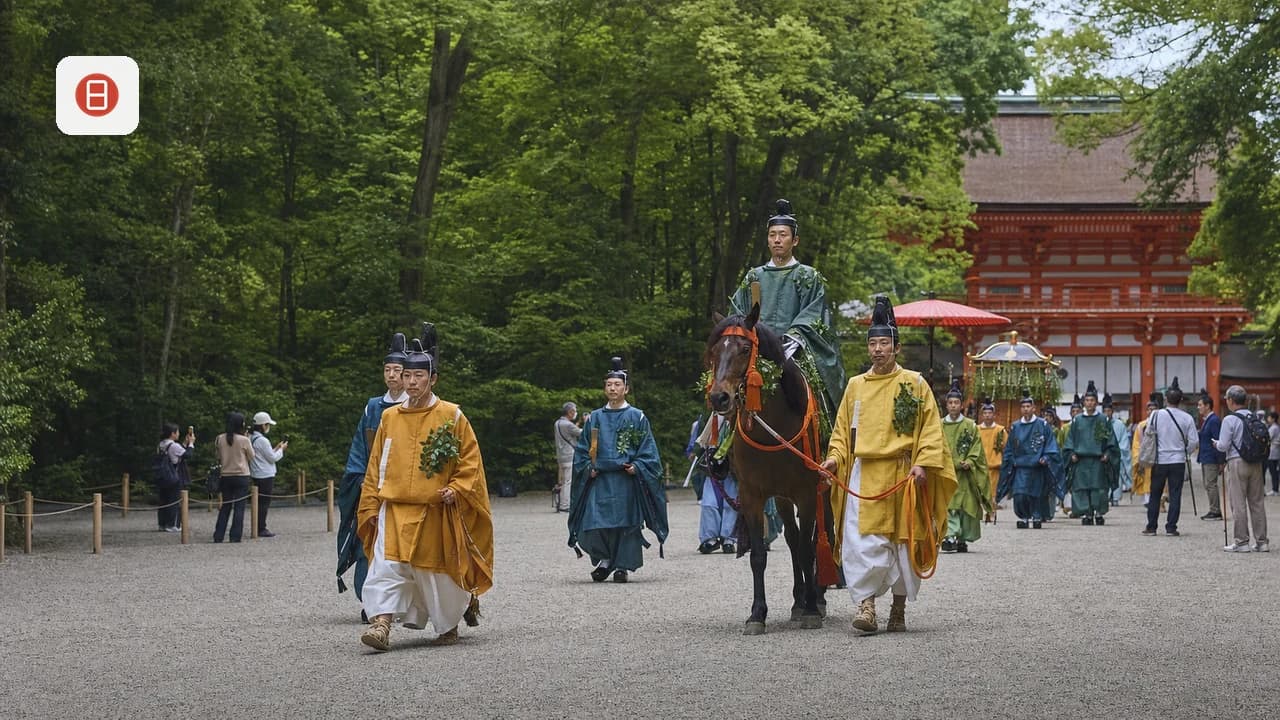
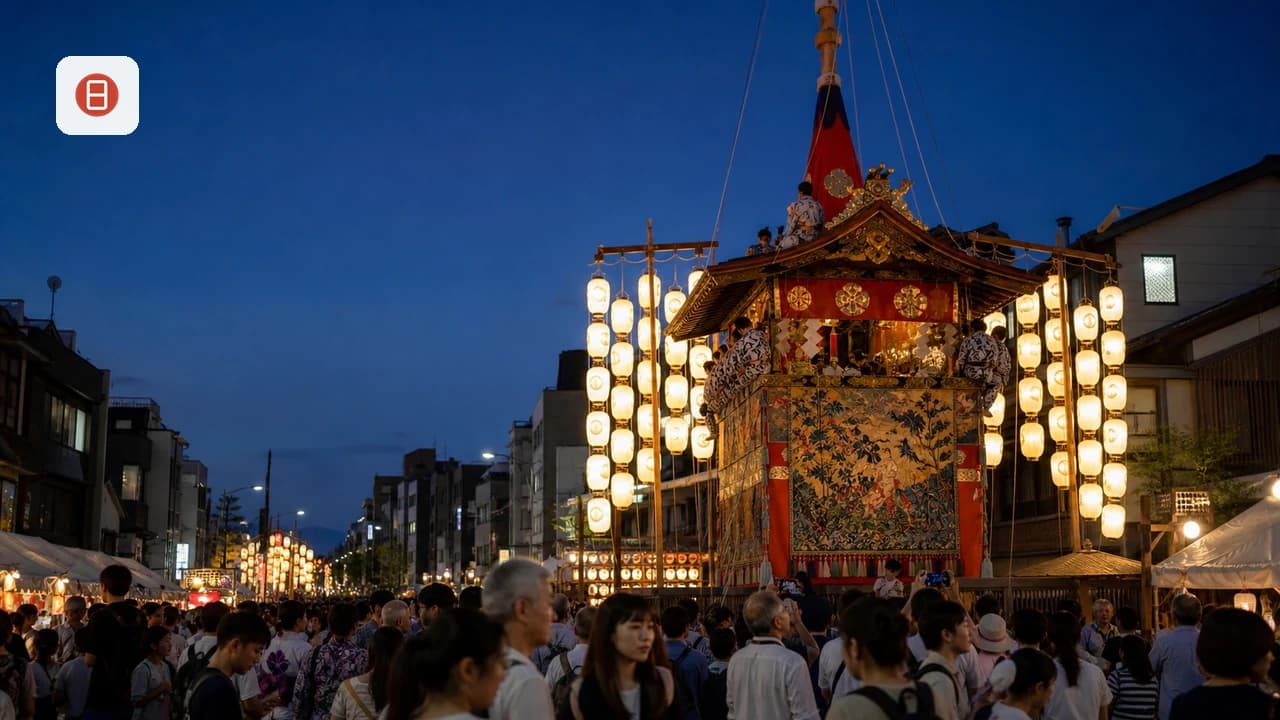
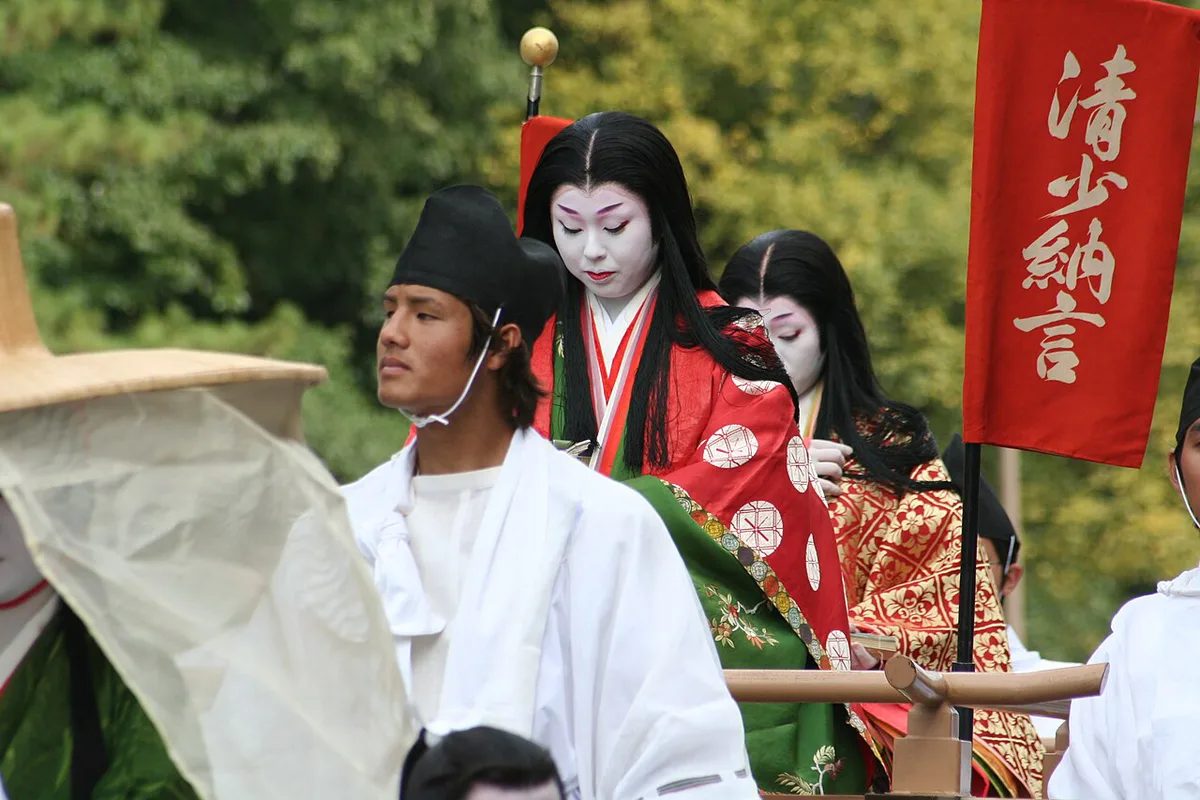
Two signature festivals land on the same date, October 22, 2026, and shape most October itineraries. Jidai Matsuri (Festival of the Ages) sends a costumed procession roughly two kilometers (about 1.2 miles) from the Imperial Palace to Heian Shrine. The procession spans close to five hours, according to Kyoto's October event calendar. Marchers represent Japanese eras from the Meiji period back to the 780s, so the parade reads like a walking history lesson. Kurama no Hi Matsuri, the Kurama Fire Festival, happens the same evening in Kurama village, reached via the Eizan Railway from Demachiyanagi Station. Torch-bearers move through the village from dusk, and the spectacle climaxes near 10:00 PM. Plan to arrive in Kurama by around 4:00 PM. Both the train and the village streets fill fast once the procession crowd starts arriving. For full route and crowd-timing detail, see the Jidai Matsuri procession guide. Torch safety and transit notes appear in the Kurama Fire Festival 2026: Schedule, Transit & Crowd Guide.
- Choose Jidai Matsuri for procession history, easier daytime access near the Imperial Palace, and a fixed route that's simple to photograph.
- Choose the Kurama Fire Festival for open flame, torchlit crowds, and a village setting distinct from central Kyoto.
- Attempting both means a rushed transit connection right after the parade ends, plus a late return train from Kurama after 10:00 PM.
An Hour-by-Hour Plan for October 22
Managing both festivals in one day takes a fixed schedule rather than improvisation. Late morning works best for claiming a viewing spot along the Jidai Matsuri route near the Imperial Palace or Heian Shrine. Procession viewing runs into the afternoon, so budget at least two hours of standing time along the route. A quick lunch near downtown works better than lingering, since the transit window toward Kurama narrows fast once the parade wraps up. Head toward Demachiyanagi Station by mid-afternoon to catch the Eizan Railway toward Kurama before trains fill up. Arriving in Kurama by around 4:00 PM leaves time to find a spot before the fire festival begins at dusk. Plan on a late return, since the festival climaxes near 10:00 PM and the walk back to the station takes time through a packed crowd.
- Late morning: stake out a viewing spot along the Jidai Matsuri route near the Imperial Palace.
- Early afternoon: watch the procession move toward Heian Shrine, roughly five hours start to finish.
- Mid-afternoon: head to Demachiyanagi Station for the Eizan Railway toward Kurama.
- By 4:00 PM: arrive in Kurama village ahead of the crowd crush.
- Dusk to 10:00 PM: watch the torch procession through Kurama's streets.
More October-Only Festivals and Markets
Beyond the Big Two, Kyoto's October event calendar lists several smaller festivals worth building a day around. Kitano Tenmangu hosts the Zuiki Matsuri from October 1 to 5, centered on a portable shrine decorated entirely with vegetables and dried produce. Awata Shrine, near Shōren-in and Chion-in in northern Higashiyama, runs the Awata Taisai from October 10 to 15 with a series of parades and rituals. Shōren-in stages the Mishōryū Sasaoka Ikebana Exhibition on October 11, pairing flower arrangements with its garden views. Hōkyō-ji, known as the Doll Temple, holds a doll memorial service called Ningyō Kuyō on October 14. Kamigamo Shrine hosts Kasagake Shinji, a mounted archery demonstration, on October 18. Pottery hunters should plan around the Kiyomizuyaki no Sato Matsuri, a pottery market running October 16 to 18. Kyoto Antique Fair closes out the month from October 30 to November 1, 2026, at Kyoto Pulse Plaza, drawing more than 350 dealers as western Japan's largest antique market. For the complete monthly rundown, see the Kyoto festivals calendar.
- Zuiki Matsuri — October 1-5, Kitano Tenmangu
- Mishōryū Sasaoka Ikebana Exhibition — October 11, Shōren-in
- Ningyō Kuyō (Doll Memorial) — October 14, Hōkyō-ji
- Kiyomizuyaki no Sato Matsuri — October 16-18, pottery market
- Kyoto Antique Fair — October 30-November 1, Kyoto Pulse Plaza
Where Autumn Color Shows First: Mount Takao, Kurama, and Arashiyama
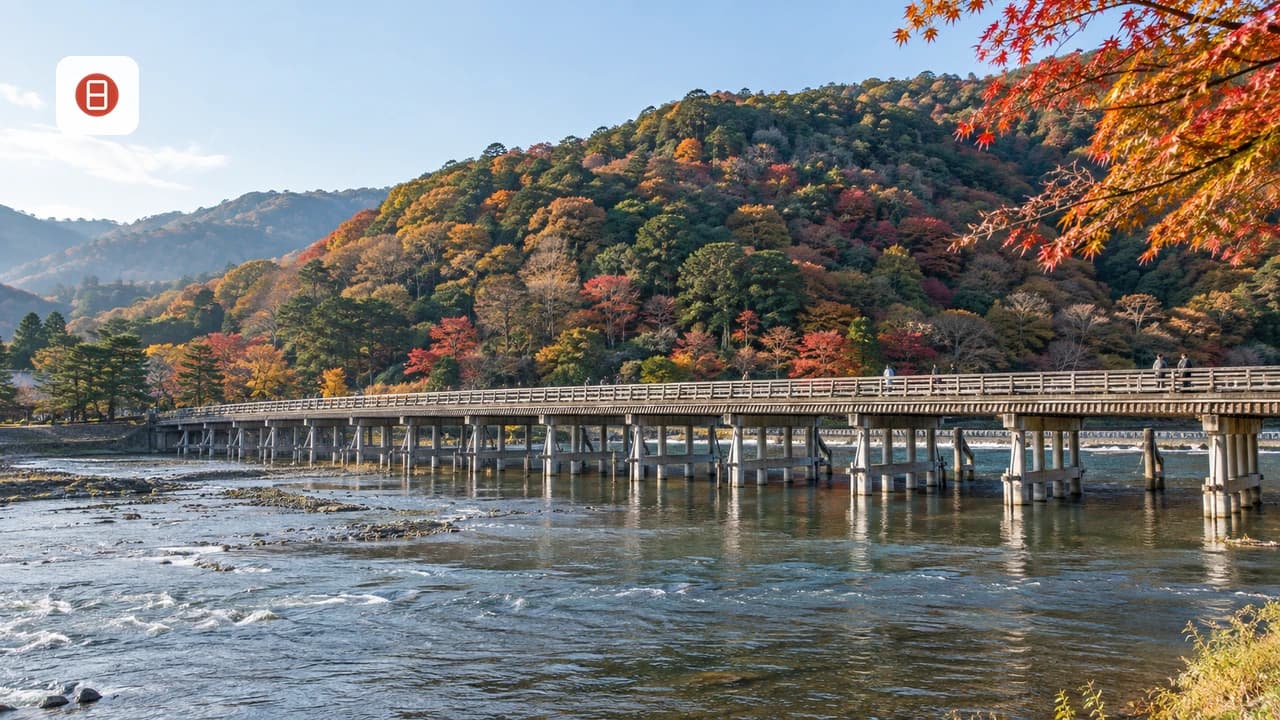
High-elevation districts change color before the city center, so they're the best bet for a first look at red leaves in October. Jingo-ji, on Mount Takao, sits in the hills above Kyoto and charges ¥1,500 admission. Its stone steps and maple canopy typically turn one to two weeks ahead of downtown temples. Kuramadera connects to Kifune Shrine via the Kurama-to-Kibune hike, a forested trail. This walk takes about 45 minutes, with early color often visible along the ridge by late October. Arashiyama moves more slowly since it sits closer to river level, but the district still rewards an early start. Tenryu-ji, the main Zen temple in Arashiyama, keeps hours from 8:30 AM to 5:00 PM. Garden entry costs ¥500, with an additional ¥300 to enter the temple buildings. Crowds at the Arashiyama Bamboo Grove grow fast. Arriving by 7:00 AM leaves the path clear, while a 7:45 AM start means sharing it with a full crowd. See the Arashiyama foliage guide for the full district rundown. Riders on the Sagano Romantic Train should book at least a month ahead. A round-trip ticket costs ¥880, and the train departs from Saga Arashiyama Station along the Hozugawa gorge.
October skips peak foliage (arriving late November), so budget the ¥1,500 Mount Takao entry to catch the season's earliest red maples at elevation.
Temples and Shrines Worth Visiting in October
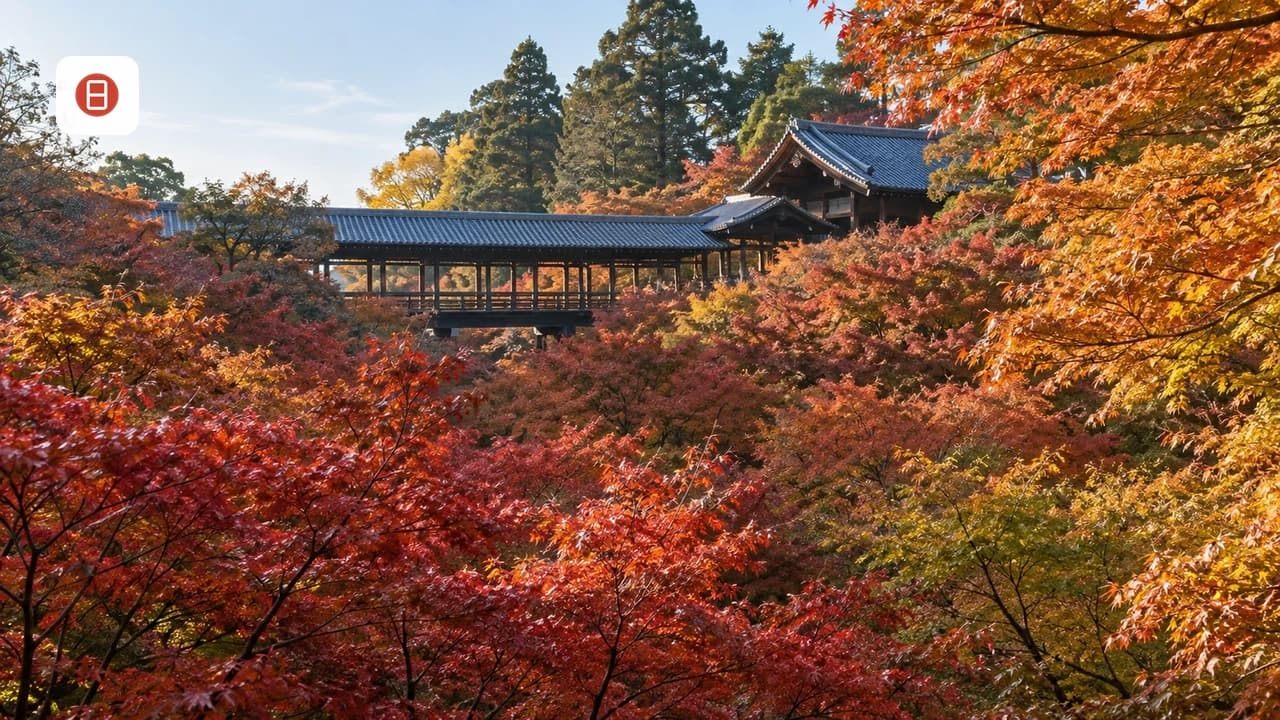
Eikando keeps seasonal hours of 9:00 AM to 4:00 PM and stays busy even before peak foliage arrives. Its garden mixes green and just-turning maples in October, well ahead of the ¥1,000 special admission Eikando charges during its late-November-to-early-December peak season. Nanzen-ji offers free entry to its main grounds, though its sub-temples charge separately, and its Zen architecture stays worth visiting regardless of leaf color. Kiyomizu-dera charges around ¥500 for daytime admission and draws sunset crowds for its hillside view over the city. Nearby Kodai-ji typically opens its evening illumination in late October. Its light-up ticket costs ¥600, the same as daytime entry. Exact autumn dates shift slightly each year, so confirm current listings before visiting. Adashino Nenbutsuji offers a quieter bamboo grove alternative to the crowds along Arashiyama's main path, plus a memorial site of stone statues worth slowing down for. Ohara's Sanzen-in gardens are also worth a stop in October. The Sanzen-in gardens guide covers hours and access. For the full illumination schedule and ticket details, see the autumn night illuminations guide.
Getting Around, Where to Stay, and What to Budget
Kyoto's temples and shrines sit farther apart than photos suggest. With a population of about 1.5 million, Kyoto functions as a working city, not a single compact historic district. Transit typically drops visitors 20 to 30 minutes on foot from temple gates, so comfortable shoes matter more than a packed itinerary. Subway lines handle most cross-town trips reliably, while buses run closer to individual temple stops but slow down in traffic. Avoid buses near the Imperial Palace and Heian Shrine on October 22, since the Jidai Matsuri route closes several streets to traffic. Because October is high season, book accommodations 4 to 6 months ahead of any trip built around October 22. Neighborhoods near Kyoto Station and downtown put both festival routes within easy subway reach. See the best area to stay guide for neighborhoods near the festival routes and early-color districts. For a wider view of things to do between festivals, the Kyoto attractions guide covers year-round sights. For general seasonal planning beyond this guide, see Kyoto's official travel guide. Typical entry costs across this guide's temples and rides fall in a predictable range, shown below.
October 22's dual festivals spike accommodation demand. Secure lodging 4 to 6 months ahead to guarantee availability near festival routes.
| Item | Price |
|---|---|
| Kiyomizu-dera admission | ¥500 |
| Tenryu-ji garden (+temple buildings) | ¥500 (+¥300) |
| Eikando fall special admission | ¥1,000 |
| Kodai-ji evening illumination | ¥600 |
| Kuramadera + cable car | ¥500 + ¥200 |
| Jingo-ji (Mount Takao) admission | ¥1,500 |
| Sagano Romantic Train (round trip) | ¥880 |
Mistakes to Avoid in Kyoto in October
A few planning mistakes show up again and again in October trip reports. Most cost nothing to avoid with a little lead time and a realistic itinerary.
- Expecting peak red maples in early October, when full color typically waits until late November.
- Skipping advance booking for the Sagano Romantic Train, which fills up roughly a month ahead.
- Underestimating the crowd size on October 22, when both festivals draw visitors from across the country.
- Packing only warm-weather clothes and missing the cool evenings near 13°C (56°F).
- Riding buses near the Imperial Palace on Jidai Matsuri day instead of the subway.
- Assuming every temple runs evening illuminations in early October, when most light-ups start closer to late October or November.
Frequently Asked Questions
Is October a good time to visit Kyoto for autumn colors?
October works better for festivals than for peak foliage. Full color usually arrives in late November, so October mostly offers green leaves with an early preview at high elevation. Mount Takao and Kurama tend to turn one to two weeks before downtown temples. Downtown gardens like Eikando typically stay green through most of the month.
What is the weather like in Kyoto in October?
Kyoto in October runs mild, with highs around 22°C (73°F) and lows near 13°C (56°F). Afternoons often feel warm enough for short sleeves, especially early in the month. Evenings and shaded trails call for a light jacket. Rainfall is generally lower than September, though an occasional shower or lingering typhoon can still appear.
Should you attend Jidai Matsuri or the Kurama Fire Festival?
Both festivals fall on October 22, 2026, and combining them in one day is tiring. Choose Jidai Matsuri for a costumed procession from the Imperial Palace to Heian Shrine. Choose the Kurama Fire Festival for torchlit spectacle in a village setting reached via the Eizan Railway. Attempting both means a rushed transit connection right after the parade ends, plus a late return train from Kurama.
Do you need to book the Sagano Romantic Train in advance?
Yes. Seats on the Sagano Romantic Train through the Hozugawa gorge sell out during October, so book roughly a month ahead. A round-trip ticket costs ¥880.
What other October festivals are worth planning around?
Several smaller events fill the calendar before the Big Two. Zuiki Matsuri runs October 1 to 5 at Kitano Tenmangu with a vegetable-decorated shrine. Kiyomizuyaki no Sato Matsuri, a pottery market, runs October 16 to 18. Kyoto Antique Fair closes the month from October 30 to November 1 at Kyoto Pulse Plaza.
How crowded is Kyoto in October?
Crowds stay moderate through most of October, then spike hard around October 22. Both major festivals draw visitors from across the country on the same day. Popular spots like the Arashiyama Bamboo Grove also get crowded early, often by 7:45 AM. Arriving by 7:00 AM avoids most of that first wave.
What if fall color hasn't started by the time your trip ends?
Foliage timing varies year to year, and early October rarely shows full color. Travelers extending into early winter can check the Kyoto in Winter: 8 Best Things to Do & Travel Guide guide for what comes next. Most color remains reliable through late November, well before winter weather sets in.
Free: The Kyoto Essentials guide
Top things to do, where to stay, a perfect day plan, getting around, and the best time to go — a Kyoto mini-guide you can take offline.
You might also like

Continue reading
More guides you'll find useful