Ohara Kyoto: A Complete Guide to Sanzen-in, Temples, and Autumn Leaves
Plan an Ohara, Kyoto day trip: Sanzen-in and Jakko-in entry fees, Bus #17 transit times, autumn leaf timing, and where to eat and soak in 2026.
On this page
Last updated September 2026: Ohara Kyoto sits in the hills north of the city, a farming village of moss gardens, mountain chanting halls, and shiso pickle stalls that swaps Arashiyama's crowds for a slower pace. Kyoto Bus #17 covers the roughly 60-minute ride from Kyoto Station, and Ohara's maples typically turn about a week before central Kyoto's do. This guide maps both sides of the valley, lists each temple's entry fee, and flags the seasonal trade-offs worth planning around.
Why Visit Ohara, Kyoto, Instead of Arashiyama
Arashiyama draws the bulk of Kyoto's day-trippers for its bamboo grove and river views. Ohara sits about an hour north in the opposite direction, a farming village built around Tendai Buddhist temples rather than souvenir strips. Moss gardens, mountain chanting halls, and vegetable fields replace the crowds, and the pace slows once the bus turns off the main highway. Sanzen-in, the area's central temple, was founded in the late 8th century by the monk Saicho. Saicho also established the Tendai sect at Enryaku-ji on Mount Hiei. Whether the trip is worth your time comes down largely to timing. The Best Time to Visit Kyoto: Monthly & Seasonal Guide (2026) guide breaks down how Ohara's autumn window compares with the rest of the city. For broader seasonal planning across the country, the Japan National Tourism Organization site covers travel windows beyond Kyoto alone.
Getting to Ohara from Kyoto Station: Bus and Subway Options
Two main routes connect central Kyoto to Ohara. Kyoto Bus #17 runs direct from Kyoto Station, taking about 60 minutes for ¥630, with a stop at Shijo-Kawaramachi around 45 minutes into the ride. Riders with a subway pass can instead take the Karasuma Line to its northern terminus at Kokusaikaikan, then transfer to Bus #19 for the final leg to Ohara. That combination covers the same distance in roughly 40 minutes for a combined ¥690 and avoids surface traffic through the city. Buses on both routes run about every 30 minutes, so missing one costs little.
During peak autumn weekends, boarding at the start of the route — Kyoto Station or Shijo-Kawaramachi — improves the odds of a seat for the ride north. From the Ohara bus terminal, most temples sit along a sloped, shop-lined path east of the stop. Confirm current fares and schedules on the Kyoto Official Travel Guide before you depart, since bus numbers and pricing can shift year to year. For context on how Ohara compares with Kyoto's better-known sites, see the 20 Best Kyoto Attractions in 2026 overview.
Frequent travelers can also weigh the Ohara/Yase One-Day Ticket. It bundles Keihan line travel with the connecting bus for ¥1500 per adult and ¥750 per child, plus small discounts at Ohara's temples. Confirm current pricing before buying, since ticket terms can change over time.
| Route | Time | Cost | Best For |
|---|---|---|---|
| Kyoto Bus #17 (direct) | ~60 minutes | ¥630 | Direct ride from Kyoto Station or Shijo-Kawaramachi |
| Karasuma Line + Bus #19 | ~40 minutes | ¥690 | Avoiding city traffic; works well with a subway day pass |
The Eastern Slope: Sanzen-in and the Temple Cluster
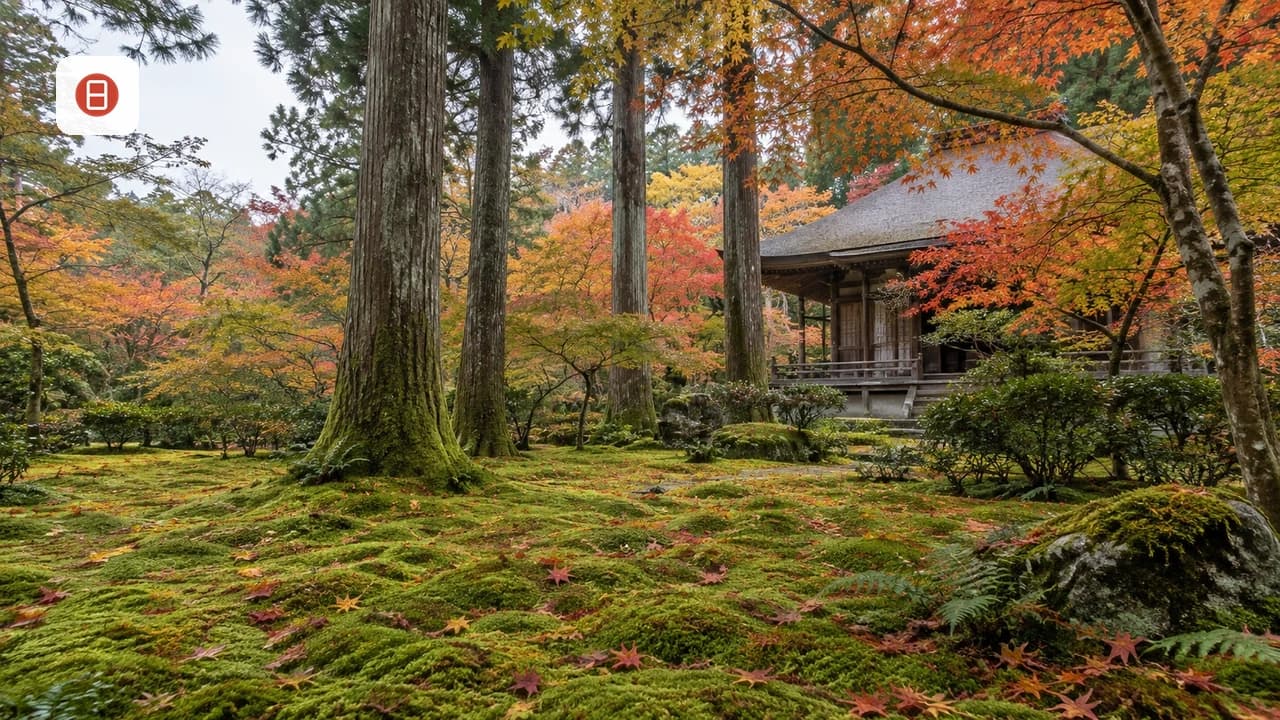
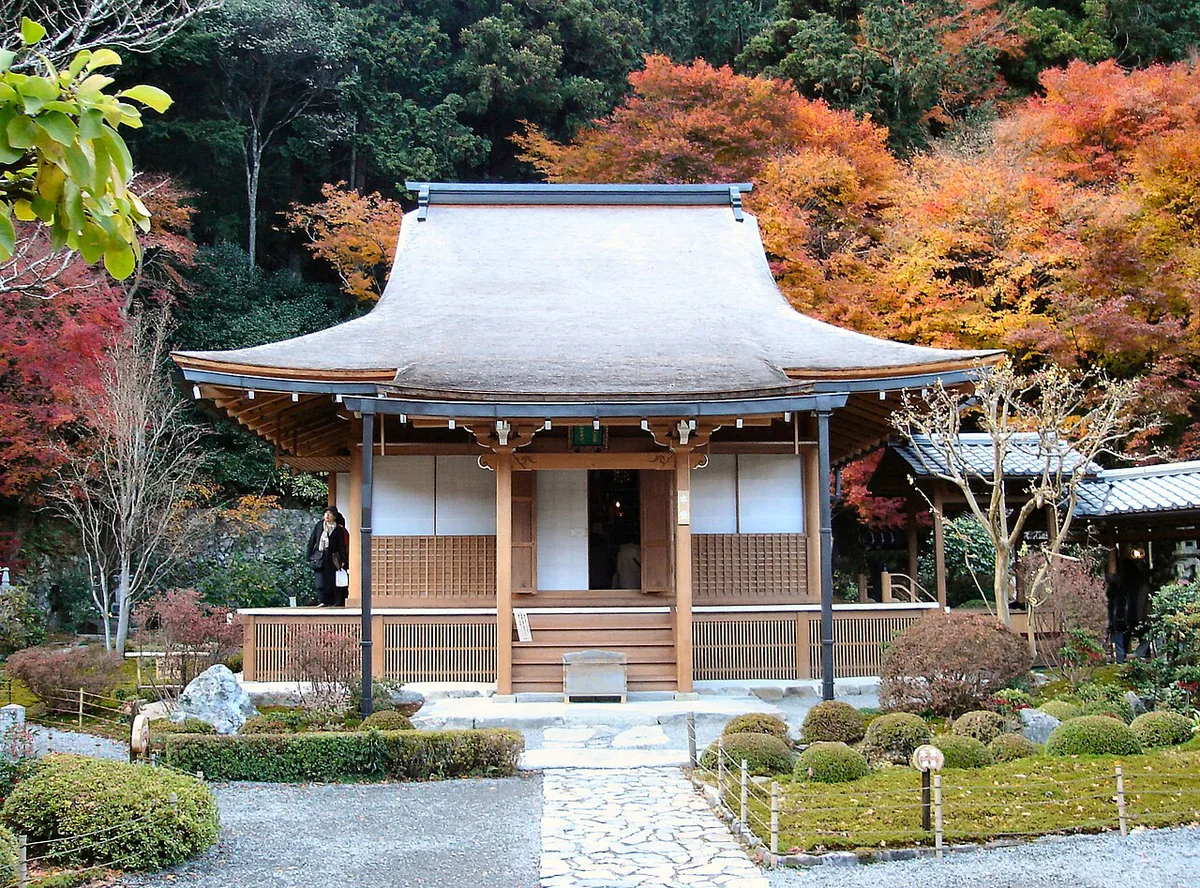
Sanzen-in anchors the eastern side of the valley and draws the largest share of visitors. Stone walls enclose a complex of halls and gardens, including the moss-covered Yusei-en garden, where small stone Warai-jizo statues sit half-hidden among the moss. The Ojo Gokuraku-in Hall, first built in 985 and rebuilt in 1143, holds a statue of Amida Buddha flanked by two attendant deities. Entry costs ¥700, with hours generally 9:00 to 17:00 that shorten to around 16:00 or 16:30 from December through February.
A steep, quiet history sits behind two smaller temples nearby. Shorin-in's ceiling incorporates wooden planks recovered from Fushimi Castle, where its defenders died in a 1600 siege. Those blood-stained boards were later placed overhead so visitors would pray for the dead, giving the hall its nickname Chi-tenjo, or blood ceiling. Hosen-in preserves the same style of ceiling in its outer corridors, alongside a pine tree estimated at 700 years old, shaped to suggest the outline of Mount Fuji. A cup of matcha and a seasonal sweet are served while seated on tatami facing the garden, and entry runs ¥900, tea included. Shorin-in itself costs ¥300 to enter and holds a golden Amida Buddha statue in its main hall. If you only have time for one temple beyond Sanzen-in, Hosen-in's pine tree and tea service make it the strongest second stop.
Raigo-in sits deeper in the forest, founded in the 9th century and rebuilt by the monk Ryonin in 1109 as a training hall for shomyo, a style of Buddhist chanting. Entry is ¥400. A ten-minute forest walk beyond Raigo-in, along the Ritsu-gawa river, leads to Otonashi-no-taki, the Otonashi Falls. Legend holds that Ryonin's chanting once matched the sound of the water so closely that the falls seemed to fall silent. That's the origin of the waterfall's name, which translates to soundless falls.
| Temple | Entry Fee | Approx. Hours |
|---|---|---|
| Sanzen-in | ¥700 | 9:00–17:00 (shorter Dec–Feb) |
| Hosen-in | ¥900 (tea and sweet included) | 9:00–17:00 |
| Shorin-in | ¥300 | 9:00–16:30 |
| Raigo-in | ¥400 | 9:00–17:00 |
The Western Slope: Jakko-in and the Quieter Trail
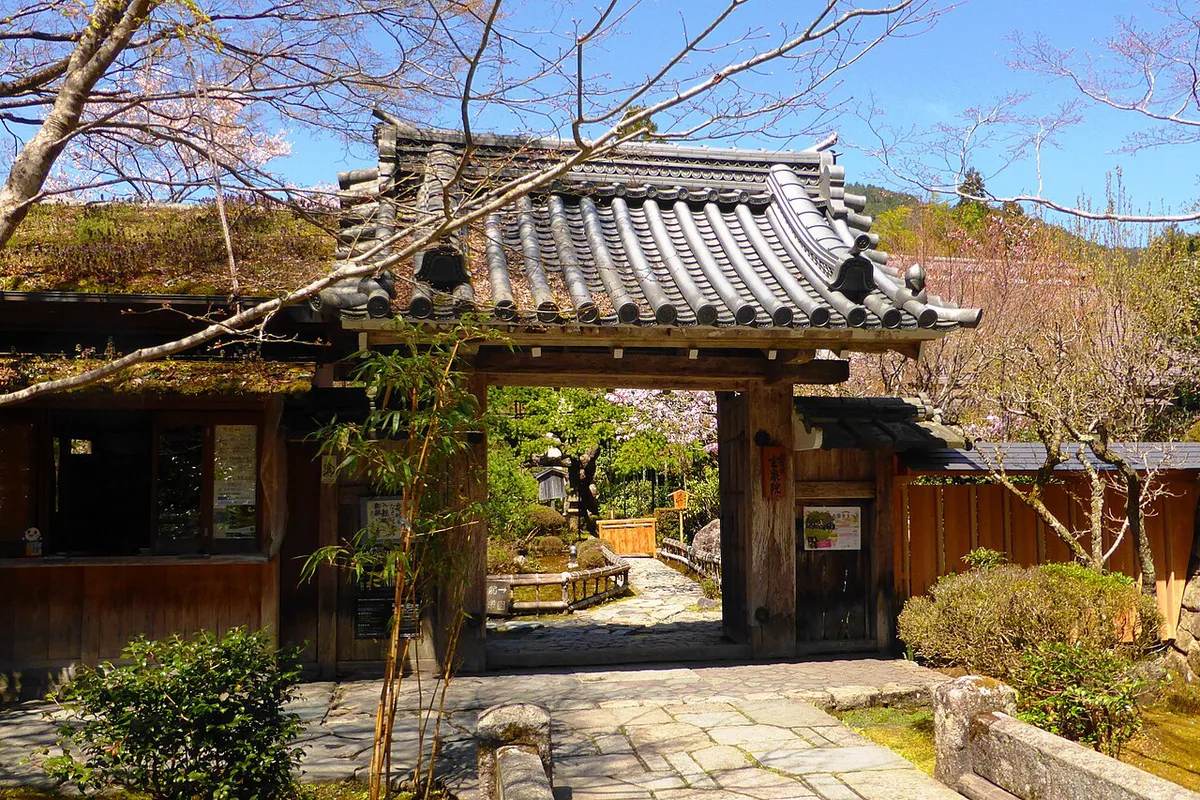
Most visitors never cross to the western side of the valley, where Jakko-in sits roughly 20 to 30 minutes on foot from the Sanzen-in cluster. The temple traces its origin to the early 7th century, when Prince Shotoku is said to have founded it in memory of his father. Its main hall burned down in a 2000 arson attack and was later rebuilt. Today it holds a statue of Jizo, the guardian deity of children. Empress Kenreimon-in retired here after her clan's defeat in the Genpei War, a story recounted in the closing chapters of the Tale of the Heike. Entry costs ¥600, with hours running 9:00 to 17:00 for most of the year and closing around 16:30 from December through February. That walk follows a river path through rice paddies and past a handful of shops, considerably quieter than the approach to Sanzen-in. For travelers weighing whether the extra distance is worth it, the trade-off is straightforward. Jakko-in means fewer temples and far fewer visitors, plus a clearer sense of Ohara as a farming village rather than a tourist stop. Hikers looking for a similar rural escape closer to central Kyoto might also consider the Kurama to Kibune hike, a separate trail north of the city.
When to Go: Autumn, Winter, and Spring in Ohara
Autumn is Ohara's busiest season, and for good reason. Maples across the valley typically peak in mid-November, roughly a week earlier than central Kyoto's momiji season. Timing a visit slightly ahead of the city center's peak can mean brighter colors with a smaller crowd. The Kyoto Autumn Foliage: 10 Best Places and Planning Tips tracks how that timing shifts across neighborhoods each year. Weekends and national holidays in November bring the heaviest bus traffic, so a weekday visit, or an early departure from Kyoto Station, helps avoid a standing-room ride. For a broader sense of how Ohara's color season lines up against the rest of the city, the Kyoto Weather By Month: 14 Essential Seasonal Insights breakdown is a useful companion.
In winter, temple admission stops 30 minutes before closing time; arriving after 3:00 PM risks missing entry entirely and wasting the journey.
Winter turns Ohara noticeably colder than downtown Kyoto, and snow settles on the temple roofs some years when the city center stays dry. Several temples shorten their hours from December through February, with last admission typically 30 minutes before closing, so a late-afternoon arrival cuts into the visit. Those building a winter Kyoto itinerary can cross-reference the Kyoto in Winter: 8 Best Things to Do & Travel Guide guide for what else is open in the cold months.
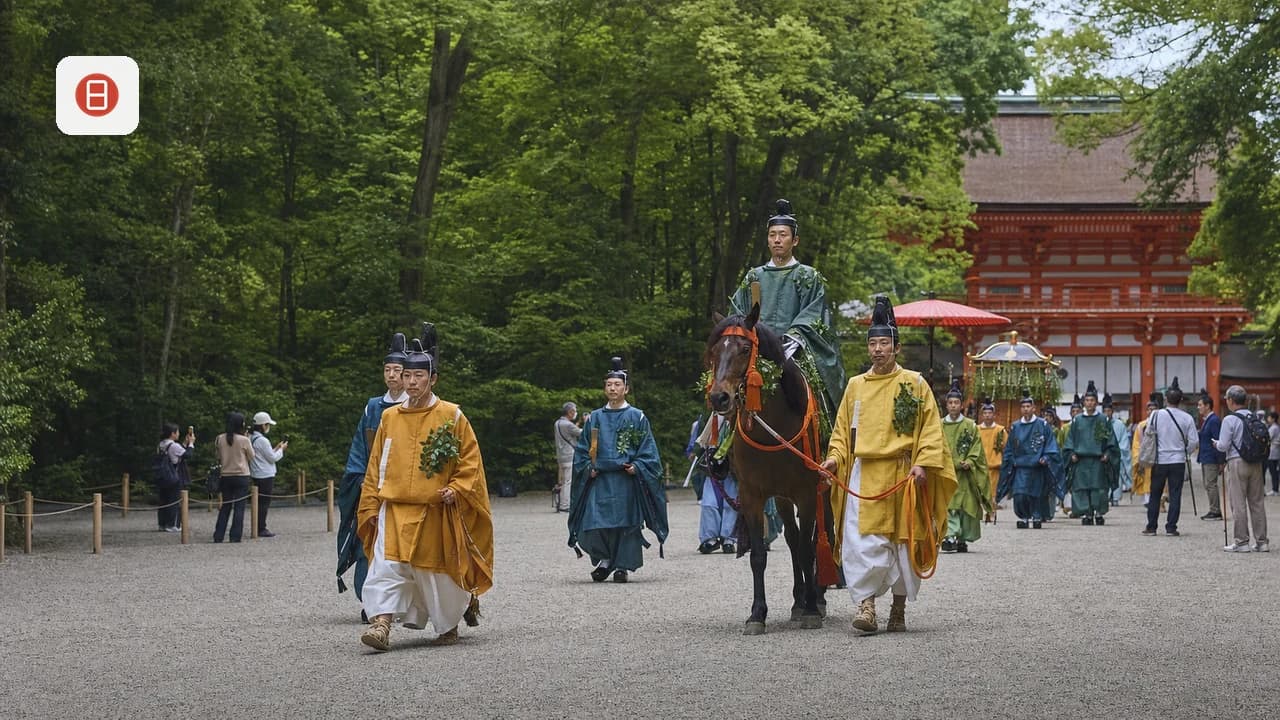
Spring brings cherry blossoms and azaleas to the same gardens that draw the autumn crowds. Ohara also holds the two-week Oharame Matsuri each May, a festival built around the village's tradition of female peddlers. Dressed in indigo kimono, these women once carried brushwood and firewood into Kyoto balanced on their heads. Kyoto's broader spring and autumn calendar appears in the 10 Best Kyoto Festivals and Events to Plan Around in 2026 guide, useful for pairing an Ohara trip with a date elsewhere in the city.
Local Flavors and Overnight Stays in Ohara
Ohara's food identity centers on what grows in its fields. Shiba-zuke, a pickle fermented with red shiso leaves, has been made in the valley for centuries. The shiso itself is planted in spring and harvested in early July. Stands along the path to Sanzen-in also sell aisu kyuri, cucumbers pickled in seaweed-flavored ice water and served on a stick. This makes a simple snack for the walk between temples. For a heartier meal, Ohara no Sato, a ryokan near Sanzen-in, is known for a miso-nabe hot pot made with house-made miso, alongside yudofu and chicken sukiyaki.
Hot spring bathing is a newer addition to Ohara's appeal. Drilling in 2004 reached water more than half a mile underground, and several ryokans now draw on that source for indoor and open-air baths. Many pair a bath with a lunch set aimed at day-trippers rather than overnight guests. Seryo, near Jakko-in, offers ten guest rooms with garden views in both Japanese and Western styles. Travelers extending a Kyoto stay beyond Ohara can compare neighborhoods in the 9 Best Areas to Stay in Kyoto Travel Guide (2026) guide. Ohara itself works better as a day trip than as a base for exploring the rest of the city.
Mistakes to Avoid When Planning an Ohara Day Trip
A few planning missteps repeat often enough to flag directly.
The northbound bus takes about 60 minutes but fills up during autumn weekends; early departure from Kyoto Station secures a seat.
- Some city bus passes charge a small surcharge for the Ohara zone. Confirm coverage before boarding, not at the farebox.
- Sanzen-in and other temples typically stop admission 30 minutes before closing, and several close by 16:00 to 16:30 from December through February. If you arrive after 3:00 PM in winter, you risk being turned away at the gate.
- The path to Otonashi Falls and the walk to Jakko-in cover uneven forest ground and stone steps. Closed, grippy footwear matters more here than in central Kyoto's paved temple courtyards.
- Treating Ohara as a quick stop rarely works. Between the eastern and western temple clusters, a half-day is the realistic minimum, and a full day allows time for both sides plus lunch.
For related deep-dives, see our Arashiyama Autumn Leaves 2026: Peak Dates, Best Spots & Crowd Tips and Kyoto Autumn Illumination 2026: Night Light-Up Guide by Temple guides.
Frequently Asked Questions
How long does it take to get from Kyoto Station to Ohara?
Kyoto Bus #17 runs directly from Kyoto Station in about 60 minutes for ¥630. The Karasuma subway line plus Bus #19 covers the same trip in roughly 40 minutes for a combined ¥690.
Is Ohara worth visiting as a day trip from Kyoto?
For travelers who have already seen Arashiyama and central Kyoto's major temples, yes. Ohara trades those crowds for a farming village with moss gardens, mountain chanting halls, and fewer visitors per temple.
How much does it cost to enter Sanzen-in Temple?
Sanzen-in charges ¥700 for entry. Hours generally run 9:00 to 17:00, shortening to about 16:00 or 16:30 from December through February.
Can you visit both Sanzen-in and Jakko-in in one day?
Yes, but you should budget extra time. Jakko-in sits 20 to 30 minutes on foot from the Sanzen-in cluster, on the opposite side of the valley. Seeing both comfortably takes closer to a half day than a quick two-hour stop.
When is the best time to see autumn leaves in Ohara?
Ohara's maples typically peak in mid-November, about a week earlier than central Kyoto's main foliage season. Visiting on a weekday, or arriving on one of the first buses from Kyoto Station, helps avoid the heaviest weekend crowds.
What food should you try in Ohara?
Shiba-zuke, a red-shiso pickle, and aisu kyuri, iced pickled cucumbers, are the area's signature snacks. For a full meal, look for miso-nabe hot pot at ryokans like Ohara no Sato.
Free: The Kyoto Essentials guide
Top things to do, where to stay, a perfect day plan, getting around, and the best time to go — a Kyoto mini-guide you can take offline.
You might also like

Continue reading
More guides you'll find useful