

Osaka Autumn Leaves 2026: Best Spots and Peak Foliage Forecast
Plan 2026 Osaka autumn leaves with peak forecast dates, top mountain and city spots, transit tips, and momijigari logistics for late November and early December.
On this page
Last updated September 2026, this guide tracks Osaka autumn leaves through the 2026 season, mapping the mountain trails, temple grounds, and city boulevards where color turns first. Ginkgo yellows and maple reds peak on different weeks, and a 30-minute train ride can separate an early crowd from a late one. The sections below rank the best spots by color type, effort, and crowd level, so you can match a trip to the time you actually have.
2026 Osaka Autumn Leaves Forecast: Season Comparison and Peak Dates
Plan for late November through the first week of December if you want the fullest color across the city. Mountain locations change first, and the city center follows one to two weeks later. Japan's Meteorological Corporation released its first 2026 forecast on September 2, putting Osaka's ginkgo peak around November 24 and its maple peak between December 4 and 7. Warmer-than-average autumn temperatures pushed this year's window a few days past the long-term average, so treat these dates as a guide rather than a lock. Locking travel dates around one specific forecast day is risky, since the window can still shift by up to a week either way, so plan flexible days rather than a single exact date. Elevation explains most of the gap. Northern hill spots like Minoo Park and Katsuo-ji Temple typically color one to two weeks before flat, urban ground like Osaka Castle Park or Midosuji Avenue. Japan's broader koyo front starts in Hokkaido around mid-September and moves south, reaching Kansai's lower elevations only by late November, which is part of why Osaka trails the northern regions by roughly two months. Daytime highs run around 17°C (63°F) in mid-November and fall toward 10°C (50°F) by early December, so layering matters more than the exact date. For a fuller month-by-month breakdown, see the Osaka in November guide. Cross-check conditions against the month-by-month weather guide before you pack. Read the Osaka in October guide if you're arriving before mid-November, since citywide color hasn't started yet. If you're weighing Osaka's two big color seasons against each other, the cherry blossom season guide walks through the spring equivalent of this same peak-chasing logic.
| Period | Where Color Peaks | Leaf Color | Typical Daytime Temp | Crowd Level |
|---|---|---|---|---|
| Mid-to-late November | Minoo Park, Katsuo-ji Temple (northern hills) | Ginkgo turning, maple starting | ~17°C (63°F) | Moderate, busier on weekends |
| Around November 24 | Midosuji Avenue, Osaka Castle Park (city center) | Ginkgo yellow peak | ~14°C (57°F) | High, especially at evening illuminations |
| December 4-7 | Citywide, including Osaka Castle Park and Minoo Park | Maple red peak | ~10°C (50°F) | High, heaviest on weekends |
Minoo Park, Osaka Castle Park, and Midosuji Avenue: The Big Three
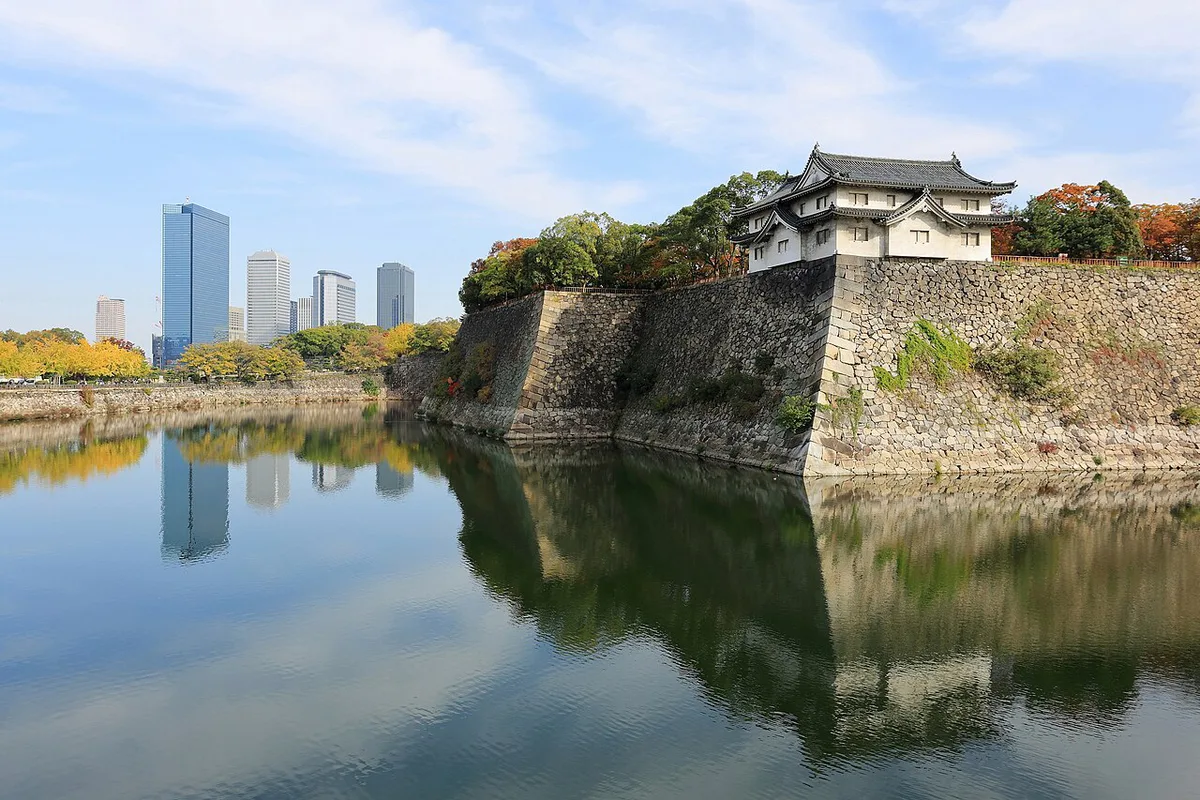
These three spots reward different travel styles, from a half-day hike to a 20-minute stroll after lunch. Minoo Park is the nature escape, with a roughly 3km (1.9-mile) riverside walk to Minoo Falls that takes about 45 minutes each way past small shrines and tea stalls. Vendors along the trail sell momiji tempura, maple leaves battered and fried, a snack specific to this area. Minoo also runs a momiji festival from mid-November to early December, with stalls, forest yoga sessions, and evening illuminations. A dedicated Minoo Park guide covers the full trail in more detail. Osaka Castle Park is the urban classic, its golden ginkgo trees, including one estimated at over 100 years old, lining the paths toward the castle tower. Hours run 9 a.m. to 5 p.m. daily, per Osaka's official travel guide. Both the garden and the tower charge separately, so budget for both if you want the elevated view as well as the ground-level ginkgo rows. Climbing the tower adds a view over the whole park's color, not just the moat-level reflections. The park anchors most Osaka attractions itineraries even outside leaf season. Midosuji Avenue is the fastest option here. A 4km (2.5-mile) boulevard through Shinsaibashi, it's lined with more than 800 ginkgo trees that turn the street yellow by late November. Evening illuminations light the same trees gold after dark. Travelers with only half a day in the city should default to Midosuji Avenue or Osaka Castle Park, since neither needs a train ride out of the center. Minoo needs a half-day on its own once transit and the walk are added in.
- Minoo Park: free entry, roughly 3km (1.9 miles) to Minoo Falls, about 45 minutes each way, open 24 hours
- Osaka Castle Park: Nishinomaru Garden ¥300 (closed Mondays), castle tower ¥1,200, open 9 a.m. to 5 p.m.
- Midosuji Avenue: free, 4km (2.5-mile) stretch, nearest station exit about 2 minutes from Shinsaibashi Station
Mountain Temples and Parks Worth the Extra Travel Time
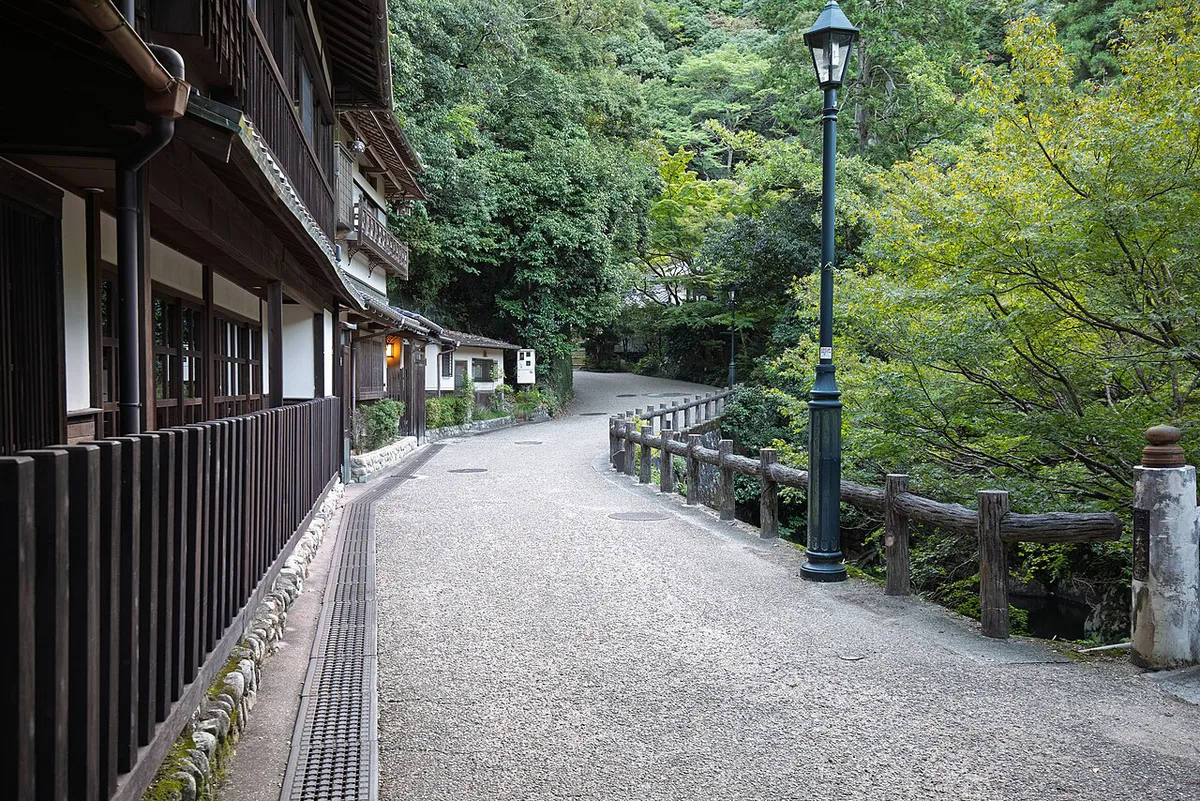
These four spots ask for more transit time than the Big Three, but each pairs color with a landmark you won't find downtown. Katsuo-ji Temple draws visitors year-round for its thousands of small daruma dolls, left behind after a wish comes true. Maples framing the approach turn red by mid-to-late November, and admission runs about ¥500. Katsuo-ji sits in Osaka's northern hills, so its color tends to arrive slightly ahead of the city center, in line with the elevation pattern above. A separate Katsuo-ji Temple guide covers the full route and grounds in more detail. Evening illumination dates vary by year, so check the temple's official site before planning a night visit. Hoshida Park's main draw is the Hoshi no Buranko suspension bridge, a wooden span stretching across a forested valley. Anyone uneasy with heights should sit this one out; the drop below the deck is not disguised. Expo '70 Commemorative Park spreads across open lawns and a preserved Tower of the Sun from the 1970 World Expo. Momiji Valley turns red by mid-November, and the elevated Sorado promenade gives a canopy-level view of the same trees. Entry runs around ¥450 and covers both the Natural and Japanese gardens. Ushitakisan Daitoku-ji sees the fewest visitors on this list, largely because of the transit. Reaching it takes a 26-minute train from Namba plus a 50-minute bus. Its two-story Tahoto pagoda is a designated cultural asset, and nearby Kinryu Falls adds a second stop once you've made the trip out.
- Hoshi no Buranko bridge: 280 meters (920 feet) long, 50 meters (164 feet) above the valley floor
- Getting there: a 45-minute train ride, then a 40-minute hike from Kisaichi Station
- Park size: about 105 hectares (259 acres), with multiple additional hiking trails
- Admission: free
Which Spot Fits Your Trip? A Quick Decision Matrix
Matching a spot to your schedule matters more than chasing the single best day for color. Transit time across this list ranges from a two-minute walk to well over an hour each way, and that gap should drive the decision as much as which shade of red or yellow you prefer. Families juggling strollers or younger kids generally do better on flat ground than on Hoshida's trail or Minoo's incline. Photography-focused visits do well at Katsuo-ji, where daruma dolls and red maples share the same frame, and at Osaka Castle Park's moat during the last hour before sunset.
Day trips span vastly different durations: Midosuji Avenue is about 2 minutes from Shinsaibashi Station, while Hoshida's suspension bridge requires a 45-minute train ride then a 40-minute hike.
| Spot | Color | Effort | Crowd Level | Best For |
|---|---|---|---|---|
| Midosuji Avenue | Yellow (ginkgo) | Easy, 2-min walk from station | High, especially evenings | Short itineraries |
| Osaka Castle Park | Yellow and red | Easy, flat paths | High on weekends | First-time visitors |
| Minoo Park | Red (maple) | Moderate, 45-min walk each way | High on weekends | A nature day without a full hike |
| Katsuo-ji Temple | Red (maple) | Moderate walk plus transit | Moderate | Photography |
| Hoshida Park | Mixed | Hiking, 40-min trail from the station | Low to moderate | Hikers |
| Expo '70 Park | Mixed | Easy, flat and stroller-friendly | Moderate to high | Families |
| Ushitakisan Daitoku-ji | Red (maple) | Easy walk, long transit | Low | Travelers prioritizing quiet over convenience |
Momijigari Logistics: Transit, Crowds, and What to Pack
An ICOCA or other IC card covers every train and bus on this list with a single tap, no ticket machine required. Travelers stacking several paid attractions in one day may find the Osaka Amazing Pass worth pricing out, since it bundles entry to a number of parks and attractions alongside transit. Arrive at mountain spots before 9 a.m. if possible. Trailhead paths at Minoo and Hoshida fill in fast once weekend crowds arrive. Weekday visits cut wait times noticeably at every spot on this list, city and mountain alike. Weekend crowds also cluster around festival dates like Minoo's momiji festival, so a weekday visit during that same window still beats a weekend one outside it. Mornings run cooler than daytime highs suggest, often near 8°C (46°F) even when the afternoon reaches the mid-teens Celsius, so pack a layer you can shed by midday. Trails at Minoo and Hoshida also call for shoes with real tread, since wet fallen leaves get slick fast. Carry cash for small stalls. Momiji tempura vendors along the Minoo trail, along with several temple and garden entry gates, don't reliably take cards. Illumination events add a genuine evening draw. Hours are stricter than daytime admission, and some require a separate ticket. Check the Osaka events calendar for exact dates before building an evening around one.
The longest walks like Minoo's 45 minutes each way and Hoshida's 40-minute hike require proper tread on shoes, since wet fallen leaves become treacherous underfoot.
Mistakes to Avoid When Timing Osaka's Fall Colors
Underestimating the walk from the station to the actual trailhead trips up more visitors than bad weather does. Hoshida Park's suspension bridge, for instance, sits at the end of a 40-minute hike beyond the last train stop, not a quick stroll. Skipping a rain-or-shine backup plan is another frequent gap, since exposed trails like Hoshida's get slippery fast in wet weather. Missing an illumination's operating window is a separate common miss, since many light-ups run on a tighter schedule than daytime admission and some require a separate ticket bought on-site. Don't assume Osaka and Kyoto peak on the same weekend, either. Japan's Meteorological Corporation forecasts Kyoto's red leaves around December 11 for 2026, several days after Osaka's early-December window. Travelers splitting a trip between both cities should build in that gap rather than expecting one itinerary to catch both peaks at once. For a broader view of how this season fits against the rest of the year, the Best Time to Visit Osaka: Seasonal Guide & Monthly Weather guide lays out the tradeoffs against summer and spring. An Osaka in autumn overview also covers shoulder-season options if these specific dates don't line up with your travel window.
Frequently Asked Questions
When do autumn leaves peak in Osaka in 2026?
Ginkgo yellows are forecast to peak around November 24, 2026, with maple reds following between December 4 and 7. Mountain spots like Minoo Park and Katsuo-ji Temple typically turn one to two weeks before flat, urban ground such as Osaka Castle Park. Treat these as forecast dates, not guarantees, since a warm or cool week can shift them either way.
Is Kyoto or Osaka better timed for autumn leaves?
Osaka's maples are forecast to peak a few days earlier than Kyoto's for 2026, with Osaka's red leaves expected around December 4 to 7 and Kyoto's around December 11. Many travelers split a trip across both cities, so building in that several-day gap avoids missing one city's window while chasing the other's.
How much does it cost to see Osaka's best autumn leaves spots?
Several of the best spots cost nothing, including Midosuji Avenue, Hoshida Park, and the Minoo Park riverside trail. Paid sites are inexpensive by comparison. Nishinomaru Garden at Osaka Castle runs about ¥300, and the castle tower adds roughly ¥1,200. Katsuo-ji Temple charges around ¥500, and Expo '70 Commemorative Park's gardens run near ¥450.
What should you wear for leaf-viewing in Osaka in November?
Layer up. Daytime highs typically run around 17°C (63°F) in mid-November, but mornings can dip closer to 8°C (46°F). Comfortable, closed-toe shoes matter too, especially for the 3km Minoo Falls walk or Hoshida's 40-minute trail, where wet leaves get slick underfoot.
Is the Hoshida Park suspension bridge safe for people afraid of heights?
Hoshi no Buranko sits 50 meters (164 feet) above the valley floor and stretches 280 meters (920 feet) across, with clear views straight down through the deck. Anyone with significant vertigo may want to skip it or stay near the anchor points at either end. Reaching it also requires a 40-minute hike from Kisaichi Station, so factor that into how the day feels physically, not just visually.
What is momiji tempura?
Momiji tempura is battered, deep-fried maple leaves, sold by small stalls along the Minoo Park trail during the autumn season. It's a specific regional snack rather than a Japan-wide dish, and stalls typically expect cash rather than cards.
Can you combine Osaka's autumn leaves with Kyoto or Nara in one trip?
Kyoto and Nara are common add-ons to an Osaka autumn itinerary, and both sit within an easy train connection of central Osaka. Because Kyoto's 2026 forecast peak falls around December 11, several days after Osaka's, splitting a week between the two cities can stretch your color-viewing window instead of compressing it into one weekend.
Free: The Osaka Essentials guide
Top things to do, where to stay, a perfect day plan, getting around, and the best time to go — a Osaka mini-guide you can take offline.
You might also like


Continue reading
More guides you'll find useful


