Kyoto in November: Peak Foliage, Illuminations, and Crowd Timing (2026)
Plan Kyoto in November 2026: peak maple timing, temple illumination hours and prices, festival dates, and the crowd-avoidance windows that matter most.
On this page
Last updated September 2026. Kyoto in November is when the city's maples catch up with the calendar, shifting from early ginkgo gold to peak vermillion color by the back half of the month. Crowds peak at the same hours the color does, so a 45-minute head start at a popular grove can be the difference between an empty path and a packed one.
Kyoto in November: The Quick Verdict
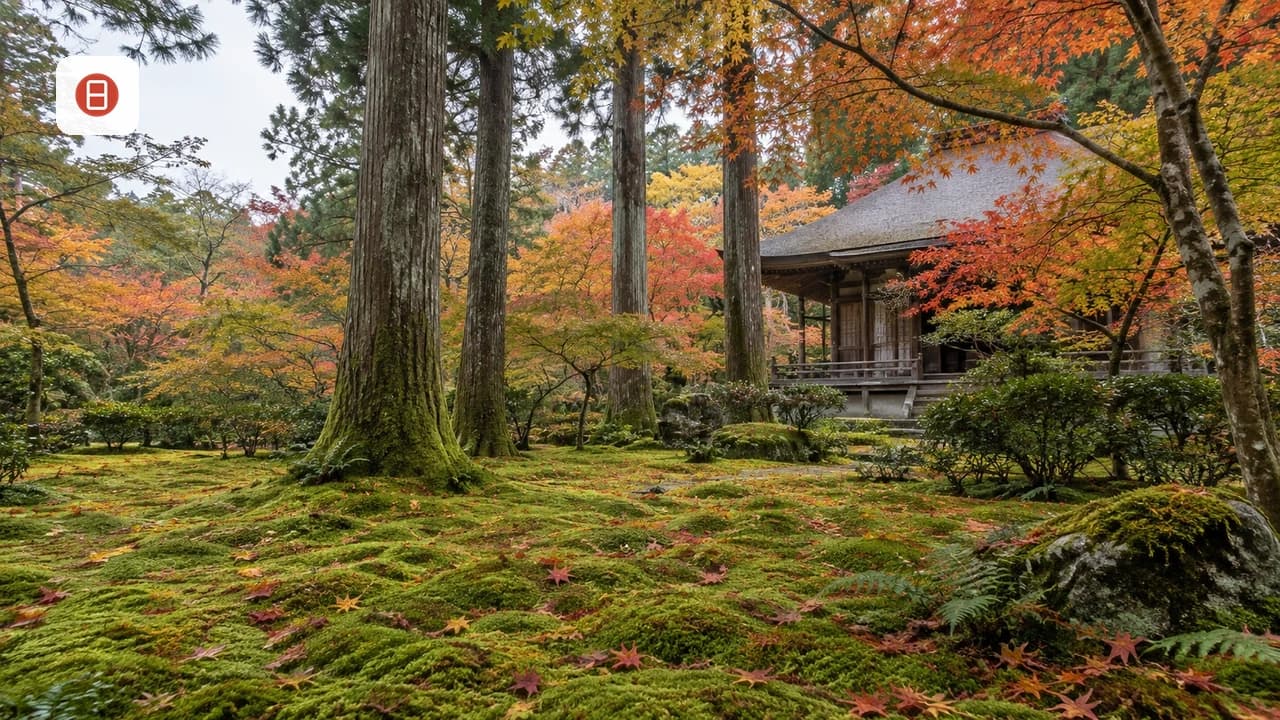
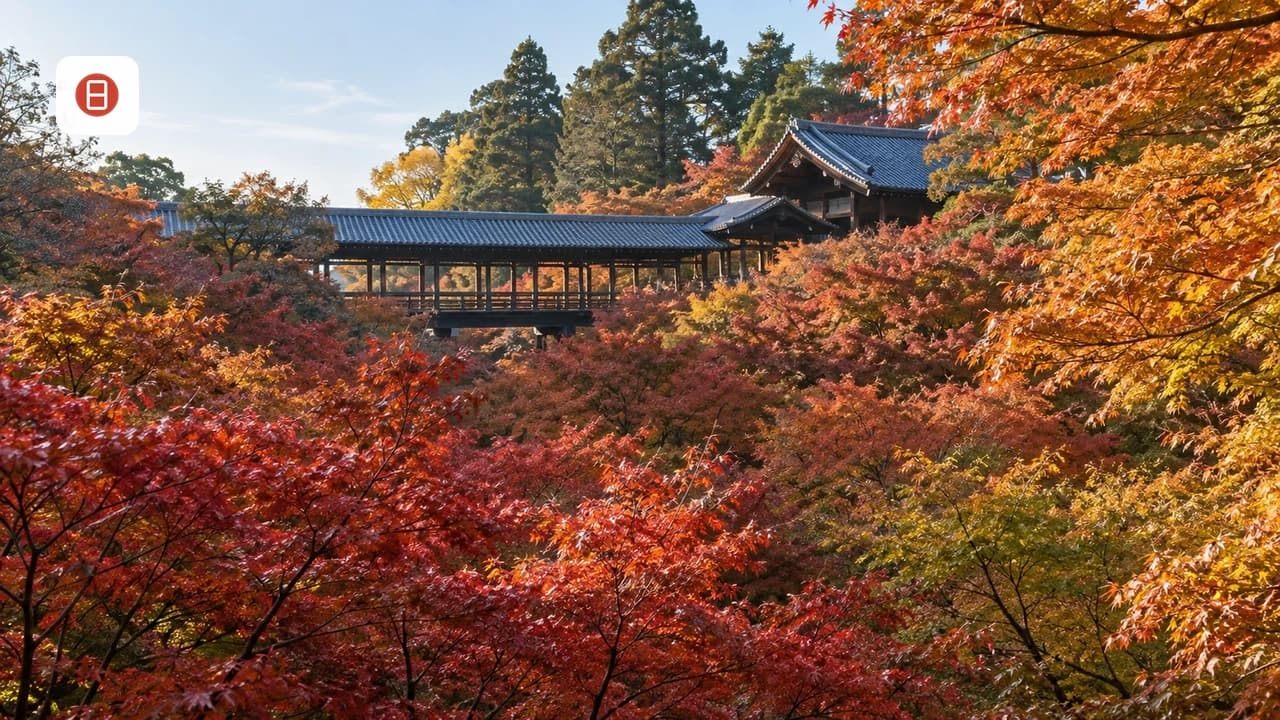
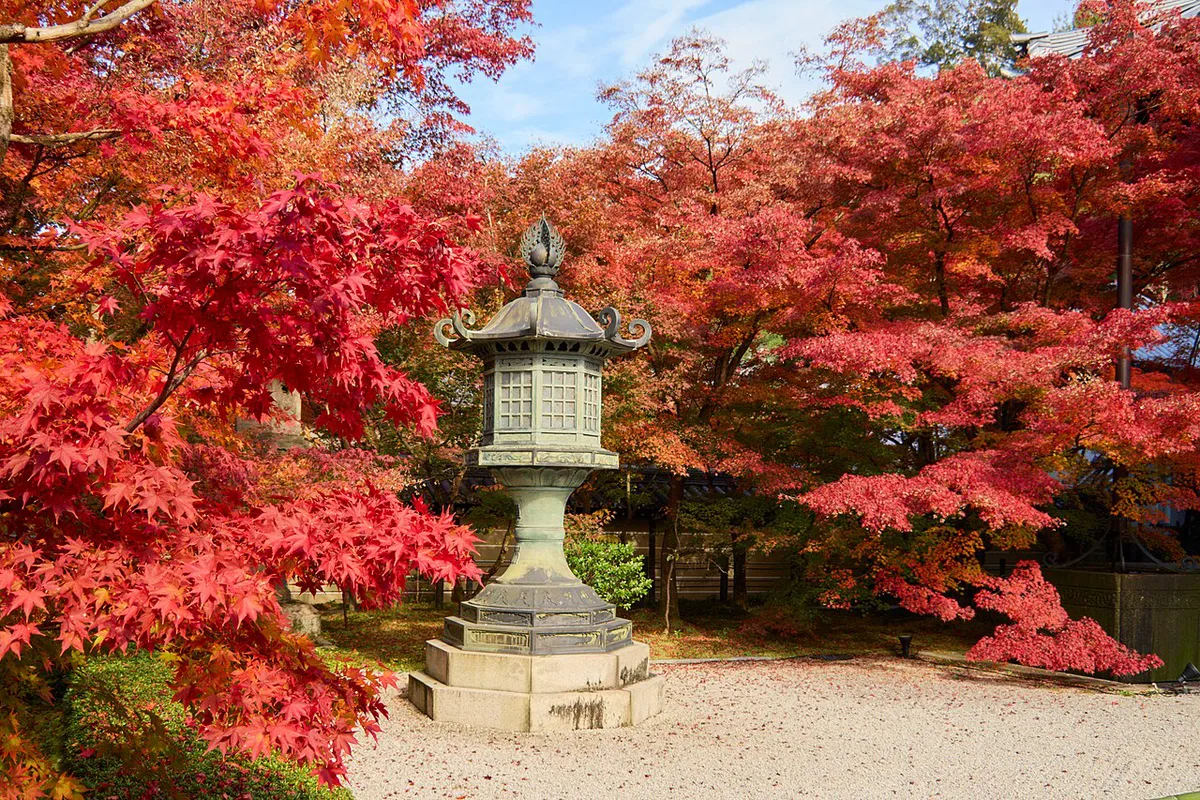
Yes, November earns its place as Kyoto's peak month for maple color, even with the crowds that come with it. This piece sits inside the citywide autumn foliage guide as the peak-season deep dive. It picks up where Kyoto in October: Weather, Festivals, and Early Autumn Color (2026 Guide) leaves off. Mid-to-late November is when most of the city's koyo actually happens, from Arashiyama to the northern hills. Ginkgo trees typically turn first, often by early November, while the maples that define the season hold their peak color into early December in a mild year. Kyoto's color also arrives later than many other regions; the national tourism office notes autumn here doesn't fully begin until mid-November. Early November trades some color intensity for thinner crowds and easier hotel rates, while late November brings the fullest color alongside the year's heaviest tourist traffic. If November's crowds sound like too much, Kyoto in Winter: 8 Best Things to Do & Travel Guide trades foliage for illuminated gardens and thinner crowds instead.
- Early November (1st–10th): ginkgo gold arrives, maple color is still patchy, and crowds and hotel rates run comparatively lower.
- Mid-November (11th–20th): maples begin turning in earnest across most viewing spots.
- Late November (21st–30th): peak vermillion color citywide, the year's heaviest crowds, and most temple illumination finales.
Weather and What to Pack for Kyoto in November
Daytime highs in November typically run 8°C–17°C (46°F–63°F), and the month grows steadily colder as it moves toward December. Mornings and evenings drop well below the daytime high, and that gap widens further once you're standing outside a temple gate waiting for a night illumination to open. Daylight lasts around 10 to 11 hours in November, so an early start helps you fit in both a sunrise viewpoint and an evening light-up. Layering works better than one heavy coat. A T-shirt or light long-sleeve top under a jacket handles most days, with something heavier for early mornings and illumination queues after dark. Most temples require removing your shoes indoors, and November floors are cold. Pack thick socks and shoes you can slip off quickly at the entrance. For month-by-month averages beyond November, see Kyoto's weather by month.
The Big Three Autumn Temples (and How to Time Them)
Three temples anchor most November itineraries, and each rewards different timing. Kiyomizu-dera's hillside halls, built without nails and set on 43-foot wooden pillars, frame Higashiyama at its most colorful, and sunset draws the thickest crowds. Eikando Zenrinji spreads maples across ponds, a pagoda walk, and hillside paths; its garden alone can take a couple of hours to see properly. Tenryu-ji, in Arashiyama, pairs a Zen garden against the Arashiyama hillside with the neighboring Arashiyama bamboo grove. Crowds at the bamboo grove build fast. Many mornings the path is nearly empty around 7:00am and crowded by 7:45am, so a 45-minute head start changes the whole experience. The same early-start logic applies across the district. Arrive at your first stop at opening time rather than mid-morning. Arashiyama has two more ways to see color from the water or the rails. The Hozugawa River boat runs a two-hour ride from Kameoka into Arashiyama on traditional flat-bottomed boats steered with bamboo poles. Sagano Romantic Train covers similar ground by rail, running from Saga Arashiyama Station through the Hozugawa gorge to Torokko Saga Station for a return fare of ¥880. For temples beyond this list, Kyoto's attractions guide covers the citywide roster year-round.
Arriving at 7:00am at the Arashiyama bamboo grove beats the crowds that fill by 7:45am; this early-start principle applies across all peak-foliage sites.
| Temple | Daytime Hours | Entry Fee | Peak Color Window |
|---|---|---|---|
| Kiyomizu-dera | 6:00am–6:00pm | ¥400–¥500 | Late November–early December |
| Eikando Zenrinji | 9:00am–4:00pm (day) | ¥1,000 (day session) | Mid-November–early December |
| Tenryu-ji | 8:30am–5:00pm | ¥500 garden (+¥300 buildings) | Late November–early December |
Night Illuminations: Kodai-ji, Kiyomizu-dera, and the Eikando Double Ticket
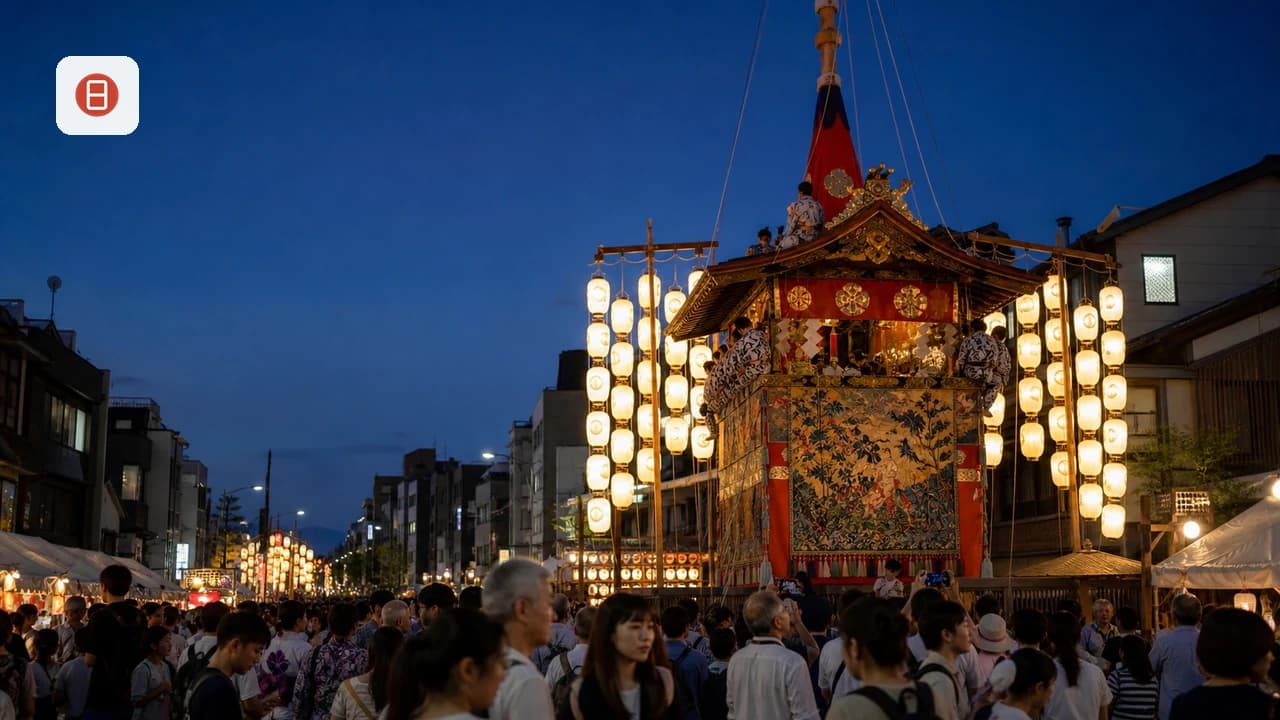
Three temples run the marquee light-ups in November, each with its own logistics. Kodai-ji's evening event blends a projection show with an illuminated bamboo grove. It runs from about 5:00pm to 10:00pm across an eight-week season, starting in late October and extending into December. Entry costs ¥600. Kiyomizu-dera adds a blue searchlight visible across Higashiyama during its own illumination window. In recent seasons this has run from late November into early December, with entry around ¥500. Confirm exact 2026 dates on the temple's site closer to your trip. Eikando Zenrinji runs the most complex system of the three. Daytime viewing runs 9:00am–4:00pm for ¥1,000, and night viewing runs 5:30pm–8:30pm for ¥700. Each session needs its own ticket, and the gates close between the two, so a daytime ticket does not carry into the evening. Queues at the most popular illuminations can run 30 minutes to an hour. Plan dinner either before 5:00pm or after 9:00pm to skip the same crowds gathering at restaurants near the temple gates. For a full rundown of which temples light up when, see the guide to Kyoto's night illuminations.
| Temple | Night Hours | Night Entry | Illumination Window |
|---|---|---|---|
| Kodai-ji | 5:00pm–10:00pm | ¥600 | Late October–early December |
| Eikando Zenrinji | 5:30pm–8:30pm | ¥700 | Mid-November–mid-December |
| Kiyomizu-dera | Evening hours vary by year | ~¥500 | Late November–early December |
November Festivals and Cultural Events
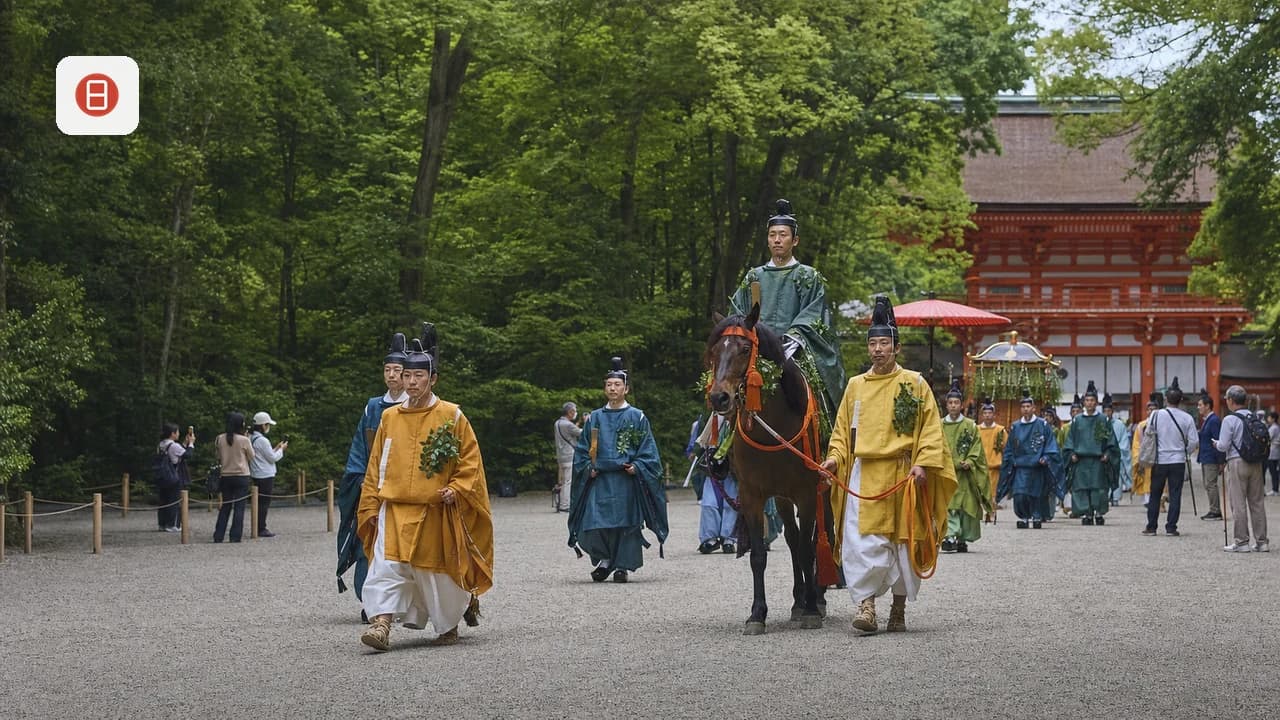
Kyoto's November event calendar runs from geisha performances to fire rituals, and several fall inside a tight window worth planning around. Gion Odori brings Gion Higashi's geiko and maiko to the public stage from November 1–10, 2026. Performances are typically held around 1:30pm and 4:00pm. Regular tickets cost ¥6,000, and a version with a tea ceremony runs ¥7,000. Fushimi Inari's Hitaki-sai Fire Festival follows on November 8, 2026, when roughly 100,000 prayer sticks are burned in a purification ritual. Tanukidani-san Fudo-in holds its Aki Matsuri on November 3, 2026. Visitors write wishes on wooden tablets, and monks throw them into a sacred bonfire as part of a mountain asceticism tradition called shugendo. Kitano Tenmangu hosts the Japan Umeshu Festa, a plum liqueur tasting event pulling in brewers from across the country. It typically falls in mid-to-late November, though 2026 dates were not yet confirmed as of this writing. Yoroi Kizome-shiki takes place on November 23, 2026. It's a ceremony where participants, historically boys and now open to all, put on a first set of armor. Around Kifune Shrine, the Kibune Momiji Toro lantern festival lights the Eizan Railway Line and Kibune Way with illuminated maples and red lanterns through most of November. Kyoto's Jidai Matsuri parade happens earlier, on October 22. Check the Jidai Matsuri guide if your trip spans both months. For the complete year-round calendar, the festivals and events guide covers every season.
Gion Odori's November 1–10, 2026 window overlaps with early November's thinner crowds, offering geisha performances with easier access than later in the month.
Beyond the Crowds: Ohara, Adashino Nenbutsu-ji, and the Kurama-Kibune Hike
Ohara, a northern escape from central Kyoto, typically colors slightly earlier than the city center, making it a good pivot if late-November crowds feel like too much. Sanzen-in's moss gardens and maples are the main draw. For the full route and timing, see the Ohara and Sanzen-in guide. Near the Arashiyama bamboo grove but less crowded, Adashino Nenbutsu-ji pairs its own bamboo path with thousands of stone statues gathered from old grave markers. Entry costs ¥500, and the memorial site asks for quiet. A forest trail links Kurama and Kibune, running about 45 minutes one way and connecting a mountainside temple to a riverside shrine. Kurama Station sits at the end of the Eizan Railway Line from Demachiyanagi Station. A funicular at Kuramadera costs ¥200 one way, a shortcut past the stone steps up the mountain. Expect an unpaved route with tree roots and, near Kibune, a run of stairs, so wear shoes with grip. Kurama holds its own fire festival, but that event falls in October rather than November. Check the Kurama Fire Festival 2026: Schedule, Transit & Crowd Guide if that October timing fits your trip better. Either way, the Kurama to Kibune Hike Guide: Route, Map & Logistics (Kyoto) has the full trail breakdown.
Logistics: Booking, Dining, and Getting Around in Peak Season
November is Kyoto's second busiest season after cherry blossom time in spring, and hotel availability reflects that. Book accommodations four to six months ahead for the best selection and rates, especially for the back half of the month. Kyoto covers more ground than its historic image suggests, and temples and shrines sit far apart. Walking between neighboring sites commonly takes 20 to 30 minutes, so budget transit time between stops rather than assuming everything is a short stroll apart. Trains and the subway generally handle peak-season traffic better than buses. Buses slow down considerably once tour traffic builds up around the main temple districts. Popular restaurants fill up around 8:00pm and can mean waits of an hour or more. Eating before 5:00pm or well after 9:00pm avoids the same crowds that clog temple approaches at sunset. Where you base yourself affects how much of this transit time you spend each day; the 9 Best Areas to Stay in Kyoto Travel Guide (2026) guide breaks down neighborhoods by access to Higashiyama, Arashiyama, and the northern temples. The official Kyoto travel guide is also worth checking for last-minute schedule changes at individual temples.
A Crowd-Avoidance Schedule for Peak Foliage Days
On peak-color weekends, plan Kyoto by neighborhood and time of day instead of hopping between temples. Use the earliest hours for outdoor paths, then move indoors or toward less central districts as tour groups arrive.
- Start Arashiyama at 7:00am for the Bamboo Grove, then enter Tenryu-ji near opening time. Avoid arriving after 9:00am if possible.
- Visit Kiyomizu-dera at its 6:00am opening, or save Higashiyama for a late-afternoon walk after the largest daytime groups have moved on.
- Schedule Eikando or Kodai-ji as a dedicated evening plan. Do not try to combine a daytime temple circuit with a light-up without a meal break.
- Use Ohara, Kurama, or Kibune for a weekday escape. These areas still need an early departure because buses and the Eizan Railway fill quickly.
Keep each day within one corridor. For example, pair Kiyomizu-dera with Kodai-ji and Gion, rather than crossing to Arashiyama. This reduces time lost to November road traffic and leaves room for queues.
Frequently Asked Questions
Is Kyoto better than Tokyo in November?
For fall color specifically, Kyoto offers more options than Tokyo. Kyoto's temples pair color with dedicated evening illumination events, while Tokyo's best-known spot, the ginkgo avenue at Meiji Jingu Gaien, functions more as a single standout than a citywide season. If a broader mix of city life matters more than foliage density, Tokyo still works well in November. Kyoto keeps the deeper roster for maple-focused trip planning.
How many days should you plan for Kyoto in November?
Plan on four days as a practical minimum for a first visit. That's enough time for one day in Arashiyama, two to three days across Higashiyama, Gion, and the northern temples, plus room for an evening illumination or two. Travelers focused specifically on fall color sometimes extend to a week or more, adding Ohara, the Kurama-Kibune hike, and a Nara day trip without rushing.
Are Kyoto's temples free to visit in November?
No, most charge admission during peak autumn season. Typical entry fees run roughly ¥400 to ¥1,000 per temple, and several add a separate charge for evening illuminations on top of daytime entry. A few sites stay free, including Fushimi Inari's trail and the central grounds at Nanzen-ji, though sub-temples inside larger complexes often charge separately.
When does peak foliage happen in Kyoto in November?
Peak color generally lands in the back half of November, roughly the third and fourth weeks, though the exact week shifts slightly year to year. Ginkgo trees usually turn earlier, in the first half of the month, while maples hold the bulk of their color into early December in a mild year. Checking a current-year foliage forecast closer to your trip beats relying on a fixed date. See the best time to visit Kyoto for how November compares across the full year.
What should you wear in Kyoto in November?
Dress in layers you can adjust through the day. A long-sleeve top or light jacket usually covers daytime temperatures, with something heavier for mornings, evenings, and illumination queues after dark. Many temples require removing your shoes indoors, so pack thick socks and easy-off shoes. Floors get cold once the weather turns, especially in the early morning and evening.
Free: The Kyoto Essentials guide
Top things to do, where to stay, a perfect day plan, getting around, and the best time to go — a Kyoto mini-guide you can take offline.
You might also like


Continue reading
More guides you'll find useful