Kyoto in December 2026: Weather, Illuminations, Markets, and Year-End Closures
Plan Kyoto in December 2026: weather, lingering autumn color, winter illuminations, Shimai markets, and exactly what closes December 29 through January 3.
On this page
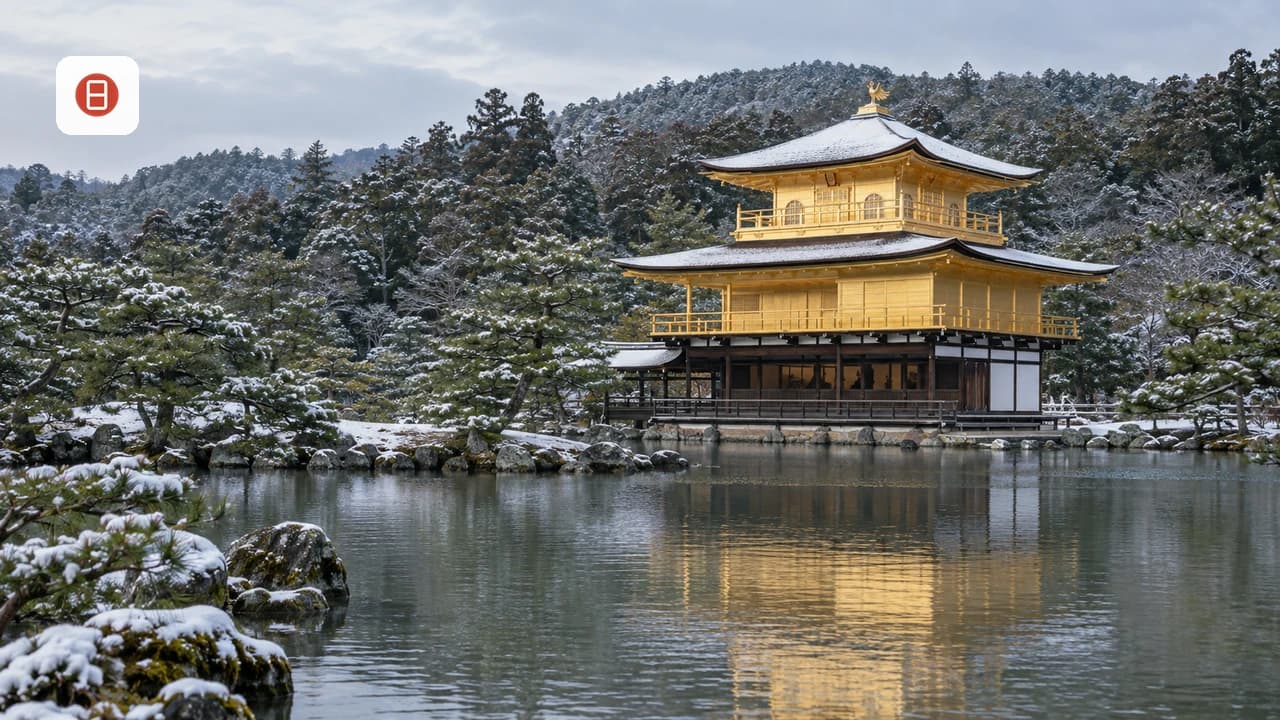
Last updated September 2026, Kyoto in December splits into two distinct halves. Early on, the last maples hold color at sheltered spots like Tofuku-ji and Eikando before the citywide display fades. Average highs run 10-12°C (50-54°F) and lows drop to 2-3°C (35-37°F), so pack layers and expect temples to stay open even when shops close for the new year.
Is Kyoto in December Worth It?
December rewards travelers who value quiet over blossoms. Crowds thin noticeably after the first week, and hotel rates often dip in the gap between koyo season and Christmas week demand. Photographers get a real window. December 10 through 20 falls after koyo season ends and before the domestic New Year travel rush starts, so temple grounds stay close to empty. Anyone set on cherry blossoms or guaranteed warm weather should look at the summer version of this guide instead. For the complete three-month cold-season picture, see Kyoto's full winter guide.
- Best for: budget-conscious travelers, photographers chasing empty temple grounds, and anyone drawn to New Year rituals like the Joya no Kane bell-ringing on December 31.
- Skip if you want cherry blossoms or peak fall color; check the year-round timing breakdown for other months.
Kyoto Weather in December and What to Pack
Daytime highs average 10-12°C (50-54°F), and overnight lows drop to 2-3°C (35-37°F). Snow rarely settles in the city center, though flurries occur most years on higher ground. Humidity keeps the cold damp rather than dry, so the air feels colder than the thermometer suggests. Temple floors compound the effect, since wood and stone radiate cold from the ground up long after the air outside warms. Afternoons tend to run warmer than mornings, so exposed sightseeing is easier to schedule midday. For month-by-month comparisons across the rest of the year, see month-by-month temperature data.
| Month | Avg High | Avg Low |
|---|---|---|
| November | 17°C (62°F) | 8°C (46°F) |
| December | 10-12°C (50-54°F) | 2-3°C (35-37°F) |
| January | 9°C (48°F) | 1°C (34°F) |
- Heat-tech or thermal base layers under normal clothing for the air temperature.
- Thick wool socks, since many temples require shoes off at the entrance and floors run colder than the outside air.
- Slip-on shoes or boots without complicated laces, for faster on-and-off at temple gates.
- Disposable kairo hand warmers, sold at any convenience store, for outdoor markets and evening illuminations.
- A compact umbrella or packable rain shell, since December skies are often clear but not guaranteed to stay that way.
The Two Decembers: Early Color, Late Stillness
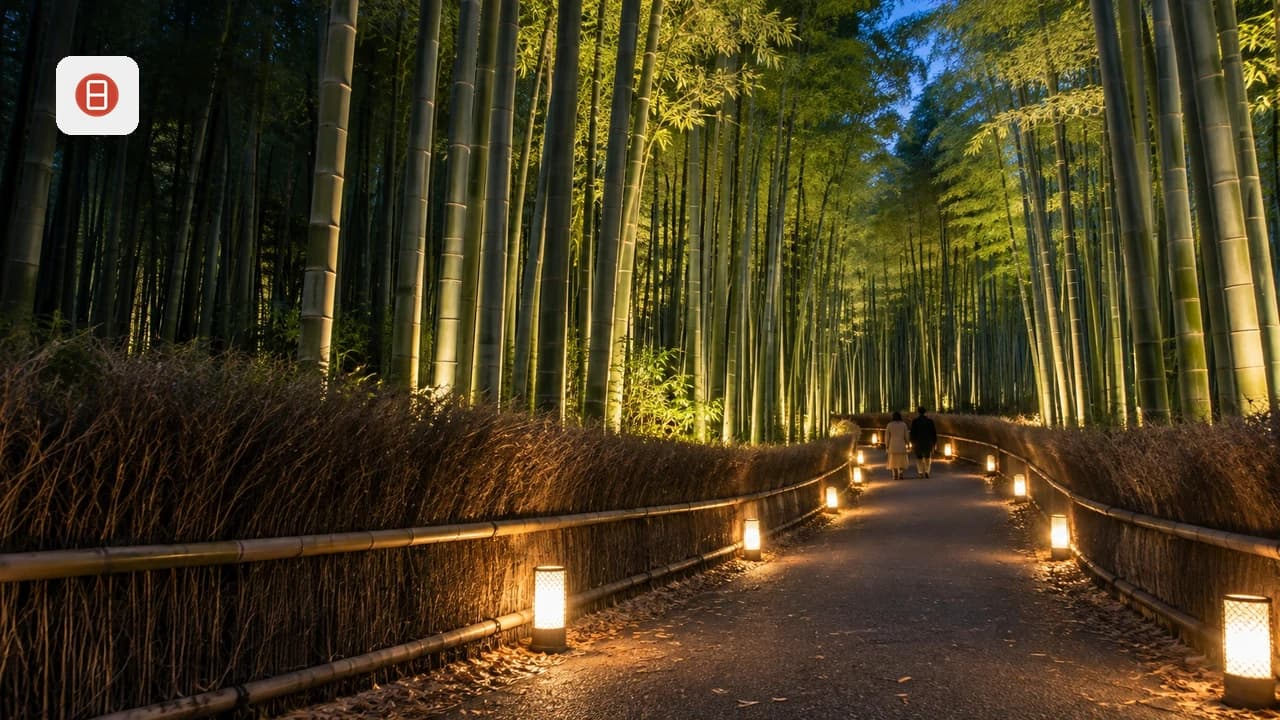
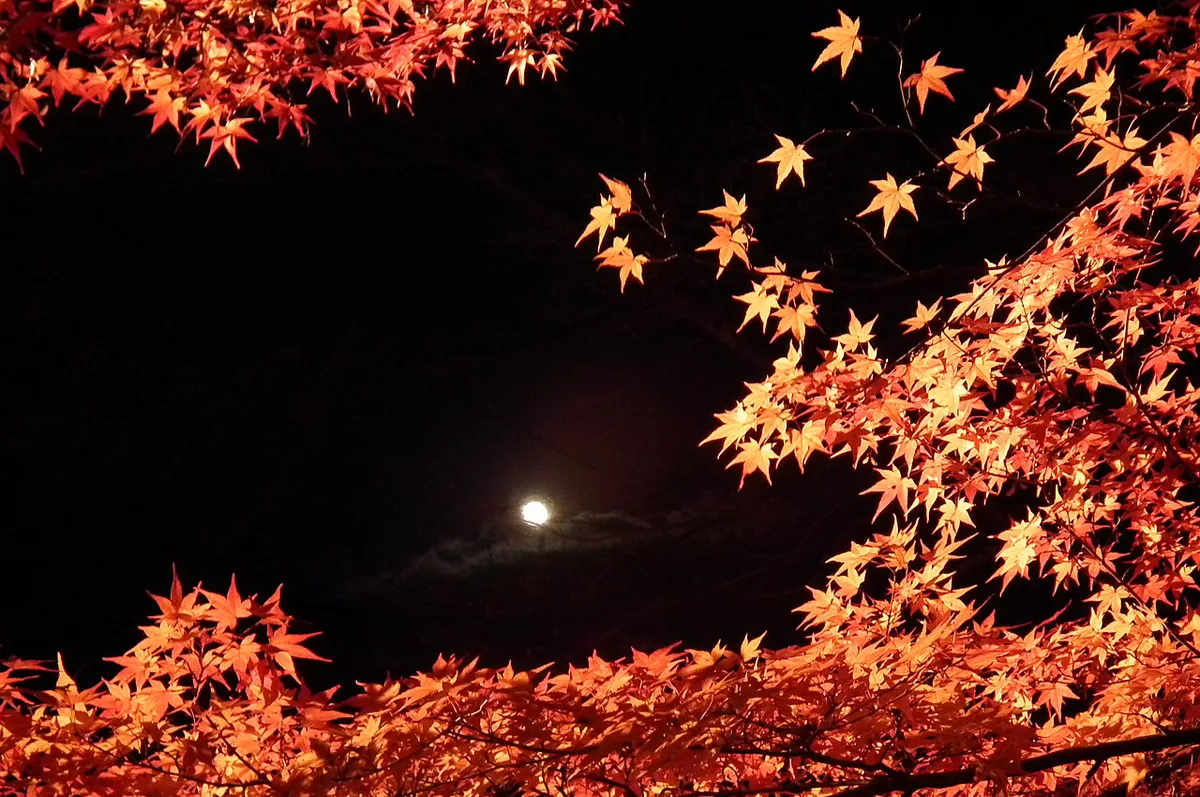
Early December still carries traces of koyo, the autumn color season. Tofuku-ji's maple valley and Eikando's grounds hold color into the first week longer than exposed spots, since their walls and valleys block wind. Kiyomizu-dera's night illumination for autumn leaves typically runs into the first week of December, with last entry around 9:00 pm. Confirm exact 2026 dates on the Kyoto City Tourism Association site before visiting. Once the leaves finish dropping, the mood changes. Arashiyama's large-scale, citywide Hanatoro lantern festival has been discontinued in recent years. Smaller neighborhood illuminations sometimes appear near the Bamboo Grove, so check current listings rather than assuming Hanatoro is running. By the third week, New Year decorations appear on shrine gates, and holiday markets take over from leaf-peeping as the main seasonal draw.
Top Things to Do in Kyoto in December
Illuminated temples anchor the first three weeks of December. Heian Shrine's winter light event, NAKED Garden of Light, has run mid-December into mid-January in recent years, pairing projected digital art with the shrine's garden. Confirm 2026 dates before booking an evening around it. Kodai-ji's grounds stay lit nightly until around 9:30 pm during its own early-December run. Illumination displays typically start at dusk, around 5 p.m. or earlier, so check exact hours before heading out. Evening trains and buses toward illumination districts get crowded, so building in extra transit time helps.
Illumination displays start around 5 p.m., but last entry often closes 30-60 minutes before posted times. Arrive early to see the full display.
| Event | Date | Location |
|---|---|---|
| Kiyomizu-dera night illumination | Through the first week of December, last entry ~9:00 pm | Kiyomizu-dera |
| Kodai-ji Autumn Illumination | Early December, nightly until ~9:30 pm | Kodai-ji Temple |
| Hari Kuyo (Needle Festival) | December 8 | Temples and shrines across Kansai |
| NAKED Garden of Light | Mid-December into mid-January (confirm 2026 dates) | Heian Shrine |
| Kobo-san (Shimai) Market | December 21 | To-ji Temple |
| Tenjin-san (Shimai) Market | December 25 | Kitano Tenmangu Shrine |
| Joya no Kane bell-ringing | December 31, midnight | Chion-in, Kurodani, and other temples |
- Kobo-san market, To-ji Temple, December 21: the year's final shimai market, with antiques, ceramics, and New Year decor, and heavier crowds than the monthly editions.
- Tenjin-san market, Kitano Tenmangu Shrine, December 25: the last Tenjin-san of the year, with a festive atmosphere close to Christmas. See Kitano Tenmangu Shrine's site for current market hours.
- Joya no Kane on December 31: temple bells mark midnight and the new year at spots like Chion-in and Kurodani.
- Many visitors continue to Yasaka-jinja or Heian Shrine afterward for the year's first shrine visit of the new year.
Where to Stay in Kyoto in December
Central districts like Gion, Higashiyama, and Kawaramachi stay the most convenient base for December, especially for evening illuminations and short walks back after dark. Arashiyama and western Kyoto suit travelers prioritizing the Bamboo Grove and early access before day-trippers arrive. Uji, Ohara, and other outskirts offer quieter stays, with a better chance of waking up to frost or light snow in the hills. December ranks as a high-demand month around Christmas and New Year, so lock in a room well before travel dates are fixed.
Escaping the Cold: Onsen Soaks and Museum Stops
Kurama Onsen, in the mountain village of Kurama, offers indoor and outdoor baths with views toward Mount Kurama. Unlike many traditional onsens, it welcomes guests with tattoos. A free shuttle runs from Kurama Station to the bath house. The Kurama-Kibune hike, a 4-5 kilometer trail linking Kurama-dera Temple and Kifune Shrine through cedar forest, starts nearby. For an indoor alternative on a cold afternoon, Kyoto's museum options include the Kyoto Railway Museum, Kyoto International Manga Museum, and Kyoto National Museum.
Warmth vs Walking: Staying Comfortable in Temple Season
Kyoto's cold works from the ground up. Locals call this bottom-up chill chika-bie, and it explains why a mild afternoon can still feel cold inside a temple. Heat-tech layers handle the air temperature, but temple floors need a separate strategy. Thick wool socks are worth packing specifically for temple visits, since thin socks against cold wood or tatami turn uncomfortable within minutes. Kairo hand warmers, sold at any convenience store, tuck into pockets or slip inside socks for extra relief at outdoor markets like Kobo-san or Tenjin-san. Removing a layer indoors, at a museum or restaurant, prevents overheating once heat-tech meets indoor heating.
December highs run 10-12°C, but temple floors radiate much colder. Pack thick wool socks, since thin socks on cold wood or stone turn uncomfortable within minutes.
Seasonal Food: Nabe, Oden, and Winter Flavors
Kyoto's winter menu centers on nabe, a hot pot shared at the table with vegetables, mushrooms, and tofu. Arashiyama specializes in yudofu, a simmered-tofu version of the dish served with dipping sauces. Oden simmers at izakayas and street stalls throughout the season. Pontocho and Kiyamachi, two lantern-lit alley districts, are known for cozy winter izakayas serving both dishes. Some restaurants add limited-time winter tasting menus built around these ingredients. For a Christmas Day-specific angle on where to eat, see the Christmas Day guide.
- Yuzu citrus flavors turn up in the season's sake and desserts.
- Crab appears on set menus as a winter specialty.
- Winter mikan oranges make a casual snack between temple stops.
Navigating the Year-End Closures, December 29 to January 3
The stretch from December 29 to January 3 is nenmatsu nenshi, Japan's year-end and New Year holiday period. Guides that call this whole window closed mislead: coverage varies sharply by category. Major shrines and temples, including Fushimi Inari Taisha, stay open and often see their busiest days of the year as residents complete hatsumode, the first shrine visit of the new year. Popular hatsumode spots include Fushimi Inari Taisha, Heian Shrine, and Yasaka-jinja, all busiest in the first three days of January. Public transit keeps its regular schedule throughout the holiday. Reservations for dinner on December 31 through January 2 fill weeks ahead, so lock in a table as soon as travel dates are fixed. Extending into the new year? See the January follow-up guide for hatsumode crowds and what opens back up.
| What | Status Dec 29 - Jan 3 |
|---|---|
| Major temples and shrines (Fushimi Inari Taisha, Kiyomizu-dera) | Open, often the busiest days of the year |
| Public transit | Running on normal schedule |
| National museums | Closed |
| Nijo Castle | Usually closed |
| Independent restaurants and small shops | Often closed; call ahead |
A Simple One-Day Route for December
Two simple day plans cover the month's main draws, one built around indoor warmth and one around temples and markets. For more temple and museum options beyond these two routes, see the citywide attractions guide.
- Warmth-focused day: late morning at the Kyoto National Museum or Kyoto International Manga Museum, a nabe lunch nearby, then an evening onsen soak to spend more of the cold hours indoors.
- Spiritual-focused day: Fushimi Inari Taisha in the early morning before tour groups arrive, Kiyomizu-dera by early afternoon, and Kobo-san on December 21 or Tenjin-san on December 25 if the dates line up.
Mistakes to Avoid in Kyoto in December
A few recurring mistakes shape most bad December days in Kyoto. Most are easy to avoid with a little planning ahead of arrival.
- Skipping thick socks: temple floors run colder than the outdoor air, and a bare-sock stop on tatami turns uncomfortable within minutes.
- Arriving December 30 without a dinner reservation, since independent restaurants close early for New Year prep and the ones that stay open fill fast.
- Cutting it close on illumination hours: last entry often falls 30-60 minutes before the posted closing time, not at it.
- Assuming Arashiyama's lantern festival is running as a citywide event; it has been discontinued in recent years, so confirm any illumination plans before building an evening around it.
Frequently Asked Questions
Is Kyoto cold in December?
Yes. Average highs run 10-12°C (50-54°F) and lows drop to 2-3°C (35-37°F). Damp air makes the temperature feel colder than the numbers suggest, and snow is rare in the city center but does happen some years.
What closes in Kyoto during the year-end holiday?
National museums and Nijo Castle usually close from around December 29 through January 3. Many independent restaurants and small shops close too. Major temples and shrines stay open, and they're typically busiest during this exact window, when residents complete hatsumode.
Is the Arashiyama Hanatoro lantern festival still happening?
The large-scale, citywide version of Hanatoro has been discontinued in recent years. Smaller neighborhood illuminations sometimes appear near the Bamboo Grove, so confirm current listings before planning an evening around it.
When is the quietest week to visit Kyoto in December?
December 10 through 20 is the sweet spot for fewer crowds. The koyo autumn-color rush has ended, and the domestic New Year travel surge has not started yet. Temple grounds stay close to empty for photographers and casual visitors alike.
What should you pack for Kyoto in December?
Pack heat-tech base layers and a warm coat for the air temperature. Add thick socks for temple floors and slip-on shoes to speed up the shoes-off routine at entrances. Kairo hand warmers, sold at convenience stores, help most at outdoor markets like Kobo-san and Tenjin-san.
Does it snow in Kyoto in December?
Snow is rare in central Kyoto during December and typically doesn't settle when it falls. Higher ground and temple hillsides see flurries more often than the city center.
Free: The Kyoto Essentials guide
Top things to do, where to stay, a perfect day plan, getting around, and the best time to go — a Kyoto mini-guide you can take offline.
You might also like
Continue reading
More guides you'll find useful