Kyoto Kurama Onsen Guide: Day Trip, Prices & How to Go
Planning a Kurama Onsen day trip from Kyoto? Getting there, day-spa costs, rules, and how to pair it with Kurama-dera or the Kibune hike.
On this page
Last updated October 2026: this guide to kyoto kurama onsen covers a sulfur-spring day spa on the Kurama mountain edge in Sakyo-ku, reached by the Eizan line from central Kyoto. Plan a half day or more. Hours and prices below come from the spa's own listings and one third-party guide, so confirm them before you go.
Is Kyoto Kurama Onsen Worth It? Quick Answer
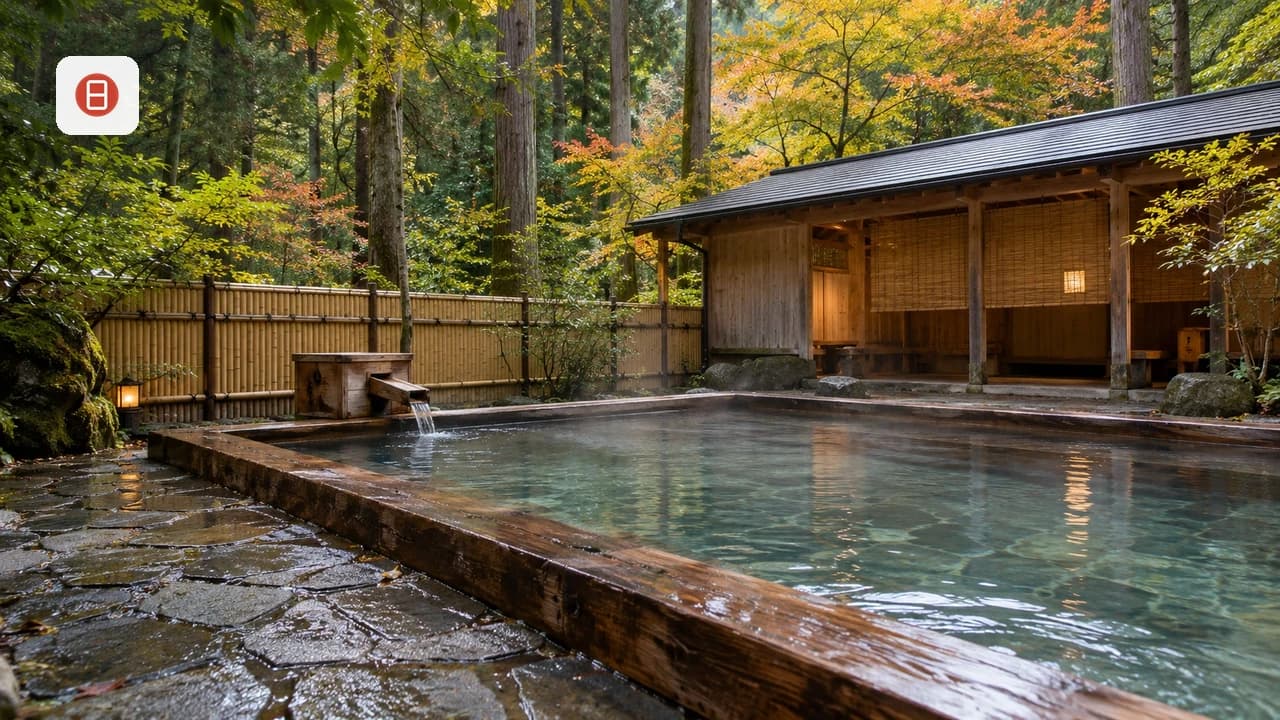
Yes, if you have at least 4 hours and want a quiet soak after a temple visit or a hike. Kurama Onsen sits at the foot of Kurama mountain in Sakyo-ku. Its official site describes a sulfur spring that is rich in iron. An open-air bath on higher ground, away from the main building, looks over the surrounding hills. Day use runs from 10:00 to 21:00, and you do not need a reservation. Skip it if your schedule is tight or you want privacy. Use this checklist to decide.
- Go if you plan to climb to Kurama-dera or walk the trail from Kifune Shrine first.
- Go if you want an outdoor bath with mountain views rather than a city bathhouse.
- Go if foliage or snow is in season and you can leave daylight for the outdoor bath.
- Skip it if you have under 4 hours in total.
- Skip it if you want a private bath, since day visitors do not get one.
- Skip it if you expect a traditional old-town onsen village with many baths to wander between.
How to Get to Kurama Onsen from Kyoto
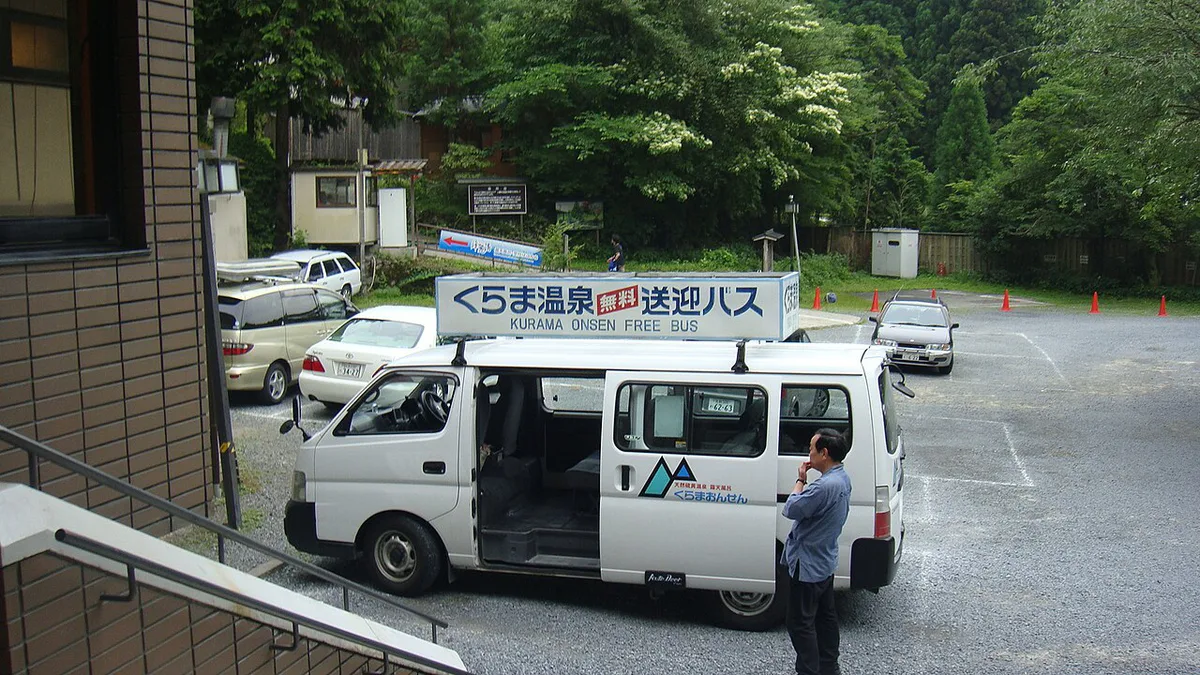
Take the Eizan Electric Railway (Eiden) from central Kyoto to Kurama Station. One third-party guide puts the ride at about 30 minutes. Confirm the current timetable and fare on the day, because this guide could not verify either. From the station, that same guide lists two options. A free shuttle bus takes about 3 minutes. Walking takes about 10 minutes. Shuttle schedules change, so check whether it is running before you rely on it. Ask the spa on the phone or check its site. Before you soak, look up the last train back to the city. Missing it turns a relaxing day into an expensive taxi problem. If you are still choosing a base, our guide to the 9 Best Areas to Stay in Kyoto Travel Guide (2026) compares neighborhoods by access to the Eizan line.
Day Spa Costs and Opening Hours
Day use is open 10:00 to 21:00 according to the spa's own site, and all prices there are listed with tax included. The official Kyoto onsen listing covers the spa in English. Day visitors can use the indoor bath, sauna, and open-air bath. They can also use the restaurant, cafe, and rest room. A third-party guide lists two tiers, shown below. Treat these figures as a starting point, since they may be out of date. Confirm the current rates with the spa before you travel. A cold-plunge bath sits beside the indoor bath, and sauna fans like it. Adults choosing the full tier pay about ¥1,100 more than the outdoor-only tier on both weekdays and weekends. Add your round-trip Eizan fare and any meal on top of the entry price. Kurama-dera charges its own fees, so check its official site too.
- Outdoor bath only, adults: ¥1,400 weekdays, ¥1,600 weekends.
- Outdoor bath only, children aged 4 to 12: ¥700.
- Outdoor plus indoor bath, adults: ¥2,500 weekdays, ¥2,700 weekends. This tier lists a face towel, bath towel, and yukata.
- Outdoor plus indoor bath, children aged 4 to 12: ¥1,300.
- Lunch last order is 14:30 and dinner last order is 20:00, per the official site.
Kurama Onsen Itineraries: Temple, Hike, or Soak Only
Soak last in every version. You arrive sweaty and dusty after a climb, the bath feels better, and you stay clear of the last-train deadline. Daylight also matters for the outdoor bath, especially in autumn and winter when the sun sets early. Pick the row that fits your energy and time.
| Option | Effort | Rough time | Cost drivers | Best season | Suits |
|---|---|---|---|---|---|
| Kurama-dera, then onsen | Moderate climb | Half day or more | Eizan fare, temple fees, spa tier | Autumn, winter | Most first-timers |
| Kibune to Kurama hike, then onsen | Higher; mountain trail | Most of a day | Eizan fare, spa tier, a meal | Spring to autumn if the trail is dry | Hikers |
| Onsen only | Low | Under half a day | Eizan fare, spa tier | Any season | Short on time or energy |
Onsen Rules and Etiquette for First-Timers
The spa's official Q&A is clear on the basics. Bathing is separated by gender, so it is not mixed. Swimsuits and clothes are not allowed in the water. Keep towels out of the tub as well. Wash before you get in, as at any Japanese bath. Tattoos are accepted, though the spa excludes people affiliated with organized crime. No private open-air bath is offered to day visitors. Overnight guests get a time slot after day-use hours end. Because closures and private bookings sometimes block general entry, call before you leave. Some purists argue that the water is not a true onsen because it may be warmed before it reaches the tubs. The official site only says the spring is sulfur-based and rich in iron. It makes no claims here about health benefits.
- Wash first, then enter the bath.
- No swimwear and no clothing in the bath.
- No towels in the water.
- Men and women bathe separately.
- Tattoos are accepted, with an exclusion for organized-crime affiliation.
- Call ahead on the day, because closures and private bookings happen.
Day Trip or Overnight Stay?
Stay a night if you want to do the hike on a second morning or avoid a rushed train. The spa has five guest rooms, named Matsu, Kaede, Hinoki, Ichou, and Sugi. Check-in starts at 16:00 and check-out is by 10:00. Guests can also use the open-air bath after day-use hours. Dinner is served from 17:30, with last order at 20:00. A day visit costs far less, but you must watch the clock. Rooms are few, so book early if you want a weekend or a foliage date. For a general overview of where to sleep in the city, read our guide to the best area to stay, then decide whether the mountain edge appeals more.
Overnight guests who check in at 16:00 get the open-air bath after day-use hours end at 21:00.
Best Season and Weather
Autumn color and spring greenery are the headline draws, according to the official site. Snow turns the outdoor bath into a favorite winter stop, though trails can become slippery. In summer, expect the Kurama climb to be hot, which makes the cold-plunge bath more appealing. Rain does not close the outdoor bath, but it can make the mountain trail unpleasant. The Kurama Fire Festival affects crowds and accommodation, and the spa advertises a special lodging plan for it. Check the official site for the current year's date before you plan around it.
Common Mistakes to Avoid
A few errors cause most of the disappointment on this trip. Avoid these.
If the free shuttle is not running, the walk from Kurama Station takes about 10 minutes, versus about 3 minutes by bus.
- Soaking before the hike or temple visit, then climbing sweaty again.
- Missing the last train back because you lingered after dinner.
- Skipping the closure check, then arriving on a private-booking day.
- Expecting a private bath as a day visitor.
- Assuming the free shuttle runs without confirming it.
Alternatives in Kyoto
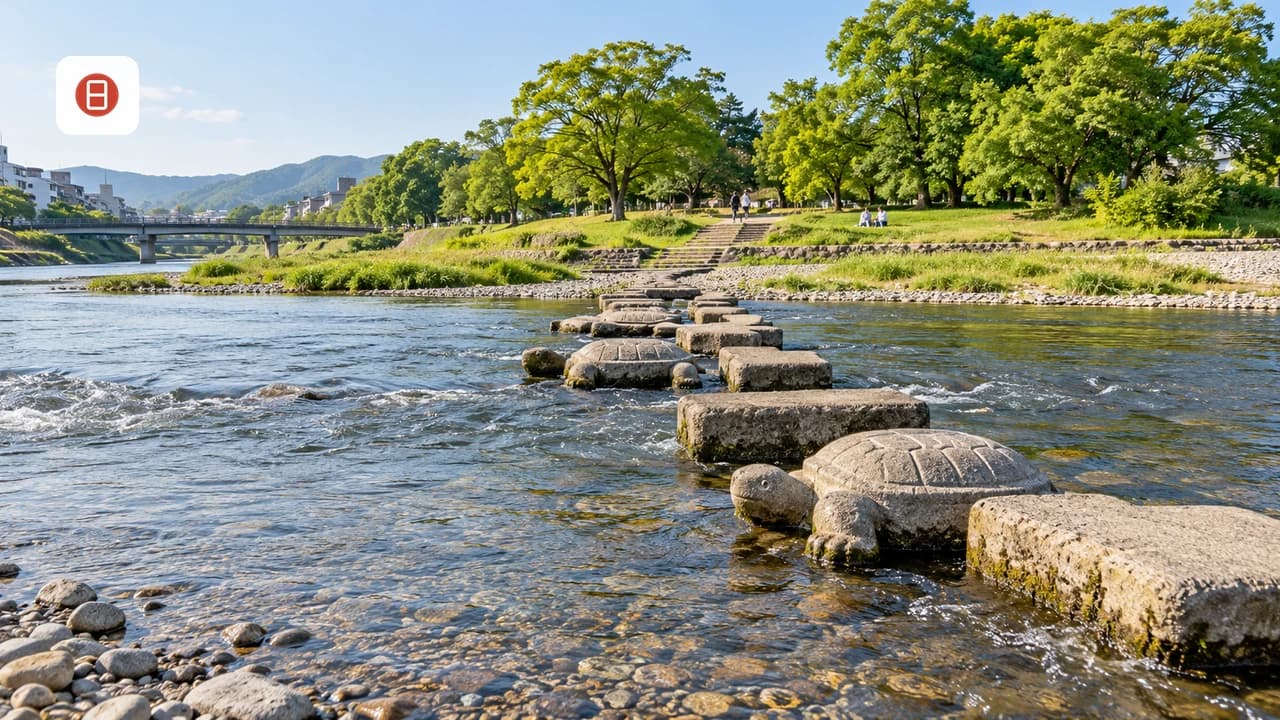
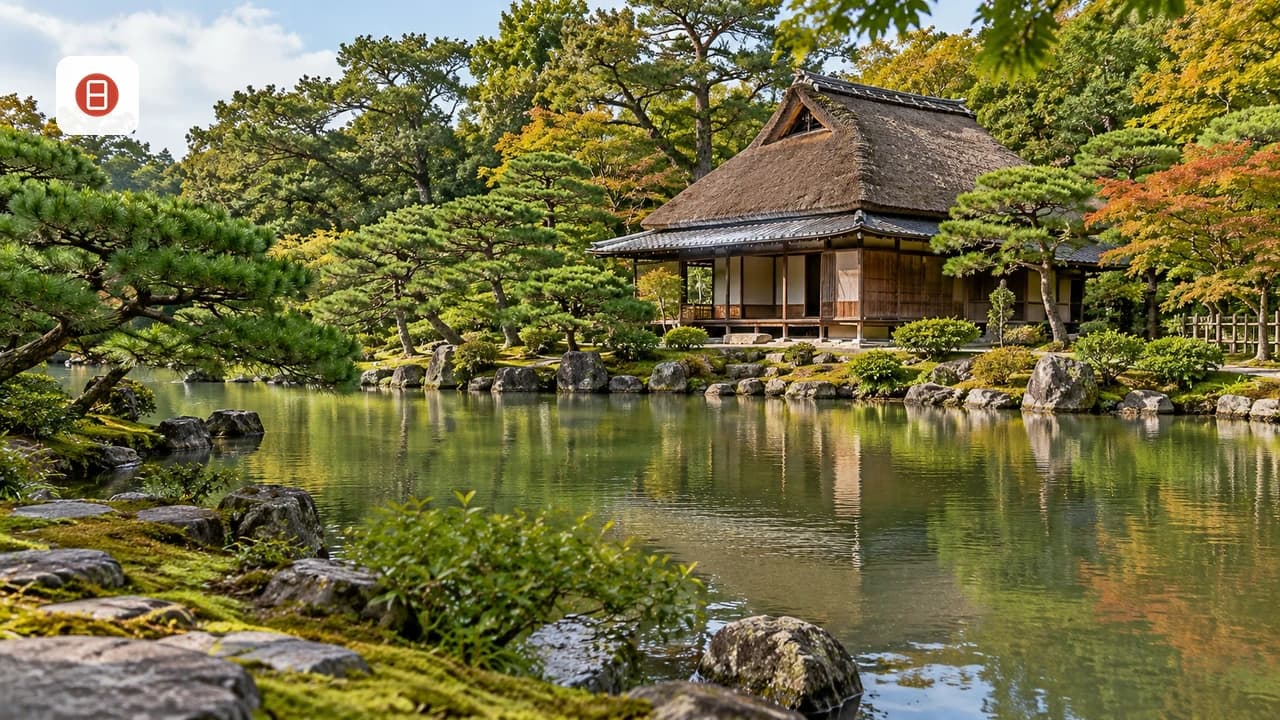
If Kurama does not fit your schedule or weather, our 10 Best Kyoto Onsen and Public Bath Experiences (2026) covers other soaking options. For a city-center half day instead, walk the grounds in our Kyoto Imperial Palace Guide: Visiting the Former Royal Residence. An evening by the water works too, using our Kamo River walking guide. For the wider trip, see 20 Best Kyoto Attractions in 2026. Nationwide planning lives in our Japan Travel Guide: Plan Your Trip with Expert Tips & Itineraries.
Frequently Asked Questions
How do you get from Kyoto to Kurama Onsen?
Take the Eizan Electric Railway to Kurama Station. A third-party guide lists about 30 minutes for the ride. From there, a free shuttle of about 3 minutes or a walk of about 10 minutes reaches the spa. Confirm the timetable and shuttle status before you go.
Does Kurama Onsen allow tattoos?
Yes. The spa's official Q&A says guests with tattoos can bathe. People affiliated with organized crime are excluded.
Do you need a reservation for the day spa?
No reservation is needed for day use. Some days bring closures or private bookings that block general entry. Call the spa before you travel to avoid a wasted trip.
How long should you spend at Kurama Onsen?
Plan at least 4 hours in total for the trip. A soak alone takes less, but travel eats time. Adding Kurama-dera or the Kibune hike turns it into a half day or most of a day.
Is Kurama Onsen mixed-gender or private?
Neither. Bathing is separated into men's and women's areas. Day visitors cannot book a private open-air bath. Overnight guests have a time slot after day-use hours.
Can you do Kurama-dera and the onsen in one day?
Yes. Visit the temple first, then soak, and keep the last train in mind. Day use runs 10:00 to 21:00, so you have room to start the climb in the morning.
Free: The Kyoto Essentials guide
Top things to do, where to stay, a perfect day plan, getting around, and the best time to go — a Kyoto mini-guide you can take offline.
You might also like
Continue reading
More guides you'll find useful