Kyoto Imperial Palace Guide: Visiting the Former Royal Residence
Plan your visit to the Kyoto Imperial Palace with 2026 tips on walk-in entry, hours, the Monday closure rule, key buildings, and how to explore Kyoto Gyoen.
On this page
Last updated July 2026, this guide reflects the current walk-in system at the Kyoto Imperial Palace, the former residence of the Emperor of Japan from 1331 to 1869. It is also one of the few free attractions inside Kyoto Gyoen National Garden. Many older guides still describe an advance-permission process for the Kyoto Imperial Palace that the Imperial Household Agency has since dropped. As a result, this guide focuses on what the walk-in experience actually looks like today, from the Shishinden ceremonial hall to the loose-gravel paths that surround it. Use it to decide how the palace fits alongside Kyoto's paid landmarks and to plan a route through the wider Gyoen grounds.
Is the Kyoto Imperial Palace Worth Visiting?
The fast answer: expect grand Heian-style architecture, sprawling gravel courtyards, and no access to building interiors, all viewed from behind fences and low walls. That trade-off makes the Kyoto Imperial Palace a strong fit for history buffs. It also suits anyone looking for a quieter, uncrowded counterpoint to a busy stop like Kinkaku-ji, rather than travelers who want an up-close, hands-on museum experience. Before you plan around it, it helps to separate three names that get used interchangeably: Kyoto Gosho is the palace itself, Kyoto Gyoen is the much larger park that contains it. Sento Gosho is a separate, still-restricted secondary palace on the same grounds.
| Kyoto Gosho (the palace) | The former imperial residence buildings and grounds | Free, walk-in entry, no reservation required |
| Kyoto Gyoen | The 1,300m by 700m national garden enclosure surrounding the palace | Free, open year-round with no gate or ticket |
| Sento Gosho (secondary palace) | The retired emperor's separate residence within the same enclosure | Requires advance reservation or permit through the Imperial Household Agency |
Kyoto Imperial Palace Hours, Cost, and Entry Rules
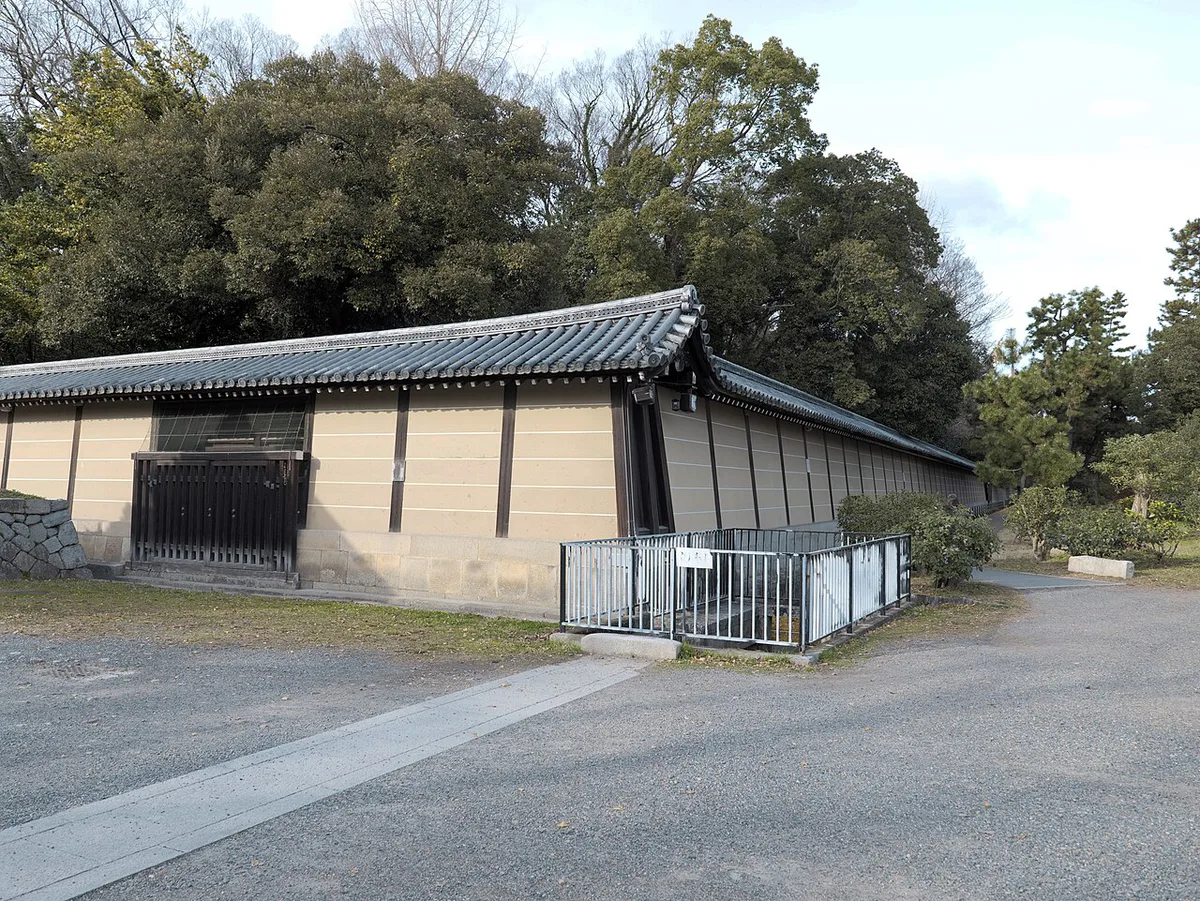
The single most important update for 2026 planning: the Kyoto Imperial Palace no longer requires the advance-permission paperwork that the old system demanded. General entry to the palace grounds is now walk-in, and admission is free, which sets it apart from paid sites elsewhere in the city like Nijo Castle. Opening hours shift seasonally, and the palace observes what's commonly called the Monday Rule, plus a fixed year-end closure.
While the main Kyoto Imperial Palace is free walk-in access, Sento Gosho, the secondary palace within the same Kyoto Gyoen enclosure, still requires advance reservation through the Imperial Household Agency.
- Entry: free, no-reservation walk-in access to the main palace grounds
- Closed: Mondays, except that if Monday falls on a national holiday the palace stays open that day and closes the following Tuesday instead
- Also closed: December 28 through January 4 for the New Year holidays
- Guided option: a free English-language tour of the buildings is offered several times a day, run by the Imperial Household Agency
Getting to the Kyoto Imperial Palace
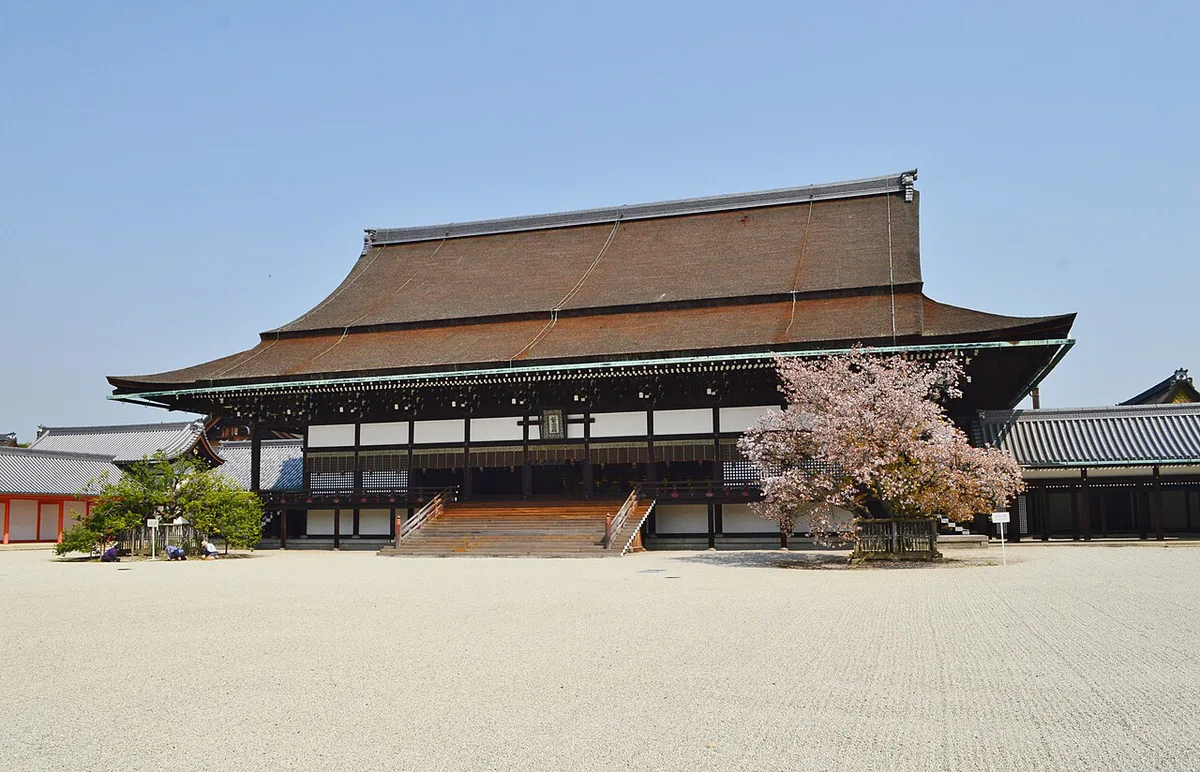
The Kyoto Imperial Palace sits inside Kyoto Gyoen in Kamigyo-ku, and the closest subway station to the main gate is Imadegawa Station. If you're approaching the grounds from the south end of the park instead, Marutamachi Station is the more convenient stop. Because the Gyoen enclosure runs 1,300 meters north to south, the side of the park you enter from meaningfully changes your walking distance to the palace buildings. As a result, match your station choice to whichever gate you plan to use first.
- Closest to the main gate: Imadegawa Station
- Closest to the south end of the park: Marutamachi Station
- Address for maps and taxis: Kyoto Imperial Palace, 3 Kyoto Gyoen National Garden, Kamigyo-ku, Kyoto
Key Structures on the Kyoto Gosho Walking Route
Once inside, the self-guided walking route moves past a sequence of named gates and halls, each viewable from designated walkways rather than entered directly. The buildings you see today mostly date to an 1855 reconstruction ordered during the Ansei era, built to echo the earlier Heian-period style of the original dairi.
- Kenrei-mon: the palace's southern gate, historically the entrance used only by the emperor
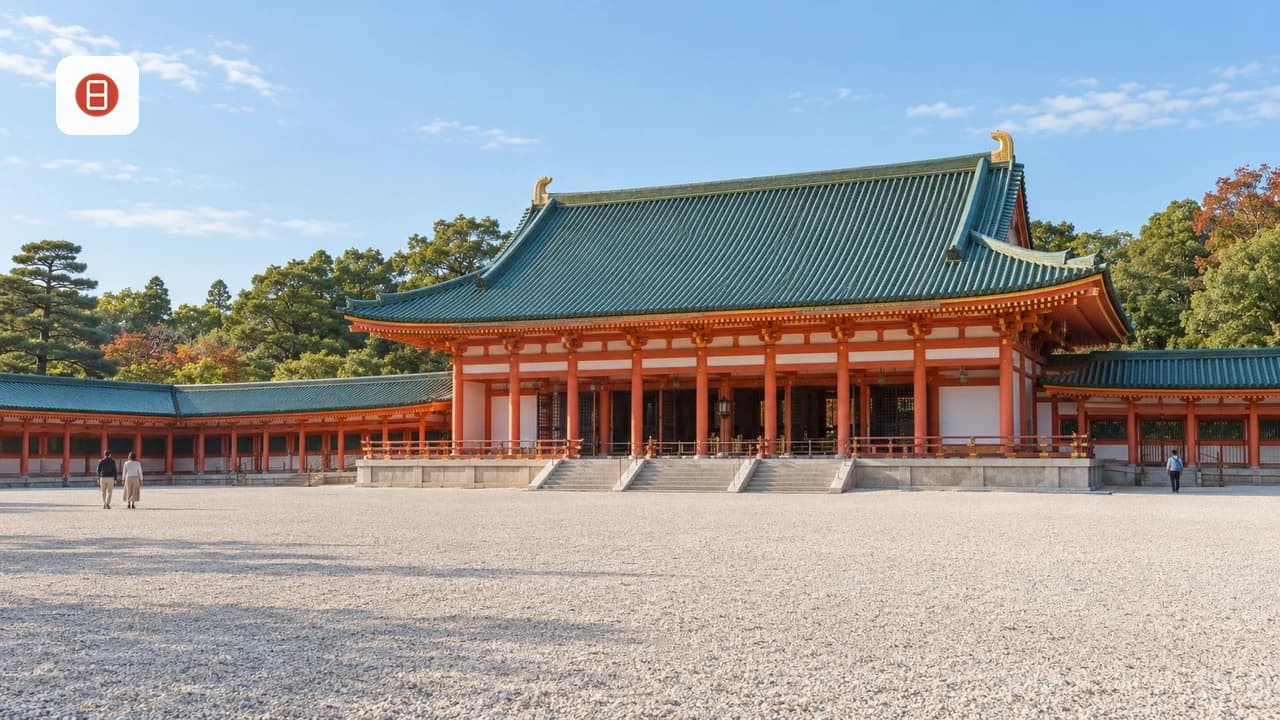
- Shishinden: the highest-ranking building on the grounds, used for state ceremonies including past imperial enthronements
- Seiryoden: the emperor's former residential hall within the complex
- Kogosho and Ogakumonjo: adjoining halls whose architecture marks the visible transition between Edo-period and Heian-period design
Exploring Kyoto Gyoen National Garden
Don't treat the palace as the whole visit: Kyoto Gyoen is a roughly 1.3-kilometer-long public park wrapped around it. Locals use the open lawns for picnics and, in season, cherry blossom viewing. Beyond the main palace complex, the park holds quieter corners worth a detour, including the former Kaninnomiya Mansion site and several small shrines tucked along its edges that most first-time visitors walk straight past.
- Open lawns suited to picnics and casual rest stops between sightseeing
- Seasonal cherry blossom viewing spots scattered through the park
- The Kaninnomiya Mansion site, a former court noble residence within the Gyoen
- Small shrines set into the corners of the park, easy to miss without seeking them out
Pairing the Kyoto Imperial Palace With Other Kyoto Attractions
Because the palace visit itself is unticketed and self-paced, it slots easily into a half-day plan alongside other Kyoto sights, depending on what kind of contrast or continuation you're after.
- For a quiet afternoon follow-up, walk on to the Philosopher's Path after the palace grounds.
- Traveling with kids who need a change of pace from gravel courtyards, the Kyoto Railway Museum offers a hands-on contrast.
- Curious what a recreated version of this era looks like on a film set, Toei Kyoto Studio Park covers that angle.
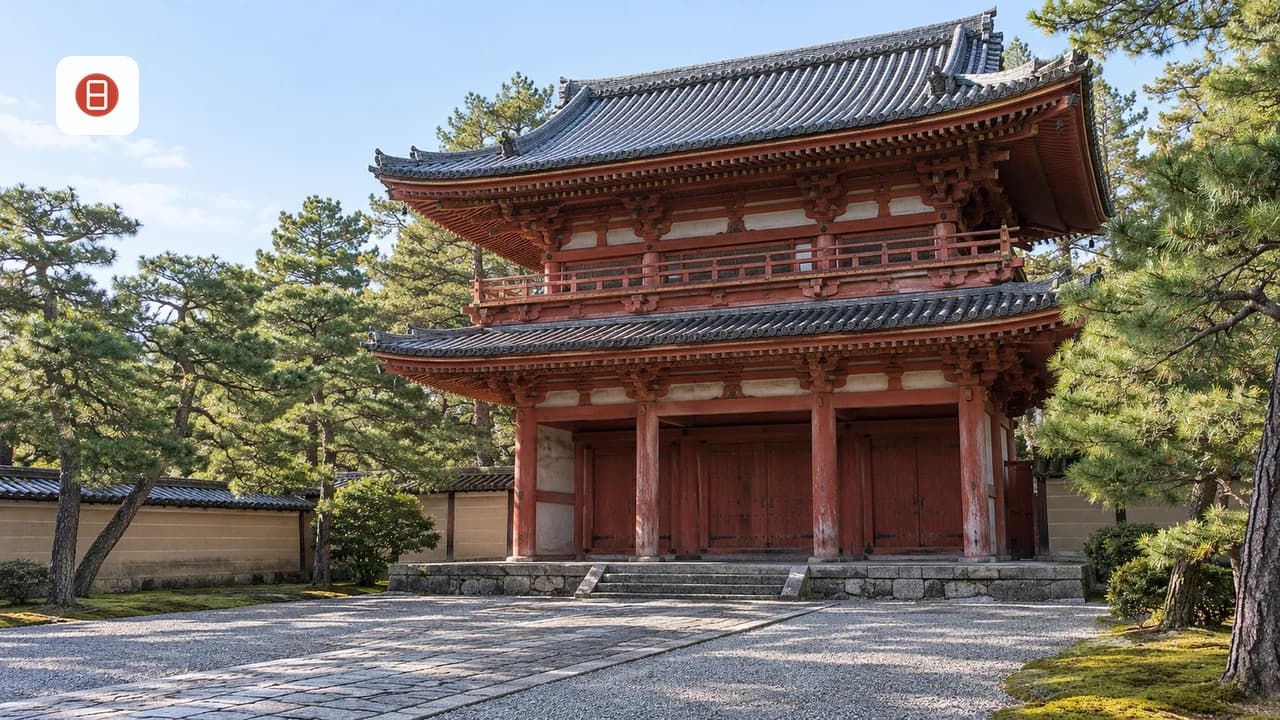
- For deeper imperial and samurai-era history beyond the palace grounds, Daigoji Temple is a logical next stop.
- If you'd rather balance the day with nature, the Kurama to Kibune hike pairs well as a separate half-day.
Common Mistakes and Local Tips
Most disappointment around this visit comes from mismatched expectations rather than anything going wrong, and it's easy to plan around once you know the specifics.
Loose gravel paths spanning the expansive 1.3-kilometer grounds slow pace considerably, so when pairing the palace with other Kyoto attractions the same day, plan extra walking time and wear supportive footwear.
- The gravel factor: the walking paths are deep, loose gravel rather than paved surfaces, which makes them slow going for strollers or small wheeled luggage, so wear supportive footwear
- The no-entry reality: visitors stay behind fences and walkways for the entire route and cannot step inside the tatami rooms of the Shishinden, Seiryoden, or other halls
- The reservation trap: the main Kyoto Imperial Palace is walk-in, but the Sento Imperial Palace on the same grounds still requires an advance permit or reservation through the Imperial Household Agency, so don't assume both are open-access
A Brief History of the Kyoto Imperial Palace
The original Heian-kyo imperial palace stood about 1.7 kilometers west of the current site, along what is now Senbon-dori. The present Kyoto Imperial Palace occupies the site of the Tsuchimikado Higashinotoin mansion. It was one of several temporary sato-dairi residences that Fujiwara clan nobles provided to emperors when the original Heian Palace fell out of use. This location became the settled seat of the Northern Court in the mid-14th century and remained the emperor's residence for roughly 500 years, until Emperor Meiji's move to Tokyo in 1869. Even after that transfer, Emperor Taisho and Emperor Showa held their enthronement ceremonies at the Kyoto Imperial Palace. The Meiji-era order to preserve the grounds is why the buildings you see today, largely rebuilt in the 1855 Ansei-era reconstruction, are still standing and open to the public.
For trip-planning details, see Kyoto Imperial Palace - Wikipedia and Kyoto - Wikivoyage.
For the wider city context, see our complete Kyoto tourism attractions guide.
Frequently Asked Questions
Do you need a reservation to visit the Kyoto Imperial Palace?
No. The main Kyoto Imperial Palace grounds now operate on a no-reservation, walk-in basis. This is a change from the older advance-permission system that many outdated guides still describe, so don't book anything in advance for the palace itself.
How much does it cost to enter the Kyoto Imperial Palace?
Entry to the Kyoto Imperial Palace grounds is free, along with the surrounding Kyoto Gyoen National Garden. This differs from some other major Kyoto sites, such as Nijo Castle, which charge an entry fee.
What days is the Kyoto Imperial Palace closed?
The palace is generally closed on Mondays. If a Monday falls on a national holiday, the palace stays open that day and closes the following Tuesday instead. It's also closed for the New Year holidays, from December 28 through January 4.
Can you go inside the buildings at the Kyoto Imperial Palace?
No, visitors view the Shishinden, Seiryoden, and other halls from designated walkways and cannot enter the tatami interiors. A free English-language guided tour, run by the Imperial Household Agency several times a day, is the closest option to a more detailed look at the buildings.
How much time should you plan for a visit?
Plan for a self-paced walking route through the main structures plus time to wander the wider Kyoto Gyoen National Garden, which stretches roughly 1.3 kilometers north to south. Loose gravel paths slow the pace, so build in extra time compared to a paved-path attraction.
What's the difference between Kyoto Gosho and Sento Gosho?
Kyoto Gosho refers to the main Kyoto Imperial Palace, which is free and walk-in. Sento Gosho is the separate former residence of the retired emperor, located within the same Kyoto Gyoen enclosure, and it still requires an advance reservation or permit through the Imperial Household Agency.
Free: The Kyoto Essentials guide
Top things to do, where to stay, a perfect day plan, getting around, and the best time to go — a Kyoto mini-guide you can take offline.
You might also like


Continue reading
More guides you'll find useful