Kyoto Railway Museum: The Ultimate 2026 Visitor Guide
Plan your visit to the Kyoto Railway Museum: 2026 ticket prices, hours, the 300-yen steam train ride, simulator lottery rules, and the fastest way there.
On this page
Last updated July 2026, the Kyoto Railway Museum remains one of the most rewarding indoor stops in the city for families, rail enthusiasts, and anyone dodging a rainy afternoon near Kyoto Station. Spread across three floors and a working roundhouse, the museum pairs a 50-plus-train collection with hands-on simulators, a steam locomotive ride, and dining rooms that look straight onto the JR Kyoto Line. This guide breaks down what is actually worth queuing for, how to get there without a grueling summer walk, and how to combine the visit with Umekoji Park and other Kyoto sights.
Introduction: Japan's Premier Locomotive Collection
Opened in 2016 by JR West on the former site of the Umekoji Train and Locomotive Museum, the kyoto railway museum ranks among Japan's three great railway museums. The other two are JR East's Railway Museum in Saitama and JR Central's SCMAGLEV and Railway Park in Nagoya. The short answer for most travelers is yes. It is worth the ticket if a museum visit fits your itinerary, especially if traveling with children, chasing a rainy-day backup plan, or genuinely curious about Japan's rail history. Covering roughly 30,000 square meters, the site exhibits more than 50 retired trains. The collection ranges from steam locomotives to commuter trains and a retired Shinkansen. Uniforms, tools, and one of Japan's largest railway dioramas complete the display.
Key Exhibits: From Shinkansen to Steam Engines
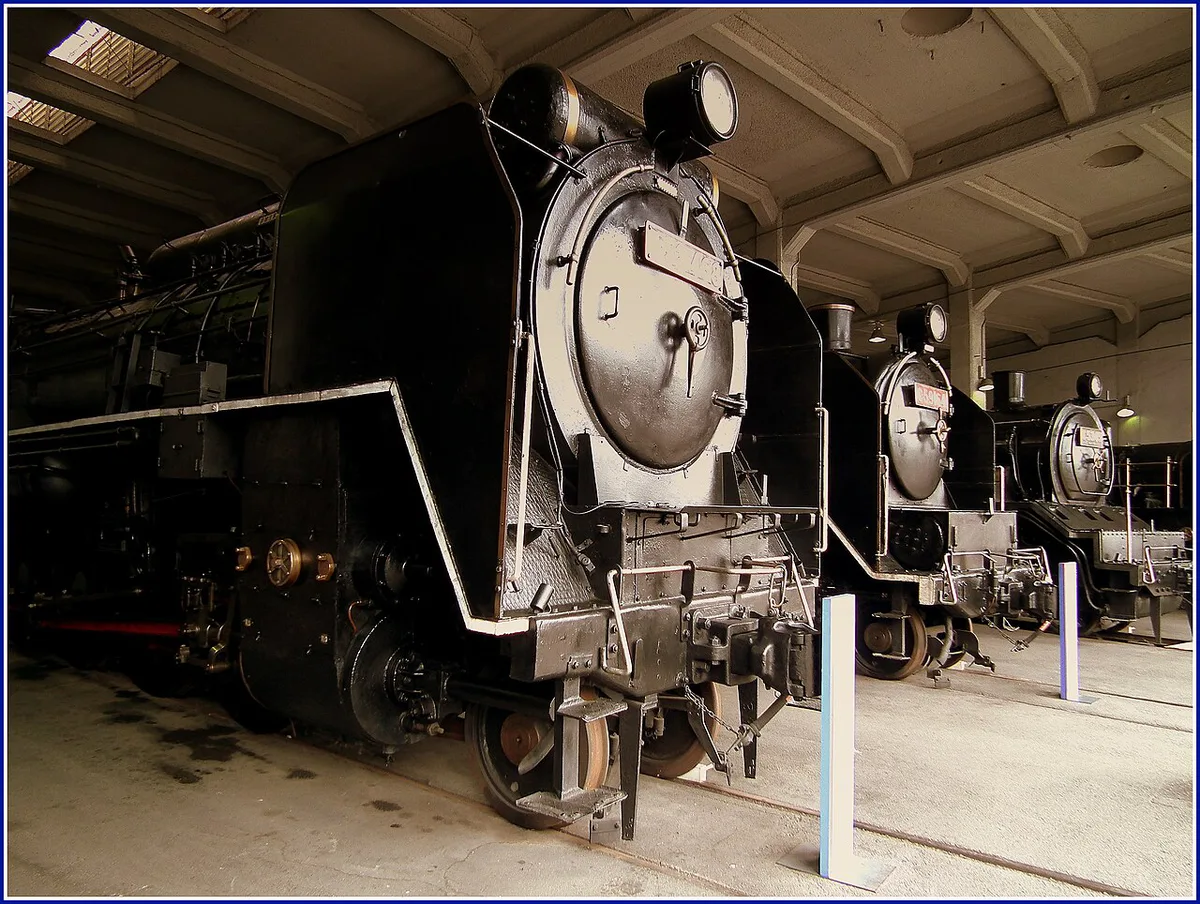
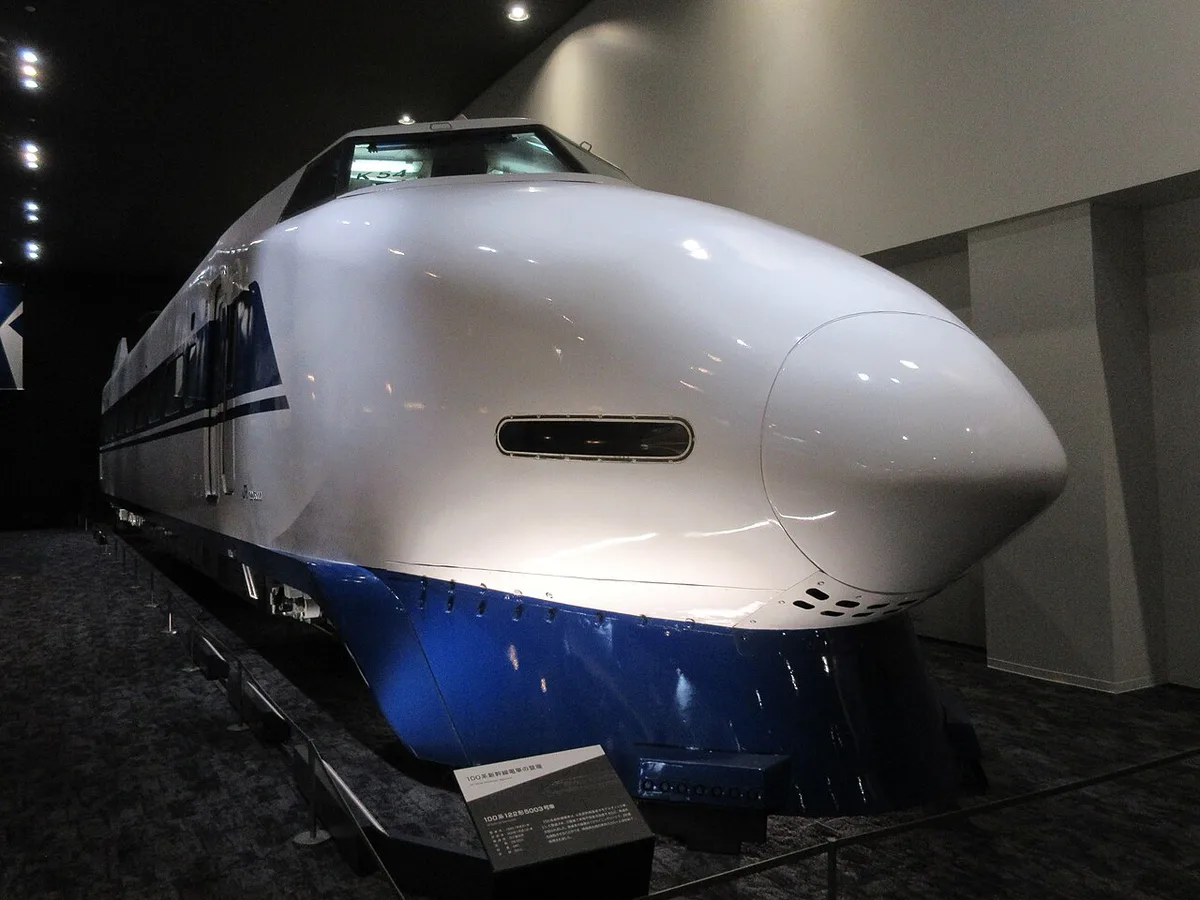
The main hall is the heart of the visit, with retired rolling stock arranged so visitors can walk beneath a freight locomotive and see its underside mechanics up close. A 0 Series Shinkansen sits alongside steam-era giants, tracing more than a century of Japanese rail engineering under one roof. The diorama room draws steady crowds, with a single skilled operator running an elaborate miniature railway through scheduled shows worth timing into your visit rather than stumbling into by chance.
- Retired steam locomotives and electric trains spanning multiple eras of Japanese rail
- A 0 Series Shinkansen among the main hall's centerpiece exhibits
- One of Japan's largest railway dioramas, run live by a single operator
- Underfloor viewing of a retired freight locomotive's mechanical works
Interactive Experiences: Simulators and the SL Steam Train
Two features separate the kyoto railway museum from a standard exhibit hall: the driving simulators and the SL steam train ride. The simulators are consistently the most popular draw and typically run on a lottery or timed-entry system rather than a simple walk-up queue. As a result, check signage or staff at the entrance early in the visit to enter before slots fill. For 300 yen on top of admission, the SL steam train covers a 1-kilometer run lasting about 10 minutes, giving riders a genuine steam-powered experience without leaving the grounds. Given the short ride length and potential queue, weigh it as a nice-to-have rather than a must-do if time is tight, especially with younger children who may tire of standing in line.
- Train simulators: lottery or timed-entry system, not a standard queue
- SL Steam Train ride: 300 yen extra, 1km, about 10 minutes
- Roundhouse from 1914 with a working turntable and Japan's largest collection of preserved steam locomotives
- Live maintenance viewing through windows into the steam locomotive service hall
Planning Your Visit: Hours, Fees, and Tickets
Standard admission for the kyoto railway museum runs 1,500 yen for adults as of the latest verified pricing. Confirm current rates on the official site before traveling, since museum pricing can shift year to year. The museum opens 10:00 to 17:00 with last entry at 16:30. Arriving by early-to-mid afternoon still leaves enough time to cover the main hall, roundhouse, and diorama show without rushing the exit toward closing.
- Hours: 10:00–17:00, last entry 16:30
- Admission: 1,500 yen for adults (verify current pricing before travel)
- Closed: generally Wednesdays, except national holidays and spring/summer school breaks
- Also closed: December 30 to January 1
- SL Steam Train: additional 300 yen per rider
How to Get There: Transit vs. Walking (Umekoji-Kyotonishi Station)
The kyoto railway museum sits a few steps from Umekoji-Kyotonishi Station. It is reachable via the Sagano Line in about 3 minutes from Kyoto Station for 150 yen one way, plus a short 2-minute walk to the entrance. Travelers holding a JR Pass should default to this route since the fare is covered. It also avoids the roughly 20-minute walk from Kyoto Station that turns genuinely grueling in Kyoto's summer heat and humidity. The walking route costs nothing and works fine in cooler months, but budget more time and bring water if attempting it midday in July or August.
Summer visitors should take the 3-minute, 150-yen Sagano Line over the 20-minute walk, particularly families with strollers who benefit from museum accessibility throughout. This transit choice becomes essential rather than optional during Kyoto's peak heat and humidity.
| Route | Time | Cost | Best for |
|---|---|---|---|
| JR Sagano Line to Umekoji-Kyotonishi | 3 min train + 2 min walk | 150 yen | JR Pass holders, summer visits, families |
| Walk from Kyoto Station | About 20 minutes | Free | Cooler months, travelers without a rail pass |
- Transit: JR Sagano Line, Kyoto Station to Umekoji-Kyotonishi Station, about 3 minutes, 150 yen, plus a 2-minute walk (covered by JR Pass)
- Walking: about 20 minutes from Kyoto Station, free, but demanding in summer heat
Museum Amenities: Dining with a View
The second-floor restaurant sits directly below an observation deck and offers unobstructed views of trains passing along the JR Kyoto Line and the Tokaido Shinkansen line. This makes a sit-down meal here a genuine part of the experience rather than just a refueling stop. For a different angle on the same view, the museum also sells bento boxes designed to be eaten inside a retired train carriage, sometimes called the Lunch Train experience. This trades table service for the novelty of dining inside real rolling stock. Families should note the museum is stroller-accessible throughout, with nursing room facilities available, making a full-day visit with young children considerably more manageable than at more crowded outdoor Kyoto attractions.
- Second-floor restaurant: table seating with direct views of the JR Kyoto Line and Tokaido Shinkansen
- Lunch Train: bento boxes eaten inside a retired train carriage
- Stroller accessibility throughout the museum
- Nursing room facilities on site
The Umekoji Park Connection: Combining Sights
The kyoto railway museum sits within Umekoji Park, making it simple to pair the visit with other nearby attractions rather than treating it as an isolated stop. The Kyoto Aquarium is within the same park grounds, a natural add-on for families looking to fill a full day near the station without another long transit leg. At the museum's exit stands the former Nijo Station building, relocated from nearby Nijo Station in 1997. Originally built in 1904, it is the oldest structure of its kind in Japan and worth a few minutes on the way out even for visitors who otherwise rush past. Travelers building a fuller Kyoto itinerary around this side of the city can extend the day toward temple and palace sights. The nearby grounds are detailed in this Kyoto Imperial Palace guide. Another option is the historic complex covered in this Daigoji Temple Guide: Kyoto's Oldest Building & Mountain Hike. Families splitting a multi-day trip between museum culture and studio-style entertainment in western Kyoto may also want the details in this Toei Kyoto Studio Park Guide: Japan's Real-Life Samurai Film Set. For travelers who would rather trade indoor exhibits for a nature-focused day, the trailhead notes in this Kurama to Kibune Hike Guide: Route, Map & Logistics (Kyoto) make a solid alternative.
- Kyoto Aquarium: located within Umekoji Park, an easy pairing for a full family day
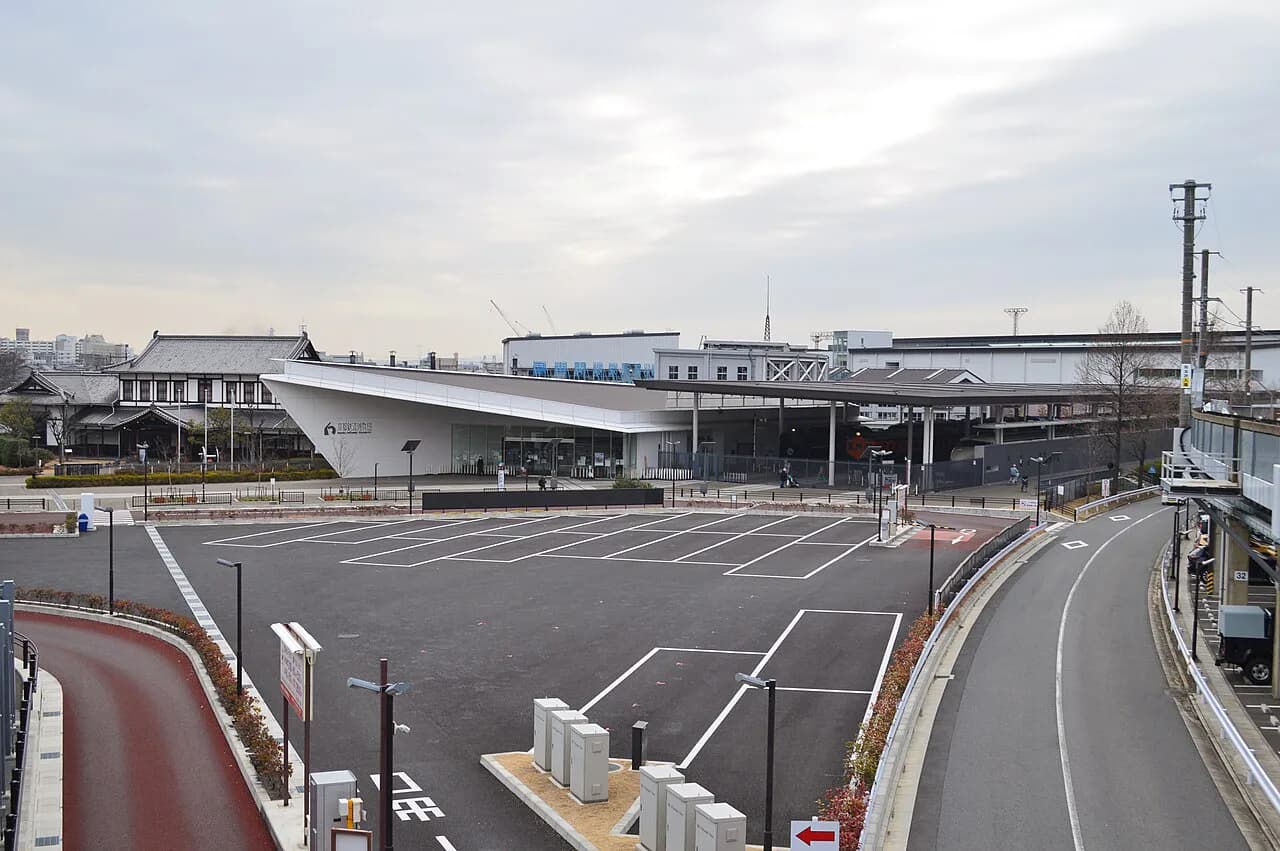
- Former Nijo Station building: 1904 construction, relocated in 1997, stands at the museum exit
- Umekoji Park grounds: walkable green space surrounding both attractions
Should You Go? A Quick Checklist
Not every Kyoto itinerary has room for a railway museum, so use this quick check before committing half a day to the visit.
- Go if you are traveling with kids under 12 who respond well to hands-on, interactive exhibits
- Go if you consider yourself a railway or transit history enthusiast, or simply enjoy seeing engineering up close
- Go if it is raining or extremely hot in Kyoto and an indoor, air-conditioned activity near the station solves a scheduling problem
Common Mistakes to Avoid
A handful of avoidable planning errors trip up first-time visitors to the kyoto railway museum more than anything about the exhibits themselves.
Arriving early to secure simulator lottery slots and check the diorama schedule prevents two cascading common mistakes: mid-afternoon slot closures of both experiences. This timing coordination justifies the recommended three-to-four-hour visit duration.
- Showing up on a Wednesday without checking the calendar; the museum is generally closed except during national holidays and spring/summer school breaks
- Arriving after 16:30 expecting entry; that is the last-entry cutoff even though the museum stays open until 17:00
- Skipping the simulators without realizing they run on a lottery or timed system, then finding all slots gone by mid-afternoon
- Walking the full 20 minutes from Kyoto Station in peak summer heat instead of taking the 3-minute Sagano Line ride to Umekoji-Kyotonishi Station
- Missing the diorama show by not checking its schedule near the entrance
Kyoto vs. Saitama vs. Nagoya Railway Museums
If you are choosing between Japan's major railway museums, Kyoto is the most practical pick for travelers already in Kansai who want steam history and an easy half-day plan near Kyoto Station. Its strongest draws are the Umekoji roundhouse, preserved steam locomotives, 0 Series Shinkansen, and the ability to pair the visit with Kyoto Aquarium and Umekoji Park.
- Kyoto Railway Museum: best for steam locomotives, JR West history, roundhouse atmosphere, and families staying in Kyoto or Osaka.
- The Railway Museum in Saitama: best for Tokyo-based travelers who want a broader JR East collection and a full museum day without leaving the Kanto area.
- SCMAGLEV and Railway Park in Nagoya: best for visitors interested in high-speed rail, maglev technology, and JR Central's Tokaido Shinkansen story.
For most Kyoto itineraries, the local museum wins on convenience. It is not necessarily the biggest railway museum in Japan, but it is the easiest to fit around temples, rainy weather, and family schedules.
See our Kyoto tourism attractions guide for the broader city overview.
Planning sources: Kyoto Railway Museum · JR West museum information. Further reading: Kyoto on Wikivoyage · Kyoto on Wikipedia
Frequently Asked Questions
How much time should I plan for the Kyoto Railway Museum?
Most visitors comfortably need three to four hours to cover the main hall, the roundhouse, the diorama show, and a meal, especially if also entering the simulator lottery or riding the SL Steam Train.
Is the Kyoto Railway Museum good for young children?
Yes. The museum is stroller-accessible throughout and includes nursing room facilities, and the hands-on exhibits and simulators tend to hold younger children's attention better than a typical museum visit.
Is the SL Steam Train ride worth the extra cost and wait?
For 300 yen, the ride covers 1 kilometer in about 10 minutes. This is a short but genuine steam-powered experience. It is worth doing if the queue is short, but skippable on a tight schedule since the main hall and roundhouse deliver most of the museum's value.
What is the fastest way to reach the museum from Kyoto Station?
Take the JR Sagano Line one stop to Umekoji-Kyotonishi Station, a roughly 3-minute ride for 150 yen, followed by a 2-minute walk to the entrance. This is faster and cooler than the 20-minute walk directly from Kyoto Station.
Do the train simulators require a reservation?
The simulators generally run on a lottery or timed-entry system rather than a simple walk-up line, so check the entry process at the museum entrance early in the visit to avoid missing available slots.
Can the Kyoto Railway Museum be combined with other nearby attractions?
Yes. The museum sits inside Umekoji Park alongside the Kyoto Aquarium. The former Nijo Station building from 1904 stands right at the museum exit, making it easy to extend a visit without extra transit time.
Free: The Kyoto Essentials guide
Top things to do, where to stay, a perfect day plan, getting around, and the best time to go — a Kyoto mini-guide you can take offline.
You might also like


Continue reading
More guides you'll find useful