Nakameguro Guide 2026: Meguro River, Koukashita, and the Roastery
Explore Nakameguro's river, Koukashita shops, and Starbucks Reserve Roastery with transit, food, and 2026 cherry blossom crowd tips.
On this page
Last updated July 2026: Nakameguro sits only a couple of stops from Shibuya and Ebisu, yet its riverside cafes and design shops feel like a different city. This guide covers three working zones: the Meguro River, Nakameguro Koukashita, and the quieter backstreets. Use them to judge how much time the neighborhood deserves, whether or not cherry blossom season matches your trip. The guide also explains the Starbucks Reserve Roastery queue and what to expect on a non-sakura weekday.
Nakameguro: Tokyo's Two Faces
Nakameguro has two distinct identities, and knowing which one you're walking into changes how you should plan the visit. For one to two weeks in late March and early April, the Meguro River becomes a dense, photogenic tunnel of cherry blossoms. The neighborhood turns into one of the busiest hanami spots in the city. For the other eleven months of the year, Nakameguro is a quieter, design-conscious pocket of Meguro-ku known for vintage shops, art galleries, and small-batch cafes rather than crowds. That split identity is worth comparing to Tokyo's other low-key-cool neighborhoods — the vintage-shop culture of Shimokitazawa's secondhand scene runs on a similar logic, minus the seasonal spike. Nakameguro rewards a slower pace: it's built for wandering side streets between the main road and the riverside rather than ticking off a single marquee sight.
Getting to Nakameguro: Trains and Walking Times
Nakameguro Station is served by two lines, which makes it easy to fold into a day that also covers Shibuya or Ebisu. The Tokyu Toyoko Line connects directly to Shibuya in about 4 minutes, and the Tokyo Metro Hibiya Line connects to Ebisu in about 2 minutes, then continues on to Ginza and Kasumigaseki. From Tokyo Station, expect roughly 25 to 35 minutes depending on your transfer. Take either the Marunouchi Line to Ginza or Kasumigaseki and then the Hibiya Line, or the Yamanote Line to Ebisu and then the Hibiya Line. From Shinjuku, the JR Yamanote Line to Ebisu (transfer to Hibiya) or to Shibuya (transfer to Toyoko) both run around 20 minutes. Once you're on the ground, the so-called triangle walk is the real logistics trick: Daikanyama is roughly a 10-minute walk from Nakameguro Station. Ebisu is close enough by rail or on foot to combine all three in a single afternoon.
| From | Line / Route | Approx. Time |
|---|---|---|
| Shibuya | Tokyu Toyoko Line, direct | 4 minutes |
| Ebisu | Tokyo Metro Hibiya Line, direct | 2 minutes |
| Shinjuku | JR Yamanote Line + transfer to Hibiya or Toyoko | ~20 minutes |
| Tokyo Station | Marunouchi or Yamanote Line + Hibiya Line transfer | 25–35 minutes |
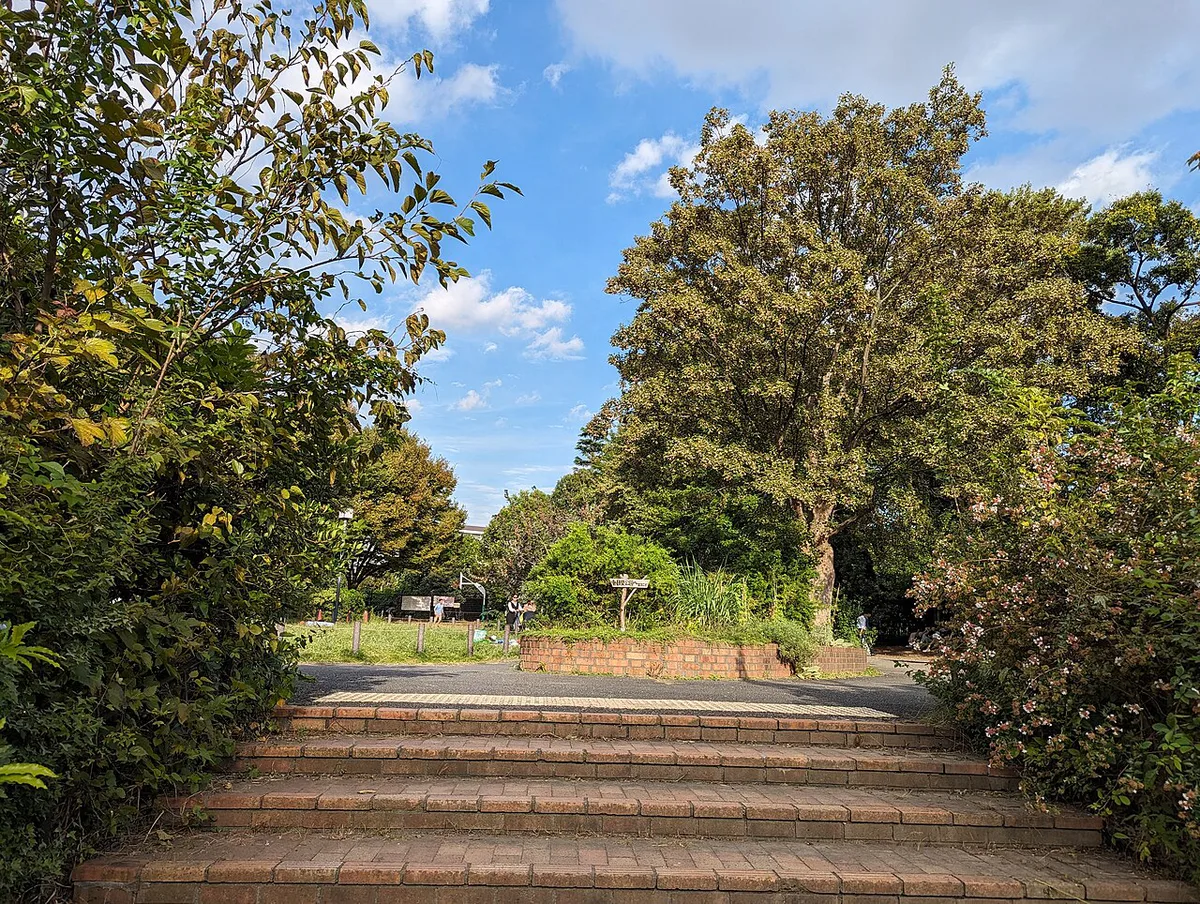
The Meguro River: Beyond the Cherry Blossom Tunnel
The Meguro River is what put Nakameguro on the map, and the numbers explain why. The riverside path forms roughly a 2.4-mile (4 km) tunnel of around 800 cherry trees that reach peak bloom in late March through early April. During that window the branches touch overhead on both banks, snack and beer stalls line the path, and the trees are lit up in the evening. This draws heavy crowds and makes a quiet spot hard to find after dark. Outside that narrow window, the same trees turn a fresh green and the riverside reverts to a shaded, walkable strip of open-front cafes, izakaya, yakitori stands, and specialty shops. Highlights include a green bean-to-bar chocolate maker and boutique bakeries. Either way, this is the anchor for a Nakameguro visit, and it connects directly to the neighborhood's best-known modern landmark, the Starbucks Reserve Roastery, which sits right along the riverside route.
Starbucks Reserve Roastery Tokyo: Layout and Wait-Time Strategy
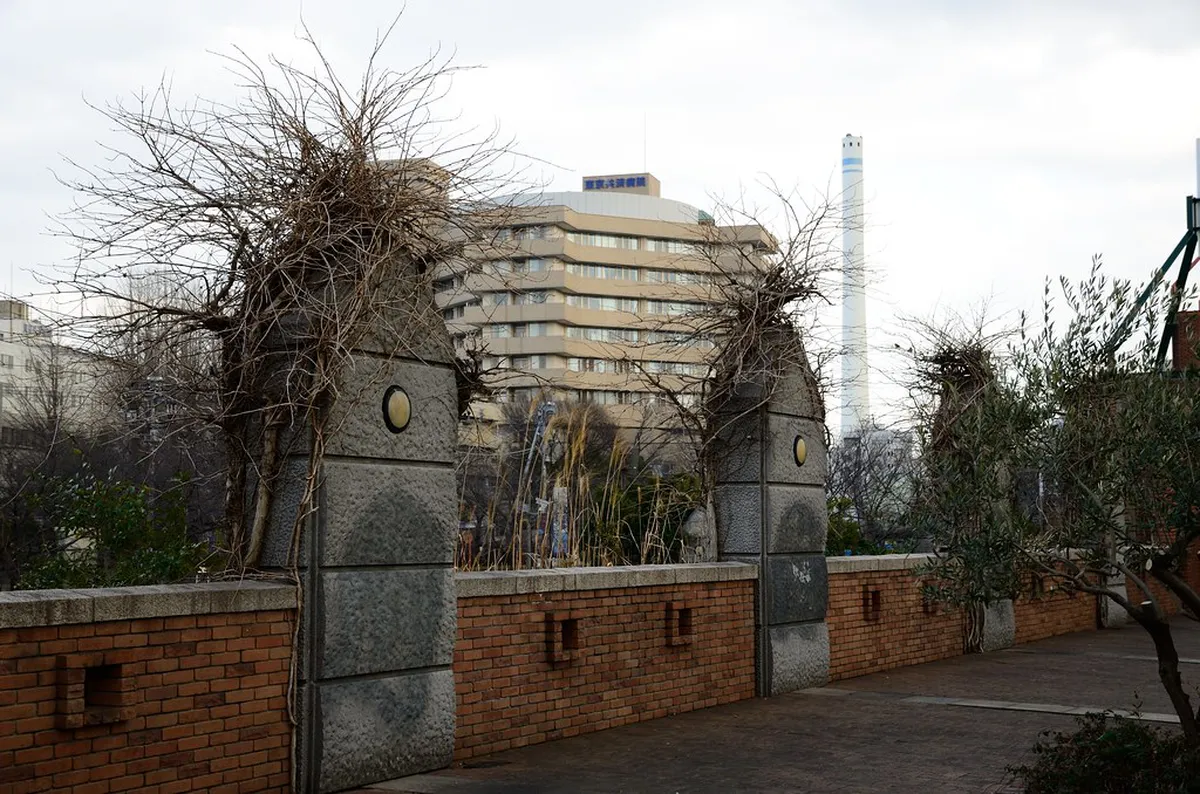
Designed by architect Kengo Kuma, the Starbucks Reserve Roastery Tokyo is one of only six roasteries of its kind worldwide and spans four floors across roughly 32,000 square feet. It combines a working roasting factory, a cocktail bar, a dedicated tea floor, a bakery, and multiple cafe counters. The outdoor terrace is one of the better vantage points for the cherry blossoms in season. What most guides leave out is the practical part: on weekends and during peak season, entry commonly runs on a queue system with numbered tickets. Waits can stretch from roughly one to three hours. If the roastery is a priority, plan for a weekday morning or an off-season visit rather than arriving at midday on a Saturday and expecting to walk straight in.
The four-floor Starbucks Roastery's 32,000 square feet can't prevent numbered-ticket bottlenecks stretching one to three hours. Nakameguro's riverside cafes and Koukashita's destination dining deliver the same slow-browsing appeal without advance-planning constraints.
Nakameguro Koukashita: Life Under the Tracks
Where the riverside is about strolling, Nakameguro Koukashita is about destination dining and shopping. The development runs about 700 meters along the previously vacant space beneath the elevated train tracks, starting right under the station itself. Its anchor is Nakameguro Tsutaya Books, a thoughtfully designed bookstore with Japanese and international titles, reading spaces, stationery and accessory shops, a cafe, and rotating pop-up exhibitions. Moving southwest from the station, the Koukashita stretch shifts from casual, slightly upscale restaurants and cafes near the tracks toward more up-and-coming designer boutiques the further out you walk. This offers a useful contrast if you're also weighing the nightlife-driven energy of Golden Gai's tiny bars elsewhere in the city. Koukashita trades that late-night intensity for a slower, browsing-and-dining pace that runs from daytime coffee into evening drinks.
Where to Eat in Nakameguro
Nakameguro's food scene ranges from destination-worthy tasting menus to easy takeout, and the standouts are spread across both the riverside and the backstreets.
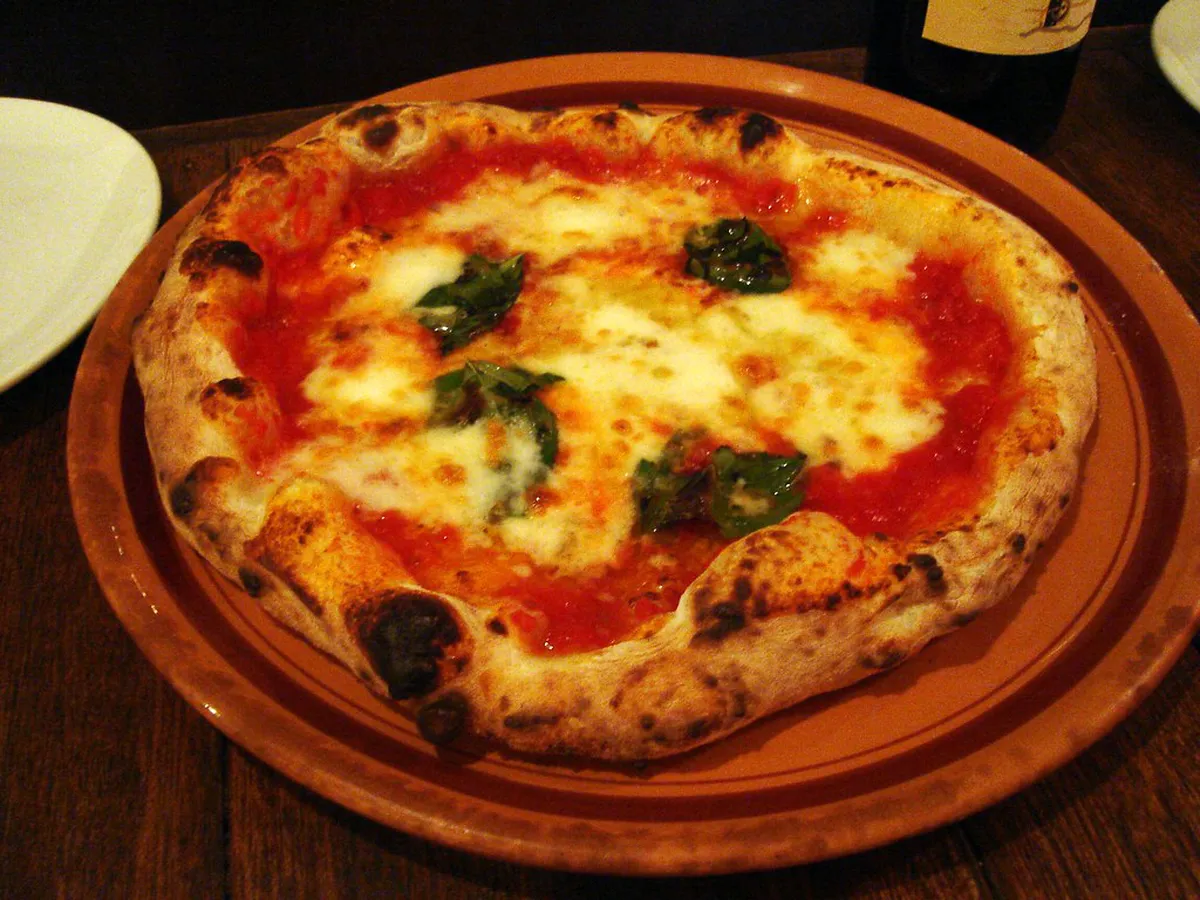
- Seirinkan: a Beatles-themed, industrial-style pizzeria up a narrow spiral staircase, widely cited as among Tokyo's best for its Margherita and Marinara; David Chang called it out on Ugly Delicious, saying the best pizza in the world is in Tokyo.
- Udatsu Sushi: a residential-area omakase spot behind a concrete facade, built around a multi-course lunch of roughly 17 dishes and two different types of shari (sushi rice) matched to each fish.
- Junkadelic: a Tex-Mex spot modeled on a San Diego dining scene, useful when a break from Japanese cuisine is in order.
- Happy Pudding Makahala: a small riverside takeout shop for custard pudding made with high-end eggs, including rotating seasonal flavors like mango, matcha, and sweet potato.
- Casual yakitori stands and izakayas along the riverside and backstreets for a lower-cost, no-reservation option.
Backstreets, Galleries, and Nakameguro's Maker Culture
Away from the river and the tracks, Nakameguro's backstreets are where its identity as an artist-and-designer neighborhood actually shows. The area went through a revival starting in the 1990s that drew artists and designers to open studios and small shops. Today the side streets connecting the main road to the riverside hold small galleries, artisan coffee roasters, and hole-in-the-wall businesses, including local fish markets. That residential, maker-driven feel puts Nakameguro in the same conversation as Tokyo's other most livable, design-forward neighborhoods. The comparison is worth making if you're also weighing Kichijoji's residential charm for a different, park-adjacent take on the same appeal. Nakameguro's version is denser and more fashion-and-food focused, with less green space but a tighter concentration of independent shops per block.
Planning Your Visit: Costs, Timing, and Who Nakameguro Suits
Meguro Ward is consistently described as one of Tokyo's more expensive residential areas. As of mid-2024, average published rents put a 1K studio around 131,500 JPY per month. A one-bedroom 1LDK averaged around 231,300 JPY per month. That cost also shows up in slightly higher cafe and boutique pricing compared with eastern Tokyo neighborhoods. Two practical notes for 2026 visits: many shops and boutiques along the riverside and in Koukashita don't open until 11:00 AM or later. As a result, an early-morning arrival will find much of the area still shuttered. During the sakura window, treat the visit as a crowd-management exercise rather than a quiet stroll because the light-up nights draw the densest foot traffic. In our editorial assessment, Nakameguro suits coffee lovers, photographers, and slow travelers who want a browsing-paced afternoon rather than a checklist of sights. It's a weaker fit for high-energy nightlife seekers or budget backpackers, given the pricing and the relatively early close of most daytime businesses. If you're building out a wider western Tokyo day, the Tama area's Ghibli Museum day trip pairs well as a separate outing. Further south, Gotokuji's lucky cat temple makes a manageable add-on for travelers routing through southern Tokyo.
Late morning arrivals align opening hours with shorter queues. Many riverside boutiques and Koukashita shops don't open until 11 AM, while the Starbucks Roastery's weekend waits stretch one to three hours—making weekday mornings the strategic sweet spot.
How to Combine Nakameguro with Daikanyama and Ebisu
Nakameguro works best as part of a small west-Tokyo loop rather than a standalone stop. Start at Nakameguro Station, walk the Meguro River north for cafes, boutiques, and the Starbucks Reserve Roastery, then cut uphill toward Daikanyama for a quieter design-and-shopping stretch. Daikanyama T-Site is the obvious anchor, with Tsutaya Books, lifestyle shops, and cafes spread around low-rise buildings rather than a mall-style complex.
From Daikanyama, continue on foot toward Ebisu or return to Nakameguro for the Hibiya Line one stop to Ebisu. Ebisu shifts the mood from boutique browsing to dinner and drinks, especially around Ebisu Yokocho, the station-area izakayas, and Yebisu Garden Place. A practical order is Nakameguro in late morning or early afternoon, Daikanyama for mid-afternoon shopping, and Ebisu for dinner, which avoids arriving in Nakameguro before many shops have opened.
See our Tokyo tourism attractions guide for the broader city overview.
Planning sources: GO TOKYO Nakameguro guide · JNTO cherry blossom guide. Further reading: Tokyo on Wikivoyage · Tokyo on Wikipedia
Continue planning with Tokyo Trip Planner 2026: Attractions, Neighborhoods and Itineraries.
Frequently Asked Questions
Is Nakameguro worth visiting outside cherry blossom season?
Yes. Outside the late-March-to-early-April bloom, the same riverside path turns into a shaded, walkable green tunnel lined with cafes, boutiques, and izakaya, and Nakameguro Koukashita's dining and shopping run year-round regardless of season. As a result, the neighborhood works as a standard city-district visit, not just a sakura stop.
How do you get to Nakameguro from Shibuya, Ebisu, and Tokyo Station?
From Shibuya, the Tokyu Toyoko Line reaches Nakameguro Station directly in about 4 minutes. From Ebisu, the Tokyo Metro Hibiya Line takes about 2 minutes. From Tokyo Station, plan on roughly 25 to 35 minutes via a transfer to the Hibiya Line at Ebisu, Ginza, or Kasumigaseki.
Do you need a reservation for the Starbucks Reserve Roastery Tokyo?
There's no advance reservation, but on weekends and during busy periods entry typically runs on a numbered-ticket queue system, with waits that can run from about one to three hours. Visiting on a weekday or earlier in the day is the more reliable way to avoid a long wait.
How much time should I plan for a Nakameguro visit?
A half day covers the riverside and Nakameguro Koukashita at a comfortable pace, including a meal. Add extra time if you're combining it with the roughly 10-minute walk to Daikanyama or the 2-minute Hibiya Line hop to Ebisu, since all three are easy to string together in one outing.
Is Nakameguro walkable to Daikanyama and Ebisu?
Yes. Daikanyama is about a 10-minute walk from Nakameguro Station, and Ebisu is two minutes away by the Hibiya Line, or a manageable walk if you'd rather cover the route on foot. Many visitors treat the three as a single connected outing rather than separate trips.
Free: The Tokyo Essentials guide
Top things to do, where to stay, a perfect day plan, getting around, and the best time to go — a Tokyo mini-guide you can take offline.
You might also like


Continue reading
More guides you'll find useful